Table of Contents >> Show >> Hide
- The quick answer (because you’re busy)
- What does “the last week” even mean?
- What are placebo pills, and why do they exist?
- Are you protected from pregnancy during the placebo week?
- So… do you have to take the placebo pills?
- When skipping the placebo week is actually recommended
- What happens if you skip the placebo pills?
- What happens if you don’t take placebo pills and you also start late?
- Combined pill vs. progestin-only pill: the rules aren’t identical
- FAQ: the questions people Google at 2:00 a.m.
- Practical tips to avoid the #1 mistake: starting late
- Bottom line
- Experiences People Commonly Share About the “Last Week” (Real-Life, Not a Textbook)
- 1) “I take the placebos because I’m terrified I’ll forget to restart.”
- 2) “I skipped the last week and loved it… until the spotting showed up.”
- 3) “No bleed makes me anxious, even if I know it’s normal.”
- 4) “The placebo week is when my headaches/mood dips hit.”
- 5) “I got confused because my pack isn’t the classic 21/7.”
- 6) “Skipping the last week made travel and life events so much easier.”
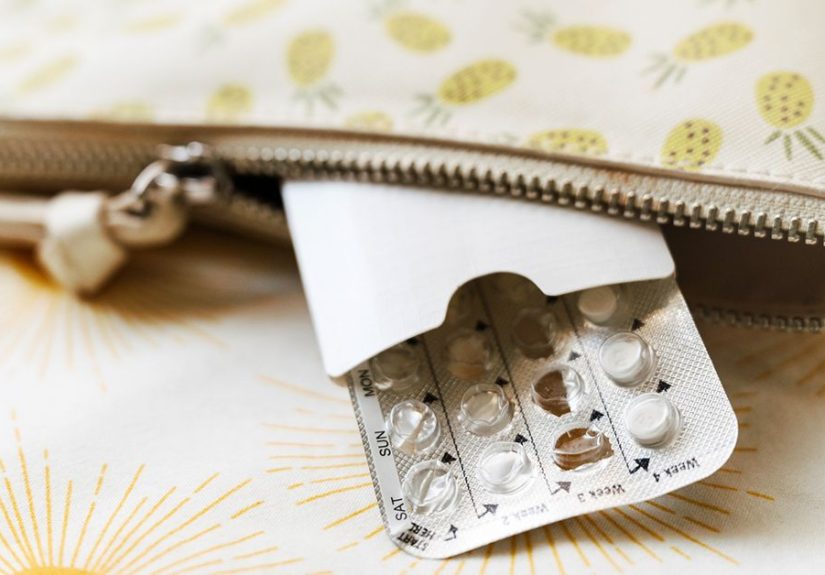
You’re on the last row of pills. They’re a different color. They look… suspiciously like candy. And you’re thinking:
Do I actually need to take these? Fair question. The “last week” of many birth control pill packs is the part of the
month that causes the most confusionand the most frantic calendar math.
Here’s the good news: for many people on combined oral contraceptive pills (the kind with estrogen + progestin),
the last week is made up of placebo (inactive) pills, sometimes called “sugar pills” or “reminder pills.”
If that’s what you have, you usually don’t need them for pregnancy prevention. But there’s a catch (because of course there is):
you do need to start your next pack on time.
Let’s break it downwithout fearmongering, without medical jargon soup, and with just enough humor to keep you awake.
The quick answer (because you’re busy)
-
If your last week is placebo pills: You don’t need them for contraception. They mainly help you keep a daily habit
and trigger a withdrawal bleed (a period-like bleed). - If your last week includes active hormone pills: Yes, you should take them as directedbecause those pills are doing the actual work.
- If you’re not sure which you have: Check the pack label or instructions. Color alone isn’t a guarantee, and some packs mix things up.
What does “the last week” even mean?
“Birth control pills” is one phrase that covers several different schedules. The last week can be totally inactive, partly active,
or not exist at all (continuous packs). Here are common setups:
| Pill pack style | Typical layout | What the “last week” usually is |
|---|---|---|
| 21/7 combined pill pack | 21 active + 7 inactive | Placebo/inactive pills (or no pills) |
| 24/4 combined pill pack | 24 active + 4 inactive | Shorter placebo stretch |
| Extended/continuous combined packs | Active pills for months (or all month) | Sometimes no placebo week at all |
| Progestin-only pills (POPs) | Often all active pills daily | Usually no placebo week (depends on brand) |
In other words: before you decide to toss the last row into the trash like a dramatic movie scene, confirm whether those pills contain hormones.
What are placebo pills, and why do they exist?
Placebo pills are inactive pillsthey don’t contain the hormones that prevent ovulation and help prevent pregnancy.
Their original purpose was partly marketing and partly “comfort design”: early pill regimens were packaged to mimic a 28-day cycle so it felt familiar.
Today, placebo pills mainly do three practical things:
- Habit insurance: You keep taking a pill every day so you’re less likely to forget to start the next pack.
- Scheduling help: Your next pack starts on a predictable day of the week.
- Withdrawal bleeding: The drop in hormones can cause a period-like bleed that reassures some people (even though it’s not medically required).
Important nuance: the bleed during placebo pills is typically a withdrawal bleed, not the same thing as a natural menstrual period.
Your body is reacting to a short break from hormones.
Are you protected from pregnancy during the placebo week?
For most people using combined birth control pills correctly, yesyou remain protected during the placebo week
as long as you took the active pills as directed and you don’t extend the hormone-free interval beyond what your regimen allows.
That’s why starting your next pack on time matters so much.
Think of active pills as building a protective “runway,” and the placebo week as a short, controlled pause. A short pause is fine.
A long pause is where the risk creeps in.
So… do you have to take the placebo pills?
If they’re truly placebo (inactive) pills
Nope. You can skip them, throw them away, or leave them in the pack to live their best inert life. The key rule is:
start the next pack on time.
Many people still take the placebo pills because it’s easier to keep the daily habit. If you’re the kind of person who forgets your own birthday
(no judgment), taking a pill dailyincluding placeboscan be a smart routine hack.
If the “last week” includes active pills
Then yes, take them as scheduled. Some packs include hormone pills later in the month, and some are multiphasic (varying hormone doses by week).
Skipping active pills is not the same as skipping placebos.
When skipping the placebo week is actually recommended
Sometimes the best move is to skip the placebo week and go straight into a new pack of active pills. Common scenarios include:
1) You missed pills near the end of the active pills
If you miss active pills late in the pack, many official guidelines advise skipping the hormone-free intervalmeaning you finish the active pills you have
and start a new pack the next day. This reduces the risk of ovulation during an extended break.
2) You want to delay bleeding (vacation, event, life)
Want to avoid bleeding during a trip, wedding, sports competition, or just because you’re tired of planning your life around tampons?
Many people safely use combined pills continuously by skipping inactive pills and starting a new pack right away.
3) You’re trying to manage hormone-withdrawal symptoms
Some people notice headaches, cramps, mood dips, or acne flares during the placebo week. Continuous use can help some folks by keeping hormone levels steadier.
(If you have migrainesespecially with auratalk to a clinician, because estrogen-containing methods can be complicated.)
What happens if you skip the placebo pills?
The most common outcomes are totally boring (which is what you want from contraception):
- No withdrawal bleed that month, or a lighter one.
- Some spotting or breakthrough bleeding, especially in the first 1–3 months of continuous use.
- Fewer hormone-withdrawal symptoms for some people (less PMS-like stuff during the “off” week).
Spotting can be annoying, but it’s usually not dangerous. Your uterus is basically saying,
“Hi, I noticed we changed the schedule without telling me.” It often settles down over time.
What happens if you don’t take placebo pills and you also start late?
This is the big one. The pill is forgiving, but it is not magic. Extending the hormone-free interval too long can increase pregnancy risk.
If you skipped placebos and then forgot to start your next pack on time, you may need backup contraception and possibly emergency contraception,
depending on how many days late you are and whether you had sex during that window.
If you’re ever in the “uh-oh, I started late” situation, don’t spiral. Use a barrier method (like condoms) and consult your pill’s instructions
or a clinician/pharmacist for the most accurate next steps for your specific brand.
Combined pill vs. progestin-only pill: the rules aren’t identical
Combined pills (estrogen + progestin)
Combined pills are typically taken for 21–24 days followed by 4–7 hormone-free days (either placebo pills or no pills).
Many people can safely skip the placebo week and start a new pack right away.
Progestin-only pills (the “mini-pill”)
Many progestin-only pills are taken every day with no placebo week, and timing matters more.
Some types have a narrower “late pill” window than combined pills. If you’re on a progestin-only pill,
follow your specific brand’s instructions closely.
Translation: if your friend does something with their pill pack and says “It’s totally fine,” that may be truefor their pill.
Your pill might be a different beast.
FAQ: the questions people Google at 2:00 a.m.
“Can I get pregnant on placebo pills?”
If you took your active pills correctly and start your next pack on time, you’re generally protected during the placebo week with combined pills.
The placebo pills themselves don’t prevent pregnancy; they just keep your schedule consistent.
“Do I have to bleed every month for it to be healthy?”
Not necessarily. Withdrawal bleeding on the pill is optional for many people. Some choose monthly bleeding because they prefer it,
and others prefer to skip it. If you’re using hormonal methods safely and appropriately, the presence or absence of monthly bleeding
isn’t automatically a health problem.
“What if I don’t get a bleed during placebo week?”
It can happenespecially if your uterine lining stays thin from consistent hormone use. If you took your pills correctly, a missed bleed
can be normal. But if you missed active pills, started late, had vomiting/diarrhea around pill-taking, or feel pregnancy symptoms,
take a pregnancy test and contact a healthcare professional for guidance.
“My placebo pills have iron. Do I need them?”
Some placebo pills contain iron (often as a supplement). They still don’t contain contraceptive hormones. Whether you “need” the iron depends on you,
your diet, and your clinician’s guidancenot your contraceptive effectiveness.
“Is it okay to take the placebos anyway?”
Absolutely. Many people take them to keep the daily habit. The placebos aren’t harmful; they’re just hormonally inactive.
Practical tips to avoid the #1 mistake: starting late
- Set a recurring phone reminder for the day you start a new pack.
- Keep your next pack visible (bathroom drawer, nightstandsomewhere you’ll see it).
- Use a “pack start” alarm separate from your daily pill alarm.
- If you skip placebos, don’t “freehand” the schedulemark the start date in your calendar.
The placebo week isn’t a trap, but it’s a common place to accidentally create a longer break than intended. The fix is boring but effective:
consistency.
Bottom line
If your last week is placebo pills, you usually don’t need to take them for contraceptionbut taking them can help you stay on schedule.
If you skip them, start your next pack on time. If your last week contains active pills, take them as directed.
And if you’ve missed pills near the end of your active pills, skipping the placebo week and starting a new pack immediately is often recommended
to avoid extending the hormone-free interval.
Birth control should fit your life, not the other way around. If you’re unsure which pills are active, if your schedule got off track,
or if you have medical conditions that affect your options, a pharmacist or clinician can help you tailor the safest plan.
Experiences People Commonly Share About the “Last Week” (Real-Life, Not a Textbook)
Let’s talk about the part that never makes it into the neat little instruction leaflet: what it feels like in real life
to deal with the last week of pills. Everyone’s body (and schedule) is different, but there are a few patterns people often describe.
1) “I take the placebos because I’m terrified I’ll forget to restart.”
This is probably the most common vibe. Plenty of people say the placebo week isn’t about hormonesit’s about muscle memory.
They keep the daily ritual (same time, same routine, same water bottle) because the alternative is waking up eight days later thinking,
“Why do I feel like I’m missing something?” The placebo pills become a tiny behavioral trick: not medically necessary, but mentally helpful.
If your brain thrives on routines, taking the placebo pills can feel like using training wheels on a bike you already know how to ride.
2) “I skipped the last week and loved it… until the spotting showed up.”
People who skip the placebo week to avoid bleeding often report two phases. Phase one: delight. Phase two: surprise spotting at the worst possible time,
like on vacation, during a presentation, or while wearing white pants (a fashion choice that is always brave, by the way).
Breakthrough bleeding is one of the most frequently mentioned “trade-offs” of continuous use, especially in the first couple months.
Many people say it improves over time, but the early adjustment period can feel like your body is sending push notifications you didn’t subscribe to.
3) “No bleed makes me anxious, even if I know it’s normal.”
Even when someone understands that withdrawal bleeding isn’t required, the absence of it can still mess with their peace of mind.
Some describe the placebo-week bleed as a “monthly receipt”not scientifically necessary, but emotionally reassuring.
If that resonates, you’re not alone. Many people choose to keep monthly bleeding simply because it reduces pregnancy anxiety.
Others do the opposite: they skip bleeding for comfort but take an occasional pregnancy test for reassurance. Both are valid coping strategies.
4) “The placebo week is when my headaches/mood dips hit.”
Another common story: feeling great on active pills, then noticing headaches, mood changes, cramps, or acne during the hormone-free interval.
People often describe it like a mini “PMS rerun.” For some, skipping the placebo week smooths things out; for others, it doesn’t change much.
A frequent takeaway is that the placebo week can be an opportunity to notice patternsif symptoms reliably happen during the hormone-free stretch,
that information can help you and a clinician decide whether an extended or continuous regimen might suit you better.
5) “I got confused because my pack isn’t the classic 21/7.”
Not all packs look the same, and people often share that the confusion starts when they switch brands.
Maybe the placebo pills are four days instead of seven. Maybe there are different doses each week. Maybe the pack includes “reminder” pills in a way
that doesn’t match the last pill you took in your old brand. A very relatable experience is thinking you’re on placebo pills when you’re not,
because “different color” feels like a universal rule (it isn’t). The practical lesson people report learning the hard way:
when you change brands, read the pack instructions like you’re decoding a treasure map.
6) “Skipping the last week made travel and life events so much easier.”
On the happier side, many people describe continuous use as a genuine quality-of-life upgradeespecially for travel, sports, physically demanding work,
or events where bleeding would be inconvenient. Some share that it helped reduce period-related symptoms and planning stress.
Others say it simply gave them a feeling of control: fewer surprises, fewer supplies to pack, fewer moments of “Do I have a tampon?”
That said, a repeated piece of advice from experienced skippers is to plan aheadhave an extra pack available and keep track of start dates,
because the only thing worse than bleeding on vacation is running out of pills on vacation.
If you recognize yourself in any of these stories, you’re in very good company. The “right” approach is often the one that you can
do consistently and that matches your health needs and comfort level. When in doubt, confirm whether your last week pills are inactive,
and make “start the next pack on time” your non-negotiable rule.