Table of Contents >> Show >> Hide
- What Exactly Is Back Acne?
- Types of Bacne (And the Look-Alikes)
- Why Bacne Happens: The Usual Suspects
- Prevention: How to Stop Back Breakouts Before They Start
- At-Home Treatment Plan: A Simple Bacne Routine That Works
- When OTC Isn’t Enough: Dermatologist Treatments That Move the Needle
- Scars and Dark Marks: Preventing and Treating the Aftermath
- Red Flags: When Bacne Needs a Pro (Not Another “Hack”)
- Frequently Asked Questions
- Conclusion
- Real-Life Bacne Experiences: What People Notice (and What Helps)
Back acne is the uninvited guest that shows up right before beach season, weddings, reunions, and any event involving “open-back” anything. If your skin is currently hosting tiny, angry roommates on your shoulders, spine, or upper backwelcome to bacne (back acne’s shorter, sassier nickname).
The good news: bacne is common, treatable, and rarely a sign that you’ve done something “wrong.” The slightly annoying news: your back is a tougher neighborhood than your facethicker skin, more oil glands, more frictionand it may take a little strategy (and patience) to clear. Let’s break down the types of back acne, what triggers it, how to prevent it, and which treatments actually earn their hype.
What Exactly Is Back Acne?
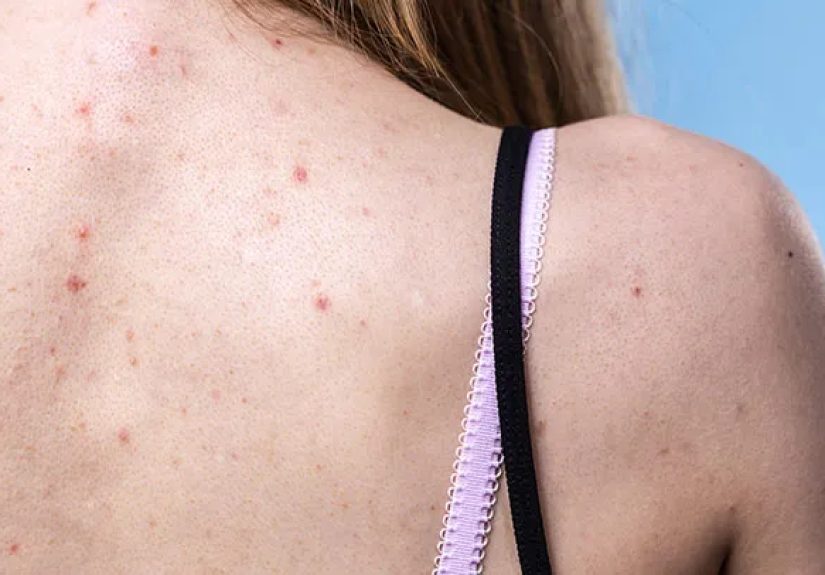
Bacne is acne that develops on the back and shoulders when pores clog with oil (sebum), dead skin cells, and debris. Add Cutibacterium acnes (the bacteria associated with acne) and inflammation, and you get anything from tiny bumps to painful deep nodules. Your back is especially prone because it’s often covered by clothing, gets sweaty, and experiences friction from straps, sports gear, and chairs.
Also: your back is not easy to reach. Which means product gets applied unevenly, rinsed poorly, or forgotten entirely. (No judgment. Most of us have T-Rex arms in the shower.)
Types of Bacne (And the Look-Alikes)
“Back acne” is a casual phrase, but the bumps themselves can be very differentand different bumps respond to different treatments. Here’s how to tell what you’re dealing with.
1) Comedonal Acne: Blackheads and Whiteheads
These are clogged pores. Whiteheads are closed comedones (plug trapped under skin). Blackheads are open comedones (the plug is exposed to air and darkensno, it’s not “dirt”). Comedonal bacne often feels bumpy and looks textured, especially across the shoulders.
2) Inflammatory Acne: Papules and Pustules
If comedones get irritated or infected, they become inflamed. Papules are red, tender bumps. Pustules are similar but have a visible white or yellow center (“pimple head”). These are the classic bacne breakouts that can flare after sweating or friction.
3) Nodular or Cystic Acne: Deep, Painful, and Stubborn
Nodules are hard, deep lumps under the skin. Cysts are deeper, often more painful, and can lead to scarring. If your bacne feels like it has underground drumbeats of doom, it may be nodulocystic acneoften best treated with a dermatologist.
4) Acne Mechanica: Friction + Heat + Sweat
This is acne triggered by repeated rubbing and occlusionthink backpacks, sports pads, tight athletic tops, or even the back of a car seat on a long commute. It often starts as small, rough bumps you feel before you fully see them. If friction continues, those bumps can turn into inflamed pimples and sometimes deeper lesions.
5) Folliculitis (Including “Fungal Acne”)
Here’s the plot twist: not every “acne” bump is acne. Folliculitis is inflammation or infection of hair follicles. One common look-alike is Malassezia folliculitis (often nicknamed “fungal acne”), caused by yeast overgrowth in follicles. Clues include:
- Itchiness is common (acne is usually more tender than itchy).
- Uniform bumpssimilar size and shape, like a rash of matching troublemakers.
- Often flares with heat, humidity, sweating, or occlusive products.
This type typically responds better to antifungal treatments than acne meds. If your bacne refuses to budge after 6–8 weeks of acne treatmentor it’s intensely itchyconsider a professional evaluation.
Why Bacne Happens: The Usual Suspects
Bacne is usually a team effort between biology and lifestyle. Common triggers include:
- Sweat + occlusion: Sweat trapped under clothing can clog pores and feed inflammation.
- Friction: Backpacks, sports gear, tight shirts, and rough fabrics can trigger acne mechanica.
- Hormones: Androgens can increase oil production and clogging. Puberty, menstrual cycles, pregnancy, and stress can play roles.
- Genetics: If acne runs in the family, your pores may be more clog-prone.
- Hair and skincare products: Some conditioners, oils, and lotions can clog poresespecially when they sit on the back.
- Dirty fabric contact: Re-wearing sweaty shirts, not washing sheets regularly, or using oily laundry products can worsen breakouts.
- Medications: Certain drugs (like some corticosteroids) can aggravate acne in some people.
- Stress: Not “stress causes bacne” in a magical waymore like stress can influence hormones and habits (hello, late-night sugar).
Prevention: How to Stop Back Breakouts Before They Start
Prevention isn’t about perfection. It’s about removing the biggest “bacne accelerators” and making your back a less hospitable environment for clogs. Here are high-impact habits that actually help.
Shower Like You Mean It (Especially After Sweating)
- Rinse ASAP after workouts or heavy sweatingideally within 30 minutes.
- Change out of sweaty clothes quickly. Letting sweat dry under fabric = pore party.
- If you can’t shower, a quick wipe-down and a fresh shirt is still better than marinating.
Choose Clothes and Gear That Don’t Hate Your Skin
- Go for breathable, moisture-wicking fabric close to the skin.
- Avoid ultra-tight tops that trap heat and rub.
- If you wear gear (pads, backpacks), add clean, soft padding to reduce rubbing.
- Wash straps, uniforms, and sports bras frequently. “But I only wore it once” is how bacne wins.
Conditioner: Great for Hair, Questionable for Backs
Hair products can drip and sit on your back, especially in the shower. Try:
- Clip hair up while conditioner sits.
- Rinse conditioner thoroughly, then wash your back last.
- Avoid heavy oils on hair that constantly touches your shoulders/back.
Be GentleHarsh Scrubbing Can Make Things Worse
It’s tempting to scrub bacne like you’re sanding a deck. But aggressive rubbing can irritate skin, worsen inflammation, and prolong healing. Think “steady and consistent,” not “power washer.”
Keep Fabrics Clean Where Your Back Lives
- Wash sheets weekly (or more if you sweat at night).
- Use clean towels; avoid rubbing vigorously after showers.
- Consider fragrance-heavy or oily laundry products as potential irritants if your skin is sensitive.
Use Sunscreen That Won’t Clog You Up
Sunburn irritates skin and can darken post-acne marks. Look for “noncomedogenic” or “oil-free” sunscreen when your back is exposed. (Also: tanning to “dry out acne” can backfire by irritating skin and increasing long-term discoloration.)
At-Home Treatment Plan: A Simple Bacne Routine That Works
Bacne improves when you treat the core issues: clogged pores, bacteria, and inflammationwithout wrecking your skin barrier. Here’s a straightforward routine you can run for 8–12 weeks.
Step 1: Use a Benzoyl Peroxide Wash (The Bacne MVP)
Benzoyl peroxide helps reduce acne-causing bacteria and inflammation. For backs specifically, a key trick is contact time: lather it on and let it sit for a couple minutes before rinsingyour back skin is thicker and benefits from that pause.
- Start with a lower strength if you’re sensitive; increase if needed.
- Let it sit 2–5 minutes, then rinse thoroughly.
- Warning: it can bleach towels, sheets, and clothing. Rinsing well and using white towels helps avoid tragic laundry mysteries.
Step 2: Add a Pore-Unclogger (Retinoid or Salicylic Acid)
If your bacne is bumpy/comedonal, you want something that prevents clogs from forming in the first place:
- Adapalene 0.1% gel (an OTC retinoid) helps normalize cell turnover and keep pores clear.
- Salicylic acid can also help unclog pores and smooth texture, especially for mild acne.
Go slow: start 2–3 nights per week and increase as tolerated. Some dryness or mild irritation can happen early. Consistency beats intensity.
Step 3: Moisturize (Yes, Even If You’re Oily)
Dry, irritated skin can trigger more inflammation and make treatments harder to tolerate. Use a lightweight, noncomedogenic moisturizer after showering. If your skin is cranky, you’ll quit the routineand bacne will throw a parade.
A Sample Weekly Schedule (Beginner-Friendly)
- Daily: Shower after sweating + change into clean clothes.
- Daily: Benzoyl peroxide wash in the shower (2–5 minutes contact time).
- Mon/Wed/Fri nights: Adapalene (or salicylic acid leave-on) on dry skin.
- As needed: Moisturizer after showering.
Expect improvement in a few weeks, but meaningful clearing often takes several weeks to a few months. If you stop at week three, you might miss the payoff.
What Not to Do (Your Back Will Thank You)
- Don’t pick, scratch, or squeeze. This increases irritation, infection risk, and scarring.
- Don’t use super-harsh scrubs or rough loofahs like you’re polishing a bowling ball.
- Don’t pile on ten “active” products at once. Irritation ≠ effectiveness.
When OTC Isn’t Enough: Dermatologist Treatments That Move the Needle
If you’ve been consistent for 8–12 weeks and bacne is still thrivingor if you have deep, painful lesionsconsider professional treatment. Dermatologists can tailor options based on type and severity.
Prescription Topicals
- Stronger retinoids (tretinoin, tazarotene) for stubborn clogged pores and prevention.
- Topical antibiotics (like clindamycin) typically used with benzoyl peroxide to reduce resistance risk.
- Azelaic acid for acne and post-acne discoloration in some cases.
- Dapsone gel for inflammatory acne in select patients.
Oral Medications
- Oral antibiotics (often doxycycline/minocycline) for moderate to severe inflammatory acneusually limited duration and paired with topical therapy.
- Hormonal options (like certain birth control pills or spironolactone) for women with hormonally influenced acne.
- Isotretinoin for severe, scarring, or treatment-resistant acnehighly effective but requires careful medical monitoring.
Procedures and In-Office Options
Depending on your case, a dermatologist may suggest adjunctive treatments such as chemical peels, light-based therapies, or other procedures. These can be helpful for some people, especially for scarring or persistent breakouts, but they’re usually not the first step for typical bacne.
Scars and Dark Marks: Preventing and Treating the Aftermath
Bacne has a reputation for leaving souvenirsespecially if lesions are deep or picked. Scars can be raised, indented, or mixed, and dark marks (post-inflammatory hyperpigmentation) can linger.
- Best prevention: treat early, stay consistent, and don’t pick.
- For dark marks: sunscreen + time + targeted topicals (your dermatologist may suggest options like azelaic acid).
- For true scarring: professional treatments (e.g., certain procedures) may be needed for meaningful improvement.
The sooner you control active bacne, the fewer “after” issues you’ll have to chase.
Red Flags: When Bacne Needs a Pro (Not Another “Hack”)
Book an appointment if any of these are true:
- You have painful nodules or cysts, or acne that’s spreading rapidly.
- Breakouts keep returning or don’t improve after a few months of consistent OTC treatment.
- You see signs of infection (worsening redness, swelling, pus, fever).
- Your bumps are itchy and uniform (possible folliculitis/fungal acne).
- You’re developing scars or significant emotional distress.
Frequently Asked Questions
How long does it take to get rid of bacne?
Some people notice improvement in a few weeks, but backs often need 8–12 weeks of consistent treatment for major changes. Deep or widespread acne may take longer and may require prescription help.
Should I exfoliate my back?
Gentle exfoliation can help, but aggressive scrubbing can worsen inflammation. If you exfoliate, keep it mild and consistent. Chemical exfoliants (like salicylic acid) are often gentler than gritty scrubs.
Can diet affect bacne?
Diet isn’t the sole cause, but some people notice flares with high-glycemic eating patterns or certain dairy intake. If you suspect a pattern, try a simple, time-limited experiment and focus on overall healthnot food fear.
What if my “bacne” is actually fungal acne?
If bumps are itchy, very uniform, and don’t respond to standard acne treatment, it may be folliculitis. Antifungal approaches can helpbut it’s best to confirm with a clinician so you don’t waste months treating the wrong thing.
Conclusion
Bacne is annoying, but it’s also predictable: clogged pores + sweat + friction + inflammation. Once you know your type (classic acne vs mechanica vs folliculitis), you can match it with the right plan. For many people, a benzoyl peroxide wash plus a retinoid (or salicylic acid) and a few lifestyle tweaks is enough to calm things down. If you’re dealing with deep, painful breakouts or scars-in-progress, a dermatologist can help you level up quicklybecause life is short and your back deserves peace.
Real-Life Bacne Experiences: What People Notice (and What Helps)
Bacne rarely shows up out of nowhere like a movie villain. Most people can trace it to a handful of real-life patternsespecially once they start paying attention. One common story: someone starts working out more (love that for them), but their post-gym routine doesn’t change. They drive home in a sweaty shirt, sit in it while answering “just one email,” and the next thing they know, their upper back looks like it’s auditioning for a pepperoni commercial. The fix isn’t quitting exerciseit’s the boring hero move: shower (or at least rinse) soon after sweating, change into a clean shirt, and keep workout gear washed.
Another classic scenario is the “backpack era.” Students, commuters, travelers, hikersanyone wearing straps that rub the same spots dailyoften notices clustered breakouts exactly where the straps sit. That’s acne mechanica doing what it does best: combining friction, heat, and trapped sweat. People who improve fastest usually do two things: reduce rubbing (padding, adjusting straps, switching to a different bag) and treat the area like acne-prone skin (salicylic acid can be especially helpful here, plus consistent cleansing). Even small changeslike wearing a breathable shirt under strapscan make a bigger difference than buying the fanciest serum on the internet.
Then there’s the “conditioner surprise.” A lot of people treat their face carefully but rinse hair products right down their back daily. If your shoulders and upper back break out while your lower back stays clear, hair products can be a prime suspect. People often report improvement when they clip hair up while conditioning, rinse thoroughly, and then wash their back last. It’s not that conditioner is “bad”it’s that leaving residue on acne-prone skin can be like leaving butter on a warm countertop. Things get slippery. Then clogged.
Some experiences are seasonal. In hot, humid months, bacne can flare even in people who were clear all winter. Sweat, sunscreen, and tighter summer clothes can pile on. Many people find that switching to noncomedogenic body sunscreen and using a benzoyl peroxide wash consistently during summer helps prevent the yearly “hello darkness, my old bacne” reunion. And if you’re someone who breaks out in tiny, itchy, uniform bumps during heat waves, you might be dealing with folliculitis rather than classic acneanother reason diagnosis matters.
Finally, there’s the emotional sidebecause bacne isn’t just a skin issue; it can change how people dress, swim, date, and feel in their own body. A helpful mindset shift people describe is moving from “I need this gone tomorrow” to “I’m running an 8–12 week plan.” Acne treatments usually need time to work, and backs can be slower than faces. The people who succeed long-term are rarely the ones who try everything at once; they’re the ones who pick a simple routine, adjust based on irritation, and stay consistent. In other words: fewer products, more patience, and zero shame.