Table of Contents >> Show >> Hide
- Ryan Seacrest’s First Spin: What Actually Happened on Premiere Night
- The Notes From Wheel Watchers: Praise, Side-Eye, and “Please Fix That Lighting”
- Why the Transition Matters (and Why It’s Working So Far)
- What Fans Want Next: Small Tweaks, Not a Full Reboot
- FAQ: Quick Answers Fans Keep Googling
- Conclusion: One New Host, a Million Tiny Viewer Opinions
- Extra: Real-World Viewer Experiences That Make This Host Change Hit Different (About )
There are two types of people in America: the ones who watch Wheel of Fortune and the ones who claim they
“don’t really watch TV” while somehow shouting, “IT’S RSTLNE!” louder than everyone else in the room.
So when Ryan Seacrest stepped onto the stage for his first episode as host, it wasn’t just a TV momentit was a national
group project. And like any group project, the feedback arrived immediately, loudly, and with at least one person
insisting they could do it better.
Seacrest’s debut didn’t just introduce a new host. It triggered the kind of hyper-focused viewer scrutiny typically reserved
for: (1) your friend’s new haircut, and (2) whether the guacamole is “authentic.” Fans had compliments. Fans had concerns.
Fans had lighting notes. Lots of lighting notes. Here’s what happened, what viewers are saying, and what the show can take
from the first big spin of the Ryan Seacrest era.
Ryan Seacrest’s First Spin: What Actually Happened on Premiere Night
The handoff felt ceremonial, but the vibe stayed familiar
The premiere was designed to reassure everyone: yes, the host is new, but the comfort-food TV recipe is unchanged. The show
opened with the signature energyannouncer Jim Thornton, the iconic music, and that studio-audience chant that sounds like a
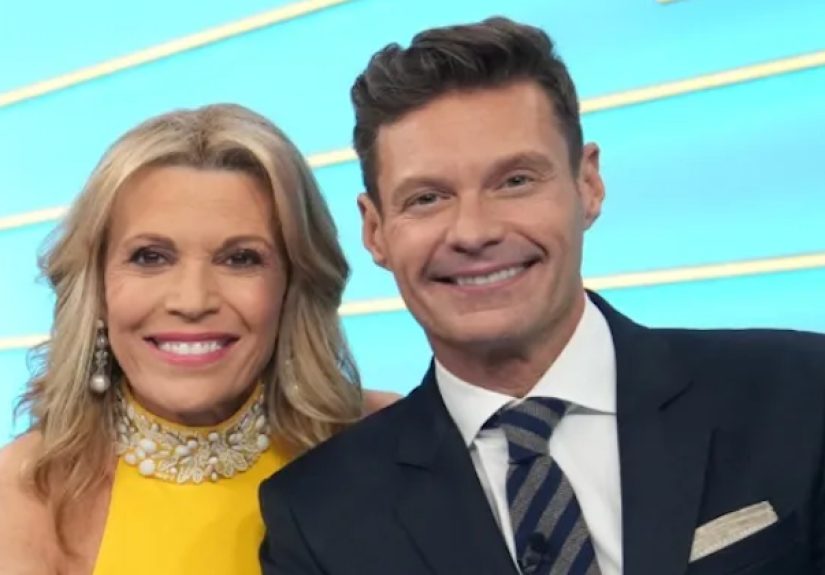
pep rally for consonants. Seacrest and Vanna White walked out together on the refreshed set, arm-in-arm, echoing the familiar
entrance that longtime viewers associate with the show’s rhythm.
Right away, the tone was “respectful continuity,” not “surprise, we’re a totally different program now.” Seacrest told Vanna,
“Let’s have fun,” which is both a friendly promise and also what every teacher says five seconds before handing out a pop quiz.
In his opening remarks, he framed the job as a lifelong dream and acknowledged he had “big shoes to fill”the television equivalent
of showing up to Thanksgiving dinner and complimenting Grandma’s stuffing before touching anything on the table.
Vanna’s welcome mattered more than people expected
One of the sneakily smart choices of the night: Vanna White had the first words. In an era where viewers can smell a forced
rebrand from three channels away, letting the show’s most enduring on-camera presence lead the welcome signaled stability.
Translation: the puzzle board still has its queen, and the kingdom is not on fire.
A new set, a familiar game, and one very corporate twist
The show’s biggest visible change was the setbrighter, sleeker, and more “game show in 2024” than “cozy living room ritual.”
The gameplay, however, stayed classic: toss-ups, prize puzzles, bankrupt threats, and the ongoing tradition of viewers yelling
“BUY A VOWEL!” at contestants who are absolutely not able to hear them (but deserve the feedback anyway).
And then there was a moment that instantly became a fan conversation starter: the bonus round letter lineup, traditionally
RSTLNE, got a sponsor-flavored remix. The show worked in an “LG” elementbasically the first time America’s most famous letters
had to share the stage with a brand name. Some viewers chuckled; some blinked twice like they’d just seen their dad dab at a wedding.
Either way, it was memorable, and on premiere night, “memorable” is a feature.
The Notes From Wheel Watchers: Praise, Side-Eye, and “Please Fix That Lighting”
What fans liked: energy without chaos
A lot of viewers came in braced for whiplash. Instead, Seacrest delivered a steady, upbeat performancewarm with contestants,
clear with rules, and noticeably focused on keeping the game moving. For a first episode, that’s the golden standard: don’t trip,
don’t reinvent the wheel (literally), and don’t make it about yourself.
Fans who enjoyed the premiere tended to praise the “he fits in” factor: he sounded comfortable, he treated Vanna like the institution
she is, and he let contestants remain the main characters of the half hour. That’s important on Wheel, because the true star
isn’t the hostit’s the moment someone confidently solves a puzzle that the entire country solved three minutes ago.
What fans flagged: the set is doing the most
If there’s one “note” that popped up over and over, it wasn’t about Seacrest’s hosting. It was about the set. Some fans found the new
look “dizzying,” “distracting,” or just plain too busylike the stage design briefly forgot the show is about letters, not lasers.
Viewers described getting headaches or struggling to focus when background elements moved or flashed in ways that pulled attention away
from the puzzle board.
That feedback is more valuable than it sounds. Wheel of Fortune is a show people half-watch while making dinner, helping with homework,
or arguing with their cousin about whether “Y” is a vowel (emotionally, yes). If the set demands full attention, it conflicts with how the
audience actually uses the show: as a daily ritual you can drop into and still play along.
What fans want less of: extra chatter (but not the good kind)
Some longtime watchers prefer the show’s classic pacingquick intros, quick spins, quick puzzle reveals. When a new host arrives, even a few extra seconds
of commentary can feel like a structural change. Fans who offered critique weren’t saying Seacrest was bad; they were saying, “You’re doing finejust don’t
slow down my 7:30 routine.”
This is where Wheel fandom is wonderfully specific: people don’t merely have opinions. They have timing preferences. They can sense an extra pause
the way bakers sense the oven temperature. The most common “note” here is simple: keep the game moving, but don’t rush contestants when they’re actually
doing the fun part (solving).
The Pat Sajak factor: nostalgia is loud, but not always negative
Whether viewers loved the premiere or nitpicked it, Pat Sajak’s long tenure still sits in the room like a beloved family photo on the mantel. Seacrest’s debut
inevitably triggered comparisons, but many fans seemed to understand the stakes: no one is “replacing” decades of familiarity; they’re taking the next shift
in a show that’s built to outlive all of us and probably the alphabet itself.
The healthiest fan reactions sounded like: “I miss Pat, but I’ll give Ryan time.” The spiciest sounded like: “I miss Pat, and I’m going to write a 12-tweet thread
about how the applause breaks are 0.4 seconds longer.” Both are forms of love. One is just louder.
Why the Transition Matters (and Why It’s Working So Far)
Because Wheel is comfort TVand comfort is personal
Wheel of Fortune isn’t just a show people watch. It’s a habit people keep. That’s why host changes in long-running franchises feel like someone rearranged
your kitchen drawers. Technically fine. Emotionally unsettling. The premiere largely respected that emotional reality by staying recognizable: same format, same cadence,
same Vanna, same “I can’t believe they didn’t guess that” moments.
Ratings suggest curiosity turned into real viewership
For all the online debate, the numbers showed viewers showed up. Reports tied to Nielsen tracking indicated a strong audience for Seacrest’s premiere and a sizable premiere-week
performance, with the show also posting robust averages across the early weeks of his run. That matters because it signals something beyond curiosity: people didn’t just tune in
to judge; many stayed because it still felt like Wheel.
Seacrest’s prep was intense in the most Wheel way possible
One reason the first episode didn’t wobble: Seacrest reportedly prepared like the job came with a final exam. Coverage described him studying the show’s rulebook, watching
Pat Sajak-era episodes, and even practicing gameplay scenarios off-setessentially turning his life into a traveling Wheel study hall.
That kind of preparation shows up on camera as calm confidence. And for fans, confidence is reassuring. They don’t need a host who’s “new and quirky.” They need a host who
can keep the show’s engine running while making contestants feel celebrated, not processed.
What Fans Want Next: Small Tweaks, Not a Full Reboot
1) Tone down the visual “spin” behind the spin
If the show wants the easiest win imaginable, it’s this: soften the set’s busyness. Fans aren’t asking to return to 1989 beige carpeting; they’re asking for fewer elements
that steal focus from the puzzle. Wheel is basically a thinking game. Anything that interrupts thinkinglike a background that looks ready to DJ a nightclubwill
get feedback.
2) Keep intros warm, but let contestants breathe
Viewers like Seacrest’s friendliness. They also like when the game keeps moving. The sweet spot is simple: short, sincere chats that highlight contestants without turning their
fun facts into a separate program. Think “sprinkle,” not “spin-off.”
3) Keep leaning into Vanna as the show’s anchor
If Seacrest is the new driver, Vanna is the GPS that’s been updated for 40+ years. Fans respond well when her role feels centralnot just as a co-host, but as the living bridge
between eras. When she looks comfortable, the audience relaxes.
FAQ: Quick Answers Fans Keep Googling
When did Ryan Seacrest debut as the host of Wheel of Fortune?
Seacrest’s first episode aired in September 2024, launching the show’s next season with him as host.
When was Pat Sajak’s final episode?
Pat Sajak’s farewell episode aired in June 2024, closing out his historic run and setting the stage for the transition.
Did the rules change?
Not in any major way. The strongest theme of the premiere was continuity: same game, same structure, modernized look. The “notes” fans shared focused far more on presentation
(especially the set) than on the core mechanics of the show.
Conclusion: One New Host, a Million Tiny Viewer Opinions
Ryan Seacrest’s Wheel of Fortune debut landed the way successful transitions usually do: with a respectful tone, a familiar structure, and enough personality to feel
current without feeling disruptive. Fans offered praise, surebut they also did what Wheel fans do best: provided extremely actionable notes, delivered with the intensity
of people defending their favorite diner booth.
The big takeaway from premiere night is surprisingly comforting: the audience isn’t demanding a new show. They’re defending the one they already love. If the production team listens
to the clearest feedbackespecially about the setand if Seacrest keeps settling into the role without forcing a reinvention, this era has a real chance to become its own long-running,
warm-and-familiar chapter. In other words: the wheel is still spinning. People are still yelling at the TV. Nature is healing.
Extra: Real-World Viewer Experiences That Make This Host Change Hit Different (About )
The funniest part about a Wheel of Fortune host transition is realizing how many households treat the show like a member of the family. Not “Oh, we watch it sometimes.”
More like: “We don’t schedule dinners during the bonus round.” For decades, millions of viewers experienced Wheel the same waysame music cue, same rhythm, same host
who felt like he’d always been there. So when Ryan Seacrest debuted, people didn’t merely evaluate a performance; they measured whether their daily ritual still felt like home.
If you’ve ever watched Wheel with other people, you know it becomes a sport. Someone always claims they solved the puzzle first (conveniently, right before anyone else says it).
Someone becomes the unofficial vowel manager (“BUY ONE! BUY ONE NOW!”). Someone insists the contestant should spin again even when every wheel watcher knows the next stop is BANKRUPT.
That group energy is why fans notice tiny changes. A slightly longer pause? That’s time the living-room panel could have used to argue about whether “PH” counts as one letter.
Then there’s the multigenerational factor. Many viewers didn’t start watching because they sought out a word puzzle show; they started because a parent or grandparent had it on.
It’s the rare series where a kid learns letters, a teenager learns sarcasm (“Bold choice, Bob”), and an adult learns that the phrase “Before & After” can activate a competitive
instinct they didn’t know they had. When fans say they “miss Pat,” they’re often describing more than a hostthey’re describing the feeling of watching with people who might not even be
in the room anymore.
That’s why Seacrest’s safest movekeeping things familiaralso feels emotionally smart. Viewers don’t want to be yanked out of the ritual. They want the ritual to continue with a slightly
different voice. In that context, fan “notes” start making sense. Complaints about the set being too flashy aren’t just aesthetic gripes; they’re a request to preserve the show’s cozy
usability. If the background is distracting, the experience changes. It stops being a “play along while you fold laundry” show and becomes a “wait, what just flashed behind the puzzle?”
show. And nobody wants to fold laundry and feel like they’re at a concert.
Finally, the social media era has turned premiere nights into live, rolling reviews. Fans now watch with one eye on the puzzle and one eye on the group chat. Jokes spread instantly:
“RSTLNE got a sponsor!” “The set is doing cardio!” “Ryan’s giving first-day-of-school energy!” These reactions can sound petty, but they’re actually proof the audience is engaged.
People don’t nitpick shows they’ve stopped caring about. They nitpick the ones they’ve invited into their living rooms for years.
So if you’re wondering whether the Ryan Seacrest era can last, the viewer experience suggests a hopeful answer: the ritual is intact. Fans are watching. Fans are talking. Fans are
leaving notes. And in Wheel of Fortune language, that’s basically the best sign you can get without landing on the million-dollar wedge.