Table of Contents >> Show >> Hide
- Why Ugg Boots Get Smelly (So You Can Beat the Problem, Not Just Perfume It)
- Before You Deodorize: Do This 2-Minute “Boot Smell Check”
- The Golden Rule: Dry Ugg Boots the Safe Way
- Easy & Effective Ways to Deodorize Ugg Boots
- Method 1: Baking Soda “Overnight Reset” (Simple, Cheap, Powerful)
- Method 2: Tea Bags + Baking Soda Sachet (Odor Control That Smells Like “I Have My Life Together”)
- Method 3: Activated Charcoal (Best for Stubborn Odor, Minimal Mess)
- Method 4: Cedar Shoe Trees or Cedar Sachets (Odor + Moisture Control, Plus “Fancy Closet” Vibes)
- Method 5: Swap or Refresh the Insoles (Often the Fastest Win)
- Method 6: A Light Disinfecting Spritz (Use Carefully)
- Method 7: Vodka Spritz (Yes, Really)
- Method 8: Bar Soap or Dryer Sheets (Fast “Smell Upgrade,” Not a Deep Fix)
- Method 9: Deep Clean (When Deodorizing Alone Isn’t Enough)
- How to Keep Ugg Boots From Smelling Again (Prevention That Actually Works)
- Troubleshooting: When Boot Odor Won’t Quit
- Real-World Experiences: What Actually Works (and What People Learn the Hard Way)
- 1) The Daily Commuter Who Wears Uggs Like They’re a Personality Trait
- 2) The Snow-Day Hero Who “Just Dried Them by the Heater for a Minute”
- 3) The Sockless Cozy-Lover (Aka, “I Regret Nothing… Except the Smell”)
- 4) The Gym-Bag Incident (When the Boots Absorb the Funk of Everything Nearby)
- 5) The “Why Does This Keep Coming Back?” Mystery
- Conclusion
UGG boots are basically a warm hug for your feet. Unfortunately, warmth + sweat + limited airflow can also turn that hug into…
a hug from a locker room. If your Ugg boots smell funky, you’re not aloneand you don’t need to panic-buy a new pair or
start blaming the family dog.
The good news: most boot odor comes from moisture-loving bacteria (and sometimes yeast/fungus) throwing a tiny party inside the
lining. The fix is usually a two-step combo: dry the boots properly, then neutralize or absorb the odor.
Below are safe, practical methods that work well for sheepskin-lined boots, plus prevention tips so you don’t have to keep repeating
the “stinky boot era” every winter.
Why Ugg Boots Get Smelly (So You Can Beat the Problem, Not Just Perfume It)
Boot odor is rarely “mystical.” It’s usually one (or more) of these:
- Moisture trapped inside (sweat, rain/snow, humid closets).
- Bacteria feeding on sweat and skin cells and producing smelly byproducts.
- Old insoles that hold onto odor like it’s their full-time job.
- Not enough dry time between wears (UGGs worn daily often never fully air out).
- Foot issues (excess sweating, athlete’s foot, or persistent odor that follows you from shoe to shoe).
Before You Deodorize: Do This 2-Minute “Boot Smell Check”
1) Is the boot damp?
If the lining feels damp (or even just “not totally dry”), start with drying. Deodorizing a damp boot is like spraying air freshener
in a garbage can and calling it “interior design.”
2) Is the odor sour/musty?
A sour or musty smell can mean heavier bacterial buildup or mildew. That doesn’t mean your boots are doomedit just means you may
need a deeper clean and a longer dry.
3) Is the smell strongest in the insole area?
Greatthis is often the easiest fix: remove/replace insoles, or deodorize them separately.
The Golden Rule: Dry Ugg Boots the Safe Way
Ugg-style sheepskin and suede don’t love heat. High heat can shrink, stiffen, warp, or damage the materials (and ruin that cozy feel).
The safest approach is slow, natural drying with airflow.
Safe drying steps
- Open them up: loosen the opening and pull the tongue/shaft open as much as possible.
- Stuff with paper: use clean paper to help absorb moisture and hold shape. Replace paper if it gets damp.
- Air dry in a cool, ventilated spot: think “breezy room,” not “next to the heater.”
- Wait patiently: give them a full day if they’re damp. (Yes, your boots need a rest day too.)
What not to do
- Don’t use a hair dryer or place them on/near a heater.
- Don’t bake them in direct, hot sunlight for hours.
- Don’t toss them in a washing machine or dryer unless the brand specifically says your exact pair is machine-safe (many aren’t).
Easy & Effective Ways to Deodorize Ugg Boots
Choose the method that matches your situation. If your boots are mildly stinky, start with absorbents. If the odor is intense or keeps
coming back, add a deeper clean and prevention steps.
Method 1: Baking Soda “Overnight Reset” (Simple, Cheap, Powerful)
Baking soda absorbs odors and helps reduce that funky “closed-boot atmosphere.” It’s one of the most reliable first moves.
- Make sure boots are fully dry.
- Sprinkle 1–2 tablespoons of baking soda into each boot (aim for the footbed area).
- Optional: add 1 tablespoon cornstarch for extra moisture absorption.
- Leave overnight (8–24 hours).
- Shake out thoroughly. Use a vacuum hose on low suction if needed.
Pro tip: Worried about residue? Put the baking soda mix into a thin sock, tie it off, and drop the sock “sachet” into the boot.
Same deodorizing power, less cleanup.
Method 2: Tea Bags + Baking Soda Sachet (Odor Control That Smells Like “I Have My Life Together”)
Dry black tea bags can help absorb moisture and add a mild, earthy scent. Combine them with baking soda for a strong one-two punch.
- Drop 2–3 dry black tea bags into each boot.
- Add a small sachet (or sock) filled with baking soda into each boot.
- Leave in a ventilated area overnight.
- Remove everything before wearing (unless you want “crunchy tea foot”).
Method 3: Activated Charcoal (Best for Stubborn Odor, Minimal Mess)
Activated charcoal is excellent at trapping odors. It’s also low-drama: no powder dust storms if you use charcoal deodorizer bags.
- Place a charcoal deodorizer bag inside each boot.
- Leave 24–72 hours depending on odor strength.
- Recharge charcoal bags occasionally (follow product directionsmany are refreshed by sunlight exposure, away from the boots).
Method 4: Cedar Shoe Trees or Cedar Sachets (Odor + Moisture Control, Plus “Fancy Closet” Vibes)
Cedar helps reduce moisture and leaves a clean, woody scent. It’s not the strongest “odor eraser,” but it’s fantastic for maintenance.
- Use cedar shoe trees if your boot opening allows it.
- Or use cedar sachets/chips in a breathable pouch overnight.
Method 5: Swap or Refresh the Insoles (Often the Fastest Win)
If the smell is concentrated at the bottom, your insoles may be the main culprit. Replacing insoles can instantly reduce odor and
improve comfortespecially if the boots are older or worn daily.
- If the insoles are removable: take them out and deodorize them separately (baking soda or charcoal bags work well).
- If they’re worn down or permanently funky: replace them. Odor-resistant or charcoal-infused insoles can help.
Method 6: A Light Disinfecting Spritz (Use Carefully)
Sometimes odor persists because bacteria are thriving. A light disinfecting approach can helpbut be gentle with sheepskin.
Always do a small spot test first, and avoid soaking the lining.
Option A: Brand-specific freshener (lowest risk)
If you use a sheepskin-safe freshener designed for these boots, follow the product directions and allow a full dry time afterward.
Option B: Rubbing alcohol (quick-dry) or diluted vinegar (odor neutralizer)
For a DIY route, use one of these approaches lightly:
- Rubbing alcohol: mist a tiny amount inside (or dampen a cloth and wipe the interior). Alcohol evaporates quickly.
- Diluted vinegar: mix 1:1 vinegar and water, then lightly mist the interior and air dry completely.
Important: Less is more. You’re aiming to reduce microbes without saturating the lining.
Method 7: Vodka Spritz (Yes, Really)
Plain vodka can act like a mild deodorizing spray because it evaporates and can reduce odor-causing bacteria. Use a light mist and let it
dry fully overnight. (Save the fancy vodka for cocktails. Your boots do not need “small-batch artisanal.”)
Method 8: Bar Soap or Dryer Sheets (Fast “Smell Upgrade,” Not a Deep Fix)
These are great when you need quick improvement before a trip, date, or office day where you may remove shoes.
- Bar soap: place a dry bar inside each boot overnight to absorb odors.
- Dryer sheets: tuck one into each boot overnight for a fresher scent (less moisture control than other methods).
Method 9: Deep Clean (When Deodorizing Alone Isn’t Enough)
If odor comes with grime, salt stains, or that “winter boot funk,” a deep clean helps because you’re removing the buildup that feeds odor.
For sheepskin/suede, follow care instructions specific to your boot type. The general idea:
- Dampen the surface evenly (don’t soak).
- Use a cleaner designed for sheepskin/suede.
- Rinse carefully if directed.
- Stuff with paper to hold shape and dry slowly with airflow.
- Brush suede nap when fully dry.
After a deep clean and full dry, add a deodorizing step (baking soda sachets or charcoal) to keep things fresh.
How to Keep Ugg Boots From Smelling Again (Prevention That Actually Works)
Rotate your footwear
Wearing the same boots daily doesn’t give the lining enough time to dry out. Alternate pairs if you caneven every other day helps.
Wear socks (even thin ones)
Bare feet in sheepskin feels amazing… until the oils and sweat build up. A thin moisture-wicking sock can dramatically cut odor and extend
boot freshness.
Dry after each wear
After taking boots off, open them up and let them air out. If you can, remove the insoles to speed drying.
Use a “maintenance deodorizer”
Charcoal bags or cedar sachets stored inside the boots (when you’re not wearing them) can prevent odor from building up in the first place.
Mind your feet
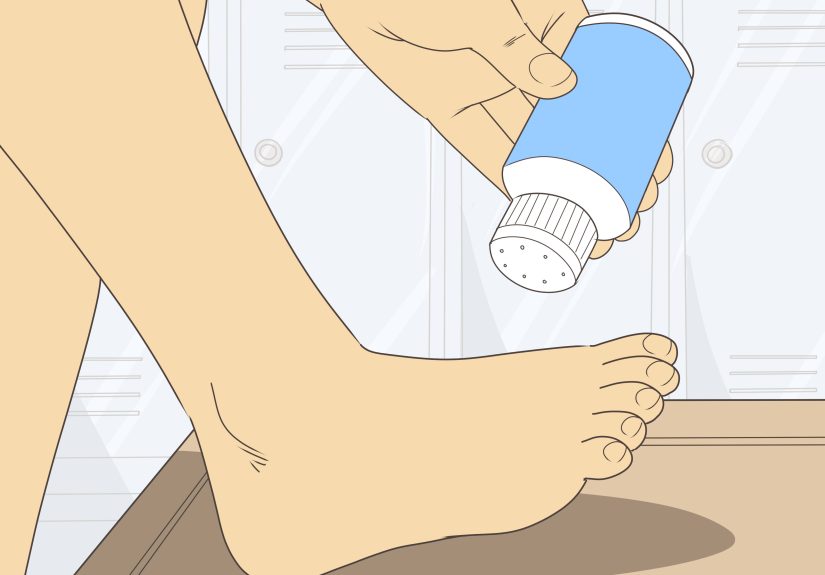
If odor follows you from shoe to shoe, focus on foot hygiene and sweat control: wash and dry feet well, change socks if damp, use foot powder,
and consider medical advice if sweating is excessive or odor is persistent.
Troubleshooting: When Boot Odor Won’t Quit
If the smell is “musty basement” strong
That can hint at mildew. Do a deep clean (as appropriate for your boot type), dry thoroughly, then use charcoal bags for 2–3 days.
Store boots in a dry, ventilated space (not sealed in a plastic bin while damp).
If the odor returns within a day
That usually means moisture is still present or the insoles/footbed are holding odor. Replace insoles, rotate wear days, and use an overnight
deodorizer routinely for a week.
If your feet smell even after washing
Consider the possibility of athlete’s foot or another skin issue. Persistent odor with itching, peeling, or irritation deserves a chat with a healthcare professional.
Real-World Experiences: What Actually Works (and What People Learn the Hard Way)
Deodorizing Ugg boots isn’t just about “the best method.” It’s about matching the method to the lifestyle that created the smell.
Here are some realistic, boots-on-the-ground scenariosand what tends to work in each.
1) The Daily Commuter Who Wears Uggs Like They’re a Personality Trait
This is the person who wears the same pair Monday through Sunday because “they go with everything” and “life is short.” The odor usually isn’t
from one dramatic incidentit’s from never fully drying. In this case, baking soda helps, but the real game-changer is rotation.
People who add one simple habitairing boots out with the shafts open and dropping charcoal bags in overnightoften report the smell drops fast.
The funny part: they swear the charcoal is “magic.” It’s not magic; it’s just not letting bacteria have a spa day in a damp boot.
2) The Snow-Day Hero Who “Just Dried Them by the Heater for a Minute”
After slushy sidewalks, the boots smell weird, and the owner tries to speed-run drying with heat. The result? The smell might improve for a day,
but the boots can stiffen, and that cozy lining can start feeling sad. The experience most people have here is a lesson in patience:
slow drying + paper stuffing works better than heat. Once the boots are properly dry, a tea-bag-and-baking-soda combo overnight usually turns
“wet dog vibes” into “neutral human footwear” again.
3) The Sockless Cozy-Lover (Aka, “I Regret Nothing… Except the Smell”)
No socks feels amazing, but it can accelerate odor buildup because sweat and skin oils go straight into the lining. The best results here tend to be:
deep clean (if needed), then a consistent maintenance routine. People who switch to ultra-thin moisture-wicking socks (not thick winter socksjust a light layer)
often say they still get comfort but way less odor. And yes, they mourn sockless freedom for about 45 minutes, then move on.
4) The Gym-Bag Incident (When the Boots Absorb the Funk of Everything Nearby)
Sometimes the boots aren’t the original sourcemaybe they sat next to damp gear, got stored in a closed bag, or lived in a car trunk. In these cases,
odor absorbers shine. Activated charcoal for 48–72 hours is a favorite because it’s clean and effective. If the smell is stubborn, people often add a
light disinfecting spritz (very minimal!) and let the boots air dry fully. The key takeaway from this experience: storage matters. Boots need airflow,
not a sealed “scent terrarium.”
5) The “Why Does This Keep Coming Back?” Mystery
When odor keeps returning, the common culprit is the insole area. Replacing insoles feels almost too easyuntil you do it and realize the smell was
living there like it pays rent. Many people find that new insoles + alternating wear days + a weekly baking soda sachet routine solves the cycle.
And if foot odor is persistent across multiple shoes, the most helpful “experience-based” advice is to shift attention to foot care: dry feet, clean socks,
and breathable materials. Boots can’t stay fresh if they’re reintroduced to the same moisture-and-bacteria setup every day.
Conclusion
To deodorize Ugg boots effectively, focus on the basics that work: dry them safely, use odor absorbers like baking soda,
tea bags, or charcoal, and prevent repeat stink with airflow, rotation, socks, and insole care. Most odors improve dramatically within
24–72 hours once moisture is under control. And if your boots still smell after multiple rounds, it’s usually a sign you need a deeper clean, new insoles,
or a foot-hygiene upgradenot a boot funeral.