Table of Contents >> Show >> Hide
- What “Seasonal” Really Means (And Why It Works)
- Quick Seasonal Cheat Sheet
- How to Cook Seasonally Without Becoming a Spreadsheet Person
- Spring Seasonal Recipes
- Summer Seasonal Recipes
- Fall Seasonal Recipes
- Winter Seasonal Recipes
- Seasonal Recipe Templates You Can Remix All Year
- Smart Shopping and Storage: Make Peak Produce Last
- Common Seasonal Cooking Myths
- Conclusion
- Kitchen Experiences: What Seasonal Cooking Feels Like ( of Real-Life Energy)
- SEO Tags
If you’ve ever bought a pint of strawberries in January and wondered why they taste like a mildly sweet apology,
you already understand the mission behind seasonal recipes.
Cooking with what’s in season isn’t foodie gatekeepingit’s just the shortest route to better flavor, better texture,
and fewer “why is this tomato crunchy?” moments.
Seasonal cooking also makes menu planning easier: instead of inventing dinner from scratch every night,
you’re basically working with a rotating cast of ingredients that show up when they’re at their best.
You don’t need a farm, a sourdough starter named Gerald, or a tote bag that says “I ferment” to pull this off.
You just need a few smart patterns and a willingness to let the calendar do some of the decision-making.
What “Seasonal” Really Means (And Why It Works)
In the U.S., “in season” usually means produce is being harvested closer to home and at peak ripeness,
which tends to translate to more flavor and often better prices. Seasonality varies by region (hello, Florida citrus,
California strawberries, Pacific Northwest berries), but the broader rhythm stays pretty consistent:
spring greens, summer abundance, fall harvest, and winter comfort.
One important sanity-saving detail: seasonal cooking isn’t limited to “fresh-from-the-field-only.”
Frozen, canned, and dried fruits and vegetables can absolutely be part of the planespecially in winter,
or when you’re trying to eat well on a real-world schedule. Think of them as your backup singers:
not always center stage, but they make the whole show better.
Quick Seasonal Cheat Sheet
Use this as a starting point, not a rulebook. Weather and growing conditions shift. Your grocery store’s supply chain shifts.
Your mood shifts. The goal is to cook delicious food, not to win the Olympics of seasonal purity.
| Season | Flavor Mood | Typical Stars | Go-To Techniques |
|---|---|---|---|
| Spring | Bright, green, fresh | Asparagus, peas, radishes, herbs, greens | Quick sautés, blanched salads, lemony sauces |
| Summer | Juicy, sunny, high-impact | Tomatoes, corn, zucchini, berries, peaches | Grilling, no-cook meals, quick broiling |
| Fall | Toasty, cozy, savory-sweet | Apples, squash, mushrooms, sweet potatoes | Roasting, braising, baking, sheet-pan dinners |
| Winter | Comforting, hearty, citrusy | Root veg, cabbage, beans, winter squash, citrus | Soups, stews, slow roasts, pantry-forward cooking |
How to Cook Seasonally Without Becoming a Spreadsheet Person
Seasonal meal planning gets dramatically easier if you stop thinking in terms of “recipes” and start thinking in terms of
building blocks: a seasonal produce star + a protein (or legumes) + a carb base (or not) + a punchy sauce.
That’s it. That’s the whole magic trick. The rest is just vibes and salt.
- Pick 1–2 seasonal produce items for the week (e.g., asparagus + peas in spring; tomatoes + corn in summer).
- Choose a cooking method that matches the weather (grill when it’s hot; roast when it’s chilly).
- Repeat sauces, not meals: lemon vinaigrette, tahini dressing, pesto, salsa verde, yogurt sauce.
- Lean on your pantry: canned beans, pasta, rice, broth, spices, canned tomatoes, frozen veg.
Bonus: this approach naturally supports variety. When the produce changes, dinner changeswithout you having to reinvent
your entire personality every Tuesday at 5:47 p.m.
Spring Seasonal Recipes
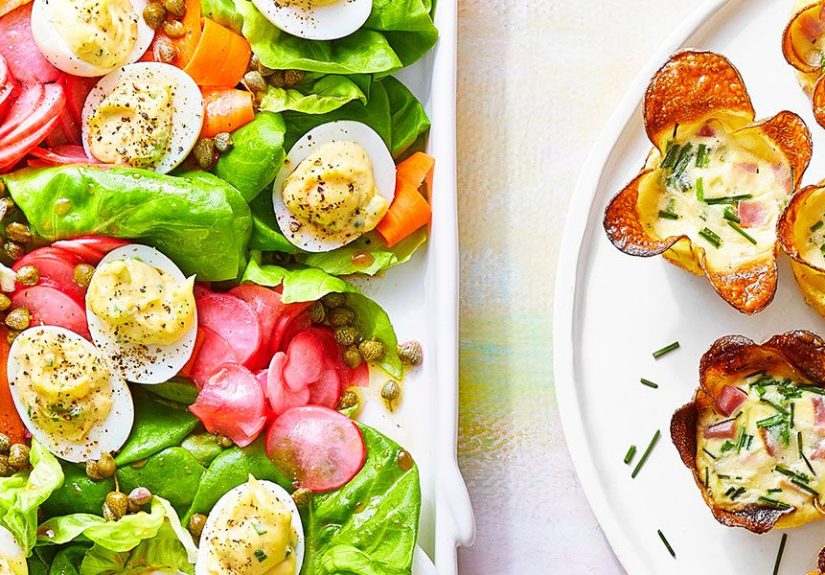
Spring cooking feels like opening a window after a long winter: sharper flavors, tender textures, and lots of green.
It’s also the season where simple prep shines. Overcooking spring vegetables is a crime of enthusiasm. Keep it quick.
Spring ingredients to look for
Asparagus, peas, radishes, spring onions, leafy greens, artichokes (depending on region), fresh herbs, strawberries later in spring.
Spring recipe ideas (with real-life shortcuts)
-
Asparagus + Egg “Fancy Toast”:
Sauté asparagus with olive oil and a pinch of salt, pile onto toast, top with a jammy egg.
Finish with lemon zest and pepper. It’s brunch energy on a weeknight budget. -
Pea & Herb Pasta:
Toss hot pasta with peas (frozen works), lemon juice, Parmesan, mint or basil, and a little pasta water.
Add crispy breadcrumbs if you want “restaurant crunch” without restaurant prices. -
Radish Butter + Roast Chicken or Salmon:
Mix softened butter with chopped radishes, chives, and salt.
Melt it over roasted chicken thighs or pan-seared salmon for instant spring flavor. -
Big Green Salad That Eats Like Dinner:
Greens + shaved carrots + cucumbers + a protein (rotisserie chicken, tuna, chickpeas) + crunchy topping (nuts, croutons).
Dress with a lemon-mustard vinaigrette and call it self-care.
Spring’s secret weapon is acidity. Lemon, vinegar, and tangy cheeses wake up mild vegetables fast.
If your spring dish tastes “nice” but not “wow,” add a little acid and a little saltthen taste again.
Summer Seasonal Recipes
Summer is the season of maximum flavor with minimum effortprovided you don’t turn your kitchen into a sauna.
Think grilling, quick broiling, no-cook sauces, and meals that feel like a vacation even if you’re eating them in front of your laptop.
Summer ingredients to look for
Tomatoes, corn, zucchini, cucumbers, peppers, eggplant, basil, stone fruit (peaches, plums), berries, melons.
Summer recipe ideas that won’t melt you
-
Tomato “No-Cook” Sauce Pasta:
Chop ripe tomatoes, toss with garlic, olive oil, salt, basil, and a splash of vinegar.
Let it sit while pasta cooks. Combine and top with Parmesan. Summer doing the most with the least. -
Charred Corn Salad:
Grill corn, cut off kernels, toss with lime, jalapeño, cilantro, and cotija (or feta).
Add black beans to make it lunch-worthy. -
Grilled Chicken or Tofu + Peach Salsa:
Dice peaches with red onion, cilantro, lime, and a pinch of salt.
Spoon over grilled protein. Sweet + savory = instant “I planned this” energy. -
Sheet-Pan Shrimp & Summer Veg:
Shrimp + zucchini + cherry tomatoes + olive oil + garlic + chili flakes.
Roast hot and fast. Serve with rice or crusty bread to catch the juices. -
Berry-Forward Dessert Without Baking Drama:
Berries + lightly sweetened whipped cream or yogurt + crushed cookies.
It’s basically a parfait, but say it with confidence and it becomes a “summer finale.”
Summer tip: keep a “cold sauce” in rotationpesto, chimichurri, yogurt-herb sauce, or a simple vinaigrette.
Put it on grilled vegetables, meats, fish, beans, and suddenly your fridge leftovers have a social life.
Fall Seasonal Recipes
Fall is when the produce aisle starts wearing a sweater. Flavors get deeper: squash turns sweet and nutty,
mushrooms get earthy, apples bring tart brightness, and roasting becomes a daily hobby.
This is the season where your oven earns its keep.
Fall ingredients to look for
Apples, pears, pumpkins and winter squash, sweet potatoes, mushrooms, cauliflower, Brussels sprouts, kale, cranberries.
Fall recipe ideas for peak cozy
-
Roasted Squash + Sausage + Greens:
Roast cubed squash until caramelized. Brown sausage. Toss together with sautéed kale and a splash of apple cider vinegar.
It tastes like October had a plan. -
Mushroom “Anything” Sauce:
Sauté mushrooms and onions until deeply browned, add broth and a splash of wine (or vinegar), simmer, finish with butter.
Serve over pasta, chicken, or mashed potatoes. Minimal ingredients, maximum comfort. -
Apple-Cheddar Salad:
Greens + thin-sliced apple + sharp cheddar + toasted nuts.
Dress with cider vinaigrette. It’s sweet, salty, crunchy, and weirdly addictive. -
One-Pan Pork Chops + Roasted Veg:
Roast Brussels sprouts and sweet potatoes on a sheet pan, then add seasoned pork chops partway through.
Dinner and sides in one movefall efficiency at its finest. -
Low-Stress Fall Baking:
Try an apple crisp instead of a pie if you want big flavor without “why is my crust crying?” issues.
Oats, butter, cinnamon, and apples do not need a pep talk.
Fall flavors love spice and toastiness: cinnamon, nutmeg, smoked paprika, cumin, and browned butter.
Just don’t treat cinnamon like glitter. A little goes a long way unless you’re actively making dessert.
Winter Seasonal Recipes
Winter cooking is about comfort, yesbut it’s also about contrast.
This is where citrus saves the day, cabbage becomes your best friend, and pantry staples stop being “backup food”
and start being “the plan.”
Winter ingredients to look for
Citrus (oranges, grapefruits, lemons), root vegetables (carrots, parsnips, beets), potatoes, cabbage, kale,
winter squash, onions, garlic, dried beans and lentils.
Winter recipe ideas that hit the spot
-
Big-Pot Bean Soup With Greens:
Sauté onion and garlic, add beans (canned or cooked), broth, herbs, and simmer.
Stir in kale at the end. Finish with lemon and olive oil. Simple, filling, and shockingly elegant. -
Roasted Root Veg “Bowl Night”:
Roast carrots, beets, and sweet potatoes until caramelized.
Serve over rice with a tahini-lemon sauce, plus chickpeas or leftover chicken. -
Citrus + Fennel (or Cabbage) Salad:
Slice oranges and toss with shaved fennel or thin cabbage, olive oil, salt, and a tiny splash of vinegar.
It’s bright enough to remind you the sun still exists. -
Sheet-Pan Chicken Thighs + Cabbage:
Roast chicken thighs over wedges of cabbage and onion.
The cabbage soaks up the drippings and becomes the best part. Yes, really. -
“Holiday Energy” Dessert Without the Stress:
Make a simple custard or whipped dessert and serve it with winter citrus segments.
It feels fancy, even if your kitchen is currently full of mail and mystery snacks.
Winter’s flavor upgrades are acid (lemon, vinegar), salt, and texture:
crunchy toasted breadcrumbs, nuts, croutons, or fried onions. If a stew tastes flat, it often needs brightnessnot more simmer time.
Seasonal Recipe Templates You Can Remix All Year
If you want to cook seasonally without collecting 700 bookmarks you’ll never open again, build a small set of “forever” templates.
Swap the seasonal produce, keep the structure. Your future self will feel personally supported.
Template 1: The Sheet-Pan Dinner
Protein + sturdy veg + olive oil + salt + pepper + one “personality” spice (smoked paprika, cumin, Italian herbs).
Roast until done, finish with lemon or a sauce.
Season swaps: spring asparagus; summer peppers/zucchini; fall squash/Brussels; winter roots/cabbage.
Template 2: The Big Salad That Counts as a Meal
Greens + seasonal produce + protein + crunchy topping + bold dressing.
Season swaps: spring radish/peas; summer tomatoes/cucumbers; fall apples/roasted squash; winter citrus/cabbage.
Template 3: The Cozy Pot (Soup/Stew/Chili)
Aromatics (onion/garlic) + seasonal veg + broth + beans/lentils + seasoning.
Finish with acid and fat (lemon + olive oil, or vinegar + butter).
Season swaps: spring peas/greens; summer corn/tomatoes; fall squash; winter roots/beans.
Template 4: The Fruit Dessert That Never Fails
Fruit + a little sugar + a little acid + a topping (oats, crumble, cookie crumbs, or pastry if you’re feeling brave).
Serve warm with something cold (ice cream, yogurt, whipped cream).
Season swaps: spring berries; summer peaches/plums; fall apples/pears; winter citrus in a lighter, chilled format.
Smart Shopping and Storage: Make Peak Produce Last
Seasonal cooking gets cheaper and easier when you reduce food waste. You don’t need a vacuum sealer the size of a carry-on.
A few habits go a long way:
- Buy ripe-and-ready plus one “later” item so not everything peaks on Tuesday night at the same time.
- Store herbs like flowers: trim stems, put in a jar with water, loosely cover, refrigerate (for most herbs).
- Roast a tray of vegetables once and use them all week in bowls, salads, omelets, and wraps.
- Freeze strategically: berries, chopped peppers, corn kernels, spinach, and herbs blended with oil.
- Use canned and frozen as seasonal bridges, especially for tomatoes, corn, peas, and berries.
And if you want one low-effort, high-reward habit: keep lemons (or a reliable vinegar) on hand.
Seasonal food tastes more “alive” when it gets a bright finish.
Common Seasonal Cooking Myths
Myth: “Seasonal recipes are only for farmers’ market people.”
Reality: Grocery stores reflect seasonality tooespecially in pricing and quality. Even if your produce traveled,
it still tends to be better when it’s harvested in-season somewhere closer and handled less.
Myth: “Seasonal cooking is expensive.”
Reality: It can be the opposite. In-season produce is often more affordable, and pantry-forward seasonal templates
(beans, rice, pasta, frozen vegetables) are budget-friendly staples.
Myth: “I have to cook everything from scratch.”
Reality: Rotisserie chicken, bagged greens, canned beans, and frozen veg are valid tools.
Seasonal cooking is about flavor and timing, not about suffering for art.
Conclusion
Seasonal recipes aren’t a strict lifestylethey’re a flexible strategy.
When you cook with ingredients that naturally shine right now, you get better meals with less effort:
crisp spring salads, summery tomato pastas, fall roasts that smell like the weekend, and winter soups that make Tuesday feel survivable.
Start small: pick one seasonal produce “star” this week, choose a method that matches the weather,
and use a sauce you love. Do that a few times and you’ll build a seasonal rhythm that feels easy, flavorful, and honestly…
kind of fun.
Kitchen Experiences: What Seasonal Cooking Feels Like ( of Real-Life Energy)
Seasonal cooking shows up in your life in these tiny, oddly satisfying momentslike realizing you’re buying strawberries
because they smell like strawberries, not because you’re hoping they’ll remember what strawberry is supposed to mean.
It’s less about following a food calendar and more about noticing what your kitchen wants to do right now.
In spring, the experience is basically: “I would like to eat something that tastes like it saw sunlight.”
You bring home asparagus, peas, and a chaotic bundle of herbs you didn’t plan to purchase, and suddenly everything you cook
ends with lemon. Your cutting board is covered in green confetti. Meals feel lighter, sharper, and faster.
Even your weeknight routine changesbecause spring vegetables are at their best when you don’t babysit them.
You blanch, you sauté, you toss, you’re done. It’s the season of “quick, bright, and slightly smug.”
Then summer arrives and your whole cooking personality becomes “keep the stove off.”
You start building dinners that look like you’re hosting a magazine photo shoot, even if you’re eating alone:
tomatoes with salt, corn with lime, a salad with peaches that feels unfairly good.
Summer cooking often turns into a choose-your-own-adventure: grill something, slice something juicy, add a sauce,
and you’re basically a genius. You’ll notice that the best summer meals aren’t complicated
they’re just ingredients that are allowed to taste like themselves.
The experience is equal parts delicious and mildly frantic, because everything is ripening at once.
This is when freezing berries, cutting corn off the cob, or blending herbs into a quick pesto feels like a life skill,
not a chore.
Fall hits and suddenly you want your food to wear a cardigan. The air shifts, and roasting becomes a love language.
You start buying squash with the confidence of someone who has absolutely not considered how heavy squash is.
The kitchen smells like caramelized onions, toasted spices, and apples doing their best work.
Fall cooking feels grounding: sheet-pan dinners, soups that simmer while you do other things, baked desserts that make the house smell like comfort.
It’s also the season of “one more thing” flavorcrunchy nuts on salads, browned butter in sauces, smoked paprika on vegetables.
The experience is cozy, but also creative, because fall ingredients play well with both savory and sweet.
Winter brings the deepest kind of satisfaction: food that holds you together.
You lean harder on pantry staplesbeans, lentils, canned tomatoes, brothand you learn that cabbage is basically
the unsung hero of cold months. A pot of soup becomes a plan for multiple days.
Roasted roots get sweet and rich, and citrus shows up like a bright friend who insists you go outside.
Winter seasonal cooking feels practical in the best way: it’s about warmth, nourishment, and making dinner easier on yourself.
And once you’ve tasted a bowl of bean soup finished with lemon and olive oil, you realize seasonal cooking isn’t restrictive.
It’s freeingbecause it teaches you that the year already comes with a menu. You’re just choosing how to cook it.