Table of Contents >> Show >> Hide
- 1) High Heels
- 2) Pink as a “Feminine” Color (and Pink Clothing)
- 3) Handbags, Pouches, and “Purses”
- 4) Makeup (Especially Eyeliner and Face Powder)
- 5) Wigs and Hairpieces
- 6) Stockings, Tights, and Hose
- 7) Nail Color and the “Manicure” Mindset
- 8) Earrings and “Feminine” Jewelry
- So What’s the Takeaway?
- Real-Life Experiences and Moments That Prove These “Gender Rules” Are Wobbly (Extra 500+ Words)
- Conclusion
If you’ve ever heard someone say, “That’s for girls,” about a fashion or beauty item, history has a polite little cough for them:
a lot of the stuff we label “feminine” today started out as men’s gear, men’s status symbols, or men’s everyday essentials.
In other words, the gender labels on style are less like laws of nature and more like… sticky notes that keep getting moved around.
This isn’t just trivia for party people who enjoy making everyone else say, “Wait, what?” It’s also a useful reminder for modern life:
tastes shift, marketing shifts, and social rules shiftoften faster than hemlines. Below are eight items that read “very feminine” in today’s
mainstream culture, but have deep roots in men’s wardrobes, grooming routines, and power plays.
1) High Heels
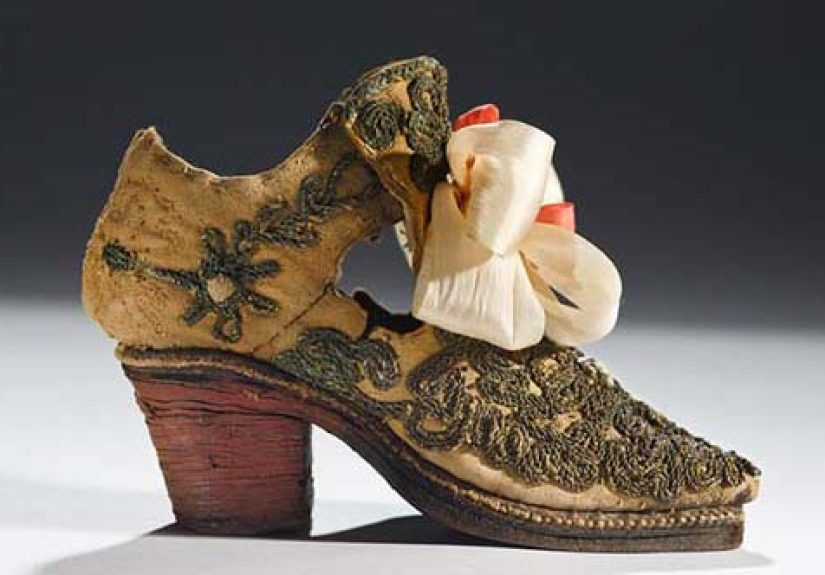
High heels didn’t begin as a “date night” accessory. They began as a “don’t-fall-off-your-horse-while-you’re-doing-dangerous-things” accessory.
One of the most cited origins ties heels to Persian cavalry, where a raised heel helped riders stay secure in stirrups while standing and aiming.
Practical, athletic, anddepending on the dayvery intimidating.
How heels became a men’s status symbol
Once heels showed up in Europe, they gained a second job: broadcasting rank. Being able to ride horses, afford tailored shoes, and stroll around
without doing manual labor was the whole point. Heels became associated with wealth and authorityespecially among elite menlong before they
became culturally coded as “women’s shoes.”
How the gender flip happened
Over time, as men’s fashion moved toward simpler silhouettes (and as social ideas about masculinity narrowed), heels migrated into women’s fashion
and stayed thereat least in the mainstream. But the original “heel energy” wasn’t femininity. It was function plus flex.
2) Pink as a “Feminine” Color (and Pink Clothing)
Today, pink is treated like it arrived in a gift bag labeled “For Girls Only.” Historically, that’s not how it worked. In the early 20th century,
there were prominent sources in the U.S. describing pink as appropriatesometimes even preferablefor boys, often framed as the “stronger” or more
“decided” color, while blue was cast as delicate.
So what changed?
Mass marketing, retail standardization, and shifting cultural ideas about gender roles helped lock in the modern “pink for girls, blue for boys”
rule. Once big industries standardize somethingbaby clothes, toys, greeting cardsit can feel like it was always true. But this “truth” is more
habit than heritage.
The bigger point: if an entire color can switch teams, maybe we can all relax a little about who’s “allowed” to wear what.
3) Handbags, Pouches, and “Purses”
If someone calls a bag a “man purse” like it’s a groundbreaking invention, history is going to ask them to please sit down. For centuries,
men carried pouches, satchels, and small bags because clothing didn’t always come with roomy pocketsand because you still needed to carry money,
seals, tools, or personal items.
Why bags became “feminine” later
As men’s clothing evolved to include more structured pockets and women’s clothing often shifted toward sleeker lines (less pocket-friendly, more
silhouette-friendly), the bag became increasingly essential for women. Over time, handbags grew into a major fashion category, tied to style,
independence, and identity.
Ironically, modern life has pushed men back toward bags againbecause phones are basically pocket-sized computers and modern pockets are not always
up to the challenge.
4) Makeup (Especially Eyeliner and Face Powder)
Makeup history is full of menbecause makeup wasn’t originally framed as “women’s beauty.” In many cultures, cosmetics were connected to ritual,
health, class, and presentation. Ancient Egyptian men, for example, commonly used eye cosmetics like kohl, and the reasons weren’t only aesthetic:
people associated these products with protection and symbolism, too.
Makeup as power, not just prettiness
Fast-forward to European courts, and cosmeticspowders, rouges, grooming productsplayed a starring role in elite male fashion. Appearance signaled
status. Looking “natural” wasn’t the goal; looking important was.
How makeup got gender-boxed
In the 1800s, especially in Victorian-influenced norms, visible cosmetics were increasingly treated as improper in polite society, and beauty
practices were pushed toward women. Once a culture decides something is “proper,” it doesn’t just become a preferenceit becomes a rule people use
to judge each other. And that’s how a long, shared history can get rewritten as “women’s stuff.”
5) Wigs and Hairpieces
Wigs feel dramatic todaylike something you wear when you want to become a new person, attend a costume party, or star in a music video.
Historically, wigs were also a very practical solution for hair loss, hygiene concerns, and social fashion.
Men made wigs mainstream
In 17th- and 18th-century Europe, wigs became a major male status marker, especially among elites and officials. The point wasn’t subtlety. The point
was: “Observe my importance from across the room.”
Once again, the gender association shifted over time. But it’s worth noting: the “big hair = big deal” logic wasn’t invented by modern influencers.
It was alive and well centuries agopowder included.
6) Stockings, Tights, and Hose
In today’s fashion mindset, hosiery is often filed under “women’s clothing drawer.” Historically, leg coverings were a core part of men’s dress in
Europe for centuriesespecially in eras when tunics, doublets, and shorter garments made fitted legwear both practical and stylish.
Why men wore them
Warmth, protection, and fashion. Tailored hose also showed off the leg, which was not considered embarrassingquite the opposite. In some contexts,
a well-dressed male leg was a sign of refinement and social standing.
How hosiery moved categories
As men’s fashion shifted toward trousers and breeches, hosiery gradually became less central for men and more strongly associated with women,
especially as modern women’s fashion and formalwear evolved.
7) Nail Color and the “Manicure” Mindset
Nail color reads as ultra-modern and trendy when men do it todaylike a bold statement or celebrity experiment. But coloring and decorating nails has
a deep history, and men show up early in that timeline. Even in ancient contexts, nail color could communicate rank, identity, or purpose.
From symbolism to self-expression
What’s changed is less the act itself and more the social reaction. Modern culture often treats grooming as “extra” for men, even though grooming has
long been tied to status, professionalism, and community identity. Today’s version just has better lighting and more top coats.
8) Earrings and “Feminine” Jewelry
Earringsespecially pearls or delicate stylesare often treated as feminine accessories in mainstream Western fashion. Historically, men across many
cultures wore jewelry, including earrings, as symbols of wealth, status, and style. In certain eras (including well-documented moments in early modern
Europe), men’s earrings weren’t shockingthey were fashionable.
Jewelry as identity and authority
Think of how signet rings functioned: they weren’t just decoration; they were tools of authentication and identity, often tied to power and lineage.
Jewelry has always done double duty: beauty plus meaning.
Over time, men’s jewelry trends waxed and waned with politics, religion, and cultural ideas about masculinity. But the idea that jewelry is “naturally”
feminine? History politely disagrees.
So What’s the Takeaway?
If you zoom out, the pattern is pretty clear: many things become “feminine” not because they were created for women, but because cultural tastes,
economics, and marketing pushed them there over time. When social rules shift, wardrobes follow. Sometimes the change is gradual and nobody notices.
Other times it’s dramatic and everyone has an opinion.
The funny part is how confident we can be about rules that are basically fashion rumors passed down for a few decades. The more useful approach is
this: wear what works, enjoy what you enjoy, and let history be your permission slip.
Real-Life Experiences and Moments That Prove These “Gender Rules” Are Wobbly (Extra 500+ Words)
Experiences around “feminine” items originally made for men show up everywhereoften in tiny everyday moments that feel weirdly high-stakes for no
good reason. Picture a shoe section where someone hesitates near a pair of sleek heeled boots, not because the boots are uncomfortable, but because
a random stranger might label them. That hesitation is modern culture doing what it does best: pretending a style choice is a personality test.
Or think about the first time someone realizes how often men already carry bags. Gym bags. Laptop bags. Messenger bags. Camera bags. Crossbody sling
bags. The only real difference is what the bag is called and how it’s marketed. The experience is familiar: someone buys a compact crossbody to stop
cramming keys, earbuds, and a phone into their pockets, and suddenly the convenience is obvious. Then they wonder why they ever thought carrying a bag
had anything to do with gender in the first place.
Color is another one that shows up in real life. People pick a pink hoodie because it looks great with denim, or because it brightens up a gloomy day,
or because it simply feels fun. Then somebody jokes, “That’s a girl color,” and it lands with the energy of an outdated software update. The odd part
is how quickly a casual comment can make someone second-guess a choice they were happy with five seconds earlier. But once you know pink was once
commonly recommended for boys in the U.S., the comment loses its authority. Suddenly it’s not “a rule.” It’s just “a thing someone heard once and
decided to enforce.”
Grooming experiences can be even more telling. Plenty of people notice that the difference between “acceptable” and “not acceptable” men’s grooming is
often about visibility. A tinted moisturizer or concealer that nobody detects is praised as “clean” and “professional,” while eyeliner is seen as a
statement. Yet history shows men have worn visible cosmetics for status, symbolism, and style. The modern experience is basically a negotiation:
“How much of myself can I show without inviting commentary?” The moment someone learns that men in ancient societies used eye cosmetics, or that elite
European men once used powders and elaborate grooming, the negotiation changes. What looked like rebellion starts to look like continuity.
Hosiery and nails show up in modern experiences too, especially in performance spaces. Stage actors, dancers, and musicians often wear items that
mainstream culture labels “feminine” because those items serve a purpose: lighting, movement, polish, visual impact. The experience becomes practical:
tights keep legs warm under costumes, reduce friction, and create a clean line; nail color reads from a distance and adds character. In those contexts,
nobody argues. The “rules” disappear because function takes over. Then people leave that space and realize the rules were never about functionthey were
about social comfort.
Jewelry has its own everyday arc. Someone might try a small hoop or a stud, and the first few days feel oddly noticeable, like everyone is looking.
Then the reality hits: most people are busy thinking about their own day. The earring becomes normal. And that’s the most powerful experience of all:
the realization that confidence often arrives after repetition, not before it. Once something feels normal on you, it becomes harder for someone else’s
opinion to feel like a verdict.
Put all these experiences together and the topic stops being just history trivia. It becomes a practical lesson: style rules are negotiable, and they
change constantly. If high heels can go from cavalry gear to runway icon, and pink can switch sides in the baby aisle, then the “feminine vs. masculine”
labels are clearly not permanent. They’re just temporary signsoften printed by whoever was selling the most stuff at the time.
Conclusion
The next time a supposedly “feminine” item shows up in your lifeheels, pink, a bag, a little makeup, jewelry, even nail colorremember: you’re not
breaking some ancient law. You’re participating in a long tradition of humans borrowing, remixing, and redefining style. Fashion doesn’t have a fixed
gender. It has a moving history.