Table of Contents >> Show >> Hide
- What the Fed Actually Meant
- Why the Fed Began Pulling Back
- Why Tapering Is Not the Same as Raising Rates
- What This Means for Consumers, Businesses, and Investors
- The Balancing Act: Growth Versus Inflation
- Why the Fed’s Tone Shift Was So Important
- The Catch: Tapering Was Only the Opening Move
- What History Says About Pulling Back Support
- Real-World Experiences With a Fed Pullback
- Conclusion
- SEO Tags
The Federal Reserve does not usually deliver drama in the style of a summer blockbuster. It prefers carefully chosen verbs, calm faces, and statements that sound like they were written by a committee of very serious owls. But when the Fed says it will begin to pull back economic support, that is a big deal, even if the language arrives wearing a sensible suit.
At the heart of the announcement is a simple shift: after flooding the economy with support during the worst stretches of the pandemic, the central bank decided the recovery had advanced enough to start easing off the gas. Not slamming the brakes. Not yanking the steering wheel. Just easing off the gas. In Fed-speak, that meant tapering its massive bond-buying program, a policy designed to keep financial conditions easy, borrowing costs low, and markets calm while the economy clawed its way back to life.
This move mattered because it marked a turning point. For months, the Fed had been buying $120 billion in Treasury and mortgage-backed securities each month to support the recovery. By saying it would begin to reduce those purchases, the central bank signaled that emergency-era policy was no longer meant to last forever. The economy was stronger, inflation pressures were louder, and the era of unlimited monetary comfort food was beginning to wind down.
What the Fed Actually Meant
When people hear that the Fed is pulling back economic support, they often imagine a dramatic policy U-turn. In reality, the first step was more mechanical than theatrical. The Fed was not immediately raising interest rates. It was not trying to crush growth. It was simply buying fewer bonds each month than before.
That distinction matters. During the pandemic, the Fed used large-scale asset purchases to help stabilize markets and encourage lending, spending, and investment. Those bond purchases pushed down longer-term interest rates, which helped everything from mortgage borrowing to business financing. By reducing the pace of purchases, the Fed was saying the economy no longer needed support on that same emergency scale.
Think of it like taking the training wheels off a bike. The rider is still moving forward. The bike still works. The road is still there. But the extra support that kept things steady during the wobblier phase starts to disappear.
Why the Fed Began Pulling Back
There were two major reasons for the shift: the economy had improved, and inflation had become much harder to ignore.
1. The recovery had made real progress
By the time the Fed moved toward tapering, the labor market had recovered significantly from the darkest early-pandemic months. Growth had returned, businesses had reopened, consumers were spending again, and financial markets were hardly acting like a patient in intensive care. The Fed had long said it would keep buying assets until the economy made “substantial further progress” toward maximum employment and price stability. By late 2021, policymakers increasingly believed that test had largely been met.
2. Inflation was no longer a background noise
The bigger issue was inflation. Prices were rising faster than many economists and policymakers had expected. Supply chain snarls, labor shortages, strong demand, rising energy costs, and pandemic-related disruptions all combined to create a messy inflation cocktail. For a while, the Fed argued much of that inflation would be temporary. But as higher prices broadened and lasted longer, the central bank faced growing pressure to begin removing some support before inflation became more deeply embedded.
In plain English: the Fed could not keep serving the economy a second dessert while insisting the sugar rush was probably imaginary.
Why Tapering Is Not the Same as Raising Rates
One of the most misunderstood parts of this story is the difference between tapering and rate hikes. Tapering means the Fed is still adding support, just more slowly. Rate hikes are a more direct tightening tool that makes borrowing more expensive across the economy.
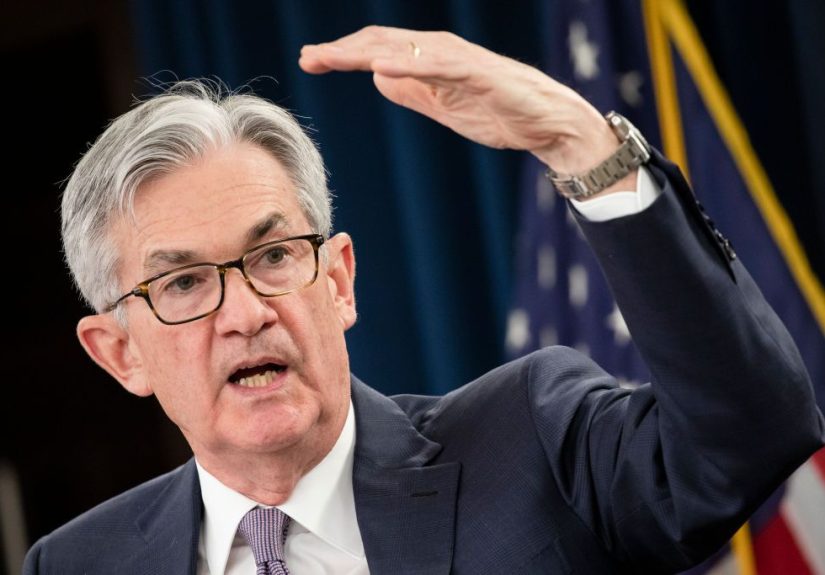
That is why Fed Chair Jerome Powell and other officials repeatedly stressed that tapering did not automatically mean interest rate increases were right around the corner. The central bank wanted room to reduce asset purchases while keeping flexibility on short-term rates. In other words, the Fed was trying to walk and chew policy gum at the same time.
Still, markets understood the broader implication. Once the bond-buying program began to shrink, the next big policy debate would shift toward when rate hikes might begin. So while tapering was not the same thing as tightening rates, it was definitely a sign that the easy-money era was entering a new chapter.
What This Means for Consumers, Businesses, and Investors
The Fed’s pullback was not just an inside-baseball policy story for economists who enjoy acronyms and yield curves. It had real-world consequences.
For consumers
As the Fed buys fewer bonds, long-term interest rates can drift higher over time, especially if markets believe further tightening is coming. That can affect mortgage rates, auto loans, credit conditions, and the general cost of financing big purchases. Consumers may not feel the change overnight, but the direction matters. Easy borrowing conditions can start to look a little less easy.
For businesses
Companies that benefited from ultra-low financing costs may face a slightly tougher environment. That does not mean funding vanishes, but it can become more expensive or more selective. For highly leveraged firms, even a modest change in financial conditions can alter investment decisions, hiring plans, or expansion timelines.
For investors
Markets tend to care less about whether the Fed moves and more about whether the Fed surprises. In this case, officials had signaled the taper for months, so investors were not caught flat-footed. That helped avoid a replay of the 2013 “taper tantrum,” when markets reacted sharply to the idea of reduced Fed support. This time around, the messaging was steadier, the move was better telegraphed, and the response was far more orderly.
Still, sectors that thrive on cheap money, rich valuations, and low discount rates tend to pay closer attention when the central bank starts withdrawing support. Growth stocks, real estate-sensitive sectors, and rate-sensitive corners of the market all begin listening to the Fed with the intensity of a teenager hearing keys jingle after missing curfew.
The Balancing Act: Growth Versus Inflation
The Fed’s decision reflected one of the hardest jobs in economic policy: figuring out when emergency support becomes excessive support.
Move too slowly, and inflation can become more persistent, forcing more aggressive action later. Move too quickly, and the Fed risks choking off a recovery that is still healing unevenly. That tension was especially intense because the post-pandemic economy did not behave like a normal recovery. Demand came back fast. Supply did not. Workers returned unevenly. Shipping systems jammed. Housing stayed hot. Prices moved higher in categories that consumers notice instantly, which is never politically convenient and rarely economically relaxing.
That is why the Fed’s communication became as important as the policy itself. Officials wanted to tell markets, households, and businesses that they were not abandoning the recovery. They were adjusting the dosage. The message was subtle but crucial: support was still there, just no longer on full emergency settings.
Why the Fed’s Tone Shift Was So Important
In monetary policy, tone is not cosmetic. Tone is policy. When central bankers change their language, markets parse every sentence like it is a season finale.
The Fed’s shift from saying support would continue at extraordinary levels to saying a moderation in purchases may soon be warranted told investors that the institution’s confidence in the recovery had grown. It also signaled greater concern that inflation was not fading quickly enough. That combination changed expectations, and expectations are the secret sauce of monetary policy. If households and businesses believe easier money is ending, they start adjusting behavior before every policy step fully lands.
That is one reason the November taper announcement mattered beyond the bond market. It reoriented the public conversation. The question was no longer whether the Fed would begin pulling back support. It was how fast, how far, and what would happen if inflation stayed hot.
The Catch: Tapering Was Only the Opening Move
Here is where the story gets even more interesting. Once the Fed began tapering, inflation data remained stubborn, broad, and uncomfortable. That pushed policymakers to consider moving faster. In December, the Fed accelerated the pace of tapering, bringing forward the likely end of asset purchases.
That follow-up move showed something important: the original taper announcement was not merely a symbolic gesture. It was the first step in a broader pivot away from the most accommodative phase of pandemic-era policy. The Fed was no longer just managing a fragile recovery. It was increasingly managing the risk that inflation would outrun its patience.
For markets, that meant the conversation rapidly evolved from tapering to rate hikes. For households, it meant the era of ultra-cheap money would probably not stick around forever. For policymakers, it meant there was no longer much room for leisurely optimism.
What History Says About Pulling Back Support
Central banks rarely get a standing ovation for taking away the punch bowl. The trick is removing it before the party gets out of hand but after people have stopped needing it to stay upright. That is why Fed exits are always awkward. Tighten too softly and inflation lingers. Tighten too hard and growth stumbles.
The 2021 taper was different from earlier episodes because the Fed had learned from the market turbulence of 2013. Officials signaled early, repeated their message often, and framed the move as gradual and data-dependent. That communication strategy helped make the transition smoother. The market reaction was relatively muted, which in central banking counts as a minor miracle.
But history also reminds us that early exit steps can snowball into bigger policy shifts if inflation and employment data keep changing. That is exactly what happened. The taper was supposed to be calm and orderly. It stayed calm, but the inflation backdrop made it impossible to stay leisurely for long.
Real-World Experiences With a Fed Pullback
For many Americans, the Fed’s decision to pull back economic support did not show up as a headline first. It showed up as a feeling.
For a first-time homebuyer, it looked like a race against rising mortgage rates. A buyer who had spent months saving for a down payment suddenly had to run the numbers again. The monthly payment that looked manageable in one season started looking a little more intimidating in the next. Nothing had exploded. There were no flashing red warning lights. But the math got less forgiving, and the house hunt got more stressful.
For a small business owner, the shift felt like a reminder that emergency conditions were ending even if uncertainty was not. A restaurant owner, warehouse operator, or local contractor might not follow every Fed press conference, but they do notice financing costs, supplier prices, wage pressure, and customer behavior. When the Fed began easing off support, it reinforced the sense that businesses could no longer count on the same policy cushion while managing higher input costs at the exact same time. That combination created a weird mood: stronger demand on one hand, tighter financial expectations on the other.
For retirees and savers, the experience was mixed. On the one hand, the end of maximum stimulus suggested the economy had healed enough to stand more on its own, which is good news in principle. On the other hand, inflation was already eating away at purchasing power. So even if the Fed’s pullback seemed prudent, it arrived after many households had already noticed that groceries, gas, rent, and household basics were stretching budgets further than expected. In that environment, a calmer Fed stance did not always feel calming.
Investors had their own version of the experience. The first reaction was almost surprisingly composed because the taper had been signaled so thoroughly. But beneath the surface, portfolios started rotating. Suddenly, questions about valuation, interest-rate sensitivity, balance-sheet strength, and pricing power mattered more. A company promising profits in the distant future looked a little less magical when money was no longer essentially free. A company with steady cash flow and pricing strength started looking a lot more attractive. It was not panic. It was repricing with a side of caffeine.
Workers experienced the shift differently depending on their industry. In sectors with strong hiring demand, the Fed’s move barely registered day to day. Jobs were available, wages were rising in many places, and employers were still competing for talent. But in sectors sensitive to credit and investment conditions, the idea of less support mattered. It influenced whether companies expanded aggressively, delayed capital spending, or grew more cautious about future hiring.
That is the real lesson of a Fed pullback: monetary policy does not descend on households as a single dramatic event. It moves through rates, confidence, lending, markets, expectations, and psychology. It changes how businesses plan, how families borrow, how investors price risk, and how consumers interpret the future. The Fed may announce tapering in clean, measured language, but in everyday life it arrives as a thousand small adjustments. That is why the phrase “pull back economic support” sounds abstract until it reaches a mortgage quote, a payroll decision, or a grocery bill. Then it becomes very real, very fast.
Conclusion
The Fed’s decision to begin pulling back economic support was a milestone in the post-pandemic recovery. It signaled that the economy had improved enough to no longer require the same level of emergency intervention, while also acknowledging that inflation had become too important to treat as a passing nuisance.
The move was cautious, not chaotic. It was about tapering bond purchases, not immediately raising rates. But the message underneath was unmistakable: the central bank had started the process of normalizing policy, and the age of unlimited pandemic-era support was beginning to fade.
For consumers, businesses, and investors, the lesson was straightforward. When the Fed starts pulling back, money does not suddenly disappear, but the rules of the game begin to change. Borrowing gets more attention. Inflation gets less benefit of the doubt. Markets start pricing in a future that is less cushioned and more conditional.
And that, in classic Fed style, is how one of the most important economic pivots of the era arrived: without fireworks, without a drumroll, and with just enough carefully calibrated language to move trillions of dollars and millions of expectations at the same time.