Table of Contents >> Show >> Hide
- What Is Sage Tea, Exactly?
- 1) Antioxidant Support (Promising, But Early)
- 2) A Possible Boost for Cholesterol and Lipid Profile
- 3) Menopause Hot Flash Support Is One of the Most Studied Areas
- 4) Cognitive Performance and Memory: A Very Interesting “Watch This Space” Topic
- 5) Blood Sugar and Metabolic Health: Promising Idea, Mixed Human Results
- 6) Oral Health and Gargle Use (Especially as an Adjunct)
- 7) A Caffeine-Free Alternative for Evening Wind-Down
- 8) Digestive Comfort and Post-Meal Use (Traditional Use with Ongoing Interest)
- 9) Culinary and Wellness Use Beyond the Mug
- How to Brew Sage Tea (Simple and Safe)
- Safety, Side Effects, and Who Should Be Careful
- Real-World Experiences with Sage Tea (About )
- Final Thoughts
- SEO Metadata (JSON)
Sage tea sounds like something your great-aunt keeps in a tin next to mystery buttons and holiday candlesbut this old-school herbal drink is having a very modern moment. As interest in functional beverages grows, more people are asking whether a simple cup of sage tea can do more than taste earthy and comforting.
Short answer: maybe, and that’s what makes it interesting. Research on sage is promising in a few areas (especially menopause symptoms, cognitive performance, and blood lipids), but the evidence is still developing. Also, an important reality check: many studies use sage extracts or tablets, not always tea. So the smartest way to talk about sage tea is with curiosity, not hype.
In this guide, we’ll cover 9 emerging benefits and uses of sage tea, what current science suggests, where the limits are, how to brew it, and when to be cautious. Think of this as your no-nonsense, no-magic-wand, pleasantly aromatic field guide to sage in a mug.
What Is Sage Tea, Exactly?
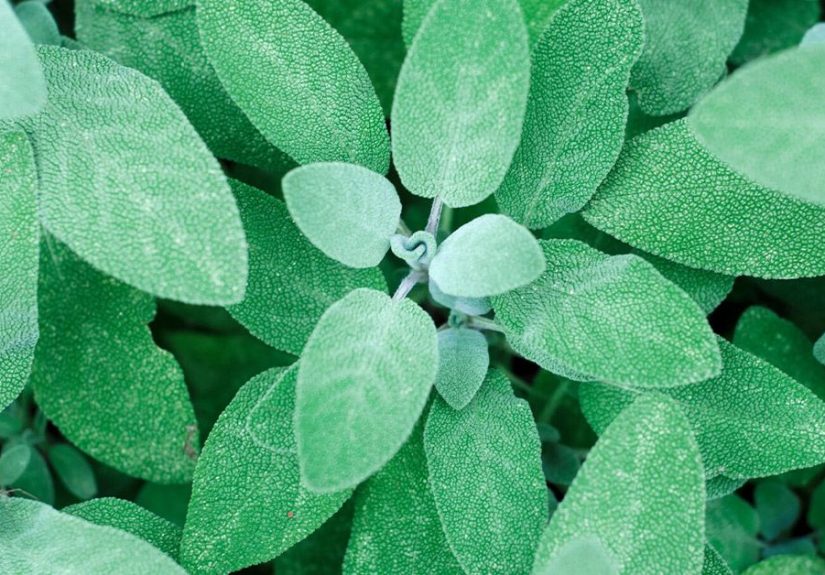
Sage tea is typically made by steeping leaves from common sage (Salvia officinalis) in hot water. This is the same culinary herb used in stuffing, roasted vegetables, and “how did this chicken suddenly taste amazing?” moments. Sage contains a mix of plant compounds and volatile oils that researchers are studying for potential effects on inflammation, oxidation, cognition, and metabolism.
One quick but important note: “sage” can refer to multiple species. Most kitchen-and-tea use refers to common sage. Product labels matter because species, extraction methods, and dosage can change the chemical profileand likely the effects.
1) Antioxidant Support (Promising, But Early)
One of the most talked-about emerging benefits of sage tea is its potential antioxidant activity. In plain English: sage contains compounds that may help the body defend against oxidative stress (the wear-and-tear process linked to aging and many chronic diseases).
A small human pilot study on sage tea found improvements in antioxidant defense markers, including enzymes like SOD and catalase. That sounds very science-fair, but the takeaway is simple: sage tea may support the body’s natural antioxidant systems. The catch? The study was tiny, and tiny studies are great for generating ideasnot making grand promises.
Practical use
If you enjoy herbal teas, sage tea can be rotated into your week as a caffeine-free option, especially when you want something warm that feels more “functional” than plain hot water but less buzzy than coffee.
2) A Possible Boost for Cholesterol and Lipid Profile
This is one of the more interesting areas of sage research. Some small studies and reviews suggest sage may have beneficial effects on cholesterol and blood lipids. In the same pilot study often cited for sage tea, participants showed changes such as lower LDL (“bad” cholesterol) and higher HDL (“good” cholesterol), along with a better LDL/HDL ratio.
Before we crown sage tea the king of cardiology, let’s keep both feet on the ground: the study involved a very small number of healthy participants. That means the results are intriguingbut not definitive, and definitely not a replacement for evidence-based treatment, exercise, sleep, or dietary changes.
Practical use
Sage tea may be a nice addition to a heart-supportive routine (think: balanced meals, fiber, movement, and regular checkups), not a substitute for one.
3) Menopause Hot Flash Support Is One of the Most Studied Areas
If sage has a “most researched” lane, this is it. Sage has traditionally been used for sweating and menopausal hot flashes, and modern research has explored this in clinical settings. Some studies and a more recent review/meta-analysis suggest sage may help reduce the frequency of hot flashes, though results on severity are more mixed.
Here’s the key nuance: much of this evidence comes from tablets or extracts, not brewed tea. Still, the research helps explain why sage tea remains popular in menopause-support conversations. It’s a classic example of traditional use getting partial scientific attentionpromising, but not “case closed.”
Practical use
Some people use sage tea as part of a broader comfort routine during menopause (hydration, sleep habits, layering clothes, cooling strategies). If symptoms are frequent or disruptive, it’s worth speaking with a clinician to discuss options beyond herbal remedies.
4) Cognitive Performance and Memory: A Very Interesting “Watch This Space” Topic
Sage is often marketed as a “memory herb,” and there is some early research to support why that idea keeps showing up. Small studies on sage extracts have reported improvements in certain cognitive measuresespecially aspects of memory and attention or working-memory accuracy.
The important part: these findings are promising but limited, and again, many studies use standardized extracts rather than tea. Your afternoon sage tea is not the same thing as a lab-formulated supplement used in a controlled trial. Still, if you’re choosing a caffeine-free beverage for a focused work block, sage tea is at least a scientifically interesting choicefar more interesting than “mystery fruit punch.”
Practical use
Try sage tea as a pre-reading or pre-journaling ritual when you want calm focus without caffeine. Rituals themselves can support consistency, which is half the battle for mental performance.
5) Blood Sugar and Metabolic Health: Promising Idea, Mixed Human Results
Sage is sometimes promoted for blood sugar support, but this is where hype can outpace evidence. Current evidence suggests there isn’t enough strong proof to conclude sage reliably improves blood glucose in humans. In fact, one small sage tea study in healthy adults did not find meaningful changes in blood glucose.
That said, researchers are still interested in sage because of its broader metabolic effects and findings from preclinical work. The “emerging benefit” here is really the research question itself: sage may have potential, but the human data are not strong enough yet to make confident claims.
Practical use
If you enjoy sage tea, treat it as a supportive beveragenot a glucose-management tool. Anyone with diabetes or on glucose-lowering medication should be especially careful with herbal products and check with a healthcare professional before using them regularly.
6) Oral Health and Gargle Use (Especially as an Adjunct)
Sage has a long traditional history in throat and mouth care, and modern research has examined sage in oral formulations. One clinical trial on a sage-containing mouthwash found reduced Streptococcus mutans (a bacteria linked to dental plaque/cavities) compared with placebo.
That does not mean sipping sage tea replaces brushing, flossing, or dentist visits (your hygienist would like a word). But it does support the idea that sage-based oral care has legitimate scientific interest. Warm sage tea is also commonly used as a gentle gargle for comfort, though that’s more about soothing routine than proven treatment outcomes.
Practical use
Brew sage tea, let it cool to warm (not hot), and use it as a brief gargle if you want a simple herbal mouth-care ritual. Spit it out afterward if using as a gargle, especially if you’re just using it for oral comfort.
7) A Caffeine-Free Alternative for Evening Wind-Down
Not every benefit needs to come from a biomarker chart. One practical use of sage tea is that it’s naturally caffeine-free, making it a useful swap for late-day coffee or strong black tea. For people trying to improve sleep habits, this matters.
A warm cup in the evening can support a calming routine, hydration, and a clear “day is done” signal. Is sage tea a sleep cure? No. But a better bedtime routine is a real health behavior, and herbal tea can be a surprisingly effective anchor habit.
Practical use
Pair sage tea with a low-light routine: read, stretch, put your phone somewhere slightly inconvenient, and let your nervous system remember what “off duty” feels like.
8) Digestive Comfort and Post-Meal Use (Traditional Use with Ongoing Interest)
Sage has traditionally been used for digestive comfort, and this remains one of the most common reasons people drink it. Scientific evidence for tea specifically is not robust, but the traditional use is longstanding enough that many people reach for sage tea after heavy or rich meals.
Think of it as a “reset tea” after a holiday dinner, not a digestive superhero. The warm liquid itself, slower sipping, and a break from overeating can all help you feel bettersometimes the ritual is doing part of the work.
Practical use
Try a small cup after a rich meal (especially meals heavy on fat or salt) when you want something savory-herbal instead of dessert number two. No judgment if dessert number two still happens.
9) Culinary and Wellness Use Beyond the Mug
Sage tea isn’t only for drinking straight. One of the most useful “emerging uses” is how it can bridge the line between kitchen herb and wellness beverage. A strong infusion can be used as a base in brothy soups, warm grain bowls, or herbal blends with lemon, ginger, or mint (depending on your taste and tolerance).
It’s also a smart option for people trying to cut back on sugary beverages. A flavorful herbal tea can help replace sodas or sweet coffee drinks without making you feel like you’ve been sentenced to a life of plain water and sadness.
How to Brew Sage Tea (Simple and Safe)
Basic method
- Use 1–2 teaspoons dried sage (or a few fresh leaves) per 8–10 oz hot water.
- Steep for 5–10 minutes, depending on how bold you like it.
- Strain and sip slowly.
Sage can taste quite strongearthy, peppery, and slightly bitter. If it tastes like your spice rack exploded, use less leaf next time or blend it with lemon balm, mint, or chamomile.
Safety, Side Effects, and Who Should Be Careful
This part matters. Sage is generally considered safe in normal food amounts, but more is not always better. Some sage species contain thujone, which can be harmful in high amounts. That’s one reason experts caution against high doses or long-term heavy use.
People who are pregnant should be especially cautious with sage products, and safety during breastfeeding is not well established. If you take medications (especially for blood sugar, blood pressure, seizures, or sedation), talk with a clinician or pharmacist before using herbal products regularly. “Natural” products can still interact with medicines and may not be appropriate for everyone.
Also, remember that supplements and herbal products are regulated differently from prescription drugs in the U.S. Product quality can vary. If you buy packaged sage tea or sage supplements, choose brands with clear labeling and realistic claims (if the box promises to “optimize your soul frequency,” maybe keep walking).
Real-World Experiences with Sage Tea (About )
One of the most useful ways to understand sage tea is through the kinds of experiences people commonly describe when they add it to their routine. Not miracle storiesjust practical, real-life “this is what changed” observations. Many people first try sage tea because they want something different from sweet herbal blends. They often describe the taste as savory, earthy, or “garden-like,” which can be a surprise if they expected something floral. The first cup is sometimes a little intense. By the third or fourth cup, many people either fall in love with the flavor or decide sage is better blended with mint or lemon.
A common experience is using sage tea as a post-meal reset. People who feel heavy after rich dinners sometimes report that a warm cup helps them slow down and stop snacking, especially at night. It may not be the herb alone doing all the workthe warmth, the pause, and the habit shift matter toobut the result can still feel meaningful. Instead of reaching for a second dessert or another coffee, they reach for sage tea, and that small change nudges the whole evening in a better direction.
Some people going through menopause say sage tea becomes part of a broader comfort strategy rather than a stand-alone fix. They may pair it with breathable clothing, fan use, hydration, and regular sleep habits. What they often appreciate is the ritual: a cup in the afternoon or evening that feels intentional and supportive. Even when symptom relief is modest, the routine can feel groundingand that matters when symptoms feel unpredictable.
Another frequently reported experience is using sage tea as a “focus beverage” during work. People who want a break from caffeine sometimes swap in sage tea during late-morning or afternoon tasks. They may not feel a dramatic mental boost, but they like that it helps them stay in a focused routine without the jittery edge or late-day sleep disruption they sometimes get from coffee. In that sense, sage tea works less like a stimulant and more like a signal: time to read, write, study, or think.
In households that use herbs regularly, sage tea is often treated as a flexible staple. One person drinks it plain, another uses it as a warm gargle, and someone else mixes it with chamomile. The shared theme is practicality. People tend to keep using sage tea when it fits easily into daily lifeeasy to brew, easy to customize, and easy to remember. That kind of consistency is often what turns an occasional herbal experiment into a genuinely helpful habit.
Final Thoughts
The biggest strength of sage tea is that it sits at the intersection of tradition and emerging science. The most promising research areas include menopause symptom support, cognitive performance, and lipid-related outcomes, but the evidence is still limited and often based on extracts rather than tea. That doesn’t make sage tea “useless”it makes it a smart herbal option best used with realistic expectations.
If you enjoy the taste, want a caffeine-free ritual, and appreciate herbs with a long history plus some early scientific backing, sage tea is worth exploring. Just keep the dosage reasonable, choose quality products, and treat it as a supportive habitnot a substitute for medical care.