Table of Contents >> Show >> Hide
- The 30-Second Snapshot
- Why This Chair Exists (And Why People Keep Buying It)
- Materials & Construction: The Practical Stuff That Actually Matters
- Comfort: Honest, Supportive, Not a Sofa in Disguise
- Dimensions & Fit: The “Will This Work With My Table?” Checklist
- Color & Finish Options: Where the Chair Gets Its Personality
- Where the Canteen Utility Chair Shines
- Care & Longevity: Keeping It Looking Sharp
- Buying Tips: How to Get the “Right” One
- Conclusion: The Chair That Doesn’t Pretend to Be Anything Else
- Experience Notes: Living With the Canteen Utility Chair (The Real-Life Part)
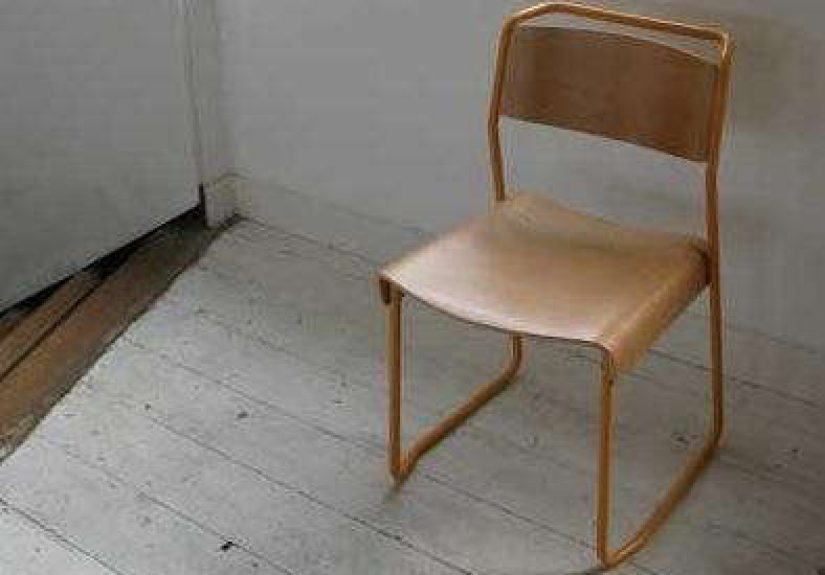
Some chairs try to be sculptures. Others try to be clouds. The Canteen Utility Chair from
Very Good & Proper tries to be something way harder: the chair you actually use
every daywithout babying it, apologizing for it, or silently plotting to replace it after one rough dinner party.
At first glance, it looks like it wandered out of a British school cafeteria, got a grown-up haircut,
and started hanging out in design studios. That’s the charm. It’s familiar, a little cheeky, and
surprisingly versatilelike the friend who can dress up for a wedding or help you move a couch without complaining.
The 30-Second Snapshot
- What it is: A modern “utility” chair with a powder-coated tubular steel frame and plywood seat/back.
- Design vibe: Post-war canteen/school chair energyclean lines, honest materials, confident color.
- Best for: Dining tables, kitchen nooks, home offices, cafés, studios, and anywhere you need durable, stackable seating.
- Not for: All-day lounging. If you want “I fell asleep scrolling,” you’ll want upholsteryor at least a cushion.
Why This Chair Exists (And Why People Keep Buying It)
The phrase “utility chair” isn’t exactly a sales pitch. It sounds like something issued with a clipboard and a stern warning.
But that’s the point: utility furniture earns its keep. The Canteen Utility Chair leans into that heritage and then upgrades it
for modern spaces where chairs need to look good in a Zoom background and survive real life.
A classic idea, edited for now
The design is commonly described as being inspired by mid-century British school/canteen seatingsimple, recognizable,
and made for high-traffic environments. Depending on who’s telling the story, you’ll hear different origin threads:
the chair is linked to the “Canteen” restaurant world and also described as a rethink of older British utility seating.
Either way, the thesis stays consistent: take something humble, make it lighter-looking, stronger-feeling, and more comfortable,
then offer it in colors that don’t scream “institutional beige.”
And that’s the sneaky genius: the chair doesn’t need a dramatic gimmick. It’s a refined everyday object.
In the furniture world, that’s basically a superpower.
Materials & Construction: The Practical Stuff That Actually Matters
If you’ve ever bought a “cute” chair that wobbled by week two, you already know this section is the main event.
The Canteen Utility Chair is built around two workhorse materials: steel and plywood. That combo shows up in
commercial spaces for a reasondurability, stability, and repairability win in the long run.
The tubular steel frame: one-piece confidence
The chair’s frame is typically described as a precision-bent tubular steel structure, designed as a continuous piece
to keep the silhouette clean. Translation: fewer visual interruptions, fewer awkward joints, and a profile that looks
“drawn” rather than assembled.
It’s also commonly offered in a powder-coated finish. Powder coating tends to be favored on furniture frames
because it’s generally more resistant to everyday abusethink bumps, moisture, and minor scratchescompared with many
traditional liquid paints. That matters if your chairs are going to be slid, stacked, nudged, and occasionally kicked
like a soccer ball by a bored five-year-old.
The seat and back: plywood with a purpose
Very Good & Proper’s spec language frequently highlights a 12mm plywood seat and back.
Plywood isn’t “cheap wood.” It’s engineered wood, designed to be stable and consistent. That stability is exactly what
you want in a chair that needs to keep its shape, resist warping, and hold up to temperature and humidity changes in real homes.
In practical terms, the plywood gives the chair warmth and tactilitysomething metal-only seating often lacks.
It also makes the chair visually lighter: a thin, crisp profile that still reads sturdy.
Comfort: Honest, Supportive, Not a Sofa in Disguise
Let’s set expectations: the Canteen Utility Chair is a “sit up, eat dinner, do some work” chairnot a “melt into the void”
lounge piece. Comfort here comes from proportion, back support, and a sensible seat height, not from cushions the size of throw pillows.
What it feels like in real use
- For meals: Great. The upright posture works well for dining and conversation.
- For desk work: Surprisingly solid for a guest/work chairespecially if you add a thin cushion.
- For long hangs: You’ll probably want a pad if you’re hosting a three-hour board game night.
If you’re buying for a home, the win is that you get a chair that behaves like contract seating without looking like it belongs
in a waiting room. If you’re buying for a café or studio, the win is that people can sit comfortably without you needing to
reupholster anything every six months.
Dimensions & Fit: The “Will This Work With My Table?” Checklist
Many listings place the chair around 32 inches tall, with a seat height around 18 inches.
That’s in the sweet spot for standard dining tables (often 28–30 inches tall). Still, furniture math is undefeatedmeasure anyway.
Quick fit rules
- Dining: Aim for about 10–12 inches between seat height and tabletop height for comfortable leg room.
- Desk: Check arm clearancethis chair is typically armless, which makes it easier to tuck under work surfaces.
- Flooring: Plan felt or rubber pads if you’re on hardwood or tile. Your floors did nothing wrong and deserve peace.
Color & Finish Options: Where the Chair Gets Its Personality
Utility chairs can go two ways: “barely there” or “look at me.” The Canteen Utility Chair can do both, mostly because
the brand tends to offer multiple wood finishes (often including options like beech, oak, and walnut tones)
and a wide range of frame colors.
How to choose without regretting it
- Want timeless: Neutral frame (black/graphite/grey) + natural wood seat/back. This plays well with almost any table.
- Want playful: Bright frame color + lighter wood. Great in kitchens, creative offices, and cafés that don’t fear joy.
- Want “designer but calm”: Muted green/blue frame + walnut-ish seat. Reads intentional without shouting.
One of the easiest “high-design” moves is mixing two frame colors around one tablelike alternating shades.
It looks curated, but it’s basically the adult version of “I couldn’t pick just one.”
Where the Canteen Utility Chair Shines
This chair’s whole personality is: “Put me to work.” That’s why it shows up in homes and commercial interiors alike.
1) The small-space dining setup
If your dining area is also your office, your craft studio, and your “I swear I’ll meal prep” zone, you need chairs that tuck in,
clean easily, and don’t visually crowd the room. The slim frame and crisp plywood profile help the chair stay light in a tight layout.
2) The home office guest chair that doesn’t look like a conference room
You can keep one near your desk for meetings or quick tasks, then pull it to the table when friends come over.
That “multi-job” flexibility is what utility design is supposed to do.
3) Cafés, studios, and creative offices
Stackability is the unsung hero here. If you’ve ever had to clear a space for an event, you know stacking chairs are basically
time machines. And because the chair is often discussed in the context of non-domestic use, it’s frequently associated with
performance expectations typical of contract seatingdurability, repeat use, and safety-focused testing.
In the U.S., many commercial buyers look for chairs tested to recognized standards (for example, ANSI/BIFMA standards for seating).
While this chair is often referenced with European testing standards in product documentation, the broader takeaway is simple:
it’s designed with high-traffic use in mind, not delicate “look but don’t touch” living.
Care & Longevity: Keeping It Looking Sharp
Good news: this isn’t precious furniture. It’s the “wipe it down and move on” kind of chair.
Powder-coated frame care
- Use a soft cloth with mild soap and water for everyday cleaning.
- Avoid abrasive pads that can dull the finish over time.
- If you’re in a commercial setting, build “quick wipe” into closing routinesyour future self will thank you.
Plywood seat/back care
- Wipe spills promptly (especially anything with oil, tomato, or turmericaka the stain Avengers).
- Don’t leave it soaking wet; wood likes consistency, not drama.
- Consider pads if you’re moving chairs a lot; it reduces scuffs and keeps things quieter.
Buying Tips: How to Get the “Right” One
Because the Canteen Utility Chair often comes with multiple wood and frame color combinations, it helps to buy with a plan.
Not a ten-page plan. A reasonable plan. Like a grown-up.
Smart questions to ask yourself
- How will you use it most? Dining, desk work, or high-traffic seating changes what finish you’ll appreciate.
- What’s your tolerance for visible wear? Dark frames can hide marks; lighter frames can show scuffs but look airy.
- Do you need multiples? If yes, think about stacking, storage space, and whether you want a uniform look or mixed colors.
- What’s your timeline? Specialty furniture often involves lead timesplan ahead if you’re furnishing for a move or opening.
If you’re outfitting a commercial space, it’s also worth thinking about maintenance cycles: chairs that clean fast and age gracefully
reduce replacement costs. That’s where steel + plywood tends to shine.
Conclusion: The Chair That Doesn’t Pretend to Be Anything Else
The Very Good & Proper Canteen Utility Chair is a reminder that “practical” doesn’t have to mean “boring.”
It brings together a familiar utility-chair silhouette, a clean tubular steel frame, and a plywood seat/back that feels warm and intentional.
It stacks when you need it to, it fits into both homes and commercial interiors, and it gives you the option to go subtleor delightfully bold.
If you want a chair that looks designed (because it is), but still behaves like an everyday object (because it should),
this one earns its place at the table.
Experience Notes: Living With the Canteen Utility Chair (The Real-Life Part)
Picture this: your chairs arrive and you do the thing everyone doesstand there, hands on hips, judging them like you’re a panelist on a design show.
The first surprise is how visually light they feel. The frame reads like a clean outline, and the plywood adds just enough warmth to keep the chair
from looking clinical. Even before you sit down, the chair has that “this will still look good in five years” vibe.
Day-to-day: the chair behaves like a grown-up
In daily use, the Canteen Utility Chair tends to disappear in the best way. You pull it out for breakfast, tuck it in after,
and it doesn’t snag on rugs or demand constant fussing. The seat height generally pairs well with standard dining tables,
so you’re not doing that awkward “knees-to-chest” posture that makes a meal feel like a budget airline experience.
As a home office helper, it’s a practical win. Because it’s typically armless, it slides under a desk easily, and it works as a guest chair
when someone stops by and you don’t want to drag a dining chair across the house like you’re relocating furniture for sport.
If you’re sitting for longer stretchessay, writing, editing, or convincing yourself you enjoy spreadsheetsa slim cushion turns it into a surprisingly
comfortable work seat without changing the chair’s clean look.
Entertaining: it’s the calm one in the room
Dinner parties are where utility chairs prove their value. People scoot, lean back, shift aroundchairs take a beating.
The steel-and-plywood setup is ideal for this because it’s easy to wipe down and doesn’t panic when someone spills something colorful.
(Red wine, tomato sauce, turmeric lattepick your villain.) A quick clean and you’re back in business.
There’s also a subtle social bonus: the chair’s upright posture keeps the table feeling lively.
Guests don’t slump into nap-mode; conversation stays engaged. It’s the difference between “we ate” and “we lingered and laughed for hours.”
Not because the chair is performing magicbecause it’s doing what good dining chairs do: support you without turning into a recliner.
Commercial-style perks at home: stacking and moving
Even if you’re not running a café, stackability can be surprisingly useful. Cleaning day? Stack two or three, vacuum, done.
Hosting a bigger group than usual? Pull chairs from another room and line them up without the space feeling chaotic.
The chair’s straightforward build makes it easy to reposition, and it doesn’t feel fragile when you move it.
Over time, you may notice small signs of life: tiny marks where shoes tap the frame, subtle wear on the finish, the occasional scuff from moving.
Instead of looking “ruined,” this kind of chair often looks usedlike a well-loved tool. If that idea makes you nervous,
choose a frame color that hides wear and add felt pads from day one. If you’re fine with a little patina, congratulations:
you’re emotionally ready for furniture that actually gets to be furniture.
The best part is that the chair stays honest. It’s not pretending to be a plush lounge chair, and it’s not trying to be an art object.
It’s a good-looking, hard-working seat that fits real homes and real projectsand makes everyday spaces feel a little more intentional.