Table of Contents >> Show >> Hide
If you’re a gardener, you’ve probably encountered the infamous squash bug. These tiny, destructive pests can quickly devastate your squash, zucchini, and pumpkin plants. They’re particularly notorious for their ability to spread diseases like bacterial wilt, which can wipe out an entire garden if left unchecked. The good news is that there are natural, eco-friendly ways to deal with these pests before they turn your prized plants into a buffet. Below, we’ll discuss 8 effective tips for getting rid of squash bugs naturally and keeping your garden healthy and thriving.
1. Inspect Your Plants Regularly
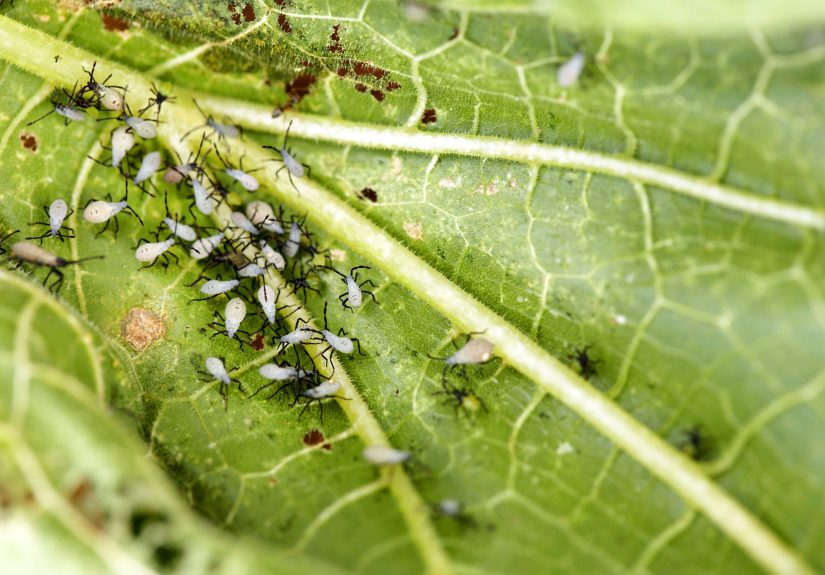
The first step in dealing with squash bugs is staying vigilant. Squash bugs are sneaky creatures that love to hide on the undersides of leaves. Regularly inspecting your plants can help you catch them early. Look for the pests themselves, as well as their eggs, which appear as small, light-colored clusters on the leaves. If you catch them early, you’ll have a better chance of stopping the infestation before it gets out of control.
2. Hand-Pick the Bugs
One of the simplest and most effective ways to deal with squash bugs is to pick them off by hand. While it may seem tedious, removing the bugs manually can significantly reduce their numbers. Wear gloves and gently pluck the bugs from your plants, then drop them into a container of soapy water to drown them. This method is particularly effective in the early morning when the bugs are less active.
3. Use Diatomaceous Earth
Diatomaceous earth (DE) is a natural powder made from the fossilized remains of tiny aquatic organisms. It works by dehydrating pests, including squash bugs, when they come into contact with it. Simply dust your plants and the soil around them with DE, making sure to cover all areas where bugs are likely to hide. It’s safe for humans and pets, but deadly to pests. Reapply after rain or watering.
4. Introduce Beneficial Insects
Nature has a way of balancing things out, and introducing beneficial insects into your garden can help keep squash bug populations in check. Predators like parasitic wasps, ladybugs, and predatory beetles are all natural enemies of squash bugs. By attracting or purchasing these helpful insects, you can create a more balanced ecosystem where pests are kept under control without the use of harmful chemicals.
5. Companion Planting
Certain plants have natural pest-repelling properties that can help keep squash bugs at bay. Planting herbs like basil, marigolds, and nasturtiums near your squash plants can act as a natural deterrent. These plants have strong scents or compounds that squash bugs find repulsive. Not only do these plants help protect your squash, but they can also add beauty and variety to your garden.
6. Create Barriers with Row Covers
Row covers are an excellent way to protect your squash plants from pests, including squash bugs. These lightweight, breathable fabrics create a physical barrier that prevents bugs from reaching your plants while still allowing sunlight, water, and air to pass through. Be sure to secure the edges well to prevent bugs from sneaking underneath. Just be aware that row covers may need to be removed during flowering to allow pollinators access to your plants.
7. Water in the Morning
Squash bugs thrive in damp, humid conditions, so it’s important to manage how you water your plants. Water your squash plants early in the day to give them enough time to dry before evening. This helps prevent creating a hospitable environment for squash bugs and other pests. Avoid overhead watering, which can wet the leaves and create the perfect breeding ground for bugs.
8. Apply Neem Oil
Neem oil is a natural, organic pesticide that works wonders on squash bugs. Derived from the neem tree, this oil disrupts the pest’s feeding and reproductive cycle, preventing them from causing damage to your plants. To use, dilute the neem oil according to the package instructions and spray it directly on the squash bugs, as well as the surrounding leaves and stems. It’s safe for beneficial insects when applied properly, but it’s best to use it in the evening to avoid harming pollinators.
Conclusion
Squash bugs can be a major headache for gardeners, but with these natural, non-toxic methods, you can keep them at bay and protect your plants. Regular inspections, hand-picking, and introducing beneficial insects are simple yet effective ways to prevent a squash bug infestation. Adding natural deterrents like diatomaceous earth, neem oil, and companion plants can help further safeguard your crops. If you stay proactive and use these methods consistently, you’ll be able to enjoy a thriving, squash-free garden all season long.
Personal Experience with Squash Bugs
As someone who has spent countless hours nurturing squash plants, I’ve had my fair share of encounters with squash bugs. The first time I noticed them, I was devastated. My zucchini plants had large, wilting leaves, and I knew something was wrong. Upon inspection, I found clusters of eggs on the undersides of leaves and a few adult bugs sneaking around. It was clear that these pests were wreaking havoc, and I needed to act fast.
I began by carefully hand-picking the bugs and eggs, and it became clear that this was an ongoing battle. I introduced beneficial insects like ladybugs and parasitic wasps, and to my surprise, they started to show results. The bugs seemed to be dwindling, but I realized that one of the most effective methods was using diatomaceous earth around my plants. This powder worked like magic, and the squash bugs slowly disappeared.
Another key factor in my success was watering my plants in the morning. I’d always been an evening gardener, thinking that watering later in the day would be more convenient. But I quickly learned that squash bugs love damp, humid environments, and watering in the morning helped prevent that. After a season of diligence, I finally saw my squash plants thriving without the threat of these pesky bugs.
Each season, I continue to use the tips and tricks mentioned above, and I’ve been able to keep squash bugs from destroying my plants. With a little patience, attention, and natural pest control methods, I can confidently say that I now have a squash garden that’s both healthy and thriving.