Table of Contents >> Show >> Hide
- What Makes the “Shaws Original” Different?
- Shaws Original Specs: The Numbers That Actually Matter
- Installation Reality Check: Where Good Projects Go Wrong
- Daily Performance: Living with a Shaws Original
- Care and Maintenance: Keep It Simple
- Design Fit: Which Kitchens Work Best with Shaws Original?
- Shaws Original vs Other Sink Materials
- Cost and Value: Is It Worth It?
- Buyer Checklist Before You Commit
- Final Take
- Extended Experience Notes (Approx. )
Some kitchen upgrades are practical. Some are beautiful. A Shaws Original fireclay sink is both
and yes, that’s why people get emotionally attached to a basin that mostly holds pasta water and coffee mugs.
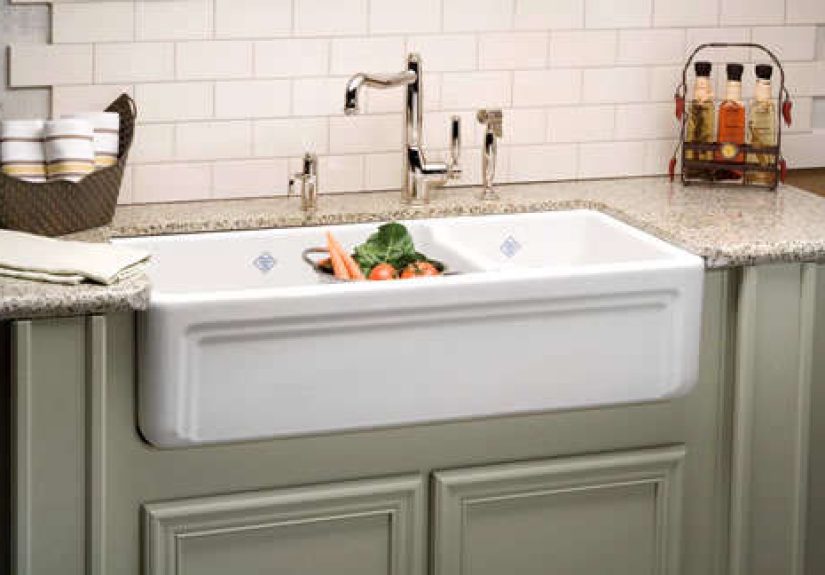
In the world of kitchen design, this sink has become a benchmark for the farmhouse look: deep, sculptural,
bright, and built to survive daily life when dinner includes cast-iron pans and a little chaos.
But let’s be honest: a premium sink is not an impulse buy. It affects your cabinets, your countertop plan, your
faucet setup, and your wallet. This guide breaks down exactly what you need to know about Shaws Original:
construction, sizing, installation realities, maintenance, style fit, and long-term value. We’ll keep it clear,
practical, and occasionally funbecause sink shopping should not feel like reading tax code.
What Makes the “Shaws Original” Different?
It’s heritage design, not trend-chasing
Shaws is known for handcrafted fireclay sinks with roots going back more than a century. That matters because the
“Original” identity is tied to classic apron-front proportions, old-world craftsmanship cues, and a finish that
feels substantial rather than mass-produced. You’re buying a functional object, yesbut also a design anchor
that can define the entire kitchen.
Fireclay behaves differently than most sink materials
Fireclay sinks are formed from clay, glazed, and kiln-fired at high temperatures. The result is a dense,
non-porous body with a hard, glossy finish. In practical terms, people choose fireclay for three reasons:
- Durability: excellent resistance to everyday wear in busy kitchens.
- Appearance: bright, clean, timeless look that works in both classic and modern spaces.
- Maintenance: easy cleaning with simple routines when cared for correctly.
That said, fireclay is still a hard, heavy material. If installation is careless, the sink can become a headache.
If installation is done right, it can be the hero of your kitchen for years.
Shaws Original Specs: The Numbers That Actually Matter
Common size and bowl profile
The Shaws Original family includes several widths, but the most discussed format is the classic farmhouse
single-bowl size around 33 inches wide. Typical listing dimensions for that format are roughly
33" x 18" x 10", with a generous internal basin that handles sheet pans, stock pots,
and “I cooked one meal and somehow used every dish” nights.
Weight is serious business
Depending on model and listing method, published weights can vary significantlyoften well above 100 pounds, and
in some retail listings over 170 pounds. Translation: this is not “grab it with one hand while texting” hardware.
Your cabinet support strategy is not optional.
Drain and configuration details
Many Shaws Original listings show a center drain with a 3.5-inch opening and no faucet holes on the sink body.
That gives flexibility for deck-mount or wall-mount faucet planning, but it also means your countertop/faucet
decisions must be coordinated earlybefore fabrication day turns into stress day.
Installation Reality Check: Where Good Projects Go Wrong
Cabinet planning is step one, not step ten
Farmhouse fireclay sinks require cabinet compatibility and a proper support frame. For certain larger models,
retailers often list minimum cabinet widths beyond the sink width itself. That surprises first-time buyers, but it
makes sense: apron-front geometry, mounting method, and structural support all need breathing room.
Countertop and reveal decisions matter
Your installer should lock in one of the common reveal styles (flush, positive, or negative) and align it with
your countertop material and cleaning preference. A tiny planning mistake here becomes a daily annoyance when
crumbs collect in awkward seams.
Professional installation is usually worth it
Could an experienced DIYer install a fireclay farmhouse sink? Sometimes. Should everyone try? No. Between weight,
cutout precision, support framing, drainage alignment, and apron exposure, the margin for error is small.
Professional installation often saves money by preventing expensive “fixes” later.
Daily Performance: Living with a Shaws Original
Where it shines
- Big-basin workflow: washing oversized cookware is easier than in many standard sinks.
- Visual impact: the sink reads as architecture, not just a utility component.
- Color stability: white fireclay typically holds its tone well over time.
- Stain resistance: non-porous glazed surfaces are generally easy to keep looking fresh.
Where owners should stay realistic
- It’s heavy: installation mistakes can affect fit and long-term stability.
- Hard surface: fragile glassware may not love contact with a rigid basin.
- Premium category: this is usually not an entry-level sink price point.
- Design commitment: the apron-front look is bold; make sure it suits your full kitchen plan.
Care and Maintenance: Keep It Simple
Practical daily routine
- Rinse with warm water after use.
- Use mild soap and a soft sponge for routine cleaning.
- Dry with a soft cloth to reduce spotting.
- Use a bottom grid when handling heavy cookware.
What to avoid
- Abrasive pads and steel wool.
- Harsh cleaners that can dull finish over time.
- Leaving metal items and residue sitting for long periods.
In other words: treat it like premium kitchen equipment, not a garage utility tub. A little regular care goes a
long way.
Design Fit: Which Kitchens Work Best with Shaws Original?
Classic and transitional kitchens
This is the obvious pairing: shaker cabinets, mixed metals, warm wood, and layered neutrals. The sink becomes a
visual centerpiece without trying too hard.
Modern kitchens
Yes, it can work in modern spaces tooespecially with minimal cabinetry, slab fronts, and a restrained palette.
The contrast between clean modern lines and a handcrafted sink creates quiet character.
Small kitchens
Surprisingly, a farmhouse sink can make a small kitchen feel more intentional when proportions are right. The key
is choosing the width carefully and protecting prep space with smart countertop planning.
Shaws Original vs Other Sink Materials
Quick comparison
Fireclay (Shaws Original): premium look, strong durability, heavy, higher cost, signature style.
Stainless steel: lighter, often less expensive, highly practical, more industrial aesthetic.
Cast iron enamel: traditional look, substantial feel, can be durable but also heavy.
Granite/composite: modern matte appeal, strong performance, style depends on brand and finish.
If your top priorities are personality, craftsmanship feel, and timeless apron-front presence, Shaws Original
usually wins the emotional and visual argument.
Cost and Value: Is It Worth It?
Shaws Original is typically positioned in the premium tier. Retail pricing can vary by finish, size, and seller,
and some designer marketplaces list it at luxury-level pricing. That can feel steep until you zoom out:
this sink affects both daily usability and resale appeal in kitchens where materials matter.
Think of it this way: appliances can age out in a decade, but a well-installed fireclay sink often remains a
long-term asset in both function and style. If your renovation plan prioritizes durable “forever pieces,” this is
exactly the category where spending more can be rational.
Buyer Checklist Before You Commit
- Confirm exact model dimensions and bowl geometry.
- Verify minimum cabinet requirement with your installer.
- Plan faucet and accessory layout early (sink holes vs deck/wall mount).
- Choose reveal style before countertop fabrication.
- Add a bottom grid for everyday protection.
- Confirm lead times and delivery handling for heavy items.
- Review warranty terms and registration steps.
Final Take
A Shaws Original fireclay sink is not just a sink decisionit’s a kitchen identity decision. It
brings heritage, craftsmanship, and strong day-to-day utility into one very visible object. It demands proper
installation and a realistic budget, but in return it offers a level of design permanence many upgrades cannot
match.
If you want your kitchen to feel curated rather than assembled, practical rather than precious, and classic rather
than fleeting, this sink absolutely deserves a place on your shortlist.
Extended Experience Notes (Approx. )
Homeowners, designers, and installers tend to describe the Shaws Original journey in three phases: excitement,
logistics, then love. Excitement starts when people first see the sink in person. Online photos make it look
beautiful; in a showroom, it usually looks more substantial than expected. The front apron has visual weight. The
glaze has depth. Even people who entered the store saying, “I’m just comparing options,” often leave mentally
rearranging their kitchen around it.
Logistics is where reality shows up wearing steel-toe boots. The sink is heavy, and installers treat it that way.
Good crews measure everything twice: cabinet opening, support rails, drain centerline, faucet projection, and
finished countertop height. The most successful installs happen when everyone coordinates earlycabinet maker,
fabricator, plumber, and homeowner. The most frustrating installs happen when the sink is treated like a
last-minute accessory. It is not. It’s a structural and visual centerpiece.
Once installed correctly, everyday life tends to validate the decision. Owners often mention how much they enjoy
the deep basin for oversized cookware and awkward prep tools. Roasting pan? Easy. Stock pot? No problem.
Thanksgiving cleanup? Still not fun, but at least physically possible. People also appreciate the apron-front
comfort: standing closer to the basin reduces that subtle forward lean you get with deep counters. It sounds tiny,
but over years of dishwashing, tiny ergonomic wins are surprisingly meaningful.
On maintenance, experienced owners usually settle into a low-drama routine: rinse, mild soap, soft sponge, wipe
dry if needed. Most say the sink looks “new” longer than they expected, especially with a bottom grid protecting
the floor from heavy pans. The most common regret isn’t buying the sinkit’s skipping the grid initially, then
ordering one later after noticing scuffs from cookware contact. Another common lesson: choose your faucet reach
carefully. A gorgeous sink paired with a too-short spout can make rinsing corners annoying.
Designers often note that the sink has unusual “anchor power.” When clients are stuck between stylesmodern vs
farmhouse, warm vs cool, brass vs nickelthe Shaws Original can act like a design referee. Once it’s chosen, other
decisions become easier because the kitchen now has a clear center of gravity. Countertop edge profiles, cabinet
paint, and hardware finish all start to line up with less second-guessing.
The long-term sentiment is consistent: people stop thinking about the sink as a purchase and start thinking of it
as part of the house. That’s the highest compliment any fixture can earn. It becomes background in the best way:
reliable, beautiful, and always ready when life gets messy. If that sounds like what you want from your kitchen,
the Shaws Original experience is probably aligned with your goals.