Table of Contents >> Show >> Hide
- What are cruciferous vegetables?
- Why they’re unique: glucosinolates (and the “chop factor”)
- Cruciferous Vegetables: 5 Health Benefits
- 1) They support your body’s natural detox and antioxidant defenses
- 2) They’re linked to cancer-protective effects (without promising miracles)
- 3) They support heart health with fiber, potassium, and anti-inflammatory nutrients
- 4) They feed your gut microbiome (and can improve “regularity”)
- 5) They support weight management and blood sugar balance (because they’re satisfying)
- How to get more benefits (and better flavor) from cruciferous veggies
- Who should be a little careful?
- A simple weekly game plan (so this actually happens)
- Experience-based section: what it’s like to add more cruciferous vegetables (about )
- Conclusion
Cruciferous vegetables are the overachievers of the produce aisle. They’re affordable, easy to find, and somehow manage to be
both “grandma-approved” and “science-approved” at the same time. If you’ve ever stared at a head of broccoli like it personally
offended you, this article is here to helpbecause these vegetables bring real nutritional benefits to the table (even when they
smell a little… ambitious).
In this guide, we’ll break down what makes cruciferous veggies special, the five biggest health benefits linked to eating them
regularly, and how to actually enjoy them without turning your kitchen into a steamed-cabbage situation.
What are cruciferous vegetables?
“Cruciferous” refers to vegetables in the Brassica family (also called the mustard or cabbage family). The name comes from their
four-petaled flowers, which look like a tiny cross (cruciferous = “cross-bearing”). The more important part for you, however, is
what’s inside them: a unique set of plant compounds that your body can convert into biologically active “helpers.”
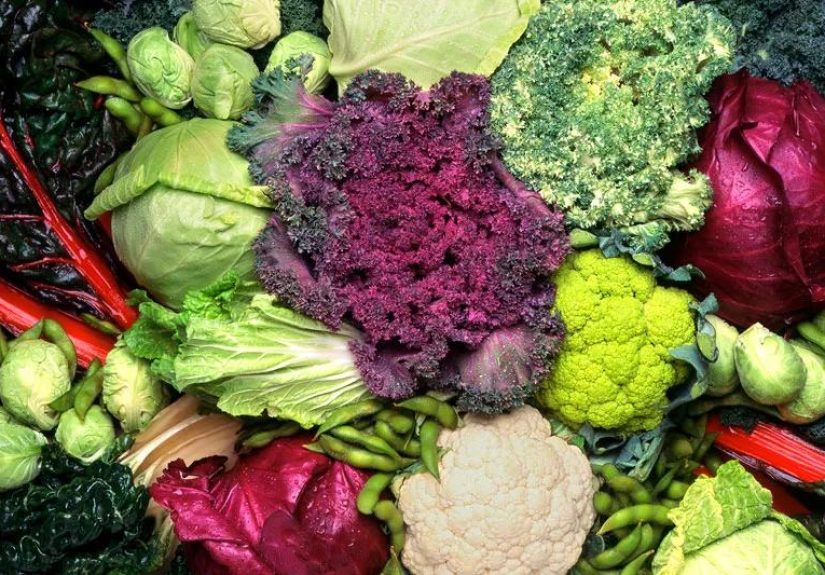
Common cruciferous vegetables you’ve definitely met
- Broccoli
- Cauliflower
- Brussels sprouts
- Cabbage (green, red, Napa)
- Kale, collard greens, mustard greens
- Bok choy
- Arugula, watercress
- Radishes, turnips, rutabaga
- Wasabi and horseradish (yes, those count toospicy little overachievers)
Why they’re unique: glucosinolates (and the “chop factor”)
Cruciferous vegetables are known for sulfur-containing compounds called glucosinolates. On their own, glucosinolates are
basically sleeping giants. But when you chop, chew, or crush these vegetables, glucosinolates can break down into
isothiocyanates (like sulforaphane) and indoles (like indole-3-carbinol).
That transformation is part of why these veggies show up so often in research on cancer prevention, inflammation, and metabolic health.
Translation: your cutting board is not just prepit’s chemistry class. (But tastier, and with fewer pop quizzes.)
Cruciferous Vegetables: 5 Health Benefits
1) They support your body’s natural detox and antioxidant defenses
Your body is already built to handle daily exposure to “stuff”pollution, smoke, certain food byproducts, and the normal wear-and-tear of metabolism.
Cruciferous vegetables are studied because their breakdown compounds (especially isothiocyanates like sulforaphane) may help support
antioxidant activity and the enzymes your body uses to process and eliminate potentially harmful compounds.
Think of it like upgrading from a basic broom to a decent vacuum. You’re still cleaning, but you’re doing it more effectively.
This is one reason broccoli and its relatives are often described as supporting “detoxification” pathways in a nutrition context.
It’s not a magic cleanseit’s a food pattern that supports normal physiology.
2) They’re linked to cancer-protective effects (without promising miracles)
No single food “prevents cancer.” But a dietary pattern rich in vegetablesespecially cruciferous oneshas been associated with a lower risk of certain cancers
in many observational studies. Researchers are particularly interested in indoles and isothiocyanates, which have been studied for roles in:
- Helping protect cells from damage (antioxidant and anti-inflammatory effects)
- Supporting the breakdown and removal of potential carcinogens
- Influencing pathways related to abnormal cell growth (in lab and animal research)
Here’s the practical takeaway: adding cruciferous vegetables to your weekly routine is one of those “high upside, low downside” moves.
It’s not a guarantee, but it’s a strong, evidence-informed habit that stacks the odds in your favorlike wearing sunscreen instead of
arguing with the sun about fairness.
3) They support heart health with fiber, potassium, and anti-inflammatory nutrients
Heart health isn’t about one superhero nutrientit’s about the steady, boring (and effective) habits: fiber, plant variety, fewer ultra-processed foods,
and a reasonable relationship with salt and sugar. Cruciferous vegetables help because they’re:
- High in fiber, which supports healthy cholesterol levels and overall cardiovascular health
- Nutrient-dense, often providing vitamin C, folate, and sometimes lots of vitamin K
- Low in calories but filling, which supports weight management (a heart-health win)
If your goal is to eat in a heart-smart way, cruciferous veggies fit nicely into the “half your plate is plants” strategy.
They’re also easy to pair with healthy fats (olive oil, avocado) and lean proteins (fish, beans, chicken) for a meal that doesn’t feel like punishment.
4) They feed your gut microbiome (and can improve “regularity”)
Your gut microbiome loves variety and fiber. Cruciferous vegetables bring both, plus naturally occurring compounds that gut microbes can interact with.
The result is often better digestion over timeespecially when these vegetables replace lower-fiber foods.
A bonus: fermented crucifers like sauerkraut, kimchi, and some pickled cabbage preparations add tangy flavor and can contribute beneficial microbes
(depending on how they’re made). If you’re trying to improve gut health, cruciferous vegetables are basically the “work friend” who always shows up
early and brings snacks.
5) They support weight management and blood sugar balance (because they’re satisfying)
Cruciferous vegetables are a dream team for satiety: high water content + fiber + volume. You can eat a generous portion and still keep calories reasonable,
which helps if you’re trying to manage weight without living in a state of constant snack-based panic.
For blood sugar, fiber slows digestion and can help reduce sharp spikes when you’re eating carb-containing meals. Swapping part of a refined-carb side
(like fries or white rice) for roasted cauliflower, cabbage slaw, or sautéed greens can make the whole meal more balancedwithout feeling like you gave up joy.
How to get more benefits (and better flavor) from cruciferous veggies
Use cooking methods that keep them tasty and not tragic
- Roast: High heat caramelizes edges (hello, flavor) and reduces bitterness.
- Quick steam: A few minutes keeps them bright and crisp-tender.
- Sauté: Great for greens, cabbage, and shredded Brussels sprouts.
- Raw, but smart: Slaws and salads work best when sliced thin and dressed (acid + salt helps soften).
The “chop, then wait” trick (especially for broccoli)
Some research suggests that chopping broccoli and letting it rest before cooking can help with the formation of sulforaphane-related compounds.
Another clever hack: add a small amount of mustard powder or mustard seed to cooked broccolimustard can provide myrosinase activity that supports
sulforaphane formation even after heat has reduced it.
No, you don’t need a stopwatch and a lab coat. But if you like kitchen-nerd upgrades, this one is genuinely fun.
Who should be a little careful?
Cruciferous vegetables are healthy for most people, but a few situations deserve extra attention:
If you take warfarin (blood thinners)
Some cruciferous vegetablesespecially leafy greens like kale and collardscan be high in vitamin K. Vitamin K can affect warfarin activity, so the goal
is usually consistency, not avoidance. Don’t suddenly triple your kale intake without talking to your clinician.
If you have hypothyroidism or iodine deficiency
Cruciferous vegetables contain goitrogenic compounds that can interfere with iodine use in the thyroid, especially if eaten in very large amounts and
particularly when raw. For most people eating normal servings (and getting adequate iodine), this isn’t a big issue. Cooking can reduce goitrogenic activity,
and moderation is usually the winning strategy.
If you have IBS or are sensitive to FODMAPs
Some cruciferous vegetables can cause gas or bloatingespecially raw cabbage, broccoli stems, and large portions. If your gut complains loudly, start with
smaller servings, choose cooked versions, and build up slowly.
A simple weekly game plan (so this actually happens)
If you want the benefits, the secret is not “eat a mountain of kale once.” It’s repetition. A realistic plan:
- Pick 2–3 favorites (like broccoli, cabbage, and Brussels sprouts).
- Eat one crucifer per day (even a small serving counts).
- Rotate colors and types (greens + cabbage + cauliflower = variety without drama).
- Batch-prep: roast a sheet pan of broccoli/Brussels sprouts, shred cabbage for slaw, sauté greens once.
If you’re following U.S.-style nutrition guidance, most adults are aiming for roughly a few cups of vegetables per day depending on age and calorie needs.
Cruciferous vegetables are an easy way to get there because they add volume, texture, and nutrients without requiring a culinary degree.
Experience-based section: what it’s like to add more cruciferous vegetables (about )
When people start eating more cruciferous vegetables, the first “experience” is usually not a dramatic glow-up with angelic choir music.
It’s more like: “Why is my fridge suddenly full of green things?” and “Okay, why does cabbage take up the space of a small sofa?”
That said, a lot of folks notice changes over a few weeksespecially when the switch replaces ultra-processed sides or low-fiber meals.
One of the most common early observations is digestive feedback. If you go from “some vegetables sometimes” to “hello, I am now a Brussels sprout person,”
your gut may stage a tiny protest. Gas and bloating can show up, especially with raw crucifers. The workaround is simple: start with smaller portions,
choose cooked versions, and gradually increase. Many people find that their comfort improves as their gut adjustskind of like easing into a new workout plan
instead of doing 200 squats on day one and blaming chairs for existing.
Flavor-wise, people often discover that they didn’t hate broccolithey hated overcooked broccoli. Roasting tends to convert skeptics because it adds
caramelized edges and a nutty taste. A practical “gateway” approach is to pair crucifers with bold, friendly flavors:
lemon + olive oil, garlic + parmesan, chili flakes, tahini, or a yogurt-based sauce. These combos make vegetables feel like part of dinner, not a side quest.
Another real-life shift is satiety. Many people report feeling more satisfied when they build meals around a bigger vegetable portionespecially when that portion
is cruciferous and cooked well. For example, adding a heap of roasted cauliflower and sautéed greens to a protein-and-grain bowl can reduce the “I need snacks
immediately” feeling later. It’s not because crucifers are magicalit’s because fiber and volume help you feel full.
Meal prep becomes easier than expected once you treat crucifers like flexible ingredients. Shredded cabbage can become slaw, stir-fry, taco topping, or soup base.
Brussels sprouts can be halved and roasted, thin-sliced for a quick sauté, or tossed into a sheet-pan dinner with chicken and sweet potatoes. Broccoli can go into
pasta, omelets, salads, or a simple side. People who succeed long-term usually keep it boring-smart: repeat a few go-to preparations and rotate the seasonings.
Finally, there’s the social reality: cruciferous vegetables have… a reputation. If you’re worried about “broccoli breath” or the aromatic personality of cabbage,
you’re not alone. Cooking methods help (quick cooking beats long simmering for smell), and adding acids like lemon or vinegar can brighten flavor.
The bigger point is this: you don’t need to eat these vegetables perfectly. You just need to eat them often enough that their benefits become part of
your normal routine.
Conclusion
Cruciferous vegetables are one of the best “return on effort” foods you can add to your diet. They’re packed with fiber, vitamins, and unique plant compounds
(glucosinolates) that break down into bioactive helpers like sulforaphane and indoles. Regularly eating crucifers is linked to benefits for antioxidant defenses,
cancer-protective mechanisms, heart health, gut health, and weight managementwithout requiring expensive powders or dramatic diet rules.
Start small, cook them in ways you actually enjoy, and aim for consistency. Your future self will thank you. Your current self can still roast them with olive oil
and call it self-care.