Table of Contents >> Show >> Hide
- What Is Biotin, and What Does It Do?
- How Much Biotin Do You Need (and Are You Getting It Already)?
- Biotin Deficiency: Rare, but Not a Myth
- Hair, Skin, and Nails: The Most Famous Claim (and the Most Overhyped)
- Biotin and Pregnancy: A Real-Life “Maybe,” Not a Marketing Slogan
- Biotin, Blood Sugar, and Metabolism: Plausible Biology, Modest Proof
- High-Dose Biotin and Multiple Sclerosis: A Cautionary Tale
- Is Biotin Safe? Mostly YesBut Here’s the Big Risk
- Who Might Actually Benefit from Biotin Supplements?
- Practical Ways to Support Hair, Skin, and Nails (Without Betting Everything on Biotin)
- The Bottom Line: What Science Supports
- Experiences People Have with Biotin (and How to Make Sense of Them)
Biotin has had a serious glow-up. Once a quietly hardworking B vitamin, it’s now the headliner in “hair, skin, and nails” gummies that taste suspiciously like candy
and promise the kind of transformation usually reserved for movie montages. But biotin isn’t magicit’s biochemistry. And the difference matters.
This article breaks down what biotin (vitamin B7) actually does in the body, what researchers have found about popular claims (especially hair and nails),
who might genuinely benefit from supplementation, and the biggest “plot twist” in the biotin story: lab test interference that can lead to misleading medical results.
(Yes, your cute supplement can mess with a very not-cute blood test.)
What Is Biotin, and What Does It Do?
Biotin is a water-soluble B vitamin (vitamin B7, sometimes called vitamin H) that helps enzymes do their jobs.
Its main claim to fame is acting as a cofactor for several “carboxylase” enzymestools your body uses to process fats, carbohydrates, and proteins.
Translation: biotin helps your body turn food into usable energy and building blocks.
Biotin also supports normal cell growth and is involved in pathways that affect gene expression. That doesn’t mean “more is better.”
It means biotin is essentiallike oil in an engine. Necessary? Absolutely. A personality makeover for your hairline? Not automatically.
How Much Biotin Do You Need (and Are You Getting It Already)?
In the U.S., the recommended intake for biotin is listed as an Adequate Intake (AI) rather than an RDA, because there isn’t enough evidence to set a true RDA.
For most adults, the AI is 30 micrograms (mcg) per day. For breastfeeding adults, it’s 35 mcg per day.
Those numbers are tinymicrograms, not milligramsso if your supplement label looks like it belongs on a spaceship control panel (5,000–10,000 mcg),
you’re not imagining things.
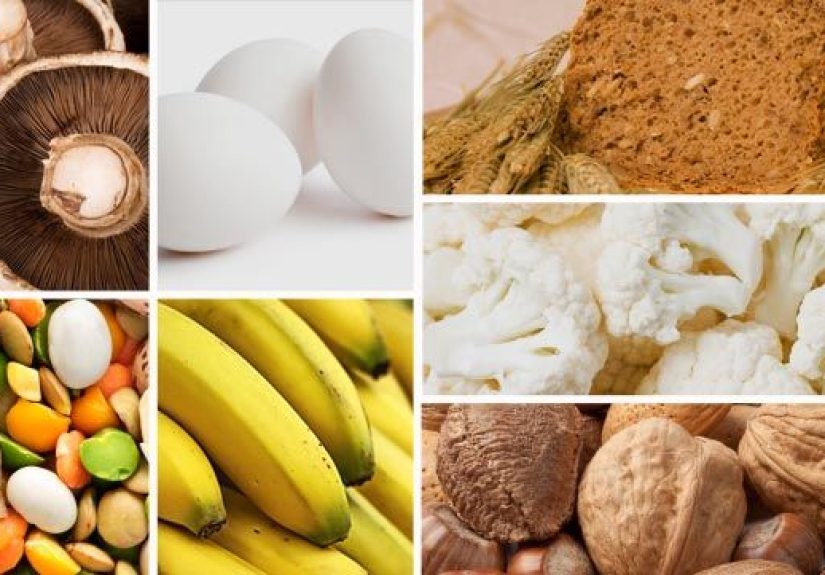
The good news: many people get enough biotin from food. Biotin appears in a wide range of everyday itemseggs, salmon, meat, nuts, seeds,
and some vegetables like sweet potatoes. Your gut bacteria may also contribute some biotin, though how much that helps in real life is still being studied.
Food-first biotin sources (realistic examples)
- Cooked egg: a solid biotin contributor (and a breakfast MVP).
- Salmon: biotin plus protein and omega-3sbasically a nutrient group project where everyone does their part.
- Sunflower seeds, almonds: easy add-ins for snacks or salads.
- Sweet potato: comforting, practical, and not trying to sell you a subscription plan.
A quick caution about raw egg whites
Raw egg whites contain a protein called avidin that can bind biotin and reduce absorption. Cooking denatures avidin, which is a fancy way of saying:
the stove fixes the problem. If you’re regularly consuming raw egg whites (for example, in certain bodybuilding routines), biotin status can become a concern.
Biotin Deficiency: Rare, but Not a Myth
True biotin deficiency is considered uncommon in healthy people eating a typical mixed diet. When it does happen, symptoms can include
hair thinning or hair loss, a scaly red rash (often around the eyes, nose, and mouth),
brittle nails, and neurological symptoms like fatigue, mood changes, or tingling sensations.
In severe cases, deficiency can be seriousespecially in certain genetic conditions.
Who is more likely to have low biotin status?
- People with biotinidase deficiency (a rare inherited disorder). Newborn screening in the U.S. helps identify it early so treatment can prevent complications.
-
Pregnant people may develop marginal biotin deficiency more often than you’d expect, even with normal intake.
The clinical significance is still being clarified, but it’s one reason prenatal care matters. - Chronic heavy alcohol use can reduce biotin absorption and status.
- People taking certain anti-seizure medications (some anticonvulsants) may have lower biotin levels over time.
-
Some medical situations that affect absorption (for example, certain gastrointestinal conditions or surgeries) may increase need,
and that determination should be made with a clinician.
Here’s the key scientific idea: when deficiency is the problem, biotin can be the solution. But when deficiency is not present, the benefit case becomes much less convincing.
Hair, Skin, and Nails: The Most Famous Claim (and the Most Overhyped)
Let’s be fair to biotin: deficiency can absolutely show up as hair loss, rash, and brittle nails. That connection is real.
The leap happens when marketing turns that truth into “biotin will make everyone’s hair grow faster.”
In science terms, that’s like saying “water prevents dehydration” and then concluding “more water guarantees you’ll run a marathon PR.”
What the evidence suggests for brittle nails
Among beauty-related claims, nails have the best (still limited) support. A few small studiesoften without placebo groupshave reported improvements in brittle nails
with 2.5 mg (2,500 mcg) per day taken for several months. Some participants showed increased nail thickness and better firmness.
The catch: these studies were small, and many didn’t clearly document participants’ baseline biotin status.
That makes it hard to know whether biotin helped because people were low to begin withor because nails sometimes improve with time and better care.
What the evidence suggests for hair growth
For hair, the strongest published support is not “biotin makes hair grow” in the average healthy adult.
Instead, evidence tends to show benefits in specific contextslike rare hair-shaft disorders in children or situations involving confirmed deficiency.
For general hair thinning in biotin-sufficient people, high-quality trials are scarce, and the overall evidence remains unconvincing.
What about skin?
Skin claims are even thinner. Some case reports (often in infants with specific issues) suggest biotin may help certain rashes in deficiency-related situations.
But for the average person with normal intake, there isn’t strong evidence that biotin supplements reliably improve skin appearance.
Biotin and Pregnancy: A Real-Life “Maybe,” Not a Marketing Slogan
Research suggests that a meaningful percentage of pregnant people can develop marginal biotin deficiency even when they consume typical amounts.
Scientists are still working to understand what that means clinically, but it’s one reason prenatal nutrition is not the place for guesswork.
The practical takeaway isn’t “everyone should mega-dose biotin.” It’s:
follow evidence-based prenatal care, use prenatal vitamins as advised by your clinician, and avoid self-prescribing very high-dose supplements.
Biotin, Blood Sugar, and Metabolism: Plausible Biology, Modest Proof
Because biotin is involved in metabolic pathways, it’s been studied for potential roles in glucose metabolism and related markers.
You’ll see claims that biotin “supports healthy blood sugar,” sometimes paired with chromium in supplement formulas.
The science here is mixed and not robust enough to treat biotin as a stand-alone metabolic therapy for most people.
If you have diabetes or insulin resistance and you’re tempted by supplement promises, keep two thoughts in your pocket:
(1) meaningful improvements usually come from a comprehensive plan (nutrition, activity, sleep, medication when needed),
and (2) supplements can complicate lab testingbiotin included.
High-Dose Biotin and Multiple Sclerosis: A Cautionary Tale
Biotin isn’t only a beauty supplement. In the last decade, researchers explored very high-dose pharmaceutical-grade biotin (often around 100 mg/day)
for progressive multiple sclerosis (MS). An earlier trial suggested disability improvement in a subset of participants, which sparked real interest.
But later, larger and more rigorous research did not find significant benefit in disability outcomes or walking speed,
and experts raised concerns about high-dose biotin’s potential downsidesespecially interference with laboratory tests.
The current scientific direction is clear: high-dose biotin is not a recommended DIY experiment for neurological conditions.
If it’s used at all, it must be under specialized medical supervision.
Is Biotin Safe? Mostly YesBut Here’s the Big Risk
Biotin is water-soluble, and no tolerable upper intake level (UL) has been established due to lack of toxicity evidence at high intakes in humans.
That’s why you’ll hear “it’s safe” so often.
But safety isn’t only about side effects you can feel. It’s also about consequences you can’t seelike a lab test that lies to your doctor.
Biotin can interfere with certain lab tests
Many modern lab tests use biotin-streptavidin technology. If you take high-dose biotin, it can cause falsely high or falsely low results,
depending on the assay. This has been documented with thyroid tests, vitamin D tests, certain hormone tests, andmost importantlycardiac troponin,
a marker used when clinicians suspect a heart attack.
This is not theoretical. The FDA has warned that biotin interference can lead to missed or incorrect diagnoses.
If you take a biotin supplementespecially high-dose “beauty” formulastell your healthcare provider before blood work.
How long should you stop biotin before labs?
There isn’t one universal rule because it depends on dose, the specific test, and the lab platform.
Some clinicians suggest stopping biotin for at least 48 hours before certain labs, while others may recommend longer for very high doses.
The most reliable move is simple: disclose your supplement and let the clinician/lab guide the timing.
Medication interactions and special situations
Some anticonvulsant medications have been associated with lower biotin levels over time. If you take long-term medications, don’t “add biotin” as a reflex.
Ask a clinician whether it’s appropriate and whether it could affect monitoring labs.
Who Might Actually Benefit from Biotin Supplements?
Biotin supplements make the most sense in a small set of scenarios:
- Confirmed deficiency or strong clinical suspicion based on symptoms and risk factors.
- Inherited metabolic disorders like biotinidase deficiency (managed medically, often with lifelong supplementation).
- Specific medical conditions or surgeries that affect absorption, under clinician guidance.
- Brittle nails where other causes have been addressed and a clinician agrees a trial is reasonable.
For everyone else, the most evidence-based approach is “food first,” followed by troubleshooting what’s really going on.
For example, brittle nails can be linked to repeated wet/dry cycles, harsh solvents, frequent gel removal, low iron, thyroid issues, or simple genetics.
Hair shedding can follow illness, major stress, childbirth, rapid weight loss, or medication changes. In those cases, biotin may not be the main character.
Practical Ways to Support Hair, Skin, and Nails (Without Betting Everything on Biotin)
If your goal is healthier hair and nails, consider a broader strategy that actually matches how tissues grow:
- Prioritize protein (hair and nails are protein-rich structures).
- Check iron and thyroid status if you have unexplained hair lossunder clinical care.
- Be gentle with nails: reduce acetone exposure, wear gloves for dishwashing, moisturize cuticles.
- Give it time: nails grow slowly and hair cycles through phases, so meaningful changes often take months.
- Be suspicious of “overnight results” unless the “results” are just better lighting and a new haircut.
The Bottom Line: What Science Supports
Biotin is essential for metabolism and overall health, and deficiency can cause real problems including hair loss, rashes, and brittle nails.
But for people who already get enough biotin, the evidence that supplements reliably improve hair or skin is weak, and nail benefitswhile more promisingare still based on limited studies.
The most important, science-backed reason to take biotin seriously isn’t beautyit’s medical accuracy.
High-dose biotin can interfere with lab tests, including troponin and thyroid assays. If you take biotin supplements, disclose them before any blood work.
Experiences People Have with Biotin (and How to Make Sense of Them)
Let’s talk about the human sidethe part that doesn’t fit neatly on a supplement label. People’s experiences with biotin are often genuine,
even when the science is mixed. And that makes sense: bodies are complicated, and so are expectations.
Experience #1: “My nails stopped peeling!”
This is the most believable biotin success story, because brittle nails have the best (though still limited) evidence base.
A common pattern looks like this: someone has nails that split, peel, or break constantly, and after a few months on biotin, the new growth feels tougher.
If you picture your nail as a slow-moving conveyor belt, this timing makes sensewhat you see today was “manufactured” weeks ago.
Even if biotin isn’t the only factor, a consistent routine can help: fewer harsh solvents, more moisturizing, and better overall nutrition.
In real life, those changes often happen at the same time someone starts a supplementso biotin gets the credit (sometimes fairly, sometimes as the lucky bystander).
Experience #2: “My hair looks better… but is it actually growing?”
Many people report that their hair feels shinier, looks fuller, or seems to shed less after starting biotin.
There are a few non-mystical explanations. First, hair growth is slow, so “new growth” takes time to show.
Second, some causes of shedding (like stress-related telogen effluvium) improve naturally over monthsoften right around the time someone is faithfully taking a new supplement.
Third, once you care about hair, you usually start doing other helpful things: gentler brushing, less heat styling, better protein intake, improved sleep.
Those upgrades can make hair appear healthier even without a biotin-specific effect.
Experience #3: “Nothing happened, and I’m annoyed.”
This is also commonespecially among people who weren’t deficient to begin with. If your diet already supplies adequate biotin, your body may not have a “biotin gap” to fill.
That doesn’t mean you did anything wrong. It means the limiting factor might be something else:
iron status, thyroid function, overall protein intake, scalp inflammation, genetics, medication effects, or simple wear-and-tear from styling.
In these cases, biotin can feel like buying premium gas for a car that actually needs a tire change.
Experience #4: “My lab results got weird.”
This one is less talked aboutbut it’s the most important. People sometimes learn about biotin interference the hard way,
after confusing thyroid numbers or a clinician asking, “Are you taking any supplements?” If you’re taking a high-dose beauty formula,
your best move is not panic; it’s transparency. Tell your provider exactly what you take and how much, and ask if you should pause before testing.
This is one area where being “that person who reads labels” is actually heroic.
A science-friendly way to try biotin (if you and your clinician decide it’s reasonable)
If you’re considering biotin for brittle nails or suspected low intake, treat it like a mini experiment:
take a clear “before” photo, track nail breakage frequency, and give it enough time (often 8–12 weeks or more) to evaluate new growth.
Keep everything else as consistent as possibleotherwise you’re testing “biotin + three other changes + hope.”
And if labs are coming up, disclose the supplement early so you can avoid confusion.
The most practical conclusion from people’s experiences is this: biotin isn’t useless, and it isn’t a miracle.
It’s a nutrient with real biological roles, a narrow set of situations where supplements can help, and one surprisingly big safety caveat.
If you keep your expectations realistic and your healthcare team informed, you’ll get the benefits of science and skip the unnecessary drama.