Table of Contents >> Show >> Hide
- 1. Not Every Beautiful Tile Belongs on the Bathroom Floor
- 2. Tile Size Changes More Than the Look of the Room
- 3. Grout Is Not a Side Character; It Is Half the Visual Story
- 4. The Lighting in Your Bathroom Will Change the Tile More Than You Expect
- 5. Layout and Pattern Matter as Much as the Tile Itself
- 6. The Best Tile Choice Balances Style, Maintenance, and Longevity
- The Bottom Line on Choosing Bathroom Tile
- Designer Notes From Real Bathroom Tile Decisions
- SEO Tags
Choosing bathroom tile sounds simple right up until you are standing in a showroom holding three sample boards, questioning your taste, your budget, and possibly your eyesight under terrible fluorescent lighting. Bathroom tile has a sneaky way of looking easy on Pinterest and wildly complicated in real life. One minute you are saying, “I just want something clean and classic.” The next minute you are deep in a debate about grout width, matte versus polished finishes, and whether hex tile is charming or a lifelong cleaning commitment.
Here is the truth designers learn early: the best bathroom tile is not just about what looks beautiful in a tiny sample. It is about how that tile behaves when wet, how it reflects light, how much grout it creates, how it makes a room feel, and how much patience you have for maintenance on a random Tuesday morning. Great bathroom design lives in the intersection of style and common sense.
If you are choosing tile for a primary bath, a guest bath, or a tiny powder room that you would like to look less like a broom closet with plumbing, these are the six things a designer really wishes you knew before you commit.
1. Not Every Beautiful Tile Belongs on the Bathroom Floor
The first designer reality check is this: wall tile and floor tile are not the same thing. A tile that looks gorgeous on a shower wall may be a terrible choice under your feet. Bathrooms are wet spaces, which means bathroom floor tile has to do more than look expensive. It has to help prevent slips, stand up to water, and tolerate daily use without becoming a regret with grout lines.
That is why a designer starts with function before color. In a bathroom, especially on the main floor or inside a shower, slip resistance matters. So does durability. Porcelain is a favorite for many designers because it is dense, water resistant, and well suited to wet environments. Ceramic can also work beautifully, but the specific product matters. The smartest move is to verify that the tile is rated for floor use and appropriate for wet interior spaces.
A polished tile may look sleek in a showroom, but in a real bathroom it can turn into an accidental ice rink the second someone steps out of the shower with wet feet. Matte, textured, or more slip-conscious finishes usually make more sense for floors. Meanwhile, a glossy or more decorative finish can shine on walls where traction is not part of the assignment.
Designer takeaway
Treat your bathroom floor like a workhorse and your bathroom walls like the jewelry. One should keep you upright. The other can show off.
2. Tile Size Changes More Than the Look of the Room
Most homeowners think tile size is a style decision. Designers know it is also a practical one. The size of your tile affects how large the room feels, how busy the surfaces look, how much grout you will see, and how easy the space will be to clean.
Large-format bathroom tile has become popular for a reason. Bigger tiles create fewer grout lines, which often makes a bathroom feel calmer, less cluttered, and easier to maintain. In a small bathroom, large tiles can visually stretch the space and make it feel more open. That is one of those design tricks that sounds fake until you see it work.
But smaller tile still has an important role. On shower floors, smaller mosaics are often the practical hero because they handle slope more easily and create more grout joints for traction. On curved surfaces, niches, or detailed accent areas, smaller shapes can also be more flexible and visually interesting.
The mistake is assuming one size should go everywhere. It usually should not. A designer might choose large-format porcelain on the bathroom floor and shower walls, then use a smaller mosaic on the shower pan. That combination gives you the clean visual effect of larger tile and the functional grip of smaller tile where it matters most.
Example
In a compact hall bathroom, 12-by-24 or 24-by-24 floor tile can make the space feel less chopped up. But on the shower floor, a penny tile or small mosaic often performs better because it follows the slope and adds traction. In other words, yes, your bathroom can have more than one tile size. It is not being indecisive. It is being smart.
3. Grout Is Not a Side Character; It Is Half the Visual Story
Designers never treat grout as an afterthought, because grout has a shocking amount of power. It affects the final color palette, the level of contrast, the amount of visible pattern, and how much cleaning you will be doing later. So when someone says, “I’ll pick the grout later,” a designer hears, “I enjoy chaos.”
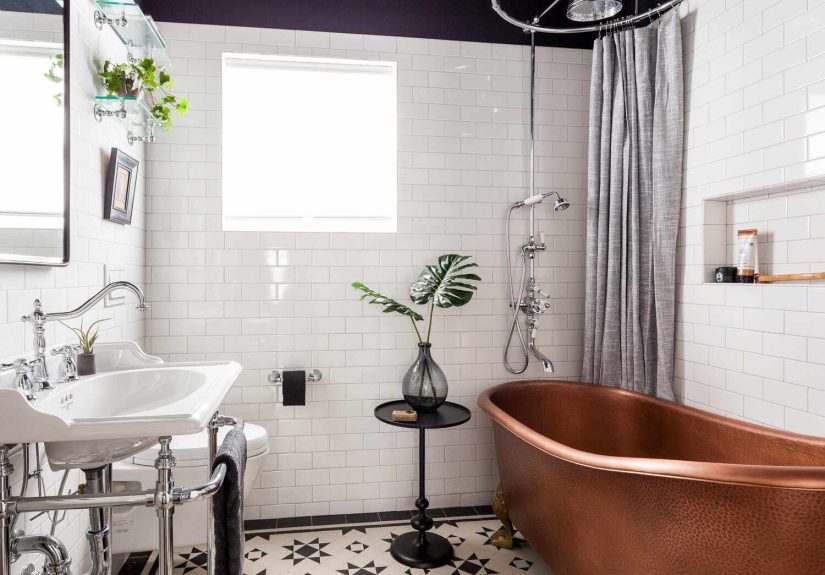
Let’s start with color. Matching grout makes tile look more seamless and subtle. Contrasting grout highlights each tile and draws attention to the pattern. White subway tile with white grout feels soft and classic. White subway tile with dark grout looks graphic and more casual. The tile did not change. The mood did.
Then there is grout width. Narrow joints can look sleek and modern, while wider joints emphasize the grid and can feel more handcrafted or traditional. But width is not only about style. It also depends on the tile type, size variation, and installation method. Some tiles can handle tight grout lines; others need a bit more room to look right and perform well.
Finally, grout type matters. In busy bathrooms, many designers like the idea of choosing a grout that is easier to maintain and less likely to stain. A beautiful tile installation can lose its charm fast when the grout starts looking tired, dingy, or impossible to clean.
Designer takeaway
If you want the tile to whisper, match the grout. If you want the tile to speak up, contrast it. If you never want to crouch on the floor muttering at mildew, choose grout with maintenance in mind from the beginning.
4. The Lighting in Your Bathroom Will Change the Tile More Than You Expect
Bathroom tile never looks the same everywhere. That dreamy warm beige sample you loved at the store can turn pink at home. The soft gray tile you thought felt calm can suddenly read icy, flat, or slightly haunted under cool vanity lights. Designers know this, which is why they are almost annoyingly committed to samples.
Bathroom lighting is tricky because most bathrooms use a mix of natural light, overhead light, task lighting, and reflective surfaces. Add glossy tile, mirrors, metal fixtures, and bright white paint, and suddenly color becomes a moving target. Finish matters too. Glossy tile bounces light and can feel brighter and more dramatic. Matte tile absorbs light more softly and often feels warmer, calmer, and more forgiving.
This is especially important when you are choosing white tile, greige tile, pale green tile, or anything with undertones. Bathrooms do not reward guesswork. Always view tile samples in the actual room, at different times of day, against your vanity finish, paint color, and countertop if possible. That extra step can save you from installing an entire wall of “why does this look lavender now?”
Quick rule
Never choose bathroom tile based only on a showroom display or a phone screen. Tiles love to lie under flattering lighting. Test them at home where the relationship has consequences.
5. Layout and Pattern Matter as Much as the Tile Itself
Homeowners often focus on the tile and forget the layout. Designers know the pattern is where much of the personality lives. The exact same tile can feel classic, modern, relaxed, formal, playful, or expensive depending on how it is installed.
A straight stacked layout feels crisp and contemporary. A running bond or brick pattern feels familiar and timeless. Herringbone adds motion and sophistication. Vertical stacking can make a ceiling feel taller. Large square tile laid in a grid can feel calm and architectural. Even changing the direction of a rectangular tile can shift how wide or tall the room appears.
This is also where good design gets strategic. A layout can help reduce awkward cuts, frame a focal wall, highlight a niche, or visually balance a vanity and shower area. On the flip side, a poor layout can make even expensive tile look accidental. Tiny slivers at edges, badly aligned transitions, and random pattern changes can cheapen the whole room.
That is why designers plan tile layout before ordering material, not after. They think about focal lines, centering, corners, transitions, drain placement, and how the tile meets trim, stone, paint, or wallpaper. It sounds fussy, but it is the difference between “custom bathroom” and “something went sideways near the toilet.”
Example
Basic white subway tile can look builder-grade in one bathroom and beautifully tailored in another. Often the difference is not the tile itself. It is the layout, grout choice, scale, and the confidence of the design decisions around it.
6. The Best Tile Choice Balances Style, Maintenance, and Longevity
Designers love a dramatic bathroom moment as much as anyone. But they also know that a tile decision has to survive real life. That means hard water spots, soap residue, steam, cleaning products, dropped hair tools, and the occasional family member who treats the bathroom like a splash zone. The prettiest tile in the world loses points if it is exhausting to maintain.
This is where finish, texture, color variation, and grout all come back into the conversation. Highly polished dark tile may look glamorous, but it can show every water spot and smudge. Very textured tile may add character, but it can be harder to wipe down in a shower. Tiny mosaic on every bathroom surface may look charming in a photo, but it also means a lot more grout to clean. A trendy shape or color can be fun, but it is smarter to use the boldest choices where they can be swapped out more easily, or where they will not dominate the whole room forever.
A designer usually aims for a bathroom that feels current without becoming dated too fast. That often means choosing foundational tile that has staying power, then adding personality through paint, lighting, mirrors, hardware, textiles, or a smaller accent area. The goal is not to play it safe. The goal is to be selective about where you take risks.
Designer takeaway
Choose bathroom tile for the life you actually live, not the fantasy version of yourself who deep-cleans grout for fun on Sunday mornings.
The Bottom Line on Choosing Bathroom Tile
If a designer could hand every homeowner one note before a bathroom remodel, it would be this: stop treating tile as a purely decorative decision. The best bathroom tile is a balance of performance and beauty. It should feel right underfoot, work with the room’s lighting, support the layout, fit the scale of the space, and make sense for your cleaning habits.
So before you choose the tile that looks best in a tiny sample, ask better questions. Is it right for wet areas? Will the finish be slippery? How much grout will it create? How will it look in my lighting? Will I still like it after the honeymoon phase and three months of toothpaste splatter?
That is how designers think. And honestly, it is a much better strategy than choosing a tile because it was labeled “spa-inspired” next to a fake eucalyptus branch.
Designer Notes From Real Bathroom Tile Decisions
One of the most useful experiences homeowners can borrow from designers is the lesson that the “perfect tile” usually reveals itself only after practical questions are answered. In many real remodels, the first tile a client falls in love with is not the one that gets installed. That is not because the original choice was ugly. It is because once the room dimensions, lighting, shower slope, grout color, and maintenance needs are considered, a more balanced option starts to look better and better.
A common example is the small-bathroom remodel where the homeowner assumes tiny tile will suit a tiny room. Designers often discover the opposite. Once larger floor tile is laid out, the room suddenly feels cleaner and more open because there are fewer interruptions. Then, when a small mosaic is reserved just for the shower floor or a niche, the room gains detail without becoming visually busy. The experience teaches an important lesson: “small room equals small tile” is not a rule. It is just a myth that refuses to retire.
Another frequent experience comes from grout decisions. Many people think grout color is minor until they see mockups side by side. A soft white grout can make a bathroom feel calm and continuous. A dark charcoal grout can make the exact same tile feel punchy and graphic. In real projects, this is often the moment when clients realize they were not actually choosing between two tiles. They were choosing between two personalities for the whole bathroom. It is a surprisingly dramatic reveal for something that comes in a bag.
Lighting is another classic plot twist. Designers regularly bring tile samples into the house and watch them change personality all day long. A warm off-white may look creamy and elegant in morning light, then feel yellow under certain vanity bulbs. A cool gray can look sophisticated in the showroom and strangely sterile once installed next to warm wood cabinetry. This experience is why seasoned designers push sampling so hard. It is not fussiness. It is self-defense.
There is also the maintenance lesson that people usually learn one of two ways: from a designer’s warning or from their own future annoyance. Bathrooms with too much tiny tile, high-contrast grout in messy zones, or super glossy dark finishes can look stunning on day one. Six months later, some homeowners feel like they are maintaining a museum exhibit devoted to water spots. The best design experiences are the ones where beauty survives daily use, not the ones that photograph well once and then demand constant apologizing.
Perhaps the biggest experience designers carry from project to project is that bathrooms feel best when the tile choices are edited, not overloaded. A room with one strong field tile, one supporting floor tile, and one accent often feels more confident than a room trying to showcase seven opinions at once. When materials are chosen with restraint, the vanity, fixtures, mirrors, and lighting all get room to breathe. The final bathroom feels intentional, polished, and easier to love long-term. That is the kind of result people usually mean when they say they want something timeless, even if what they really started with was a screenshot and a dream.