Table of Contents >> Show >> Hide
- The Big Picture: How Long Does Knee Replacement Recovery Take?
- Before We Zoom In: What “Good Progress” Actually Means
- The First 12 Weeks, Broken Down
- Days 0–3: The “We’re Doing This” Phase
- Week 1: Home Base, Ice Packs, and Tiny Victories
- Week 2: Follow-Up Visits and a More Predictable Routine
- Weeks 3–4: More Motion, More Confidence (and Possibly More “Why Am I Still Swollen?”)
- Weeks 5–6: The “Back to Many Normal Activities” Milestone
- Weeks 7–8: Strength Starts to Show Up in Daily Life
- Weeks 9–12: The Foundation Phase Pays Off
- Common Questions People Google at 2 a.m.
- What Can Slow Recovery (So You Can Outsmart It)
- When to Call Your Surgeon: Red Flags to Take Seriously
- Practical Tips That Make the First 12 Weeks Easier
- Experience Section: What Recovery Feels Like in Real Life (About )
- Conclusion
A knee replacement can feel like you traded in a cranky, squeaky door hinge for a shiny new oneonly to discover
the “installation process” comes with swelling, rehab homework, and a temporary obsession with ice packs.
The good news: for many people, the biggest leaps in comfort and function happen early, especially in the first
12 weeks. The less-fun news: recovery isn’t a straight line. It’s more like a sidewalk with a few surprise
potholes (and sometimes a very dramatic sock).
This guide walks through the first 12 weeks after a total knee replacement (total knee arthroplasty):
what usually happens, what “normal” can look like, and what milestones matter most. Keep in mind: your surgeon’s
protocol and your personal health history always win any argument with an internet article.
The Big Picture: How Long Does Knee Replacement Recovery Take?
Recovery has two timelines happening at once:
- Short-term recovery (first 3–12 weeks): getting swelling down, rebuilding motion, walking more comfortably, and regaining independence.
- Long-term recovery (months to a year): strength, endurance, and “this knee finally feels like it belongs to me” progress.
Many people can resume a lot of everyday activities within the first several weeks, but it’s also normal to feel
like your knee is still “under construction” for months. The first 12 weeks are where you typically build the
foundation: range of motion, walking mechanics, and strength that supports everything else.
Before We Zoom In: What “Good Progress” Actually Means
It’s tempting to measure recovery by one dramatic milestone (“I walked without a cane!”). But surgeons and physical
therapists tend to care about a few steady indicators:
- Pain trend: not “zero pain,” but pain that’s gradually easier to manage.
- Swelling trend: less puffy over time, especially with activity.
- Range of motion: improving bend and straightening (extension matters a lot for walking).
- Function: safer transfers, steadier walking, better stamina.
- Confidence: moving without holding your breath like you’re defusing a bomb.
The First 12 Weeks, Broken Down
Days 0–3: The “We’re Doing This” Phase
Most people start standing and walking with help very soon after surgeryoften the same day or next dayusing a
walker or crutches. Early movement isn’t just about bravery; it helps circulation, reduces stiffness, and starts
retraining your gait.
Common themes:
- Frequent short walks (think “laps,” not “hikes”).
- Basic exercises like ankle pumps and gentle leg motion.
- Pain control plan (which may include a mix of medications).
- Learning safe ways to get in/out of bed and up/down from chairs.
Week 1: Home Base, Ice Packs, and Tiny Victories
The first week at home is often a mix of relief (your own pillow!) and reality (why is my knee so loud when I move?).
Swelling and bruising are common. Sleep can be weird. Your goals usually focus on safety and consistency:
- Protect the incision and follow wound-care instructions.
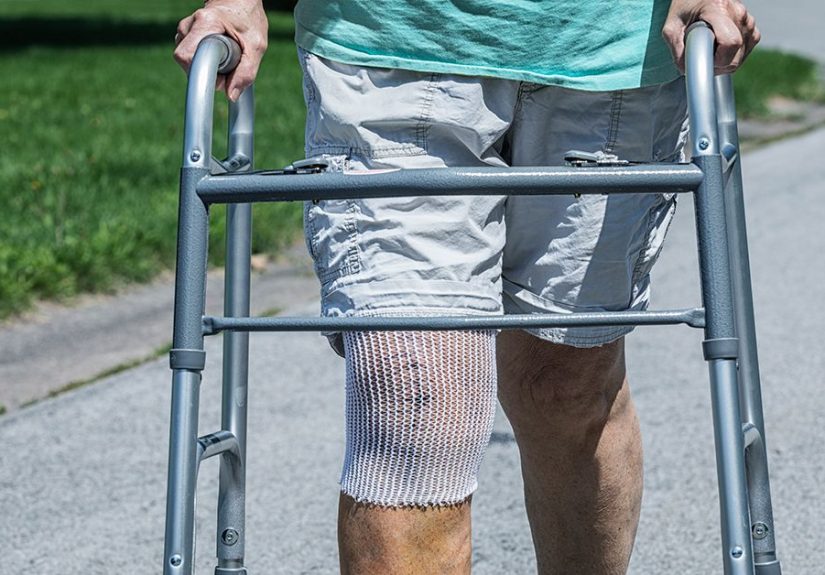
- Walk frequently in short bursts, using your walker as prescribed.
- Do your home exercises faithfully (yes, even when the couch whispers, “Skip it.”).
- Practice bending and straightening as guided by your care team.
Pro tip: recovery is often better measured by “I did a little more than yesterday” than by comparing yourself to a
neighbor’s cousin’s friend’s miraculous story.
Week 2: Follow-Up Visits and a More Predictable Routine
Around this time, many people have a post-op check to review incision healing and remove staples/stitches if needed
(timing varies). You may notice:
- Less “sharp” surgical pain, but more soreness and tightness with movement.
- Walking is still tiring, but you may feel steadier doing basic household laps.
- Your knee may feel warmoften normal during healing.
If you’re starting outpatient physical therapy soon (or already in it), expect sessions to focus on motion, walking
mechanics, and gradual strengthening. The goal isn’t to win PTyour prize is function.
Weeks 3–4: More Motion, More Confidence (and Possibly More “Why Am I Still Swollen?”)
Weeks 3–4 are when many people start noticing meaningful day-to-day improvementsgetting around the house more
smoothly, needing fewer “planning meetings” before standing up, and feeling less overwhelmed.
What often happens in this window:
- Walking aid progression: some people begin transitioning from a walker toward a cane, depending on balance and strength.
- Stairs practice: typically with a railing and a very sensible amount of caution.
- PT intensity increases: more targeted strengthening for quads, hips, and glutes (your knee likes supportive friends).
- Energy dips: fatigue can linger, even as pain improves.
Weeks 5–6: The “Back to Many Normal Activities” Milestone
By about six weeks, many people can do most routine daily activities more comfortablythough “comfortably” might
still include swelling after a busy day. This is also the timeframe many people discuss:
- Walking without a walker (often with a cane first, then gradually less reliance).
- Driving if you’re off opioid pain meds, can control the leg safely, and your surgeon clears youtiming depends on which knee was replaced and your reaction time.
- Returning to desk work for some people, while more physical jobs may require more time.
One reality check: your knee may still be stiff in the morning and puffy at night. That’s not failure. That’s biology.
Weeks 7–8: Strength Starts to Show Up in Daily Life
If weeks 1–6 are about reclaiming basics, weeks 7–8 are where people often notice strength translating into real-world
function: longer walks, smoother stairs, easier car transfers, and less “I must locate a chair immediately.”
- PT may add more balance and endurance work.
- Low-impact cardio (like a stationary bike) is often part of the plan if cleared.
- Swelling may still flare after busy days, but recovery from those flares often improves.
Weeks 9–12: The Foundation Phase Pays Off
Around the 12-week mark, many people feel significantly more independent and capable than they did early on. For
a lot of patients, this is when they start thinking less about “recovery” and more about “life,” even though full
healing and strength-building continue beyond this point.
Typical progress may include:
- Longer walks with better gait mechanics.
- More confidence on stairs (still using rails when needed).
- More comfortable sleep for many (though not always perfect yet).
- Improved knee bend and straighter leg extension.
- Greater stamina for errands, social activities, and light travel (with breaks).
Common Questions People Google at 2 a.m.
When can I drive after knee replacement?
Many surgeons talk about a 4–6 week window for driving, sometimes longer depending on which knee was
operated on, your strength and reaction time, and whether you’re still taking medications that impair alertness.
The safest answer is: drive only after your surgeon clears you and you can brake confidentlyno “hope braking.”
When can I go back to work?
Desk jobs may be possible in the 4–6 week range for some people (sometimes sooner with accommodations),
but jobs that involve heavy lifting, prolonged standing, climbing, or lots of walking often need more timecommonly
closer to 8–12+ weeks, and sometimes longer. Planning a phased return can help: fewer hours, more breaks,
and a realistic relationship with your swelling.
How long will swelling last?
Swelling can improve a lot in the first 6–12 weeks, but mild swelling may linger for monthsespecially after activity.
Think of swelling as your knee’s way of filing a complaint after a long day. Ice, elevation (as instructed), and smart
pacing often help.
Is it normal that my knee is warm or clicks?
Warmth can be common during healing. Clicking can also happen with some knee replacements. What matters is the pattern:
if warmth, swelling, redness, or pain suddenly gets worseespecially with fevercall your care team.
What Can Slow Recovery (So You Can Outsmart It)
Not all setbacks are avoidable, but many are predictable. A few common speed bumps:
- Doing too much on a “good day” and paying for it with a two-day swelling festival.
- Skipping exercises because you’re stiff… which tends to create more stiffness.
- Not managing pain well enough to move (movement is a key part of recovery).
- Weak hip and core muscles, which can make walking mechanics harder and strain the knee.
- Fear of movement, which is understandablebut rehab is how confidence returns.
When to Call Your Surgeon: Red Flags to Take Seriously
It’s normal to have soreness, swelling, and fatigue. But certain symptoms should prompt a call to your clinician or
urgent evaluation, especially if they’re new, severe, or worsening:
- Fever (for many discharge instructions, around 101°F / 38.3°C or higher).
- Increasing redness, warmth, or drainage from the incision.
- Bleeding that soaks the dressing and doesn’t stop with pressure (per your instructions).
- Calf pain, unusual swelling, or color changes in the foot/toes (possible clot concerns).
- Chest pain or shortness of breath (seek emergency care).
When in doubt, call. No one gets a trophy for “toughing it out” against an avoidable complication.
Practical Tips That Make the First 12 Weeks Easier
Set up your home like a friendly obstacle course (friendly is the key word)
- Clear cords and loose rugs.
- Keep essentials at waist height (no deep squats for the remote).
- Have a stable chair with arms for easier sit-to-stand.
Use the “little and often” rule
Frequent short walks and consistent exercises usually beat one heroic burst of activity. Your knee wants repetition,
not surprise marathons.
Track progress weekly, not hourly
Hour-to-hour recovery is moody. Week-to-week recovery tells the truth. If you can do more than last weekwalk farther,
stand longer, move easieryou’re moving in the right direction.
Experience Section: What Recovery Feels Like in Real Life (About )
Here’s the part people don’t always tell you: recovery is emotional. Not in a dramatic movie-monologue way (though
no judgment if you do deliver one to your ice machine). It’s emotional because your expectations keep trying to sprint
while your knee insists on walkingslowlylike it’s savoring the scenery.
Experience #1: The “I Work at a Desk, This Will Be Easy” Surprise.
One patient described week two as “I can walk to the kitchen, but the kitchen is now on another continent.”
Sitting at a desk sounded simpleuntil swelling showed up like an uninvited coworker. The game-changer wasn’t grit;
it was pacing: short walks every hour, leg elevation breaks, and asking for temporary accommodations (like working
half-days for a week). By week six, they weren’t pain-free, but they could get through a normal workday without
feeling like their knee had filed a formal complaint with HR.
Experience #2: The Active Person Who Hates “Rest Days.”
Another recovery story went like this: week four felt amazing, so they cleaned the garage. Week five felt… less amazing.
The lesson they learned was hilariously unglamorous: the knee doesn’t care that you “felt good.” It cares what you did.
Once they started treating activity like a training plangradual increases, scheduled rest, consistent therapy work
they stopped yo-yoing between “I’m unstoppable!” and “Why does my knee hate me?” By weeks 9–12, walking became smoother,
stairs were less intimidating, and they could do errands without needing a post-errand nap worthy of a documentary.
Experience #3: The Sleep Struggle and the Small Wins.
Many people are shocked by how much sleep can be disrupted early on. One patient said they didn’t feel “like themselves”
until their sleep improvedbecause poor sleep makes everything harder: pain tolerance, motivation, even mood. What helped
was building a predictable evening routine (approved by their care team): gentle stretching, icing, a comfortable setup,
and accepting that recovery sleep can be weird for a while. Their favorite milestone wasn’t walking without a caneit was
waking up and realizing they hadn’t thought about their knee for a full five minutes. In recovery, that’s basically a parade.
The common thread across these experiences is simple: the first 12 weeks reward consistency. You don’t need perfect days.
You need repeatable habitsmovement, therapy, pacing, and reaching out to your care team when something feels off.
Recovery isn’t about being tough; it’s about being steady.
Conclusion
The first 12 weeks after knee replacement are your “build phase.” Early on, you’re focused on safety, pain control,
swelling management, and basic mobility. By weeks 6–12, many people feel more independent and start returning to normal
routineswhile continuing to gain strength and endurance over the months that follow. If you take away one idea, let it
be this: steady progress beats dramatic progress. Show up for rehab, pace your activity, and treat your
recovery plan like the instruction manual for your brand-new knee.