Table of Contents >> Show >> Hide
- What Makes a Snack “Healthy” (and Office-Friendly)?
- A Simple Formula: Build Better Office Snacks in 10 Seconds
- 20 Healthy Snacks for Work (Healthiest Foods to Eat at the Office)
- 1) Greek Yogurt + Berries (Fresh or Frozen)
- 2) Cottage Cheese + Pineapple (or Tomatoes + Pepper)
- 3) Apple Slices + Peanut Butter (or Almond/Sunflower Butter)
- 4) Baby Carrots + Hummus
- 5) Bell Pepper Strips + Guacamole
- 6) Mixed Nuts (Unsalted or Lightly Salted)
- 7) Trail Mix You Actually Want to Eat (DIY Version)
- 8) Roasted Chickpeas
- 9) Dry-Roasted Edamame (Shelf-Stable)
- 10) Hard-Boiled Eggs
- 11) Cheese Stick + Grapes (or an Orange)
- 12) Whole-Grain Crackers + Cheese (or Turkey Slices)
- 13) Turkey (or Chicken) Roll-Ups + Mustard
- 14) Tuna or Salmon Packet + Crackers (Break-Room Only, Please)
- 15) Air-Popped Popcorn (Lightly Seasoned)
- 16) Oatmeal Cup (Low Sugar) + Nuts or Chia
- 17) Overnight Oats (Meal-Prep Friendly)
- 18) Chia Pudding (Yes, It’s Basically Dessert That Behaves)
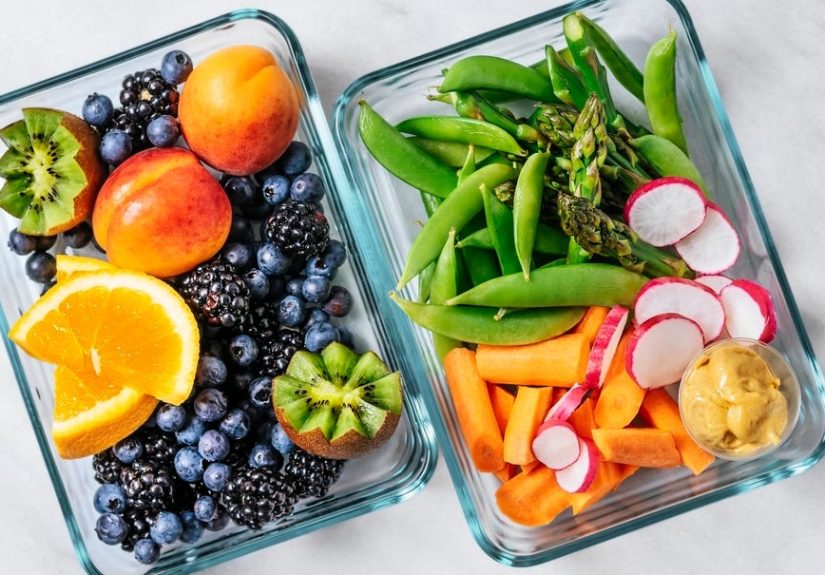
- 19) Veggie “Snack Box” (Cucumbers, Snap Peas, Cherry Tomatoes)
- 20) “Snack Plate” Method (A Little of Everything)
- Desk Drawer vs. Office Fridge: What to Stock Where
- Label Smarts: How to Spot a “Healthy” Packaged Snack
- Food Safety at Work (Because Nobody Wants a “Spreadsheet Stomachache”)
- Common Office Snack Traps (and How to Outsmart Them)
- Extra: of Real Office Snack Experience (What Actually Works)
- Conclusion
Office hunger is sneaky. You sit down to “just answer a few emails,” and suddenly it’s 3:17 p.m., your stomach is growling, and the break-room donuts are staring at you like they pay rent. The good news: healthy snacks for work don’t have to taste like sad cardboard or require a countertop blender the size of a small car.
The healthiest foods to eat at the office are the ones that keep your energy steady, help you stay full, and don’t turn your afternoon into a rollercoaster of sugar spikes and snack regret. That usually means snacks built around protein + fiber (and a little healthy fat when it makes sense). Bonus points if they’re portable, portion-friendly, and easy to store in a desk drawer or office fridge.
What Makes a Snack “Healthy” (and Office-Friendly)?
1) It keeps you satisfied, not just busy-chewing
If a snack is basically air with vibes (looking at you, single rice cake), you’ll be hungry again in 20 minutes. Aim for a mix of:
- Protein (helps you feel full and supports muscle)
- Fiber (slows digestion and supports gut health)
- Healthy fats (adds staying power and flavor)
2) It’s lower in added sugar and not a sodium bomb
Packaged snacks can be convenient, but some are basically dessert in a trench coat. Check the Nutrition Facts label: watch added sugars and sodium, and keep portions realistic (the “serving size” isn’t a suggestion… it’s a clue).
3) It fits your real workday
The best office snacks are the ones you’ll actually eat when you’re busy. Think grab-and-go, minimal mess, and “won’t explode in my bag” durability. We’ll cover desk-drawer staples and fridge-friendly options below.
A Simple Formula: Build Better Office Snacks in 10 Seconds
When in doubt, combine 2 food groups for a more balanced snack:
- Fruit or veggie + protein (apple + nut butter, carrots + hummus)
- Whole grain + protein (whole-grain crackers + cheese)
- Dairy or fortified alternative + fruit (Greek yogurt + berries)
This “combo approach” is an easy way to turn random nibbling into a snack that actually does its job: keeps you steady until your next meal.
20 Healthy Snacks for Work (Healthiest Foods to Eat at the Office)
Below are snack ideas you can rotate all week. Each one includes a quick “why it works” and a simple office tip. Pick a few favorites and you’ll be the person who’s calmly productive at 4 p.m. instead of hunting for vending-machine coins like it’s a side quest.
1) Greek Yogurt + Berries (Fresh or Frozen)
Why it works: Protein + probiotics (from yogurt) plus fiber and antioxidants (from berries).
Office tip: Keep single-serve plain Greek yogurt at work; add berries and a sprinkle of cinnamon.
2) Cottage Cheese + Pineapple (or Tomatoes + Pepper)
Why it works: High-protein, creamy, and surprisingly filling.
Office tip: Go savory if you’re trying to cut added sugartomatoes, black pepper, and a drizzle of olive oil is elite.
3) Apple Slices + Peanut Butter (or Almond/Sunflower Butter)
Why it works: Fiber + healthy fats + a bit of protein = steady energy.
Office tip: Use single-serve nut butter packets to avoid the communal jar situation (you know what I mean).
4) Baby Carrots + Hummus
Why it works: Crunchy fiber from carrots + plant protein and healthy fats from hummus.
Office tip: Pre-portion hummus into small containers so you’re not “accidentally” eating half a tub.
5) Bell Pepper Strips + Guacamole
Why it works: Vitamin-rich veggies + avocado’s satisfying fats.
Office tip: Single-serve guac cups are convenient and help with portion control.
6) Mixed Nuts (Unsalted or Lightly Salted)
Why it works: Healthy fats + protein + crunch. A classic desk-drawer hero.
Office tip: Portion into small bags (about a small handful). Nuts are healthy… and also extremely easy to overdo.
7) Trail Mix You Actually Want to Eat (DIY Version)
Why it works: You control the sugar and salt.
Office tip: Mix unsalted nuts + seeds + unsweetened cereal + a little dried fruit. Add a few dark chocolate chips if you want joy.
8) Roasted Chickpeas
Why it works: Crunchy, fiber-rich, and plant-powered protein.
Office tip: Make a batch at home or buy roasted chickpea snackscheck sodium on the label.
9) Dry-Roasted Edamame (Shelf-Stable)
Why it works: High-protein, high-fiber, and satisfyingly crunchy.
Office tip: Great for desk storagejust keep a water bottle nearby because crunchy snacks can make you thirsty.
10) Hard-Boiled Eggs
Why it works: Portable protein with staying power.
Office tip: Peel them at home to avoid “egg confetti” at your desk. Sprinkle with pepper or everything bagel seasoning.
11) Cheese Stick + Grapes (or an Orange)
Why it works: Protein + fat (cheese) paired with fiber and hydration (fruit).
Office tip: Keep a couple of fruit options around so you don’t get bored and “mysteriously” end up with cookies again.
12) Whole-Grain Crackers + Cheese (or Turkey Slices)
Why it works: Whole grains for fiber + protein for fullness.
Office tip: Choose crackers with whole grains as the first ingredient; watch sodium and portion size.
13) Turkey (or Chicken) Roll-Ups + Mustard
Why it works: Lean protein that’s easy and fast.
Office tip: Add cucumber sticks or cherry tomatoes on the side for volume and crunch.
14) Tuna or Salmon Packet + Crackers (Break-Room Only, Please)
Why it works: Protein plus heart-healthy fats (especially with salmon).
Office tip: This is a “use the kitchen, not the cubicle” snack. Your coworkers will thank you.
15) Air-Popped Popcorn (Lightly Seasoned)
Why it works: Whole-grain crunch with fiber and big volume for the calories.
Office tip: Go easy on buttery toppings; try cinnamon, smoked paprika, or nutritional yeast.
16) Oatmeal Cup (Low Sugar) + Nuts or Chia
Why it works: Whole grains + fiber; adding nuts/chia boosts protein and healthy fats.
Office tip: Choose plain or lower-sugar packets; sweeten with fruit if needed.
17) Overnight Oats (Meal-Prep Friendly)
Why it works: Fiber-rich oats + protein (Greek yogurt or milk) can feel like a mini-meal.
Office tip: Make 2–3 jars at once. Add berries, cinnamon, and a spoon of nut butter for staying power.
18) Chia Pudding (Yes, It’s Basically Dessert That Behaves)
Why it works: Chia provides fiber and healthy fats; add Greek yogurt for extra protein.
Office tip: Flavor with vanilla, cocoa, or cinnamonskip heavy sweeteners.
19) Veggie “Snack Box” (Cucumbers, Snap Peas, Cherry Tomatoes)
Why it works: High-volume, nutrient-dense, and hydrating. Great when you want to munch.
Office tip: Pair with a protein dip (hummus, Greek yogurt dip) so it actually satisfies.
20) “Snack Plate” Method (A Little of Everything)
Why it works: Balanced snacks are easier when you build a mini plate: protein + produce + whole grain.
Office tip: Example: hummus + whole-grain crackers + grapes + a handful of nuts. It looks fancy and takes 2 minutes.
Desk Drawer vs. Office Fridge: What to Stock Where
Best healthy snacks for your desk (shelf-stable)
- Unsalted nuts or DIY trail mix
- Roasted chickpeas or dry-roasted edamame
- Whole-grain crackers (portion-friendly packs)
- Low-added-sugar oatmeal cups
- Popcorn bags with minimal ingredients
Best healthy snacks for the office fridge
- Plain Greek yogurt, cottage cheese
- Hard-boiled eggs
- Hummus or guacamole cups
- Pre-cut veggies and fruit
- Cheese sticks or sliced cheese
Label Smarts: How to Spot a “Healthy” Packaged Snack
Packaged snacks can absolutely fit into a healthy office routineif you choose wisely. A quick checklist:
- Serving size: Make sure it matches how you’ll actually eat it.
- Added sugars: Lower is usually better; compare brands.
- Fiber + protein: More of both generally improves fullness.
- Sodium: Especially important for crackers, chips, and “savory” snacks.
- Ingredient list: Shorter and recognizable often wins.
Food Safety at Work (Because Nobody Wants a “Spreadsheet Stomachache”)
If you’re bringing perishable snacks (yogurt, eggs, meat, cut fruit), keep them cold and don’t let them sit out all day. Use an insulated lunch bag and an ice pack if your commute is long. When in doubt, follow the basic “don’t leave perishables out too long” rule.
Common Office Snack Traps (and How to Outsmart Them)
The “I’m stressed, so I need something crunchy” trap
Try popcorn, roasted chickpeas, nuts (pre-portioned), or veggie sticks with hummus. You’ll get the crunch without the crash.
The “I skipped lunch, so now I’m ravenous” trap
Choose a snack that’s basically a mini-meal: Greek yogurt + fruit + nuts, overnight oats, or a snack plate. The goal is to stabilizenot to “hold you over” with a single granola bar and hope.
The “Free treats are calling my name” trap
No need for food guilt. Use a simple rule: keep your go-to healthy snack visible and easy, and decide before you’re starving. If you still want the treat, take a small portion and enjoy it on purposenot by accident while standing near the copier.
Extra: of Real Office Snack Experience (What Actually Works)
Here’s what people don’t tell you about healthy snacks at work: the snack itself is only half the battle. The other half is the weird ecosystem of the officemeetings that run long, stress that spikes at random, and that one coworker who always has a candy bowl strategically placed at eye level (respect, honestly).
In real life, the best “healthy office snacks” are the ones that survive chaotic days. That’s why shelf-stable options matter so much. A desk drawer with nuts, roasted chickpeas, popcorn, and whole-grain crackers is like an emergency kitbut for your focus. Because when you’re hungry, your brain starts negotiating like, “What if we just eat whatever is closest?” And somehow the closest option is always a jumbo muffin that has the nutritional profile of a birthday party.
Another real-world win: pre-portioning. It sounds a little extra until you’ve eaten “just a few” handfuls of trail mix and realized you’ve basically had a second lunch made of peanuts. Portioning doesn’t have to be intensesmall containers, snack-size bags, even just deciding “I’m having one yogurt and one piece of fruit” helps. The point isn’t perfection; it’s removing the daily decision fatigue.
There’s also the timing piece. A lot of office snacking isn’t hungerit’s boredom, stress, or procrastination wearing a trench coat. If you notice you snack at the same time every day, try a simple check-in: “Am I actually hungry, or do I just want a break?” Sometimes the fix is a snack. Sometimes it’s water, a quick walk, or stepping away from your screen for five minutes so your brain can reboot. (Yes, your inbox will survive.)
Social situations matter, too. Office birthdays, holiday spreads, and “someone brought donuts!” moments are part of work culture. The healthiest approach usually isn’t banning treats; it’s having a baseline routine that supports you most days. If you normally eat balanced snackslike Greek yogurt with berries, carrots and hummus, or a protein-and-fruit combothen enjoying a treat occasionally won’t throw your whole week off course. In fact, being overly rigid can backfire and make the treat feel like a forbidden treasure, which is how you end up circling the break room like a cartoon character following the smell of cinnamon rolls.
The biggest “aha” experience people have is this: healthy snacks work best when they’re convenient, tasty, and planned. Choose 3–5 snacks you genuinely like, keep them stocked, and rotate so you don’t get bored. Add one fun option (like a small piece of dark chocolate with almonds) so you don’t feel like you’re living in a flavor-free zone. Healthy eating at the office isn’t about willpowerit’s about setting up your environment so the good choice is the easy choice.
Conclusion
The healthiest foods to eat at the office are the ones that support steady energy and keep you satisfied: think protein + fiber combos, minimally processed options, and smart portions. Start with a short list of go-to healthy snacks for work, stock your desk and fridge, and you’ll spend less time fighting cravings and more time feeling focused (even when the donut box shows up uninvited).