Table of Contents >> Show >> Hide
- What is a night terror, exactly?
- Night terrors vs. nightmares vs. “sleepwalking chaos”
- Symptoms: what screaming in sleep can look like
- What’s happening in the brain during a night terror?
- Causes and triggers: why night terrors happen
- Who gets night terrors?
- What to do during a night terror (without making it worse)
- When to see a doctor or sleep specialist
- How night terrors are diagnosed
- Treatment and prevention: making nights quieter
- Safety checklist: reduce the risk of injury
- Frequently asked questions
- Experiences: what night terrors look like in real life (and what people wish they knew)
- Conclusion
- SEO Tags
If you’ve ever heard someone scream in their sleep and thought, “Okay, either the house is haunted or the brain is
doing a very weird software update,” you’re not alone. Night terrors (also called sleep terrors) are one of
the most dramatic sleep events a family can witnessfull-body panic, loud vocalizations, racing heart, and a person
who looks awake… but isn’t really “there.”
The good news: most night terrorsespecially in kidsare harmless and often fade with age. The tricky part is
understanding what you’re seeing, why it happens, and when it’s worth getting professional help. Let’s unpack the
causes and symptoms of screaming in sleep, plus what to do in the moment (without accidentally turning the episode
into a midnight wrestling match).
What is a night terror, exactly?
A night terror is a type of parasomniaan unwanted event or behavior that happens during sleep.
Unlike nightmares, night terrors usually occur during deep non-REM sleep (the “heavy” sleep), when
the brain can partially wake up while the body is still running the sleep program.
Translation: the person may sit bolt upright, scream, thrash, sweat, and breathe fastyet remain mostly asleep,
confused, and difficult to comfort. By morning, they often remember little or nothing about what happened.
Night terrors vs. nightmares vs. “sleepwalking chaos”
These get mixed up constantly, so here’s a simple breakdown:
| Feature | Night Terrors (Sleep Terrors) | Nightmares | Sleepwalking (sometimes overlaps) |
|---|---|---|---|
| When it happens | Earlier in the night (often first third) | Later in the night (more REM sleep) | Usually earlier in the night (non-REM) |
| Behavior | Screaming, panic, thrashing, intense fear | Bad dream + waking up scared | Walking/doing actions while not fully awake |
| Can you comfort them? | Often nomay seem “not present” | Usually yesfully awake | Often confused; may resist guidance |
| Memory next morning | Usually none or very little | Often remembers the dream | Often none or fragmentary |
A helpful rule of thumb: if the person is truly awake, can talk it out, and remembers a scary dream,
that’s more likely a nightmare. If they look awake but act unreachable, terrified, and later have no memory,
night terrors move to the top of the list.
Symptoms: what screaming in sleep can look like
“Screaming in sleep” is one headline symptom, but night terrors can come with a full-body stress response.
Common signs include:
- Sudden scream or cry, sometimes loud and prolonged
- Sitting up or bolting upright in bed
- Wide-open eyes with a blank or “glassy” stare
- Fast breathing, rapid heartbeat, sweating, flushed skin
- Thrashing, kicking, flailing, or appearing to “fight” something unseen
- Confusion and inability to respond normally
- Resistance to comfort (pushing away, not recognizing familiar people)
- Sleepwalking or trying to run out of bed in some cases
- Little to no recall of the event afterward
Episodes often last a few minutes, but can feel much longer when you’re watching the clock at 2:07 a.m.
wondering if you should call a priest, a sleep specialist, or both.
What’s happening in the brain during a night terror?
Think of sleep as a series of stages. Early in the night, the body spends more time in deep non-REM sleep.
Night terrors tend to happen when the brain partially “arouses” from that deep stagebut the awakening is incomplete.
That incomplete arousal can trigger the body’s fight-or-flight system: adrenaline-like activation,
fast pulse, sweating, and intense fear behaviors. Meanwhile, the thinking/communication parts of the brain may still
be in sleep mode. The result is a person who looks awake but can’t “fully come online.”
This is why trying to force them awake often backfires. You’re basically yanking on the emergency exit handle while
the brain is still taxiing on the runway.
Causes and triggers: why night terrors happen
Night terrors don’t usually have one single cause. They’re more like a perfect storm of sleep disruption,
nervous system sensitivity, and timing. Common triggers fall into a few buckets:
1) Too little sleep (the biggest “guest star” trigger)
Sleep deprivation and irregular sleep schedules can make deep sleep more intense and arousals more chaotic.
Kids who stay up late, skip naps, or bounce between very different bedtimes may be more prone to episodes.
2) Stress, anxiety, and big life changes
The brain doesn’t clock out emotionally just because the body is horizontal. School stress, family changes,
travel, a new sleep environment, or general anxiety can raise the odds of sleep disruptionsespecially in
sensitive sleepers.
3) Illness, fever, and recovery nights
When the body is sick, sleep can become fragmented. Fever and respiratory illnesses can also change sleep depth,
and some kids have night terrors during or shortly after illness.
4) Underlying sleep disorders
Anything that repeatedly disrupts sleep can set the stage for night terrors. Examples include:
- Obstructive sleep apnea (snoring, gasping, restless sleep)
- Restless legs syndrome or periodic limb movements
- Chronic insomnia with frequent awakenings
- Reflux or discomfort that interrupts sleep (more commonly discussed in kids)
5) Medications and substances (more relevant for teens and adults)
Certain medications can alter sleep stages or increase arousals. Alcohol can also fragment sleep and worsen
parasomnias in some people. If night terrors start after a medication change or increase in alcohol use, that’s
a clue worth taking seriously.
6) Genetics and family history
Night terrors often run in families, especially alongside sleepwalking and other non-REM parasomnias.
If a parent or sibling had a history of sleep terrors or sleepwalking, the odds may be higher.
Who gets night terrors?
Night terrors are most common in children, especially toddlers and school-age kids, and they often
decrease as the nervous system matures. Adults can have them too, but when night terrors occur in adulthood,
they’re more likely to be tied to stress, substances, mental health factors, or another sleep disorder that’s
disturbing sleep architecture.
Occasional episodes in kids are typically not dangerous in themselves. The bigger concern is injury riskespecially
if a child gets out of bed, runs, or sleepwalks.
What to do during a night terror (without making it worse)
The goal is safety, not “winning” the argument with a sleeping brain. Try this:
- Stay calm and stay close. Your nervous system sets the tone for the room.
- Don’t force them awake. Waking can prolong the episode or increase agitation.
- Protect them from injury. Gently block them from stairs, doors, sharp corners, or furniture edges.
- Use minimal touch. Some people become more distressed if grabbed or restrained.
- Speak softly and simply. Short phrases like “You’re safe” can help, even if they don’t respond.
- Wait it out. Most episodes end on their own and the person returns to deep sleep.
- Afterward, don’t do a dramatic recap. If they don’t remember, describing it in detail can create anxiety about sleep.
If you’re caring for a child, it can help to brief babysitters or other caregivers ahead of time.
Night terrors look scary, but panic from the adults tends to be the most contagious part of the event.
When to see a doctor or sleep specialist
Consider professional evaluation if any of these are true:
- Episodes happen frequently (for example, multiple times per week) or are escalating
- There’s injury risk, dangerous wandering, or violent thrashing
- There’s significant daytime sleepiness, behavior changes, or school/work impairment
- You suspect sleep apnea (loud snoring, gasping, pauses in breathing)
- Events are atypical: happen many times per night, at any time of night, or include unusual movements
- You’re worried about seizures or another neurological condition
- Night terrors begin in adulthood without a childhood history
A clinician can help confirm whether this is a non-REM parasomnia or something else (nightmares, panic attacks,
nocturnal seizures, REM behavior disorder, medication effects, etc.).
How night terrors are diagnosed
Many casesespecially in childrenare diagnosed from a clear description of the events, timing, and patterns.
Helpful tools include:
- Sleep diary (bedtime, wake time, naps, stressors, illness, episodes)
- Video recorded safely from a distance (often extremely helpful)
- Review of sleep habits and triggers
- Overnight sleep study (polysomnography) in selected casesespecially if events are atypical or sleep apnea is suspected
Treatment and prevention: making nights quieter
Most night terror treatment is about reducing triggers and stabilizing sleep. Think of it as turning down the
“arousal volume” on the nervous system.
Sleep schedule first (seriously, start here)
- Set a consistent bedtime and wake time (weekends included, as much as possible).
- Protect total sleep time (kids often need more sleep than parents think).
- Reintroduce naps for younger kids if overtiredness is a pattern.
- Keep the last hour before bed calm: dim lights, low stimulation, predictable routine.
Reduce stress and nighttime arousals
For kids: bedtime worries can show up as bedtime resistance, frequent requests, or “one more question” marathons.
A short wind-down ritual (story + cuddles + lights out) can help. For teens and adults: stress management
(therapy, relaxation techniques, cognitive behavioral strategies) can reduce arousals and improve sleep depth.
Address underlying sleep problems
If snoring, gasping, or frequent awakenings are present, treating sleep apnea or other sleep disorders can
reduce night terrors significantly.
Scheduled awakenings (a surprisingly effective trick for kids)
If episodes happen around the same time each night, some clinicians recommend waking the child gently
about 15–30 minutes before the usual episode window, keeping them awake briefly, then letting them fall asleep again.
This can interrupt the cycle of incomplete arousal from deep sleep.
Medication (usually not the first choice)
Medication is rarely needed for children and is generally reserved for severe, frequent episodes with injury risk
or major family disruption. In adults, medication may be considered depending on cause and contextespecially if
night terrors are linked to another condition (for example, anxiety, PTSD-related sleep disruption, or alcohol use).
Any medication decision should be made with a clinician who can weigh risks, benefits, and alternatives.
Safety checklist: reduce the risk of injury
Because night terrors can include sleepwalking or sudden movement, safety planning mattersespecially for kids.
- Clear the floor of clutter and sharp objects.
- Use gates to block stairs.
- Lock or alarm doors and windows if wandering is a risk.
- Avoid top bunks; consider placing the mattress closer to the floor if needed.
- Pad sharp furniture edges near the bed.
Frequently asked questions
Is screaming in sleep always a night terror?
Not always. Screaming can also occur with nightmares, panic attacks, PTSD-related sleep disruption, REM behavior
disorder, or even medical issues like reflux or breathing problems. Timing (early vs. late night), awareness,
and memory the next day are major clues.
Can you “snap someone out of it”?
Usually, noand trying too hard can make things worse. During a night terror, the person is typically not fully
awake. Focus on safety and let the episode pass.
Do night terrors mean there’s a mental health problem?
In children, not typically. In adults, persistent night terrors may be associated with stress, trauma, anxiety,
alcohol use, or another sleep disorderbut the presence of night terrors alone doesn’t automatically equal a
psychiatric diagnosis.
Will my child outgrow night terrors?
Many children do. Episodes often decrease as kids get olderespecially with consistent sleep schedules and fewer
triggers like overtiredness.
Experiences: what night terrors look like in real life (and what people wish they knew)
The internet is full of dramatic descriptions of night terrors, but the day-to-day experience is usually more
specificand oddly consistent across families. Here are a few patterns people commonly describe (with names and
details generalized, because this is about the experience, not the gossip).
Parents often say it’s harder on them than on the child. A classic scenario: a child sits up,
screams as if they saw something terrifying, and seems to look straight through the parent. The parent rushes in,
heart pounding, and tries to hug or shake them awakeonly to realize the child is sweaty, breathing fast, and
completely unreachable. Ten minutes later, the child flops back down, peacefully asleep, while the parent stays
wide awake replaying the whole scene like a horror movie trailer.
Many parents report that the episode happens on nights of overtiredness: after a birthday party,
travel day, missed nap, late movie, or the classic “but it’s summer break!” bedtime drift. Once families tighten
the sleep schedule, episodes often drop dramaticallywhich feels like a magical cure until the next time the child
catches a cold and the night terrors cameo again.
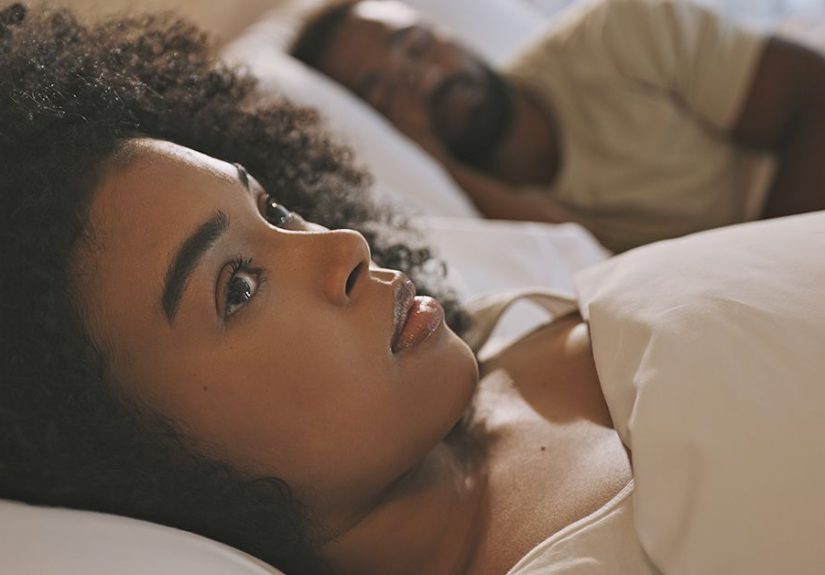
Roommates and partners describe the “awake but not awake” vibe. Adults with night terrors may
shout, sit up, or shove pillows like they’re defending the bed from an invisible intruder. A partner may ask,
“Are you okay?” and get either no response or a bizarre, confused one. The next morning, the person often has
no memoryor only a vague sense of fearwhile the partner has a detailed play-by-play and a brand-new respect for
how powerful the sleeping brain can be.
People also describe the “wrong solution” learning curve. Many caregivers start by trying to wake
the person fully (because that’s what you do with nightmares). After a few attempts that turn the episode into
louder screaming and more resistance, they learn the more effective approach: stay nearby, keep the person safe,
use a calm voice, and wait. It feels counterintuitive at firstlike ignoring a fire alarmbut it’s often the
smoothest way through.
Another common experience is anxiety about bedtimemostly for the adults. Parents may dread the
first third of the night and tiptoe around the house like they’re in a museum after hours. Some adults with night
terrors worry they’re “going crazy,” especially if the episodes involve intense fear or movement. Reassurance and
education can be a huge relief: night terrors are a known sleep phenomenon, and the goal is to reduce triggers and
protect safetynot to “fight” the sleeper.
Finally, people often say they wish they had tracked patterns sooner. A simple notebedtime, wake time, illness,
stress level, and when the episode happenedcan reveal repeating triggers. That information helps families make
practical changes (like earlier bedtime) and helps clinicians decide whether evaluation for sleep apnea, seizures,
or other sleep disruptions is needed.
Conclusion
Screaming in sleep can be terrifying to witness, but night terrors are often a sign of an incomplete arousal from
deep non-REM sleepnot a sign that someone is “awake and suffering” in the way we imagine. The hallmark symptoms
are intense fear behaviors, autonomic activation (fast heart rate, sweating), confusion, difficulty being comforted,
and little or no memory afterward.
The best prevention usually starts with boring-but-powerful basics: consistent sleep schedules, enough sleep,
reduced stress, and addressing underlying sleep problems like snoring or frequent awakenings. If episodes are
frequent, dangerous, or begin in adulthood, a healthcare professional can help sort out triggers and rule out other
causes. In the meantime, remember: your job during a night terror is safety and calmnot solving the mystery of the
midnight scream.