Table of Contents >> Show >> Hide
- What Is Bibimbap, Exactly?
- Why the Rice Matters in a Bibimbap Rice Recipe
- Key Ingredients for a Flavor-Packed Bowl
- Easy Bibimbap Rice Recipe for 4 Servings
- How to Get Crispy Rice Without a Stone Bowl
- Easy Variations to Try
- Common Mistakes to Avoid
- Serving and Storage Tips
- Why This Bibimbap Rice Recipe Works
- Experience: Why Bibimbap Always Feels Bigger Than a Bowl of Rice
- Conclusion
If there were an award for “most likely to make plain rice feel like it got a promotion,” bibimbap would win by a landslide. This iconic Korean mixed rice bowl is colorful, comforting, and wildly satisfying. At first glance, it looks like the kind of meal you should only order at a restaurant with very confident chopsticks. In reality, it is one of the smartest home-cooked dinners you can make.
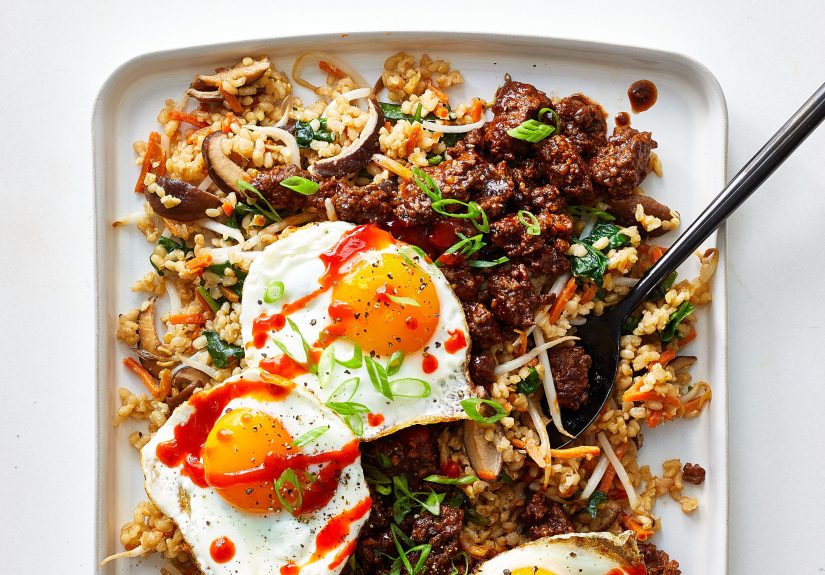
A great bibimbap rice recipe is all about balance: warm rice, savory protein, tender-crisp vegetables, a rich egg, and a spicy-sweet sauce that ties the whole bowl together. Every bite delivers contrast. Soft meets crunchy. Fresh meets savory. Calm little grains of rice meet fiery gochujang and suddenly dinner becomes a full-on event.
This guide walks you through how to make bibimbap at home in a way that feels approachable, practical, and very worth the chopping board. You will get a complete recipe, tips for choosing the best rice, ingredient swaps, serving ideas, and troubleshooting advice so your bowl tastes intentional instead of “I put random vegetables on rice and hoped for the best.”
What Is Bibimbap, Exactly?
Bibimbap is a Korean rice dish traditionally served with an assortment of seasoned vegetables, a protein, an egg, and a spicy sauce based on gochujang. The name is commonly understood as “mixed rice,” and that is exactly what happens right before eating: you stir everything together until the sauce coats the rice and toppings into one bold, satisfying bowl.
Some versions are simple and homey. Others are dramatic, like dolsot bibimbap, which arrives in a sizzling hot stone bowl and develops a golden crispy rice layer at the bottom. Both are excellent. One is slightly more theatrical. The rice, however, is never just background noise. In bibimbap, rice is the foundation that carries every topping and absorbs every drop of sauce.
Why the Rice Matters in a Bibimbap Rice Recipe
If you only remember one thing from this article, let it be this: the rice is not filler. It is structure, texture, and comfort. The best rice for bibimbap is usually short-grain white rice because it cooks up tender, slightly sticky, and easy to mix. Each spoonful holds together just enough to scoop up vegetables, sauce, and egg without turning into chaos.
Can you use brown rice? Yes. Can you use jasmine rice? Also yes. Will the bibimbap police arrive at your front door? Probably not. But if you want the most classic texture, short-grain rice is the best choice. It creates that soft, cohesive base that makes the bowl feel hearty and complete.
Best Rice Options for Bibimbap
- Short-grain white rice: the classic choice, soft and slightly sticky
- Medium-grain rice: a good backup if short-grain is unavailable
- Brown rice: nuttier and heartier, great for extra fiber
- Cauliflower rice: not traditional, but useful for a lighter bowl
Key Ingredients for a Flavor-Packed Bowl
The beauty of bibimbap is that it looks luxurious without demanding impossible ingredients. Yes, there is a little prep involved. No, you do not need a culinary degree or a soundtrack from a cooking competition show. Here is what matters most.
1. Rice
Freshly cooked rice is ideal. Warm rice helps soften the sauce and makes the whole bowl taste more unified.
2. Vegetables
Classic bibimbap vegetables often include spinach, carrots, mushrooms, zucchini, and bean sprouts. Kimchi is also a strong addition if you want acidity and funk. The trick is to cook or season each vegetable separately so every one keeps its own flavor.
3. Protein
Thinly sliced beef is common, especially bulgogi-style beef. Ground beef works beautifully for weeknight cooking. Tofu is an excellent vegetarian option. Chicken, shrimp, or even leftover steak can also fit right in.
4. Egg
A fried egg with a runny yolk is classic because it acts like a bonus sauce when mixed into the rice. If runny yolks are not your thing, cook it a little longer. Your bowl, your rules.
5. Bibimbap Sauce
The sauce is where the bowl gets its swagger. A simple mix of gochujang, sesame oil, rice vinegar, soy sauce, a little sweetener, and garlic creates the spicy, savory, tangy finish that gives bibimbap its signature personality.
Easy Bibimbap Rice Recipe for 4 Servings
Ingredients
For the rice:
- 2 cups short-grain white rice
- 2 1/4 cups water
For the beef:
- 1 pound ground beef or thinly sliced beef
- 2 tablespoons soy sauce
- 1 tablespoon brown sugar
- 1 teaspoon sesame oil
- 2 cloves garlic, minced
- 1 teaspoon grated fresh ginger
For the vegetables:
- 2 cups spinach
- 1 cup shredded carrots
- 1 zucchini, julienned
- 1 1/2 cups sliced mushrooms
- 1 cup bean sprouts
- 1 tablespoon oil, divided as needed
- Salt, to taste
- 1 teaspoon sesame oil for seasoning vegetables
For the sauce:
- 3 tablespoons gochujang
- 1 tablespoon soy sauce
- 1 tablespoon sesame oil
- 1 tablespoon rice vinegar
- 1 tablespoon honey or brown sugar
- 1 clove garlic, finely minced
- 1 teaspoon sesame seeds
For serving:
- 4 eggs
- Kimchi, optional
- Sliced scallions
- Sesame seeds
Step 1: Cook the Rice
Rinse the rice until the water runs mostly clear. Cook it with the water according to your rice cooker or stovetop method. Once done, keep it warm. Good bibimbap starts with hot rice, not rice that has been emotionally abandoned on the counter.
Step 2: Prepare the Sauce
In a small bowl, whisk together the gochujang, soy sauce, sesame oil, rice vinegar, honey, garlic, and sesame seeds. Taste it. If you like more heat, add a bit more gochujang. If you want it milder, add a touch more sweetener.
Step 3: Cook the Beef
Mix the beef with soy sauce, brown sugar, sesame oil, garlic, and ginger. Cook in a skillet over medium-high heat until browned and fully cooked. If using thinly sliced beef, stir-fry just until tender.
Step 4: Cook the Vegetables Separately
This is the part that makes bibimbap taste polished. Sauté the carrots for 1 to 2 minutes until slightly tender. Cook the zucchini for 2 to 3 minutes until just softened. Sauté the mushrooms until browned. Blanch or quickly sauté the spinach and bean sprouts, then season lightly with salt and a few drops of sesame oil. Keeping each vegetable separate helps the bowl taste layered instead of muddy.
Step 5: Fry the Eggs
Cook the eggs sunny-side up or over easy. The ideal bibimbap egg has set whites and a soft yolk that spills into the rice when mixed.
Step 6: Assemble the Bowls
Divide the warm rice among four bowls. Arrange the beef and vegetables in sections over the top. Add kimchi if using. Place one egg in the center of each bowl. Spoon over the bibimbap sauce and finish with scallions and sesame seeds.
Step 7: Mix and Eat
Right before eating, stir everything together thoroughly. Yes, it is almost too pretty to mess up. Yes, you should absolutely mess it up. That is the whole point.
How to Get Crispy Rice Without a Stone Bowl
One of the best parts of dolsot bibimbap is the crispy rice on the bottom. The good news is that you do not need a stone bowl to get a similar effect. Heat a cast-iron skillet or heavy nonstick pan with a little oil or sesame oil. Add a layer of cooked rice and let it sit for a few minutes until the bottom turns golden and crisp. Then build your bowl on top.
This trick adds texture and makes the meal feel a little more restaurant-style, which is always fun, especially when you are wearing sweatpants and refusing to pay delivery fees.
Easy Variations to Try
Vegetarian Bibimbap
Swap the beef for crispy tofu, extra mushrooms, or edamame. Add kimchi if you like bold flavor, but check the label if you need it fully vegetarian.
Chicken Bibimbap
Use thinly sliced chicken thighs marinated in soy sauce, garlic, ginger, and sesame oil. It is juicy, savory, and budget-friendly.
Seafood Bibimbap
Shrimp works especially well with mushrooms and zucchini. Keep the sauce slightly lighter so the seafood can still shine.
Brown Rice Bibimbap
If you want a whole-grain version, brown rice gives the bowl a nuttier, chewier base. It is hearty and satisfying, though slightly less traditional in texture.
Common Mistakes to Avoid
- Using cold rice: bibimbap tastes best when the rice is warm and inviting
- Overcooking the vegetables: they should still have texture and color
- Drowning the bowl in sauce: start with a little, then add more as needed
- Skipping seasoning on the vegetables: even a tiny pinch of salt and sesame oil matters
- Not mixing before eating: bibimbap is designed to come together in the bowl
Serving and Storage Tips
Bibimbap is excellent for meal prep because the components can be made ahead and stored separately. Keep the rice, protein, vegetables, and sauce in different containers. Reheat the rice and protein, add the vegetables, fry a fresh egg, and dinner suddenly looks far more ambitious than the effort required.
You can also set up a DIY bibimbap bar for family dinner. Put out bowls of rice, vegetables, proteins, kimchi, and sauce, and let everyone build their own. It is interactive, customizable, and dramatically reduces the chances of hearing, “I do not like mushrooms touching my carrots.”
Why This Bibimbap Rice Recipe Works
This recipe works because it respects what makes bibimbap special without making the process feel intimidating. The rice is tender and warm. The toppings are cooked just enough. The sauce is balanced. The bowl is customizable. And perhaps most importantly, it gives you restaurant-quality flavor without requiring a special shopping trip for twelve mystery ingredients and a pep talk.
It is the kind of meal that feels vibrant and nourishing, but still comforting enough for a rainy night, a busy weeknight, or a weekend dinner when you want something homemade that tastes like more than the sum of its parts.
Experience: Why Bibimbap Always Feels Bigger Than a Bowl of Rice
The first time I made bibimbap at home, I thought I was making dinner. What I was actually making was a small lesson in how food can turn leftovers, simple vegetables, and plain rice into something that feels generous. That is one of the reasons a bibimbap rice recipe sticks with people. It is not just tasty. It feels resourceful, colorful, and oddly cheerful.
There is something satisfying about lining up carrots, spinach, mushrooms, and zucchini in neat little sections, even if your kitchen looks like a produce aisle exploded five minutes earlier. Before mixing, the bowl looks almost ceremonial. After mixing, it looks wonderfully chaotic. Both stages are part of the charm. Bibimbap is one of those rare meals that lets you admire your work and then gleefully destroy it with a spoon.
It is also a recipe that adapts to real life. I have seen people make it with leftover roast chicken, pan-fried tofu, a handful of spinach that needed using up, and rice from the night before revived with a splash of water. Somehow, it still feels special. The egg makes it luxurious. The sauce makes it lively. The rice makes it grounding. It is practical food dressed like a showpiece.
Another memorable part of the bibimbap experience is how personal it becomes. One person wants extra gochujang. Another piles on kimchi. Someone else insists on crispy rice and will accept nothing less. It is hard to think of another rice bowl recipe that allows so much customization while still feeling like a complete, recognizable dish. That flexibility makes it perfect for households with different tastes, spice tolerances, and opinions about mushrooms.
Bibimbap also changes the mood of the table. It invites conversation because everyone assembles, adjusts, and mixes in their own way. It is not a passive dinner. It is a meal you participate in. Even the final stir feels like a tiny ritual, the moment when separate ingredients stop being side characters and become the main event together.
For many home cooks, the bowl becomes a gateway recipe. Once you make it, you start thinking differently about rice, about vegetables, and about leftovers. Suddenly, a container of cooked spinach or a lonely zucchini is not a problem. It is a future topping. Bibimbap teaches you how to build flavor in parts and trust that those parts will come together beautifully at the end.
That may be why the dish stays so popular. It delivers comfort without boredom, freshness without fussiness, and structure without being rigid. A good bowl of bibimbap tastes balanced, but it also feels balanced. It is warm, spicy, crisp, savory, and soothing all at once. And when dinner can do that with a bowl of rice at the center, it deserves a permanent place in the weekly rotation.
If you make this recipe once, you will probably make it again. The second time, you will chop faster, season more confidently, and maybe crisp the rice a little longer. By the third time, it starts to feel like your recipe, which is exactly what a great bibimbap experience should be: rooted in tradition, friendly to improvisation, and always ready to turn ordinary ingredients into a meal with real personality.
Conclusion
A great bibimbap rice recipe proves that rice can be the star, not just the sidekick. With warm short-grain rice, a mix of vibrant vegetables, savory protein, a silky egg, and a bold gochujang sauce, you get a meal that is comforting, customizable, and deeply satisfying. Whether you keep it traditional or give it a weeknight-friendly spin, bibimbap rewards a little prep with a lot of flavor. In other words, this is the kind of rice bowl that deserves to become a repeat favorite.