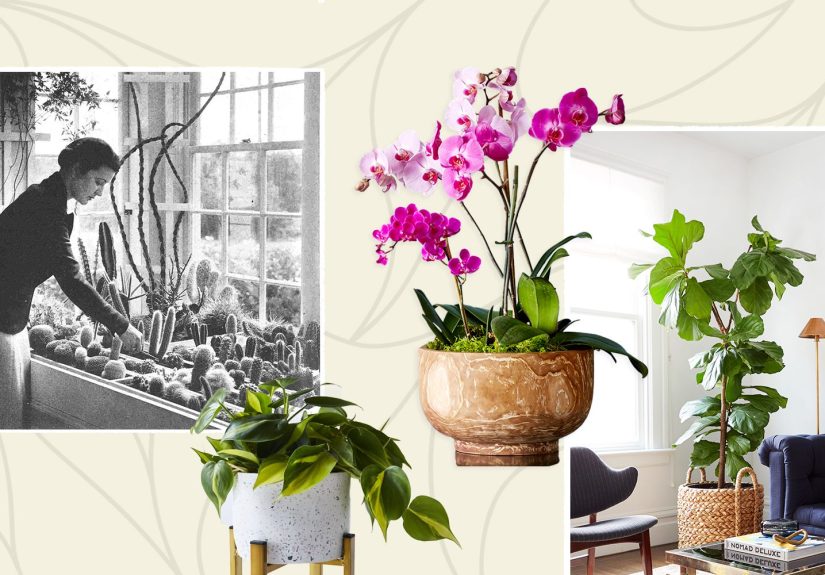
Table of Contents >> Show >> Hide
- Why Houseplants Became a 20th-Century Staple
- Houseplant Hall of Fame: The Trendsetters by Decade
- 1920s: Plants with Artful Elegance
- 1930s: Luxurious Leaves (Even During Hard Times)
- 1940s: Statement Pieces
- 1950s: Maximalist Plants (Go Big or Go Home)
- 1960s: Collectable Plants (The Hobby Goes Technical)
- 1970s: Plants to Hang Out With
- 1980s: Flashy Flowers
- 1990s: Nostalgic Houseplants
- 2000s: Indoor Gardens (Tiny Worlds Under Glass)
- 2010s: Fancy Foliage and Social-Media Stardom
- 2020s: Big Tropical Houseplants and the Indoor Jungle
- What These Trends Really Tell Us
- How to Get the Look Without the Stress
- Everyday Experiences With 100 Years of Houseplants (Bonus: The Part That Feels Like Real Life)
- Conclusion
Houseplants don’t just decorate a roomthey date it. A single spider plant can scream “1977!” louder than shag carpet.
A glossy fiddle-leaf fig can whisper “2016 open-concept rental” without saying a word. And a big, bold monstera?
That one basically has its own social media manager.
Using the Better Homes & Gardens archives as the backbone, let’s take a decade-by-decade stroll through the plants
Americans kept on windowsills, pedestals, and macramé hangersplus why each trend took off, what it said about the times,
and how to recreate the vibe today (without time-traveling your entire living room).
Why Houseplants Became a 20th-Century Staple
For most households, “indoor gardening” didn’t become truly practical until homes got brighter and comfierbigger windows,
better heating, and more consistent indoor conditions. Once plants could reliably live inside (without freezing, frying,
or slowly fading into a Victorian ghost story), they stopped being a special occasion and started becoming a lifestyle.
From there, houseplant popularity followed a predictable pattern: home design changes first, plant trends follow.
More light? Cue tropical flowers. Smaller spaces? Bring on compact collections. A cultural obsession with “cozy”?
Hello trailing vines and leafy jungles.
Houseplant Hall of Fame: The Trendsetters by Decade
1920s: Plants with Artful Elegance
When the Roaring Twenties made interiors feel modern and geometric, houseplants had to play nice with Art Deco lines.
Enter the classics: graceful ferns and other low-light-friendly greenery placed on pedestals like living sculptures.
The look was tidy, controlled, and intentionally “designed,” not “my plant exploded and now we live in a rainforest.”
- Ferns for soft texture against sharp décor.
- Pedestal placement to elevate plants as décor, not clutter.
1930s: Luxurious Leaves (Even During Hard Times)
The 1930s proved people will still decorateeven when budgets tighten. Houseplants became a relatively affordable luxury:
glossy foliage, trailing vines, and sun-loving cacti were collected and styled thoughtfully. Ivy showed up everywhere,
while dracaena and other architectural plants added “structure” without the cost of new furniture.
- English ivy as the original “green garland,” trained to trail and climb.
- Dracaena for bold, upright form and an easy-going attitude.
- Cacti for sunny windows and a low-maintenance flex.
1940s: Statement Pieces
With changing homes and changing resources, plants weren’t just accentsthey were space-makers. The trend leaned toward
grouped displays that created visual impact: rows of upright, sturdy plants and dish gardens that looked like miniature
indoor landscapes. This was the era of “one plant is nice,” but “twelve plants is a design decision.”
- Snake plants in multiples for a dramatic, structured look.
- Dish gardens for a curated, centerpiece-style indoor garden.
1950s: Maximalist Plants (Go Big or Go Home)
Postwar optimism and bigger “family life” energy meant bigger plants. Indoor trees and bold foliage became the stars:
parlor palms, philodendrons, and tree-like statement plants filled corners with a kind of leafy confidence. Meanwhile,
flowering collectionsespecially African violets and begoniasturned windowsills into hobby zones.
- Parlor palms for classic indoor glamour and feathery height.
- Philodendrons for lush leaves and “I thrive on mild neglect” reliability.
- African violets for repeat blooms and collectible varieties.
1960s: Collectable Plants (The Hobby Goes Technical)
As home-friendly lighting options expanded, collecting plants became easier in spaces that weren’t naturally bright.
Smaller plants gained ground, and people leaned into “curated collections” rather than one giant corner tree.
Orchids and specialty bloomers began showing up more oftenpart décor, part personal project.
The vibe: bold décor in the room, calmer greenery in the backgroundplants as balance, not competition.
1970s: Plants to Hang Out With
If the 1970s had a soundtrack, it would be a record player. If it had an accessory, it would be macramé.
Hanging plants became the moment: trailing vines, draping stems, and window jungles that softened the era’s
earthy tones and heavy textures.
- Hoyas (wax plants) for long vines and starry blooms that feel like a reward.
- Spider plants for striped leaves and a steady supply of “baby” plantlets.
- Holiday cacti (including Christmas cactus types) for seasonal color with minimal drama.
- Ferns againbecause some icons never retire.
This decade also nailed a timeless truth: plants look even better when they’re floating in midair like botanical chandeliers.
1980s: Flashy Flowers
More light in homes (hello, big glass and bright rooms) meant tropical flowering plants could finally live their best lives indoors.
The 1980s went for color and drama: bold blooms, glossy leaves, and “look at me” plants that matched vibrant interiors.
- Anthurium for waxy, long-lasting “flowers” and high-style shine.
- Bird of paradise for tall, tropical impact and sculptural leaves.
- Tabletop “saucer gardens” packed with colorful blooms for small-space drama.
1990s: Nostalgic Houseplants
The ’90s took a fond look back: hanging plants returned, ivies and hoyas became “living art,” and the era flirted with the
weeping fig. Many people learnedsometimes loudlythat weeping figs can be sensitive about change. (Move it once and it
may respond by shedding leaves like it’s auditioning for a seasonal drama series.)
- Ivies and hoyas for trailing structure and sculptural display.
- Weeping fig for indoor-tree elegancebest for people who enjoy commitment and consistency.
2000s: Indoor Gardens (Tiny Worlds Under Glass)
In the 2000s, houseplants got… curated. Terrariums became popular as decorative ecosystemsplants displayed like
living museum pieces under glass cloches and in jars. At the same time, orchids surged in popularity as accessible,
giftable bloomers that felt both modern and a little luxurious.
- Terrariums as décor-meets-gardening: contained, stylish, and conversation-starting.
- Moth orchids for elegant blooms and a “high-end but doable” reputation.
2010s: Fancy Foliage and Social-Media Stardom
The 2010s turned foliage into fashion. Plants that used to be considered basiclike Chinese evergreens and dracaenasshowed up
in new colors, patterns, and cultivars. Meanwhile, the fiddle-leaf fig became the celebrity plant of the decade, boosted by design
magazines, influencer homes, and the universal desire to fill an awkward empty corner with something tall and photogenic.
- Fiddle-leaf fig for statement height and big-leaf drama.
- Chinese evergreen for low-light tolerance and “I forgive you” resilience.
- Croton for color-splashed leaves that look like a tropical paint palette.
2020s: Big Tropical Houseplants and the Indoor Jungle
The 2020s leaned into bold shapes and big leavesplants that look architectural even when they’re just standing there,
quietly photosynthesizing and judging your screen time.
- Monstera for split leaves, fast growth (in good light), and instant “jungle” energy.
- Alocasia for arrow-shaped foliage and dramatic presence.
- Split-leaf philodendron types for big texture and tropical volume.
Grouping plants together became part of the trend, toocreating a layered, indoor-canopy look that feels lush, comforting,
and just slightly like you might encounter a friendly toucan.
What These Trends Really Tell Us
Over a century, the “most popular houseplants” weren’t chosen randomly. They were chosen because they matched how people lived.
When light was limited, low-light greenery ruled. When homes brightened, tropical bloomers took over. When collecting hobbies rose,
small plants and specialized care became mainstream. When social media entered the chat, bold foliage and iconic silhouettes became the stars.
The good news? You don’t have to commit to one decade. You can steal the best parts of every eraArt Deco ferns, ’70s hangers, ’80s tropical blooms,
and a modern monstera momentwithout turning your living room into a time machine.
How to Get the Look Without the Stress
Pick a “signature plant” for your space
A snake plant for structure, a pothos for softness, a parlor palm for height, or a monstera for bold drama. One strong choice can anchor the room.
Match plant style to your real life
If you travel, choose forgiving plants (snake plant, pothos, many philodendrons). If you love routine, go ahead and adopt an orchid or a weeping fig.
Just don’t bring home a high-maintenance diva and then act surprised when it… behaves like a diva.
Use “display eras” as design shortcuts
- 1920s: fern on a pedestal + geometric pot
- 1970s: hoya or spider plant + macramé hanger
- 2000s: terrarium or cloche + small-leaf plants
- 2010s–2020s: big-leaf tropical + grouped plants for a jungle cluster
Everyday Experiences With 100 Years of Houseplants (Bonus: The Part That Feels Like Real Life)
If you’ve ever inherited a plant from a relative, you already understand the secret history of houseplants: they’re not just décor.
They’re tiny, living timelines. A spider plant can be a family heirloom in disguisepassed from one set of hands to another as a “baby”
clipped from a long arching stem. A Christmas cactus can outlive furniture, paint colors, and a surprising number of pop music eras.
And if you’ve ever found an old clay pot in a basement with dried soil stuck to the sides, congratulationsyou’ve discovered a little artifact
from someone else’s indoor-gardening phase.
The experience most plant people share across generations is this: you start with a plant you think you can’t mess up. That’s usually a pothos,
snake plant, or philodendronthe “starter trio” that forgives missed waterings and still looks good doing it. You put it somewhere nice, admire it,
and then one day you notice a new leaf unfurling. That single leaf is the gateway. Suddenly you’re researching light directions (“Is this window
‘bright indirect’ or just ‘indirectly disappointing’?”). You’re rotating pots like you’re turning a rotisserie chicken. You’re debating whether a
pebble tray is brilliant or just a tiny rock collection with humidity ambitions.
Then comes the personality test that plants give you. If you like instant gratification, you’ll fall for fast growerspothos, many philodendrons,
spider plantsbecause they reward you with visible progress. If you prefer slow-burn satisfaction, you might become a “collector” without meaning to:
African violets with different bloom colors, orchids that rebloom when you finally crack the routine, or hoyas that take their sweet time and then
surprise you with flowers that look like they were made out of porcelain candy. And if you’re the type who loves a bold statement, you’ll understand
the appeal of a big plant that fills a corner: parlor palms, fiddle-leaf figs, monsteras, alocasias. These plants aren’t shythey show up to the room
like they paid rent.
Along the way, you’ll also rack up a few classic “plant moments” that practically belong in a century-spanning scrapbook:
the time you overwatered because you felt guilty, the time you underwatered because you got busy, and the time you finally learned that “more sun”
is not the same as “direct sunbeam laser.” You’ll learn that consistency matters more than perfection, and that most “mystery problems” are really just
mismatched light and watering. You’ll probably propagate somethingbecause it feels like magicand give a cutting to a friend like you’re initiating them
into a leafy club. And if you stick with it long enough, you’ll discover the best part: houseplants quietly change how a home feels. Not in a dramatic,
makeover-show way, but in a daily-life waysofter corners, calmer mornings, and a little reminder that growth happens even when you’re not watching.
That’s the real throughline of the last 100 years of popular houseplants: styles changed, containers changed, and trends came and wentbut the experience
stayed the same. People kept inviting plants indoors for beauty, comfort, and the simple satisfaction of caring for something living. And honestly?
That might be the most timeless trend of all.
Conclusion
From the elegant ferns of the 1920s to the bold tropical “indoor jungle” look of the 2020s, houseplants have mirrored the way we liveour homes,
our habits, and even our aesthetics. If you want to follow the trend cycle, you can. If you want to mix decades, you should. Either way, the best
“popular” houseplant is the one that thrives in your space and fits your routinebecause a plant that lives is always in style.