Table of Contents >> Show >> Hide
- Why the City Weekend Hits Different Right Now
- What Defines a Great City Weekend
- The City Weekend Uniform
- How to Plan a Weekend Without Ruining It
- What We Are Actually Obsessed With on a City Weekend
- A Sample Formula for the Perfect City Weekend
- Why City Weekends Are More Than a Trend
- Extra Notes From the Field: A 500-Word Love Letter to the City Weekend
There was a time when a “real getaway” had to involve a beach, a mountain, a passport stamp, or at minimum one aggressively scenic photo taken from a wooden deck. Lately, though, the smarter escape is closer, faster, and a lot more stylish: the city weekend. Not the overstuffed, panic-planned kind where you try to see fourteen landmarks before brunch. I mean the good version. The version where the hotel is small but charming, the coffee is excellent, the museum shop somehow becomes a personality test, and your whole itinerary can fit on a napkin.
A city weekend is having a moment because it fits modern life better than the grand vacation fantasy does. It is easier to plan, easier to budget, easier to dress for, and frankly easier to survive without needing a recovery vacation after the vacation. You can leave Friday, become briefly insufferable about your favorite bakery by Saturday afternoon, and return Sunday night feeling like your brain got a fresh coat of paint. That is a pretty good return on investment for 48 to 72 hours.
Right now, the obsession is not just with going to cities. It is with doing cities differently. Less checklist tourism, more neighborhood wandering. Less “Where is the famous line?” and more “Where are the locals going at 9 a.m.?” Less hauling three pairs of boots you never wear, more one sharp jacket, comfortable shoes, and a bag that does not make you resent your own shoulders. The city weekend is not about squeezing more into less time. It is about editing well.
Why the City Weekend Hits Different Right Now
The appeal starts with logistics. A city break feels possible in a way that a longer trip often does not. You do not need ten vacation days, a color-coded spreadsheet, or a level of emotional stability usually reserved for hostage negotiators. You need a reservation or two, a rough sense of your neighborhood, and a willingness to let a few hours stay gloriously unscheduled.
But there is also something cultural happening here. We are all a little tired of travel that behaves like homework. The city weekend rejects that energy. It says yes to structure, but no to overengineering. It wants one excellent dinner instead of four mediocre “must-tries.” It wants one museum you truly enjoy instead of six you sprint through with the dead eyes of a person trying to beat an algorithm.
This is why city weekends feel current. They match the way people actually want to travel now: intelligently, stylishly, and without treating rest like a character flaw. They also allow for maximum mood with minimum drama. A good room, a great walk, a strong espresso, a bookstore, a late lunch, and a cocktail somewhere dimly lit and mildly expensive? That is not laziness. That is curation.
What Defines a Great City Weekend
1. Walkability beats spectacle
The best city weekends are built around movement that feels natural. You want a neighborhood that rewards wandering: cafés, shops, galleries, brownstones, side streets, parks, and the occasional absurdly photogenic doorway. A skyline is nice. A place that lets you accidentally discover your favorite record store is better.
That is the hidden genius of the city weekend. It turns travel from performance into participation. You are not just seeing a place; you are slipping into its rhythm. You notice what people wear. You learn what time the bakery actually gets busy. You realize locals are not rushing to brunch at 11:30; they are already halfway through the newspaper and on their second coffee. Suddenly, you are not touring. You are observing. Which is another way of saying: you are finally paying attention.
2. A neighborhood matters more than a landmark list
One of the most common city-weekend mistakes is overcommitting geographically. If your itinerary requires crossing town six times in a day, congratulations: you have designed public transit revenge. Pick one or two adjacent neighborhoods and go deep. The trip gets better immediately.
Stay near the energy you want. Want polished and design-forward? Book that district. Want old bookstores, independent boutiques, and bars with excellent olives? Book that district. Want a market, a museum, and a river walk all within lazy striking distance? Book that district. Your location determines whether your weekend feels cinematic or like a part-time job.
3. Food is not a side quest
City weekends are fundamentally food trips, even when people pretend otherwise. Nobody says, “I am flying in for the municipal architecture and hoping lunch is acceptable.” A memorable city weekend has at least three kinds of eating built into it: one signature meal, one casual local place, and one food ritual. Maybe that ritual is a morning pastry. Maybe it is oysters at the bar. Maybe it is dumplings at 4 p.m. because city time is fake and calories do not count when you walked twelve thousand steps.
The point is not to chase only the hottest reservation. It is to understand the city through its appetite. Markets, bakeries, neighborhood institutions, wine bars, old-school counters, and chef-driven spots all tell different parts of the story.
The City Weekend Uniform
If the city weekend has a dress code, it is polished usefulness. You want to look intentional without looking like you packed in a theatrical panic. The goal is simple: one carry-on, a compact wardrobe, and zero outfits that make you ask, “Why did I bring this?” while dragging a suitcase over cobblestones like you have deeply offended the street itself.
The winning formula is a capsule wardrobe with range. Start with comfortable basics that can survive transit and still look sharp at lunch. Add one layer that changes the whole outfit, like a trench, cardigan, blazer, or lightweight jacket. Bring trousers or denim that can work day to night. Add a dress or knit set if that suits your style. Then finish with shoes you can actually walk in. Not “technically possible to stand in.” Walk in.
This is where city weekends separate fantasy travel from grown-up travel. The fantasy version packs around photographs. The grown-up version packs around experience. Breathable fabrics, wrinkle-resistant pieces, versatile shirts, smart trousers, and shoes with real support are not boring; they are liberating. They let you move through the city without negotiating with your own feet every four blocks.
Accessories matter too, but only if they work. A crossbody or shoulder bag that keeps essentials close. Sunglasses that make you look more composed than you feel before coffee. A weekender or small carry-on that does not resemble an emotional support appliance. The best travel style right now is not overdone. It is streamlined, slightly relaxed, and aware that comfort is not the enemy of elegance.
How to Plan a Weekend Without Ruining It
Friday: arrive with one plan
The first night should be easy. Do not book a twelve-course tasting menu for the same evening you have been in transit since dawn. You are not a machine. You are a person with a phone battery at 14 percent and one frayed nerve left. Friday night calls for a short walk, a good drink, and a forgiving dinner. Bonus points for a hotel bar that makes you feel richer than you are.
Saturday: anchor the day, then leave room
Saturday is your big city day, but it still needs editing. Plan one major cultural activity in the morning, one lunch destination worth lingering over, and one dinner reservation. Everything else should remain flexible. Maybe you browse design shops. Maybe you duck into a bookstore and leave with a tote bag and a new personality. Maybe you sit in a square for 40 minutes doing absolutely nothing except people-watching and pretending that counts as research. It does.
Sunday: save space for softness
Sunday is not for domination. Sunday is for a slower breakfast, a market, a final walk, and maybe one last museum or gallery if your energy is good. It is the day for buying snacks “for the train” and then eating them immediately. It is also the day when a city reveals whether it was ever really right for you. If you still want to wander a little instead of rushing out, the weekend worked.
What We Are Actually Obsessed With on a City Weekend
At the moment, the urban pleasures drawing the most affection are not giant spectacles. They are the smaller, repeatable joys that make a place feel distinct.
Hotel lobbies with personality. Not just somewhere to sleep, but somewhere to begin and end the day. Good lighting, decent coffee, a bar with self-respect, maybe a chair you briefly consider stealing for your apartment.
Morning markets. The best city energy often happens before the late risers put on sunglasses indoors. Markets let you understand what a place buys, cooks, values, and snacks on. They also happen to be excellent for lunch assembly.
Museum shops and design stores. Let us be honest: sometimes the museum shop is where your true taste emerges. A city weekend is the perfect time to pick up one small object you will use later and smugly say, “Oh, I found that on a weekend trip.”
Independent bookstores. Every good city has one. Usually with creaky floors, staff picks, and one table that makes you feel under-read in a motivating way.
Late lunches and early cocktails. The city weekend thrives in that delicious in-between hour when you are not in a rush, the table is finally yours, and the day still feels wide open.
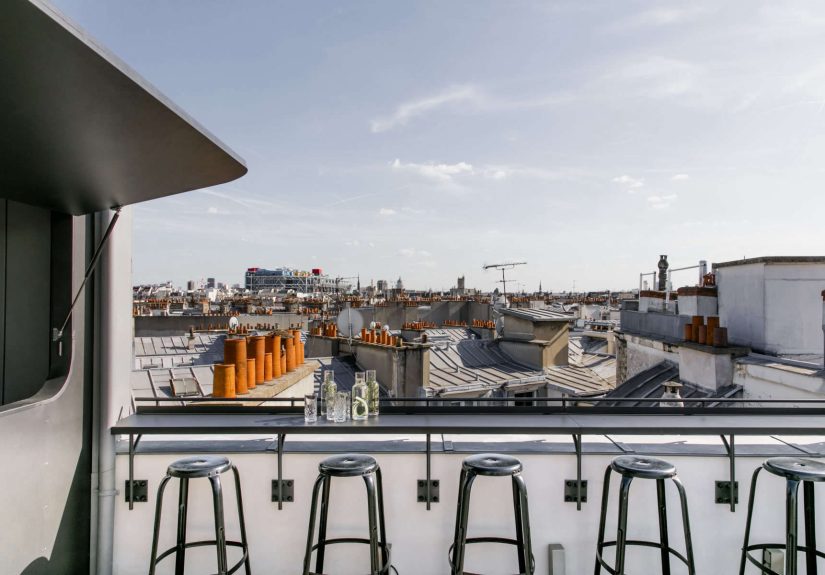
One beautiful view. Not ten. One. A rooftop, a river path, a park overlook, a skyline at dusk. A single, well-timed view does more for the soul than an entire slideshow of obligation.
A Sample Formula for the Perfect City Weekend
Need a framework? Here is the one that rarely fails.
Friday evening: check in, unpack just enough to feel civilized, grab a nearby dinner, then take a short neighborhood walk. Learn the block. Find the coffee place for tomorrow. Identify the bakery situation.
Saturday morning: coffee, pastry, museum or market. Keep the first half of the day visually rich and physically light.
Saturday afternoon: lunch that stretches, then neighborhood shopping, a gallery, a park, or a long walk through the streets you did not plan for.
Saturday night: one reservation you are genuinely excited about. Dress slightly better than necessary. Cities reward effort.
Sunday morning: breakfast somewhere beloved, then one last cultural stop or browse-heavy neighborhood stroll.
Sunday afternoon: pick up something edible, something useful, or something unnecessary but delightful. Depart feeling pleased, not depleted.
Why City Weekends Are More Than a Trend
The city weekend is not just popular because it looks good on social media, though it certainly does not hurt that a marble café table and a flaky pastry remain undefeated. Its real power is that it teaches restraint. You do not need a massive trip to feel changed. You need concentration. Attention. A little style. A little curiosity. A little room to be surprised.
And perhaps that is why this obsession feels durable. The city weekend fits modern desire: we want meaning, but we also want convenience. We want beauty, but not chaos. We want to feel transported without necessarily spending a week in transit or a month recovering financially. A thoughtfully planned city weekend delivers all of that. It is a compact luxury. A manageable fantasy. A reminder that novelty does not always require distance.
In other words, the city weekend is not a compromise vacation. It is a highly evolved one. It rewards taste, not excess. Curiosity, not conquest. It says: pick a neighborhood, wear the good jacket, walk until you are pleasantly hungry, and let the city flirt with you a little. Honestly, what could be more current than that?
Extra Notes From the Field: A 500-Word Love Letter to the City Weekend
My favorite city weekends always begin the same way: I arrive believing I have a plan, and within three hours the city politely informs me that my plan is adorable. That is part of the thrill. A real city weekend is not a military exercise. It is a collaboration between intention and temptation. You intend to visit a gallery; temptation leads you into a stationery shop where you suddenly become the kind of person who has very strong opinions about notebooks. You intend to have one sensible lunch; temptation introduces you to a bar menu, a plate of fries, and a stranger at the next table explaining, with suspicious confidence, where to get the best almond croissant in a three-mile radius.
I remember one particular weekend when I did almost everything “wrong” on paper and everything “right” in spirit. I overslept my carefully chosen breakfast reservation and ended up at a tiny café with three tables and absolutely no interest in being discovered. The coffee was excellent, the toast was absurdly good, and the owner gave me a list of places to walk after I admitted I had no real agenda. I spent the morning drifting through side streets, stopping whenever something looked promising. A bookstore became a half-hour detour. A flower market became an excuse to carry peonies around like I lived there. A museum I had never heard of ended up being the emotional centerpiece of the trip.
That is what city weekends do so well. They create room for accidental intimacy with a place. On a longer vacation, you can start to feel managerial. You begin optimizing, comparing, checking, confirming. On a city weekend, especially a good one, you surrender faster. You stop asking whether you are seeing everything and start asking whether you are enjoying anything. The answer gets better when your schedule gets lighter.
There is also something deeply satisfying about the scale of it. A city weekend makes ordinary rituals feel cinematic. Getting dressed for dinner matters more. The walk back to the hotel feels more romantic. Even buying toothpaste at a local pharmacy can feel weirdly elegant when you are in the right mood and slightly under-slept. You are not trying to become a new person. You are just becoming a more observant version of yourself for 48 hours.
And the best part? The trip lingers. Not in the grand, life-changing way that travel writing sometimes oversells, but in the more believable way that actually counts. You come home with one excellent restaurant recommendation, two new wardrobe ideas, a pocket full of receipts, and a renewed interest in your own life. You remember that pleasure can be assembled from small things: good shoes, a walkable block, a late lunch, a beautiful lobby, a city that rewards curiosity. That may be why the city weekend feels like such a worthy obsession. It does not ask for much. It just gives back more than expected.