Table of Contents >> Show >> Hide
- What Counts as a “Biggest” Shark Tank Success?
- The 22 Biggest Shark Tank Success Stories
- 1) Bombas (Socks That Became a Movement)
- 2) Scrub Daddy (A Smile That Took Over Your Sink)
- 3) Everlywell (At-Home Lab Testing Goes Mainstream)
- 4) Ring (The Rejection That Became a Billion-Dollar Exit)
- 5) Squatty Potty (Yes, That Toilet Stool)
- 6) Cousins Maine Lobster (From Food Truck to National Footprint)
- 7) The Bouqs Co. (The Flower Business, Re-Engineered)
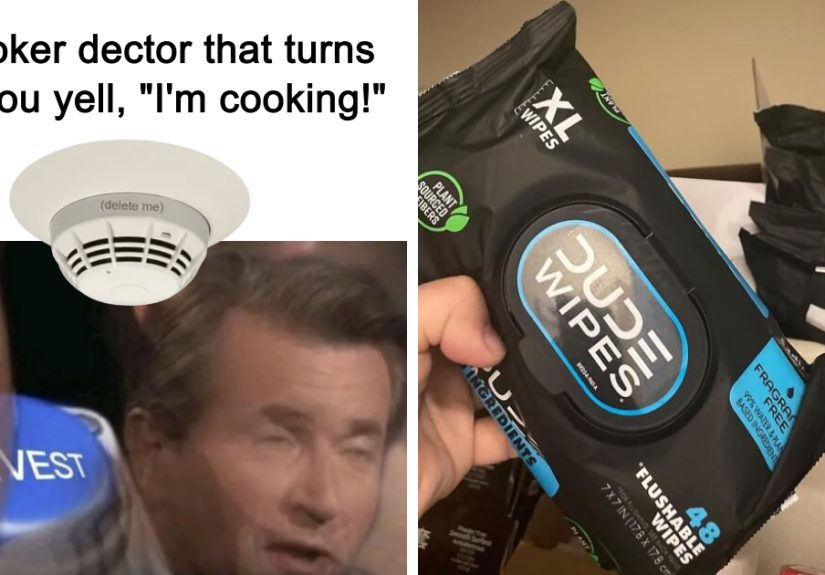
- 8) DUDE Wipes (A “Men’s Grooming” Product That Went Fully Mainstream)
- 9) Kodiak Cakes (The “No Deal” Breakfast Brand That Still Won)
- 10) Tipsy Elves (Ugly Sweaters That Turned Into a Year-Round Business)
- 11) Simply Fit Board (The Twist Board That Sold Out Fast)
- 12) Bala Bangles (Fitness Accessories That Look Like Fashion)
- 13) Spikeball (A Backyard Game That Became a Real Sport)
- 14) The Comfy (The Wearable Blanket That Took Over Winter)
- 15) Bantam Bagels (Tiny Bagels, Big Exit Energy)
- 16) Wicked Good Cupcakes (Cupcakes in a Jar, Sold Nationwide)
- 17) GrooveBook (Turning Phone Photos Into a Subscription Habit)
- 18) Grace & Lace (When One Product Turns Into a Lifestyle Brand)
- 19) LovePop (Greeting Cards That People Actually Keep)
- 20) Stasher (Reusable Storage That Became a Category Leader)
- 21) Drop Stop (The Car Seat Gap Saver You Didn’t Know You Needed)
- 22) FiberFix (The “Stronger Than Duct Tape” Repair Wrap)
- What These Wins Have in Common (And What You Can Steal for Your Own Ideas)
- of Real-World “Shark Tank” Experiences: The Highs, the Chaos, and the Aftermath
- Conclusion
“Shark Tank” is basically a business lightning storm: bright lights, big personalities, and deals negotiated faster than most of us can find the TV remote.
But the real magic isn’t the on-air handshakeit’s what happens after the episode airs. A great product can get a tidal wave of orders overnight.
A smart founder can turn that chaos into momentum. And sometimes, the biggest wins come from companies that didn’t even get a deal.
This list rounds up 22 of the biggest “Tank” success storiessome famous, some sneakily everywhere (you’ve probably used them and didn’t realize they were born on prime-time TV).
We’re talking massive lifetime sales, major acquisitions, national retail distribution, and brands that became household names.
Along the way, you’ll see patterns: the power of a clear pitch, the brutal reality of fulfillment, and why “no deal” doesn’t always mean “no future.”
What Counts as a “Biggest” Shark Tank Success?
“Success” can mean a lot of things, so here’s the yardstick we’re using: strong reported sales (or major growth milestones), long-term staying power, meaningful expansion into retail or new categories,
and/or a notable exit like an acquisition. Some brands are huge because they dominate a niche; others are huge because they escaped their niche and became part of everyday life.
The 22 Biggest Shark Tank Success Stories
1) Bombas (Socks That Became a Movement)
Bombas didn’t just sell socksit sold a mission. The brand paired premium comfort with a simple promise: for every item purchased, an item is donated.
That mix of product + purpose turned casual buyers into loyal fans. Over time, Bombas expanded beyond socks into apparel basics, proving it wasn’t a one-product wonder.
The result: a company that reportedly crossed the kind of lifetime sales numbers most startups only whisper about.
Why it worked: A product people buy repeatedly + a mission that feels tangible + strong brand storytelling that doesn’t require a PowerPoint to understand.
2) Scrub Daddy (A Smile That Took Over Your Sink)
Scrub Daddy is the rare product that looks like a gimmickuntil you use it once and suddenly your old sponge feels like it owes you an apology.
The temperature-responsive material (firm in cold water, soft in warm) made it genuinely useful, and the friendly design made it unforgettable.
Strong TV exposure plus smart retail expansion helped Scrub Daddy become one of the most iconic consumer products to ever come out of the “Tank.”
Why it worked: It’s demonstrable in seconds, solves an annoying daily problem, and is cheap enough for impulse purchaseaka the holy trinity of retail wins.
3) Everlywell (At-Home Lab Testing Goes Mainstream)
Everlywell arrived early to a trend that later became a full-on wave: convenient, at-home health testing.
The pitch was about access and simplicitymaking lab tests easier to order and understand, then delivering results digitally.
Partnerships with major retailers helped broaden reach, and the company’s evolution into a larger parent brand structure signaled it was playing a long game, not a one-season spike.
Why it worked: Clear consumer value (convenience), strong distribution, and a category with growing demandespecially when healthcare feels complicated.
4) Ring (The Rejection That Became a Billion-Dollar Exit)
Ring is a legendary reminder that “no” on TV isn’t the end of the story. The company pitched a video doorbell concept when the connected-home world was still warming up.
Even without a Shark Tank deal, it kept buildingand eventually Amazon acquired Ring in a deal widely reported to be valued around (or above) $1 billion.
If you’ve ever gotten an alert that someone is at the door while you’re not home… yep, this is that timeline.
Why it worked: The product sat at the intersection of security, convenience, and tech adoptionand it scaled into an ecosystem, not just a gadget.
5) Squatty Potty (Yes, That Toilet Stool)
Squatty Potty turned a bathroom conversation into a serious business by doing two things brilliantly: explaining the “why” in simple terms and marketing with fearless humor.
The product is straightforwardchange posture, improve comfortbut the brand made it memorable.
Over time, it expanded into a broader bathroom wellness line and became one of the best-known examples of a “weird pitch” that turned into a very real company.
Why it worked: Uncomfortable problem, simple fix, and marketing that made people actually talk about it instead of pretending it doesn’t exist.
6) Cousins Maine Lobster (From Food Truck to National Footprint)
Cousins Maine Lobster took a premium productMaine lobsterand built a scalable concept around it with food trucks and franchising.
It’s a brand that benefits from built-in “treat yourself” energy, but it still had to nail operations: sourcing, consistency, and expansion without diluting quality.
The fact that it moved beyond a single truck into a multi-market system shows what happens when a strong concept meets repeatable execution.
Why it worked: A craveable product, a scalable business model, and a brand story that feels authentic (because it is).
7) The Bouqs Co. (The Flower Business, Re-Engineered)
The Bouqs pitched a modern flower delivery model and didn’t land a deal on-airbut the business kept growing through funding, brand awareness, and operational improvements.
The core idea was freshness + a better supply chain story: partner with farms, reduce waste, and sell direct.
It later attracted investment outside the show’s moment, proving that a “Tank” appearance can still be rocket fuel even when no one bites on camera.
Why it worked: A category with emotional demand (flowers) plus a supply chain narrative consumers actually care about.
8) DUDE Wipes (A “Men’s Grooming” Product That Went Fully Mainstream)
DUDE Wipes took something ordinary and rebranded it with humor, clarity, and shelf presence.
The founders understood distribution earlygetting into major retailers matters when you’re selling a repeat-purchase item.
It also helped that the product idea is instantly understood: convenient personal wipes that fit modern routines. Not glamorous, but neither is toothpasteand that’s a compliment.
Why it worked: Simple product, repeat customers, and a brand voice that stands out in a boring aisle.
9) Kodiak Cakes (The “No Deal” Breakfast Brand That Still Won)
Kodiak Cakes is proof that you don’t need a Shark to build a powerhouseyou need distribution, a clear health angle, and the patience to scale.
The brand leaned into protein-forward breakfast staples and expanded across mixes, frozen products, and snacks.
It later drew major investment interest, reflecting how strong retail presence and category expansion can create value long after a TV pitch ends.
Why it worked: Health-meets-comfort-food positioning, broad retail availability, and smart product line expansion.
10) Tipsy Elves (Ugly Sweaters That Turned Into a Year-Round Business)
What starts as “holiday sweater jokes” can turn into a serious brand when you treat seasonal spikes like a strategy, not an accident.
Tipsy Elves leaned into loud designs and then expanded into other seasonal categories, widening its calendar beyond December.
The genius was taking a product that screams “once a year” and building a brand that could sell all year by following the same playful DNA.
Why it worked: Strong brand identity + product expansion that keeps the vibe while growing the audience.
11) Simply Fit Board (The Twist Board That Sold Out Fast)
Simply Fit Board is a classic “TV-friendly” winner: easy demo, immediate understanding, and a price point that makes people think,
“Sure, I’ll try that.” The brand also benefited from the post-episode surgerapid sales spikes, retail expansion, and visibility that turned a simple board into a household name.
It’s the kind of product that thrives when momentum is managed well and inventory doesn’t collapse under demand.
Why it worked: Demonstration power + mass retail readiness + a product that feels like a fun shortcut (even when it still takes effort).
12) Bala Bangles (Fitness Accessories That Look Like Fashion)
Bala reframed wrist/ankle weights as design objectssleek, giftable, and Instagram-friendly.
That mattered because modern fitness is as much lifestyle as it is exercise. The brand got a boost from major investor visibility and quickly pushed into retail,
riding the broader home-fitness boom. Bala’s story is a lesson in how packaging, branding, and product aesthetics can expand a market.
Why it worked: A familiar product reinvented with better design, better branding, and better cultural timing.
13) Spikeball (A Backyard Game That Became a Real Sport)
Spikeball’s “Tank” moment is famous because the business didn’t rely on a deal to validate it.
The brand grew through communitypeople playing, sharing, competing, and turning a casual game into something closer to an organized sport.
Even when the post-show investment story didn’t go the way viewers expected, the product’s built-in fun and replay value kept growth alive.
Why it worked: Network effects: every new player becomes a recruiter for more players.
14) The Comfy (The Wearable Blanket That Took Over Winter)
The Comfy is what happens when you take a simple comfort idea and make it instantly giftable.
The pitch was easy to grasp, the product was easy to wear, and the demand was huge during cold seasons.
From there, expansions into sizes, styles, and licensed versions helped the brand keep selling beyond the first viral surge.
Why it worked: Universal appeal, strong gifting behavior, and a product that’s basically a hug with sleeves.
15) Bantam Bagels (Tiny Bagels, Big Exit Energy)
Bantam Bagels popularized the “bagel bite” concept in a way that fit modern snacking: portable, indulgent, and easy to merchandise.
A great food pitch doesn’t just sell tasteit sells shelf strategy. Bantam expanded into broader distribution and eventually became an acquisition target,
showing how a focused product can build enough brand equity to attract larger food players.
Why it worked: A simple twist on a familiar food, plus packaging and distribution that made scaling possible.
16) Wicked Good Cupcakes (Cupcakes in a Jar, Sold Nationwide)
Wicked Good Cupcakes didn’t just sell dessertit sold shippable dessert. Putting cupcakes in jars solved a major limitation: cupcakes normally travel badly.
The company’s growth story includes strong media-driven surges and a deal structure that emphasized ongoing royalties.
It’s a reminder that “food businesses” can scale when you solve logistics as aggressively as you solve flavor.
Why it worked: Product innovation that enables shipping + repeatable gifting + strong story-driven marketing.
17) GrooveBook (Turning Phone Photos Into a Subscription Habit)
GrooveBook leaned into something most people feel but don’t act on: “I should print my photos.”
The subscription model made it automatic, and the affordability made it feel like a small indulgence instead of a project.
The concept was strong enough to lead to an acquisition by a major photo company, showing how a simple recurring service can create real value.
Why it worked: Subscription convenience beats good intentionsevery time.
18) Grace & Lace (When One Product Turns Into a Lifestyle Brand)
Grace & Lace found early traction with fashion basics and then used the show’s attention to accelerate.
The big lesson here isn’t just salesit’s category expansion. A brand that starts with one hero item can build into apparel,
accessories, and seasonal releases if it understands its audience’s taste and buying habits.
Why it worked: A clear niche + strong customer loyalty + smart product drops that keep people coming back.
19) LovePop (Greeting Cards That People Actually Keep)
LovePop turned greeting cards into something closer to a giftintricate pop-up designs that feel special right out of the envelope.
The brand grew through direct-to-consumer sales and expanded into retail, leaning on both craft and engineering to stand out in a crowded category.
It’s also a great example of how “small ticket” products can scale when they become a go-to for holidays and life events.
Why it worked: High “wow factor,” strong gifting behavior, and repeatable occasions (birthdays are undefeated).
20) Stasher (Reusable Storage That Became a Category Leader)
Stasher brought design and durability to reusable food storage, making an eco-friendly option feel premium rather than preachy.
Whether or not viewers remember the exact “deal outcome,” the brand kept growing by expanding sizes, colors, and use caseskitchen, travel, organization.
It’s a reminder that sustainability products win when they’re not just “better for the planet,” but also better to use.
Why it worked: Practical utility + premium design + a long-term shift away from single-use habits.
21) Drop Stop (The Car Seat Gap Saver You Didn’t Know You Needed)
Drop Stop solves a very specific problem: the black-hole gap between your seat and center console where phones, fries, and dignity disappear.
It’s not complicated, which is exactly the point. The product’s success story is rooted in mass retail distribution and a problem that’s instantly relatable.
When an item is both cheap and “obviously useful,” it has staying power far beyond the novelty phase.
Why it worked: Simple, universal problem + universal solution + easy retail placement.
22) FiberFix (The “Stronger Than Duct Tape” Repair Wrap)
FiberFix pitched itself as a tougher repair solution for quick fixesespecially for people who like practical tools that don’t involve a full workshop.
It’s the kind of product that thrives on demonstration: you show it once and the value clicks.
Strong visibility and “use it once, trust it forever” performance helped it hold space in the crowded world of home and auto repair products.
Why it worked: Demonstrable utility + trust-building performance + broad use cases.
What These Wins Have in Common (And What You Can Steal for Your Own Ideas)
Across wildly different categoriessocks, snacks, flowers, fitness, home goodsthe biggest Shark Tank success stories tend to share a few traits:
They solve a real problem, explain the value fast, and scale without breaking the customer experience.
Many also have a “repeat purchase” engine (Bombas, DUDE Wipes, Kodiak Cakes) or a gifting engine (The Comfy, LovePop, Wicked Good Cupcakes).
And here’s the underrated truth: the Sharks are not the only advantage. The audience is.
A great pitch plus national exposure can be a bigger asset than the investment itselfif you’re prepared to fulfill orders, handle customer support, and keep quality consistent.
of Real-World “Shark Tank” Experiences: The Highs, the Chaos, and the Aftermath
Founders often describe “Shark Tank” as two separate experiences: the pitch and the aftershock. The pitch is the performancetight story, sharp numbers, and the emotional
discipline to negotiate while cameras roll. The aftershock is the operational reality: your website traffic spikes, your inventory evaporates, and your customer inbox turns into
a 24/7 help desk. It’s thrilling… and it can be brutal if you’re underprepared.
One common experience founders share is how fast “small” weaknesses become big problems. If your packaging is confusing, returns rise. If your supplier can’t scale, you get
delays. If your product breaks once, social media remembers forever. That’s why many of the biggest wins on this list aren’t just great ideasthey’re great execution stories.
Scrub Daddy didn’t win because it was cute; it won because it worked, it was easy to demo, and it could scale into retail. Bombas didn’t win because socks are exciting (they’re
not), but because the brand built a repeatable customer habit and a mission customers wanted to be part of.
Another frequent founder experience: the “deal” is only the beginning. Even when a handshake happens on camera, terms can change after filming.
Due diligence takes time, and sometimes deals fall apart. That’s why “no deal” isn’t a death sentence. Ring is the famous examplerejection didn’t stop the market from wanting
the product later. Kodiak Cakes shows another version of this: keep building, keep distributing, keep expanding the product line, and a bigger opportunity can arrive later.
Many entrepreneurs also talk about the psychological whiplash. You go from unknown to recognized overnight. Customers message you with love and complaints in the same hour.
Friends suddenly “have a business idea.” People online debate your margins like they’re on your payroll. The founders who handle it best treat it like a campaign:
prepare inventory, prepare customer support scripts, prepare a clear follow-up offer, and keep the brand voice consistent everywheresite, packaging, social, and retail shelves.
Finally, there’s a shared experience that doesn’t get enough attention: the quiet work after the hype. The biggest success stories don’t live on one viral moment.
They keep iteratingnew products, better distribution, better unit economics, better customer retention. That’s the real “Shark Tank” lesson:
the show can open the door, but the business still has to walk through it every single day.
Conclusion
If there’s one takeaway from these 22 success stories, it’s this: “Shark Tank” is an amplifier, not a miracle.
It can magnify a great product into a national brandor magnify a shaky operation into a very public stress test.
The winners are the ones who pair a clear, lovable product with disciplined execution after the cameras stop rolling.