Table of Contents >> Show >> Hide
- First, what does “mid pack” actually mean?
- So, is it unsafe to stop birth control mid pack?
- What happens in your body when you stop mid pack?
- Short-term side effects of stopping birth control mid pack
- The biggest “risk” is pregnancyhere’s why
- Should you finish the pack before stopping?
- When stopping mid pack is especially common
- What to expect with your next period (and the one after that)
- How to stop mid pack with the least drama
- When to call a doctor (or at least message your clinic)
- FAQ
- Real-world experiences (the messy, relatable part) about
- Conclusion
You’re halfway through your pill pack, staring at that tiny blister card like it personally offended you.
Maybe you forgot a couple pills, maybe your mood is doing parkour, maybe you’re switching methods, or maybe you just want your body to stop feeling like it’s running iOS beta.
So… can you stop birth control mid pack? And if you do, are there actual health risksor just “my underwear drawer is about to become a crime scene” inconvenience?
Here’s the honest answer: for most people, stopping birth control pills in the middle of a pack isn’t dangerous in the long-term sense.
But it can cause short-term chaos (spotting, cramps, wonky timing), and the biggest practical risk is pregnancy if you have sex without a backup method.
Let’s break down what’s going on, what to expect, and how to stop as smoothly as humanly possible.
First, what does “mid pack” actually mean?
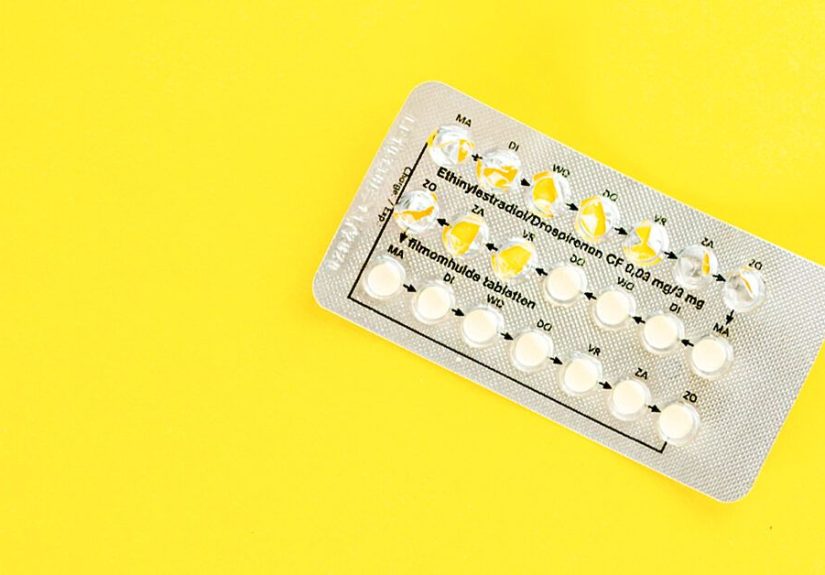
Most combined oral contraceptives (the classic estrogen + progestin pill) come with “active” hormone pills for about 3 weeks and then placebo (or low-hormone) pills for about 1 week.
“Mid pack” usually means you stop during the active hormone pillsbefore the placebo week that normally triggers your withdrawal bleed.
Progestin-only pills (“mini-pills”) are a little different: many packs have all active pills, and timing matters more. Either way, stopping suddenly changes your hormone levels, and your uterus tends to… have opinions.
So, is it unsafe to stop birth control mid pack?
In most cases, nothere’s no evidence that stopping mid pack causes permanent harm, infertility, or “you broke your hormones forever” outcomes.
Your body is designed to restart its natural cycle when the external hormones stop.
The tradeoff is that your cycle may become unpredictable for a bit, and if you stop active pills you can lose contraceptive protection quickly.
Think of it less like “medical danger” and more like “schedule derailment + pregnancy risk if you’re not careful.”
What happens in your body when you stop mid pack?
1) Your hormone levels drop (and your uterus gets the memo)
The pill works largely by preventing ovulation and keeping your hormone levels steady.
When you stop active pills, those steady hormone levels dropsimilar to what happens during the placebo week.
That drop can trigger withdrawal bleeding, even if you weren’t “due” for a bleed yet.
2) You may bleed, spot, cramp… or nothing may happen for a bit
Some people get bleeding within a couple days. Others spot on and off. Some feel mild cramps. And some get absolutely nothing,
which feels suspicious until you remember: bodies are weird, and every uterus has its own creative writing style.
3) Ovulation can return quickly (sometimes before your next “real” period)
Once you stop hormones, your brain-ovary communication line (the one the pill quiets down) can resume.
That means ovulationand therefore pregnancycan become possible sooner than many people expect.
You don’t need to wait for a “normal period” for fertility to return.
Short-term side effects of stopping birth control mid pack
Most side effects are temporary and settle after a few cycles. Common ones include:
- Spotting or irregular bleeding: The most common “surprise.” It can be light or annoyingly persistent.
- Withdrawal bleeding: A period-like bleed triggered by the hormone drop.
- Cramping or pelvic discomfort: Often mild, sometimes more noticeable if you’re prone to cramps.
- Headaches: Some people are sensitive to hormone changes, especially shifts in estrogen.
- Mood changes: Not everyone, but some people feel more irritable, emotional, or “why am I crying at a dog food commercial?”
- Acne flare-ups: If the pill helped your skin, stopping may let hormonal acne reappear.
- Breast tenderness or bloating: Usually fades as your body re-regulates.
Important note: sometimes the pill has been masking an underlying issue (like PCOS symptoms, endometriosis-related pain, or hormonal acne).
If those symptoms were present before you started the pill, they can come back when you stopbecause the pill wasn’t creating the issue, it was helping manage it.
The biggest “risk” is pregnancyhere’s why
If you stop taking active pills mid pack and have penis-in-vagina sex without another method, pregnancy becomes possible.
How quickly? It depends on where you are in the pack, how consistently you were taking pills before stopping, and your individual biology.
But the key point is: protection can drop off fast once you stop.
If you stopped and you’re not trying to get pregnant
Use a backup method (like condoms) right away. If you had unprotected sex recently and then stopped pills (or missed multiple pills),
consider emergency contraceptionespecially if pregnancy would be a “no thank you” situation right now.
Emergency contraception: the quick, practical rundown
- Levonorgestrel EC pills (like Plan B and generics) work best the sooner you take them.
- Ulipristal acetate (ella) is prescription and can be effective up to 5 days after unprotected sex.
- Copper IUD is the most effective emergency contraception and can be placed within 5 days (sometimes longer in specific timing situations).
If you’re unsure what’s best for your situation, a pharmacist or clinician can help you choose based on timing, body weight, and medication interactions.
Should you finish the pack before stopping?
Many clinicians suggest finishing the active pills in your current pack and then stopping (instead of quitting mid pack),
mostly because it can make bleeding and cycle timing more predictable.
But life isn’t always tidy, and there are plenty of situations where stopping immediately is reasonable.
A good rule of thumb:
If you’re stopping for convenience (not urgent), finishing the pack may reduce surprise bleeding.
If you’re stopping for a health concern (serious side effects, new contraindication, etc.), call a clinician and don’t feel obligated to “power through” pills you’re worried about.
When stopping mid pack is especially common
You’re switching to another method
Switching can be smooth if you “overlap” correctly (for example, starting the new method before protection lapses).
The details depend on what you’re switching toanother pill, patch, ring, implant, IUD, shot, or non-hormonal method.
If you can, get a quick plan from a clinician or reputable guidance so you don’t accidentally create a gap.
You’re trying to conceive
Many people ovulate within weeks after stopping the pill, and some can conceive before their first post-pill period.
If you’re trying, tracking ovulation signs (or using ovulation tests) can be helpfulbut don’t panic if your cycle is odd for a month or two.
You’re having side effects or new health risks
If you develop symptoms that could indicate a serious problemlike leg swelling/pain, chest pain, shortness of breath, severe headache,
vision changes, or one-sided weaknessseek urgent care. Those can be warning signs for rare but serious issues (like blood clots),
and you shouldn’t “wait until the pack ends” if something feels medically wrong.
What to expect with your next period (and the one after that)
After stopping mid pack, your next bleed might be:
- Earlier than expected (withdrawal bleeding)
- Later than expected (your body takes time to restart its rhythm)
- Heavier or lighter than your usual
- More irregular for 1–3 cycles
If your periods were irregular before the pill, they may return to that baseline.
And if you started the pill as a teen or to manage symptoms, stopping can “reveal” what your natural cycle looks like now.
How to stop mid pack with the least drama
-
Decide your goal:
Are you stopping due to side effects, switching methods, trying to get pregnant, or just done?
The best next steps depend on the “why.” -
Protect against pregnancy immediately (if relevant):
Use condoms or start your new method as advised. -
Expect some bleeding weirdness:
Stock panty liners. Forgive your calendar. Wear dark underwear with confidence. -
Track symptoms for a month:
If bleeding is heavy, pain is severe, or mood changes feel unmanageable, you’ll have useful info to share with a clinician. -
Take a pregnancy test if there’s any doubt:
If you had unprotected sex around the time you stopped and your period is late, test.
(And if it’s negative but you still feel off, test again a week later or talk to a clinician.)
When to call a doctor (or at least message your clinic)
Reach out if you have:
- Very heavy bleeding (soaking through pads/tampons rapidly, passing large clots, dizziness)
- Severe pelvic pain or pain with fever
- No period for 3 months after stopping (and pregnancy is ruled out)
- Worsening depression/anxiety or mood symptoms that feel unsafe
- Symptoms of pregnancy or a positive test
- Red-flag symptoms like chest pain, shortness of breath, sudden severe headache, or leg swelling/pain
FAQ
Will stopping mid pack “mess up my hormones” permanently?
Extremely unlikely. Most people’s cycles settle back into a pattern within a few months.
If something stays off longer, it’s often because of an underlying condition the pill was smoothing overnot because stopping “broke” anything.
What if I’m on the pill for acne, PCOS, or endometriosis?
Then stopping can mean the return of the symptoms the pill was helping manage.
If you’re stopping because you hate the pill but still need symptom control, talk to a clinician about alternatives (different formulations, non-pill options, or non-hormonal strategies).
Is it different with the mini-pill?
Progestin-only pills are less forgiving with timing for pregnancy prevention, and stopping can mean a quicker return of fertility.
If pregnancy prevention matters, switch/backup plans are especially important.
Can I just stop and restart later?
You can, but restarting should be treated like starting fresh: follow instructions for when protection begins, and use backup contraception when recommended.
Also, stop-start patterns can increase irregular bleeding for some people.
Real-world experiences (the messy, relatable part) about
People rarely stop birth control mid pack in a calm, candlelit moment with a spreadsheet open. It’s usually more like:
“I forgot two pills, now I’m spotting, I’m stressed, and this pack is judging me.” If that’s you, welcomeyour membership card is a panty liner.
The Spotting Surprise: One of the most common experiences is bleeding that seems to show up with zero calendar permission.
Some people describe it as light spotting for a couple days; others get on-and-off bleeding for a week or two.
It’s annoying, but typically not dangerous. The reason is simple: your uterine lining responds to hormone changes, and quitting mid pack is basically a hormone plot twist.
A lot of folks report the bleeding feels “random,” but it often happens within days of stopping, then tapers.
The “Am I Pregnant?” Spiral: Another classic: you stop mid pack, bleed a little, then nothing happens for weeks.
That silence can be loud. Plenty of people take a pregnancy test “just to be sure,” even if they think they were protected.
This is especially common if you had sex shortly before stopping or if you were already missing pills.
The emotional experience here matters: uncertainty can spike anxiety. Many people find it helpful to set a simple testing plantest at an appropriate time, repeat if needed, and don’t torture yourself with daily tests that only buy you stress.
The PMS Comeback Tour: Some people forget how their body felt before the pilluntil it returns like a band reuniting for one last album.
Cramps, breast tenderness, headaches, and mood swings can reappear, especially if the pill had been smoothing those symptoms out.
The good news: for many, the intensity eases as cycles normalize.
The more complicated truth: if the pill was treating something (like painful periods), stopping can reveal that the underlying problem is still there and deserves real attention.
The Skin Plot Twist: A lot of people mention acne flaring after stoppingsometimes within weeks, sometimes after the first “real” cycle returns.
It’s not that the pill “caused” acne; it’s that some pill types can reduce androgen-related breakouts, and stopping removes that support.
Many people report improvement after a few months with a steady routine (gentle cleanser, non-comedogenic moisturizer, sunscreen), while others choose to talk to a dermatologist or switch methods.
The Relief Factor: Not all experiences are chaotic. Some people feel genuinely better quicklyless nausea, fewer headaches, improved libido, or just a sense of “my body feels like mine again.”
If you stopped because side effects were making you miserable, relief can be immediate and validating.
The main practical lesson people repeat: if you’re stopping mid pack and pregnancy prevention matters, plan the backup method before you rely on vibes.
Conclusion
Stopping birth control mid pack usually isn’t a long-term health dangerbut it can cause short-term side effects like irregular bleeding, cramps, and cycle confusion.
The most important “risk” is pregnancy if you have sex without a backup method, because fertility can return quickly after stopping.
If you’re stopping for convenience, finishing the pack can make bleeding more predictable. If you’re stopping because something feels medically wrong,
don’t tough it out alonereach out to a clinician, especially for severe symptoms or red flags.
Your body will likely settle into a rhythm again; the goal is to keep you comfortable, informed, and in control while it does.