Table of Contents >> Show >> Hide
- Why Preparedness Works Best When It Is Boring
- 1. A Reliable Water Storage and Purification Setup
- 2. A NOAA Weather Radio
- 3. A High-Quality Flashlight or Headlamp
- 4. A Backup Power Bank and Charging Kit
- 5. A Real First Aid Kit
- 6. A Medication and Medical Needs Pouch
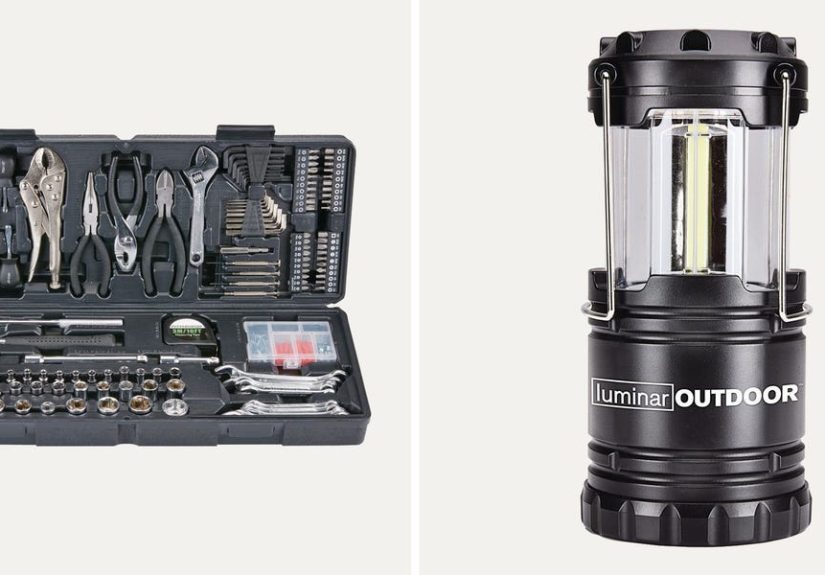
- 7. A Multipurpose Tool
- 8. A Waterproof Document Pouch
- 9. A Hygiene and Sanitation Kit
- 10. A Fire Extinguisher and Home Safety Check Toolset
- How to Turn These Tools Into a Real Preparedness System
- What Real Preparedness Experiences Teach You
- Conclusion
Preparedness has an image problem. The phrase makes some people picture a bunker, a dozen camo backpacks, and one guy who knows way too much about freeze-dried lasagna. In reality, ultimate preparedness is far less dramatic and far more useful. It means having the right tools ready before life gets weird. And life does get weird. Storms roll in. Power goes out. Roads close. Phones die. Pharmacies shut early. Your Wi-Fi disappears and suddenly the whole household acts like civilization has collapsed by candlelight.
The good news is that smart emergency preparedness does not require panic, perfection, or an enormous budget. It requires choosing the tools that solve the most common problems: no clean water, no light, no information, no power, no quick access to medicine, and no easy way to grab important items fast. The best preparedness tools work quietly in the background until the day they become the stars of the show.
This guide breaks down ten essential tools for ultimate preparedness, explains why each one matters, and shows how to build a practical system that works at home, in a car, or during an evacuation. Think of it as the grown-up version of “bring a jacket just in case,” except with fewer regrets and better batteries.
Why Preparedness Works Best When It Is Boring
Here is the secret that experienced households learn fast: the best emergency setup is the one you can find in the dark, carry in a hurry, and use without reading a 47-page instruction manual while your phone is hanging on for dear life at 2 percent. Preparedness is not about owning the fanciest gear. It is about reducing friction when stress is high.
That means your tools should be simple, sturdy, clearly stored, and matched to your real risks. A family in a hurricane zone may prioritize water storage and evacuation bags. A household in wildfire country may care more about smoke, air alerts, and document pouches. An apartment renter may focus on outages, stairwell evacuations, and small-space storage. Same idea, different details.
1. A Reliable Water Storage and Purification Setup
If preparedness had a main character, it would be water. Clean water does more than keep people hydrated. It supports cooking, basic hygiene, sanitation, and a surprising amount of emotional stability. People get very philosophical when they realize the faucet is not cooperating.
What to keep
Start with dedicated water containers for home use, plus a compact purification backup such as purification tablets or a portable filter designed for emergency use. Water is heavy, so store it where it makes sense instead of creating a dramatic shoulder-injury challenge for your future self.
Why it matters
In many emergencies, the issue is not just thirst. It is uncertainty. A stored water supply gives you time to make smart decisions instead of rushed ones. A purification option adds flexibility if the disruption lasts longer than expected.
2. A NOAA Weather Radio
Your phone is helpful until the battery dies, the network gets jammed, or the alert settings are a mess because you once silenced everything after a week of amber alerts and promotional notifications from an app you forgot to delete. A weather radio is still one of the smartest preparedness tools you can own.
What to look for
Choose a radio that can receive weather alerts, runs on batteries or hand crank power, and is simple to operate. Bonus points for a built-in flashlight, USB charging option, or alarm feature that wakes you up when conditions change overnight.
Why it matters
When weather conditions shift fast, reliable information beats rumors every time. A good radio helps you know whether you need to shelter, charge devices, leave early, or simply stop doom-scrolling and go back to making coffee.
3. A High-Quality Flashlight or Headlamp
Using your phone flashlight during an outage feels clever for about nine minutes. Then your battery drops, your hand gets tired, and you realize you are basically using a luxury text machine to do the job of a ten-dollar tool. A dedicated light source is non-negotiable.
Best option
Keep at least one sturdy LED flashlight and one headlamp. Flashlights are great for quick checks. Headlamps are better when you need both hands free for stairs, first aid, pet wrangling, or figuring out why the breaker panel suddenly looks like a puzzle designed by chaos itself.
Why it matters
Light improves safety, mobility, and calm. It also helps prevent small problems from becoming big ones. A dark hallway, broken glass, or a missed medication label is a lot less charming than it sounds.
4. A Backup Power Bank and Charging Kit
Modern life runs on battery percentages and false confidence. A fully charged power bank is one of the simplest ways to stay functional when the grid is not. Phones are not just for texting. They hold maps, contact lists, health information, insurance data, and emergency alerts.
What to include
Keep a charged power bank, wall charger, car charger, and the right cables for every device in your household. Label them. Untangling mystery cords in an emergency is a terrible hobby.
Why it matters
Communication is one of the first things people lose during stressful events. Backup power helps you stay reachable, informed, and less likely to make decisions based on one remaining bar and pure optimism.
5. A Real First Aid Kit
A proper first aid kit is not a crusty plastic box from 2014 containing one bandage, a mystery wipe, and vibes. It should be stocked, organized, and actually useful. Preparedness is easier when you can handle small injuries at home without turning a minor cut into a household crisis.
What belongs inside
Build around the basics: bandages, gauze, tape, antiseptic supplies, gloves, instant cold packs, pain relievers, and any household-specific medical items you regularly need. Then review it a couple of times a year so expired supplies do not become your emergency plan.
Why it matters
Small injuries are common during outages, storms, rushed packing, and cleanup. A stocked first aid kit gives you speed, confidence, and fewer panicked cabinet searches.
6. A Medication and Medical Needs Pouch
This is the tool too many people forget until the pharmacy is closed, the doctor’s office is unreachable, or the family member with specific medical needs suddenly becomes the top priority. Medications are not an “also maybe” item. They are essential infrastructure.
What to keep ready
Use a clearly labeled pouch or organizer for prescription medications, dosage information, copies of prescriptions, and any critical medical supplies. If a medication requires cooling, plan for that too with the right insulated solution.
Why it matters
Emergencies hit different when someone needs medication on time. This one tool can save enormous stress during evacuations, extended outages, or travel delays.
7. A Multipurpose Tool
No, this does not mean you need to cosplay as a wilderness expert. It means you should have one compact tool that solves common problems fast. A good multipurpose tool earns its keep when packages need opening, batteries need swapping, loose items need tightening, or quick repairs keep your day from unraveling.
Best use cases
Think cutting tape, opening cans if needed, trimming cord, minor household fixes, and dealing with the kind of annoying little jobs that always appear when stores are closed and time is short.
Why it matters
Preparedness is often about problem-solving, not drama. One small tool can prevent a whole chain of inconvenience, and that is honestly heroic enough.
8. A Waterproof Document Pouch
If you ever had to remember an account number, policy number, ID detail, or medical note under pressure, you already know the brain becomes a decorative object at the worst possible moment. A waterproof document pouch turns chaos into order.
What to store
Include copies of identification, insurance information, medical details, emergency contacts, property records that matter, and a small amount of cash. Add a USB drive with digital backups if you want extra peace of mind.
Why it matters
When you need to leave quickly or prove something fast, paperwork suddenly becomes glamorous. This tool protects critical information from water, clutter, and last-minute panic.
9. A Hygiene and Sanitation Kit
Preparedness gets much less cinematic and much more real when basic sanitation becomes an issue. Hygiene tools are not exciting, but neither is feeling gross, uncomfortable, or under-supplied during a disruption.
What to include
Pack wipes, hand sanitizer, soap, trash bags, toilet paper, feminine hygiene products if needed, diapers if applicable, and any personal care items that are hard to skip for several days. Add masks if your local risks include smoke, dust, or crowded shelters.
Why it matters
Hygiene supports health, comfort, and dignity. It also helps families with kids, older adults, and caregivers manage stressful situations more smoothly.
10. A Fire Extinguisher and Home Safety Check Toolset
Preparedness is not only about what happens outside your home. Sometimes the most useful tool is the one that handles an emergency in your kitchen, hallway, or utility area. A fire extinguisher belongs in the readiness conversation for a reason.
What to do
Keep an appropriate extinguisher where it can be reached quickly, and pair it with a routine for testing smoke and carbon monoxide alarms. You do not need a glamorous system. You need one that is maintained.
Why it matters
Some emergencies move fast. Home safety tools can buy precious time, reduce damage, and support safer evacuation if something goes wrong indoors.
How to Turn These Tools Into a Real Preparedness System
Owning the tools is step one. Making them usable is step two. Store them in categories: home kit, grab-and-go bag, car kit, and medical essentials. Label bins clearly. Keep heavy items low. Put the document pouch and medication kit where everyone responsible can find them. Review the setup twice a year, replace expired items, refresh batteries, and charge power banks. Preparedness should not be a one-time shopping spree followed by a decade of denial.
Also tailor your tools to your household. Add pet supplies if you have pets. Add backup glasses, hearing aid batteries, baby items, or mobility supports if needed. The goal is not to build the internet’s most impressive emergency shelf. The goal is to make your actual life easier during an actual disruption.
What Real Preparedness Experiences Teach You
People usually become serious about preparedness after an ordinary day turns strange faster than expected. It might start with a thunderstorm and end with a five-hour outage. It might be a wildfire alert, a winter storm warning, a broken water main, or a mandatory building evacuation at the exact moment everyone is hungry and nobody can find the phone charger. These experiences are where preparedness stops being theory and starts feeling personal.
One of the most common lessons is that time behaves differently in emergencies. Ten calm minutes at home can feel like plenty. Ten stressed minutes in the dark, while looking for batteries, checking on family members, and trying to remember where the insurance card is, feels like a reality show no one auditioned for. Households that already have their flashlight, weather radio, medication pouch, and documents together do not become superheroes. They simply waste less time. And in a stressful situation, wasting less time feels amazing.
Another shared experience is discovering how quickly small conveniences become major needs. A power bank is easy to ignore when the outlet works. Then the power goes out, the phone becomes your map, flashlight, update feed, and contact line, and suddenly that power bank looks like the MVP of civilization. The same thing happens with stored water, hand sanitizer, a working first aid kit, and even trash bags. These are not glamorous tools, but they solve the exact kinds of problems that make disruptions harder than they need to be.
Preparedness also teaches people that information is emotional. When you do not know what is happening, anxiety grows fast. A weather radio, emergency app, printed contact list, and a simple family plan reduce confusion. They do not eliminate stress, but they give stress fewer places to set up furniture. Families often report that the most reassuring part of a real emergency is not having the fanciest gear. It is hearing someone say, “The flashlights are in the front closet, the medicine pouch is in the go-bag, and the document folder is by the door.” Order is calming.
There is also a strong social side to preparedness. In apartment buildings, neighborhoods, and families, the person with an extra charger, spare batteries, bandages, or a weather update becomes instantly popular. Preparedness is not selfish hoarding. Done well, it creates stability that can help others too. The point is not to own everything. It is to cover your basics well enough that you are not adding chaos to a chaotic moment.
Finally, experience teaches humility. No kit is perfect. You will forget something the first time. Maybe you packed batteries but not the right size. Maybe the flashlight was excellent and the can opener was a joke. Maybe you learned that your household really needs extra pet food, backup glasses, or a better way to store medications. That is normal. Preparedness improves through use. Every outage, storm warning, or travel disruption gives you a chance to tighten the system a little more. Over time, the tools stop feeling like “emergency gear” and start feeling like quiet insurance for real life.
Conclusion
The ultimate preparedness setup is not about fear. It is about function. With the right ten tools, you can handle outages, severe weather, evacuation warnings, and household disruptions with more confidence and less chaos. Start with water, light, information, power, first aid, medications, documents, hygiene, and home safety. Then make the setup easy to use, easy to carry, and easy to maintain.
Because when life decides to improvise, the prepared household does not need to be dramatic. It just needs to know where the flashlight is.
Note: This article is for general household preparedness. Adjust your kit for local hazards, pets, children, older adults, and any medical or accessibility needs.