Table of Contents >> Show >> Hide
- How landscaping boosts home value (without magic tricks)
- Quick ROI cheat sheet (so you can prioritize like a pro)
- 11 landscaping projects that can boost your home’s value
- 1) Standard lawn care service (the boring hero)
- 2) Landscape maintenance (mulch, pruning, cleanup)
- 3) Overall landscape upgrade (front walkway + coordinated plantings)
- 4) New patio (a usable outdoor “room”)
- 5) New wood deck (outdoor square footage people pay for)
- 6) Tree care (prune, treat, remove hazards)
- 7) Irrigation system installation (sell “easy maintenance”)
- 8) Landscape lighting (curb appeal after dark)
- 9) Outdoor kitchen (a lifestyle upgrade that can pay off)
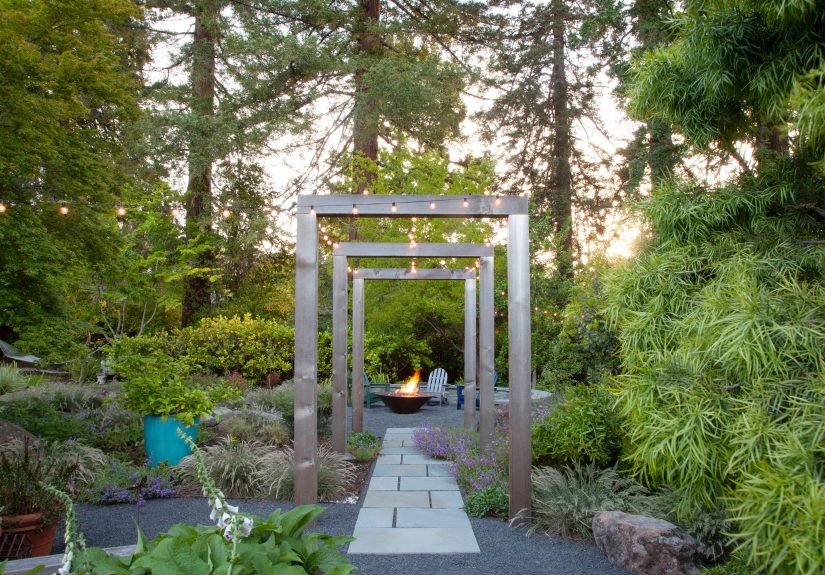
- 10) Fire feature (cozy sells, but keep expectations realistic)
- 11) In-ground pool (big value in some markets, “meh” in others)
- How to choose the right projects for your home (so you don’t overspend)
- Conclusion: the goal is “this home is cared for”
- Extra: of real-world experience (what homeowners learn the hard way)
Buyers judge a house the way we all judge a restaurant: from the outside, before we’ve even seen the menu.
A clean, well-designed yard builds instant trustthis home is cared for. And trust is expensive. (In a good way.)
The best part? You don’t need a koi pond blessed by a celebrity gardener to get results. Most value-boosting landscaping
projects are surprisingly practical: healthy grass, tidy beds, safe walkways, and outdoor spaces that feel usablenot “weeds with ambition.”
Below are 11 landscaping and outdoor-feature projects that can improve curb appeal and resale value, with real-world guidance
on what buyers notice, what tends to pay back, and what can quietly drain your budget if you’re not careful.
How landscaping boosts home value (without magic tricks)
Landscaping adds value in three main ways:
- Curb appeal: First impressions influence everythingshowings, offers, and how much “work” buyers think the home needs.
- Perceived maintenance: A tidy yard signals responsible ownership. A chaotic yard signals future surprises.
- Livable outdoor space: Patios, decks, lighting, and kitchens expand how buyers imagine using the property.
One important note: “Return on investment” (ROI) in landscaping isn’t just about resale price. It’s also about speed of sale,
buyer confidence, and fewer negotiation headaches after inspections. In other words: less haggling, more closing.
Quick ROI cheat sheet (so you can prioritize like a pro)
Estimated cost recovery varies by market, materials, and how well the work fits your neighborhood. But in general, the highest
payback tends to come from “looks cared for” basics (lawn care, maintenance, tree work), followed by practical outdoor living upgrades
(patios/decks), and then lifestyle splurges (fire features, pools) that are more location-dependent.
| Project | What buyers feel | Typical budget level | Estimated cost recovery (often reported) |
|---|---|---|---|
| Standard lawn care service | “This place is maintained.” | $ | Very high |
| Landscape maintenance (mulch/prune/refresh) | “Move-in ready.” | $$ | High |
| Overall landscape upgrade (front walkway + plantings) | “Wow, this has presence.” | $$$ | High |
| New patio | “We’ll actually use the yard.” | $$$ | High |
| New wood deck | “Extra living space.” | $$$ | High |
| Tree care (prune/remove hazards) | “Safe, shaded, cared for.” | $$ | High |
| Irrigation system installation | “Easy to maintain.” | $$$ | Mid-high |
| Landscape lighting | “Pretty and secure.” | $$$ | Mid |
| Outdoor kitchen | “Entertaining lives here.” | $$$$ | Market-dependent (can be strong) |
| Fire feature | “Cozy. Instagramable.” | $$$ | Market-dependent |
| In-ground pool | “Dreamy… or a chore.” | $$$$$ | Highly market-dependent |
11 landscaping projects that can boost your home’s value
1) Standard lawn care service (the boring hero)
Lawn care is the easiest “this home is maintained” signal you can send. A greener, denser lawn photographs better,
shows better, and makes the whole property feel more expensiveeven if the house itself is unchanged.
- What to do: Seasonal fertilizer/weed control, consistent mowing, edging, and spot-seeding thin areas.
- Pro tip: Mow high enough for your grass type. Scalping the lawn is basically giving your yard a bad haircut on purpose.
- Common mistake: Over-fertilizing right before listing. You want healthy turf, not a science experiment.
2) Landscape maintenance (mulch, pruning, cleanup)
If lawn care is the foundation, maintenance is the “polish.” Fresh mulch, defined bed edges, and neatly pruned shrubs
make buyers think, “I won’t spend every weekend fixing this place.” That thought is worth money.
- What to do: Weed beds, re-edge borders, prune overgrowth, replace dead plants, refresh mulch.
- Make it photogenic: Keep plant shapes simple and intentional. Rounded shrubs and clean lines read well in listing photos.
- Common mistake: Volcano-mulching tree trunks. Mulch should be a donut, not a mountain.
3) Overall landscape upgrade (front walkway + coordinated plantings)
If you want the biggest visual transformation, focus on the front approach: walkway, entry planting, and one or two
“anchor” elements (like a small tree or large planters). Buyers don’t just see a yardthey experience a path.
- What to do: Upgrade the front walk with timeless materials, add structured planting beds, and choose a focal point.
- Style guidance: Neutral hardscape + layered greenery = broad buyer appeal.
- Common mistake: Too many tiny plants scattered everywhere. Groupings look intentional; confetti looks accidental.
4) New patio (a usable outdoor “room”)
A patio turns the yard from “something you mow” into “somewhere you live.” Even a modest paver patio creates an outdoor
living space buyers can instantly picture: coffee, dinner, kids, dogs, friends, quiet timewhatever their life is.
- What to do: Build a patio sized for real furniture (not dollhouse chairs) and add a simple seating layout.
- Design tip: Leave circulation space. Buyers notice when a patio feels cramped.
- Common mistake: Skipping base prep and drainage. A “wavy” patio is a value reducer, not a value booster.
5) New wood deck (outdoor square footage people pay for)
Decks tend to perform well because they expand functional space and connect indoor/outdoor livingespecially if the deck
is safe, solid, and visually clean. If your existing deck is tired, repairing or replacing it can remove a major buyer objection.
- What to do: Replace rotted boards, modernize rails, refresh stain/seal, and ensure stairs/footings are sound.
- Buyer psychology: A sturdy deck feels like “extra living area.” A sketchy deck feels like “future hospital bill.”
- Common mistake: Over-customizing. Keep it classic unless your neighborhood expects luxury.
6) Tree care (prune, treat, remove hazards)
Healthy trees add beauty and shade. Neglected trees add anxiety. Buyers notice dead limbs, leaning trunks, roots lifting walkways,
and branches scraping the roof. Tree care can boost value by improving safety, appearance, and comfort.
- What to do: Hire a certified arborist for pruning, health treatments if needed, and hazard evaluation.
- Energy bonus: Strategically placed shade can help cool outdoor areas and reduce heat around the home.
- Common mistake: DIY heavy pruning. Bad cuts can weaken trees and invite disease.
7) Irrigation system installation (sell “easy maintenance”)
A good irrigation system is a convenience feature that also protects your landscape investment. For busy buyers, “automatic watering”
feels like freedom. For practical buyers, it feels like plant survival insurance.
- What to do: Install zone-based irrigation, add a smart controller, and document settings for the next owner.
- Water-smart upgrade: Consider weather- or soil-based controllers to reduce overwatering and waste.
- Common mistake: Spraying sidewalks and driveways. Buyers notice waste (and sloppy design).
8) Landscape lighting (curb appeal after dark)
Outdoor lighting makes a home feel safer and more “finished.” It highlights pathways, steps, landscaping, and architectural features.
And it’s one of the easiest ways to make nighttime curb appeal feel high-end.
- What to do: Light paths and steps first, then add accent lighting (trees, façade, garden features).
- Keep it classy: Warm, subtle light beats “runway landing strip.”
- Common mistake: Glare in the eyes. Aim and shield fixtures properly.
9) Outdoor kitchen (a lifestyle upgrade that can pay off)
Outdoor kitchens are a “headline feature.” In the right marketespecially where outdoor entertaining is commonthis can be a strong
differentiator that nudges buyers to pay more because the experience feels premium.
- What to do: Start with a built-in grill, durable counter space, and weatherproof storage.
- Durability matters: Choose materials that handle sun, rain, and temperature swings.
- Common mistake: Going too fancy for the neighborhood. Match your area’s expectations.
10) Fire feature (cozy sells, but keep expectations realistic)
A fire pit or fire table can make a yard feel like a destination. It’s a mood-maker. It’s also very “buyer-imagination friendly”:
people picture s’mores, gatherings, and fall eveningseven if they don’t own a single marshmallow.
- What to do: Install a code-compliant feature with safe clearances, stable seating space, and a clean hardscape base.
- Gas vs. wood: Gas is easier and cleaner; wood is nostalgic. Choose what fits local norms and regulations.
- Common mistake: Placing it too close to structures or under low branches. Safety first, always.
11) In-ground pool (big value in some markets, “meh” in others)
Pools are the ultimate “it depends” upgrade. In warm climates where pools are common, they can help your home stand out and sell faster.
In cooler climates or neighborhoods where pools are rare, they can feel like a maintenance commitment buyers don’t want.
- What to do: If you already have a pool, make it sparkle: clean water, serviced equipment, clear inspection documentation.
- Buyer concerns: Maintenance cost, safety (especially for kids), insurance, and repairs.
- Common mistake: Assuming every buyer wants one. Many buyers will love it; some will mentally subtract money immediately.
How to choose the right projects for your home (so you don’t overspend)
-
Fix “red flags” before “nice-to-haves.”
Hazards (rotting decks, dead trees, broken drainage) reduce offers more than fancy landscaping increases them. -
Match the neighborhood.
If your street is tidy and traditional, a modern desert rock garden might feel out of placeeven if it’s gorgeous. -
Prioritize the front approach.
The front yard and entry path drive first impressions. Spend there first. -
Design for low maintenance.
Buyers pay for “easy.” Native plants, simple shapes, and smart watering are always a safer bet than high-drama landscaping. -
Do the math on time.
If listing soon, choose fast-impact projects: mulch, pruning, edging, lighting, and patio staging.
Conclusion: the goal is “this home is cared for”
Landscaping boosts home value when it improves trust, usability, and curb appeal. Start with the basics that make the yard look healthy
and intentionallawn care, maintenance, tree cleanupthen add livable outdoor features like patios, decks, and lighting.
If you go bigger (outdoor kitchens, fire features, pools), keep your neighborhood and climate in mind so your investment matches buyer expectations.
Extra: of real-world experience (what homeowners learn the hard way)
Here’s the funny thing about landscaping for resale: you’re not really landscaping for plants. You’re landscaping for feelings.
The feeling buyers get when they pull up, step out of the car, and think, “Oh. This is nice.”
In practice, the most effective upgrades usually aren’t the most glamorous. Fresh mulch is the perfect example. It’s basically makeup for your yard,
and it works the same way: it makes everything look healthier than it probably deserves. Combine mulch with crisp edging, and suddenly your beds look
“designed,” even if they’re mostly just shrubs doing their best.
Another lesson: photos are brutal. A yard can feel fine in person, but listing photos will reveal every bare spot, every crooked border, and every
random toy that somehow migrated into the landscaping like it’s claiming squatters’ rights. Before photos, walk your yard like a camera: stand at the curb,
then at the walkway, then at the front door. If something looks messy from those angles, it will look messy onlinewhere buyers form opinions at warp speed.
Lighting is also underrated until you see it done well. A couple of tasteful path lights and a soft uplight on a tree can make a home feel high-end at night.
Done poorly, it can look like you’re auditioning your house for an airport. The sweet spot is subtle: guide people safely, highlight one or two features, and stop.
If you can read a book by your front-yard lights, it’s too bright.
The biggest “oops” I see homeowners make is going too personal. Landscaping is an art, but resale landscaping is a group project with strangers. Buyers want to
imagine their life there, not decode your life choices. That means fewer unusual sculptures, fewer complicated plant collections, and fewer features that require a
monthly spreadsheet to keep alive. Simple, healthy, and intentional wins.
Finally: don’t ignore trees. A well-pruned canopy makes a yard feel open and cared for. A neglected tree makes buyers think about branches falling, roots cracking
paths, and future bills. Paying for professional pruning can feel unexcitinguntil you realize it’s the kind of “unexciting” that prevents buyers from discounting
your home in their minds. In resale terms, boring can be beautiful.
If you’re overwhelmed, remember this: you don’t need a perfect yard. You need a yard that signals health, safety, and ease. Make it look loved. Buyers will pay for that.