Table of Contents >> Show >> Hide
- Why Pickling More Than Cucumbers Is Worth It
- 11 Pickling Recipes to Try
- 1. Quick Pickled Red Onions
- 2. Quick Pickled Carrots
- 3. Đồ Chua-Inspired Pickled Daikon and Carrots
- 4. Quick Pickled Radishes
- 5. Pickled Beets
- 6. Quick Pickled Jalapeños
- 7. Dilly Pickled Green Beans
- 8. Refrigerator Pickled Okra
- 9. Garlicky Giardiniera
- 10. Watermelon Rind Pickles
- 11. Spiced Pickled Plums
- How to Choose the Right Produce for Pickling
- on the Experience of Going Beyond Cucumber Pickles
- Conclusion
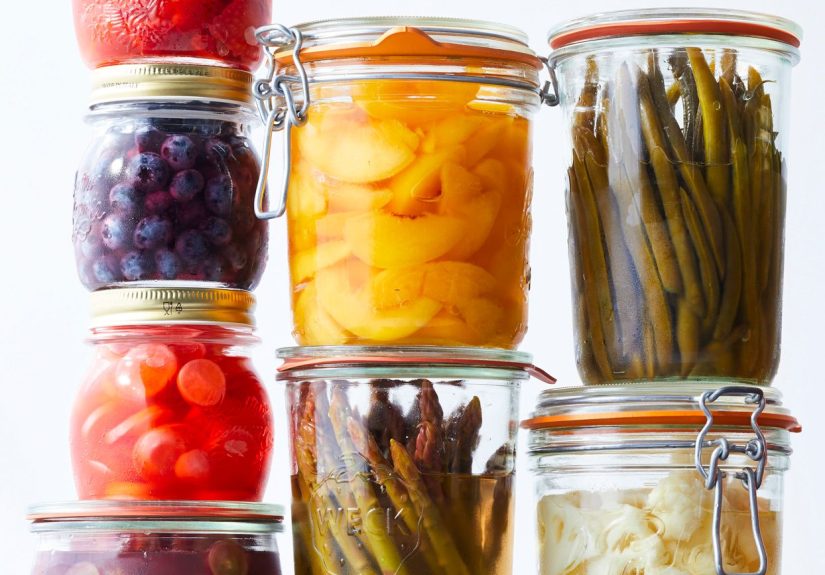
If your idea of pickling begins and ends with a dill spear on the side of a sandwich, it is time for a delicious little identity crisis. Pickling is one of the easiest ways to make vegetables brighter, fruit more interesting, and leftovers in the crisper drawer feel like a smart life choice instead of a guilt trip. A quick brine can turn onions into taco gold, carrots into crunchy snack sticks, jalapeños into nacho royalty, and plums into the kind of sweet-tart surprise that makes a cheese board look a lot more expensive than it really was.
The best part is that most of these ideas are refrigerator pickles, which means no intimidating canning marathon, no steam-filled kitchen drama, and no pretending you own a cellar. Just a jar, a tangy brine, and a little patience. In many cases, the flavors come together in a few hours or overnight. That makes these recipes perfect for busy home cooks, weekend meal preppers, farmers market regulars, and anyone who has ever looked at a heap of produce and thought, “I should really do something with that before it gets sad.”
Below, you will find 11 pickling recipes that prove cucumbers are only one player in a much bigger, much tangier cast. Expect crunchy, spicy, savory, sweet, and unexpectedly elegant options that work in sandwiches, grain bowls, salads, snack boards, and weeknight dinners. One quick note before we dive in: unless you are following a tested canning recipe, treat these as refrigerator pickles rather than shelf-stable pantry projects. Safety first, crunch second, bragging rights third.
Why Pickling More Than Cucumbers Is Worth It
Quick pickling works because acid, salt, and a little sweetness can transform the flavor and texture of all kinds of produce. Dense vegetables like carrots and beets become punchier. Watery vegetables like radishes and onions stay crisp but lose their harsh edge. Fruit takes on a salty-sweet complexity that feels surprisingly gourmet. Pickling also reduces waste, stretches seasonal produce, and gives you a built-in flavor booster for meals that need a little spark.
In other words, pickling is not just preservation. It is kitchen strategy. It is a fast track to making plain food less plain. It is also the culinary equivalent of giving your leftovers better lighting.
11 Pickling Recipes to Try
1. Quick Pickled Red Onions
If there is one non-cucumber pickle every cook should keep in the fridge, this is it. Pickled red onions are bright, rosy, and unapologetically useful. Their sharp bite mellows in the brine, leaving behind a tangy crunch that wakes up tacos, burgers, grain bowls, avocado toast, pulled chicken, and black bean salads. A classic version uses vinegar, salt, sugar, and warm spices like coriander or pepper.
They are also wildly low-effort. Slice, pour, chill, done. If your meals often taste “fine” but not exciting, pickled onions are the fix. They add color, acid, and a little swagger with almost no work. Frankly, they deserve a permanent shelf in the refrigerator and perhaps a small fan club.
2. Quick Pickled Carrots
Pickled carrots are what happens when a lunchbox staple gets a glow-up. They stay pleasantly crunchy, soak up brine beautifully, and bring a sweet-savory snap that works with sandwiches, rice bowls, noodle dishes, and roasted meats. Ribboned carrots are especially good because the thin shape helps the brine work faster and gives you a softer, more elegant texture.
You can go classic with garlic, peppercorns, and a neutral vinegar, or lean spicy with red pepper flakes and mustard seed. They are great as a snack straight from the jar, which is useful because that is exactly what many people end up doing. Consider doubling the batch if you live with other humans.
3. Đồ Chua-Inspired Pickled Daikon and Carrots
This Vietnamese-style combination of carrot and daikon is one of the smartest pickles you can make. It is crisp, lightly sweet, and balanced with a clean tang that pairs beautifully with grilled meats, rice bowls, lettuce wraps, and banh mi-style sandwiches. The daikon brings a fresh peppery note, while the carrot keeps things bright and familiar.
What makes this pickle special is its texture. The vegetables stay lively and juicy rather than heavy or soggy. It is the kind of condiment that quietly steals the show without being loud about it. If you like pickles that feel refreshing instead of aggressive, this one deserves a spot near the top of your list.
4. Quick Pickled Radishes
Radishes already have attitude, so pickling them just gives that attitude a better outfit. A quick brine softens some of the peppery heat while preserving their crunch and gorgeous color. Watermelon radishes are especially dramatic, but standard red radishes also turn into beautiful, punchy little coins that are perfect for tacos, sandwiches, potato salads, and grain bowls.
Cold-brined radish pickles are especially appealing because they hold onto their snap and vivid color. Add garlic for depth, dill for freshness, or a pinch of sugar if you want to round out the sharpness. These are the kind of pickles that make a plain lunch look like you planned it on purpose.
5. Pickled Beets
Pickled beets are proof that earthy vegetables can have a glamorous side. Their natural sweetness makes them ideal for pickling, especially with warming spices like clove, cinnamon, or allspice. The result is tender, jewel-toned slices or wedges that work in salads, sandwiches, grain bowls, and snack plates with goat cheese or walnuts.
They are also a great choice for people who usually think beets taste like a garden wearing boots. The vinegar brightens them, the sugar smooths them out, and the spices add depth. Once pickled, beets feel less like an obligation and more like something you might actually crave. That is a strong comeback story for a root vegetable.
6. Quick Pickled Jalapeños
If you love heat but want something more interesting than raw pepper slices, quick pickled jalapeños are the move. They keep their kick, but the brine adds balance, turning sharp heat into a more rounded, savory-spicy bite. Use them on nachos, sandwiches, tacos, burrito bowls, eggs, chili, baked potatoes, or anything else that needs a little chaos in a good way.
Many versions include garlic, oregano, onion, or carrot, which deepens the flavor and makes the jar even more useful. These are fantastic to meal prep because a little goes a long way. Just do not be surprised if they start appearing on everything you eat. Pickled jalapeños are known for crossing boundaries.
7. Dilly Pickled Green Beans
Green beans make terrific refrigerator pickles because they stay crisp and upright in the jar, which is both practical and weirdly satisfying. Often called dilly beans, they are usually flavored with garlic, dill, mustard seed, and a vinegary brine that gives them a refreshing snap. Think of them as the more sophisticated cousin of the pickle spear.
They are great on relish trays, chopped into potato salad, tucked next to sandwiches, or eaten plain while standing in front of the open fridge pretending you are “just checking something.” Their firm texture means they hold up well, and their slim shape makes them especially snackable. These are pickles with very good posture.
8. Refrigerator Pickled Okra
Okra skeptics, this is your moment. Pickling helps tame okra’s infamous sliminess and replaces it with a bright, snappy texture that is surprisingly addictive. A good brine often includes vinegar, salt, a little sugar, and aromatics like shallot, garlic, chile, or herbs. The pods stay whole, tender-crisp, and full of personality.
Pickled okra works beautifully on snack boards, beside fried chicken, in sandwiches, or chopped into salads. It also earns points for looking impressive in the jar. Smaller pods tend to work best because they stay more tender and are easier to pack tightly. If you have only known okra in soup or gumbo, this version may change your opinion permanently.
9. Garlicky Giardiniera
Giardiniera is the overachiever of the pickling world. Instead of one vegetable, you get a whole crowd: cauliflower, celery, carrots, peppers, garlic, and more, all soaking up a punchy brine. Italian-style versions lean bright and vinegary, while Chicago-style versions are often chopped smaller and sometimes dressed with oil. Either way, it is bold, crunchy, and endlessly useful.
This is the pickle for people who want maximum payoff from one jar. Spoon it onto sandwiches, chopped salads, grain bowls, roasted vegetables, or plain toast with cream cheese. The mix of textures keeps every bite interesting, and the garlic-forward flavor means it never fades politely into the background. Giardiniera is not here to be subtle.
10. Watermelon Rind Pickles
This recipe deserves applause for both flavor and thrift. Watermelon rind pickles turn a part of the fruit many people throw away into something sweet, tangy, and lightly spiced. The white rind softens just enough in the brine while keeping a pleasant bite, and spices like cinnamon and clove give it an old-fashioned charm that feels both nostalgic and clever.
They are excellent with smoky foods, savory sandwiches, cheese boards, or picnic spreads. More importantly, they make you feel like the kind of person who uses every part of the watermelon and definitely has life figured out. Even if you do not, the pickles still taste great, which is honestly what matters.
11. Spiced Pickled Plums
Pickled fruit is where things get especially fun, and plums are a standout. Their juicy flesh and tart skin make them perfect for a salty-sweet brine with warm spices like star anise, clove, or cinnamon. The result is sophisticated without being fussy: sweet, sour, savory, and just strange enough to feel memorable.
Serve pickled plums with roast chicken, pork, grain salads, sharp cheese, or even spoon them over greens with nuts and herbs. They bring the same “what is that and why is it so good?” energy as a fancy restaurant condiment, except you made it at home. That alone is worth a small victory lap around the kitchen.
How to Choose the Right Produce for Pickling
The best pickles start with fresh produce. Look for vegetables and fruit that are firm, not bruised, and ideally in season. Slightly underripe fruit often works especially well because it keeps its shape better in brine. Uniform cuts help everything pickle evenly, and non-iodized pickling or canning salt is usually the best choice for a clear brine and cleaner flavor.
For quick refrigerator pickles, vinegar, salt, water, and sometimes sugar form the backbone. From there, you can add herbs, spices, garlic, citrus, or chile for personality. Just remember that quick pickles are not automatically shelf-stable. If you want jars for pantry storage, use a tested canning recipe. If you are improvising, refrigerate and enjoy them while they are at their crisp, tangy best.
on the Experience of Going Beyond Cucumber Pickles
The first time you move beyond cucumber pickles, it feels a little like breaking a very polite kitchen rule. Cucumbers are the classic. They are the reliable headliners. They have the branding. So when you start stuffing jars with onions, radishes, jalapeños, plums, or watermelon rind, there is a tiny moment where you wonder whether you are being innovative or just unsupervised. Then you taste the results, and suddenly you understand why so many cooks get obsessed with pickling almost anything that sits still long enough.
What makes the experience so satisfying is the speed of the reward. Roasting, braising, baking, and fermenting all have their place, but pickling gives you dramatic results with relatively little effort. Slice something, warm a brine, pour it over, wait a bit, and the food transforms. The onion loses its harshness. The carrot tastes brighter. The radish becomes less shouty and more charismatic. The jalapeño stops feeling one-dimensional and starts tasting like a fully formed condiment. It is kitchen magic, but the approachable kind.
There is also a particular pleasure in opening the refrigerator and seeing jars that look colorful, useful, and vaguely virtuous. They make leftovers easier to love. Plain rice becomes a bowl. A turkey sandwich becomes lunch with ambition. A salad that felt a little too earnest suddenly has contrast, crunch, and acidity. Pickles are not always the main event, but they are often the reason the meal works. They bring balance to rich food, brightness to bland food, and excitement to food that might otherwise be described as “healthy,” which is not always the compliment people think it is.
Another underrated part of the experience is how pickling changes the way you shop and cook. You start seeing possibility in produce that is extra abundant, slightly awkward, or one day away from being ignored. Half a red onion? Pickle it. A bunch of radishes that looked cute at the market but now seem aggressive? Pickle them. Too many green beans, a lonely carrot, a handful of cauliflower florets, fruit that is firm but not thrilling? Into the jar they go. Pickling turns “I should use this up” into something that feels creative rather than dutiful.
And then there is the flavor payoff. Beyond-cucumber pickles are often more nuanced because each fruit or vegetable brings its own sweetness, water content, texture, and personality. Beets become earthy and sweet-tart. Okra becomes bright and snappy. Plums go from juicy and simple to layered and savory-sweet. Watermelon rind, which sounds like a dare, becomes weirdly delightful. That surprise is part of the fun. Good pickling teaches you that texture matters, acid matters, balance matters, and even humble produce can become memorable when given the right treatment.
In the end, going beyond cucumbers is not really about rejecting the classic pickle. It is about realizing the pickle jar is much bigger than you thought. Once you start, it becomes less of a recipe category and more of a habit: a sharp, crunchy, colorful habit that makes everyday food taste more alive. And honestly, that is the kind of habit most kitchens could use.
Conclusion
Cucumbers may be the poster child for pickling, but they are far from the whole story. Red onions, carrots, daikon, radishes, beets, jalapeños, green beans, okra, mixed vegetables, watermelon rind, and plums all bring something special to the jar. Some are spicy, some are sweet, some are savory, and some are gloriously hard to categorize. That is exactly the fun of it.
If you want to build better salads, brighter sandwiches, smarter snack boards, and more interesting weeknight dinners, start with one of these pickling recipes and keep a jar in the fridge. Once you get hooked, do not say I did not warn you. Your produce drawer will never know peace again.