Table of Contents >> Show >> Hide
- 1. Create a Conversation Zone With Lounge Seating
- 2. Add a Bistro Set for Small Spaces
- 3. Build a Bench Along the Edge
- 4. Add Built-In Banquette Seating
- 5. Bring in an Outdoor Dining Set
- 6. Use Stools, Poufs, and Ottomans as Flexible Extras
- 7. Hang a Swing Chair or Porch Swing
- 8. Build Seating Around a Fire Pit
- 9. Add Shade to Make Seating Actually Usable
- 10. Create More Than One Seating Zone
- 11. Choose Moveable and Foldable Seating for Flexibility
- How to Choose the Right Outdoor Seating for Your Space
- Experience-Based Tips: What People Often Learn After Adding Outdoor Seating
- Conclusion
If your backyard currently has the vibe of “beautiful yard, nowhere to sit,” you are not alone. Plenty of outdoor spaces look lovely in photos and then immediately betray you in real life by offering exactly one lonely chair and a side table holding a dusty citronella candle from three summers ago. The good news is that adding outdoor seating does not require a luxury renovation, a reality TV crew, or a suspiciously large budget hidden in a flowerpot. It mostly requires a smart plan, the right scale, and a willingness to think beyond the classic “four chairs around a table and we’re done here” approach.
The best patio seating ideas do two jobs at once: they make people comfortable, and they make the space feel intentional. Whether you have a narrow balcony, a modest patio, a sprawling deck, or a backyard that is currently just grass and ambition, you can add seating in ways that look polished and actually get used. Below are 11 practical, stylish ways to add outdoor seating so your porch, patio, deck, or garden feels more like an outdoor room and less like a place where folding chairs go to retire.
1. Create a Conversation Zone With Lounge Seating
If you do nothing else, do this: carve out one dedicated conversation area. A pair of outdoor club chairs, a loveseat, or a compact sofa with a coffee table instantly tells people, “Sit here, relax, stay a while.” It is the outdoor equivalent of putting out a welcome mat, except it is much more comfortable and less likely to get rained on by dramatic weather.
Why it works
A conversation zone gives your yard structure. Instead of random furniture floating in space like it got separated from the mothership, the seating reads as a destination. This works especially well on patios and decks where you want a living-room feel outdoors.
Best use case
Choose this setup if you entertain often, like evening drinks outside, or want a family hangout area that feels casual but pulled together. Add weather-resistant cushions and an outdoor rug to anchor the grouping and make it feel cozy rather than accidental.
2. Add a Bistro Set for Small Spaces
Not every outdoor area is big enough for a sectional the size of a minivan. If your space is petite, a bistro set is one of the smartest outdoor seating solutions you can buy. Two chairs and a small table can turn a tiny patio, balcony, side yard, or front porch into a usable retreat without making it feel crowded.
Why it works
Bistro seating is compact, versatile, and visually light. It gives you a place to sip coffee, answer emails you pretend are urgent, or eat lunch outdoors without swallowing your entire square footage.
Best use case
This is ideal for apartment patios, narrow porches, and small backyard corners. Look for slim silhouettes, foldable chairs, or stackable pieces if storage is tight. Small-space seating should earn its keep without hogging the spotlight.
3. Build a Bench Along the Edge
Benches are the overachievers of backyard seating. They do not take up much visual space, they can seat more people than individual chairs, and they tuck neatly against walls, railings, fences, or the edge of a patio. A bench is also one of the easiest ways to make an outdoor space feel custom, even if the rest of the yard is still very much in its “work in progress” era.
Why it works
Perimeter seating frees up the center of the space. That means better circulation, more room for a table or fire pit, and fewer awkward moments of people trying to squeeze between furniture like they are navigating an obstacle course.
Best use case
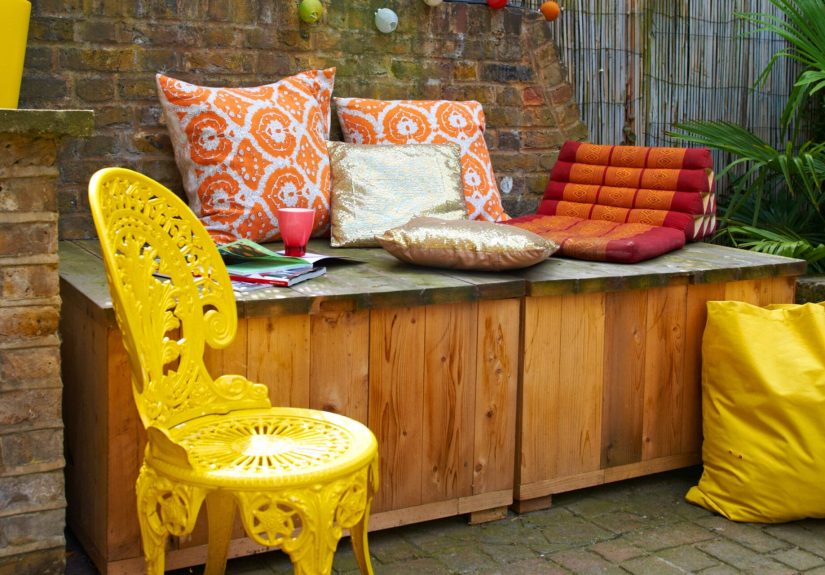
Use a bench on a deck, near a garden path, by the front porch, or against a retaining wall. If you want bonus points, choose a storage bench so you can stash cushions, throws, and the outdoor toys that multiply overnight.
4. Add Built-In Banquette Seating
If you want outdoor seating that looks expensive, built-in banquettes are your friend. A built-in bench around a dining table or along one side of a patio feels tailored, space-efficient, and ridiculously good at squeezing in “just one more person.” It is the backyard version of the best booth in a restaurant.
Why it works
Banquettes maximize seating capacity without creating clutter. They are especially useful in narrow patios or covered porches where several individual chairs would feel busy. They also make the space look intentional, like you actually had a plan all along.
Best use case
Install a banquette in a corner, under a covered patio, or beside an outdoor dining table. Add performance fabric cushions for comfort and easy cleanup. Because yes, someone will spill salsa eventually.
5. Bring in an Outdoor Dining Set
Sometimes the best way to add seating is to make it multitask. An outdoor dining table with four to eight chairs gives you everyday seating and entertaining space in one move. It works for weeknight dinners, weekend brunch, homework sessions, birthday cake, and the occasional dramatic family debate about whose turn it is to clean the grill.
Why it works
Dining seating is practical. People naturally gather around tables, and chairs with a real surface nearby are far more likely to be used than decorative seating that looks pretty but feels like a punishment.
Best use case
Choose this if your household likes to eat outdoors or host friends. If the patio is small, go for a round table to improve flow. If the yard is large, use the dining set as one zone and add lounge seating elsewhere for a layered layout.
6. Use Stools, Poufs, and Ottomans as Flexible Extras
Outdoor stools and ottomans are the secret agents of patio seating. They are compact, movable, and always ready to help. Need a seat? Done. Need a footrest? Also done. Need a place to set a tray of lemonade because the side table is occupied by a plant with delusions of grandeur? Still useful.
Why it works
Flexible pieces add seating without committing you to a bulky layout. They are perfect for entertaining because you can pull them into the conversation area when guests arrive and tuck them away when they leave.
Best use case
Use a pair of garden stools beside lounge chairs, or keep a few weather-resistant poufs near the patio edge. Choose durable fabrics or ceramic, concrete, or powder-coated metal finishes that can handle outdoor conditions.
7. Hang a Swing Chair or Porch Swing
If standard patio chairs feel a little too expected, add one seat with personality. A hanging chair, egg chair, or porch swing creates a focal point and instantly makes the space feel more playful. It says, “Yes, we have seating, but we also have style.”
Why it works
A swing chair adds comfort and visual interest at the same time. It is ideal when you want one statement seat rather than another matching chair that blends into the background like beige khakis at a school fundraiser.
Best use case
Hang one on a covered porch, place a freestanding version on a patio, or install a porch swing where structure allows. Pair it with a small side table and a throw pillow so it feels like a destination, not an afterthought.
8. Build Seating Around a Fire Pit
Nothing attracts people outdoors faster than a fire pit. Well, maybe free pizza. But a fire pit comes close. If you have the room, arranging seating around a fire feature creates a natural gathering spot for cool evenings, casual entertaining, and the type of conversation that somehow always ends with someone saying, “We should do this more often.”
Why it works
A fire pit gives the seating arrangement a focal point. That makes the layout feel grounded and social. Adirondack chairs, deep lounge chairs, curved benches, or even built-in seating can all work beautifully here.
Best use case
This is a strong choice for medium to large backyards. Leave enough room for circulation and choose chairs that are comfortable for longer sitting sessions. The goal is cozy, not “I can feel every slat of this chair in my soul.”
9. Add Shade to Make Seating Actually Usable
Technically, shade is not seating. But in real life, shaded seating is the difference between “Let’s stay outside” and “I am melting and would like to file a complaint.” If you want your outdoor furniture to earn its keep, pair it with an umbrella, pergola, shade sail, canopy, or covered porch roof.
Why it works
Comfort determines whether seating gets used. Shade extends the hours of the day when the patio feels pleasant, protects cushions and fabrics, and makes the setup more inviting for meals, reading, and long conversations.
Best use case
Use umbrellas for smaller, flexible arrangements and pergolas or covered structures for larger seating zones. Even a simple market umbrella can transform a too-hot patio into a usable outdoor room.
10. Create More Than One Seating Zone
If you have a larger yard, avoid pushing all the furniture into one giant pile. Multiple seating zones make the space feel more sophisticated and more functional. A dining area near the house, a lounge area under a pergola, and a small bench in the garden can make the yard feel layered and intentional.
Why it works
Different seating zones support different activities. One area can be for meals, another for relaxing, and another for reading, coffee, or simply staring at the garden like you are in a dramatic home improvement commercial.
Best use case
This layout works best in medium to large outdoor spaces. Use rugs, planters, lighting, or changes in material to visually separate each zone without making the yard feel chopped into confusing little islands.
11. Choose Moveable and Foldable Seating for Flexibility
Outdoor seating does not always need to be permanent. In fact, some of the smartest setups are the ones that can adapt. Folding chairs, stackable seating, lightweight sling chairs, and portable benches are ideal when your space has to work hard or your guest count changes often.
Why it works
Flexible seating lets you keep the patio uncluttered on regular days while still being prepared for gatherings. It is also a lifesaver in smaller yards where every square foot matters.
Best use case
Keep foldable chairs in a storage bench or garage and bring them out when needed. This approach is great for renters, small patios, and homes where outdoor space needs to switch between lounging, dining, play, and practical everyday use.
How to Choose the Right Outdoor Seating for Your Space
Before you buy anything, measure your space. Then measure it again, because confidence is not a substitute for a tape measure. The biggest mistake homeowners make with backyard seating is choosing furniture that is out of scale. Oversized pieces can swallow a small patio, while tiny chairs on a large deck can look like they wandered in from a dollhouse convention.
Next, think about how you actually live. Do you host dinners, lounge with a book, supervise kids, sunbathe, or sip coffee outside before the house wakes up? Your best outdoor seating ideas should support real habits, not fantasy versions of yourself who supposedly host candlelit garden parties every weekend.
Material matters too. Teak, powder-coated aluminum, resin wicker, and durable performance fabrics tend to be popular for a reason: they balance style with weather resistance. Cushions should be easy to clean, and furniture should suit your climate, maintenance tolerance, and storage options. Because nothing kills patio enthusiasm faster than dragging soggy cushions indoors every time a cloud looks suspicious.
Experience-Based Tips: What People Often Learn After Adding Outdoor Seating
Once people start improving their backyard seating, they usually discover the project is less about buying furniture and more about changing how the space feels. A patio with no seating is a pass-through. A patio with comfortable seating becomes a destination. That shift sounds simple, but it changes daily routines in surprisingly big ways.
One common experience is realizing that the “perfect” furniture in the showroom is not always the best fit at home. Deep, oversized chairs can look luxurious, but in a compact patio they can make movement awkward. Homeowners often end up loving pieces that are slightly smaller, easier to move, and more versatile. In other words, the furniture that wins in real life is often the furniture that behaves itself.
Another lesson is that people use outdoor seating more when it feels protected. Add an umbrella, pergola, privacy screen, or even a few tall planters, and suddenly the same chairs feel more inviting. A little shade and definition can make an open patio feel like an actual room. Without that, even good furniture can feel exposed, temporary, or oddly lonely.
Many people also discover that mixed seating works better than a one-note setup. For example, a dining table may cover meals, but adding two lounge chairs nearby creates a softer, more relaxed option for coffee or conversation. A bench by the garden gives someone a quiet perch away from the main group. A few stools or poufs provide backup seating without forcing the patio into a crowded layout every day. The most successful outdoor spaces often feel collected rather than rigidly matched.
There is also the issue of traffic flow, which sounds boring until you trip over a coffee table carrying burgers. In practice, people quickly learn that outdoor seating must leave room to walk comfortably. Chairs should pull out without blocking a path. Benches should not trap guests in corners. Dining areas should be close enough to the house to feel convenient. Good layouts make everyday movement easy, and that convenience is a huge part of why seating gets used consistently.
Comfort matters more than style alone, too. Homeowners who spend the most time outside usually add cushions, side tables, lighting, and a few soft accessories. A chair is fine. A chair with a cushion, a drink spot, and a lantern nearby feels like an invitation. These small upgrades are often what turn “nice patio furniture” into a favorite place to unwind after work.
Finally, people often find that outdoor seating encourages them to use the rest of the yard differently. Once there is a comfortable place to sit, gardens get more attention, string lights go up, meals move outside, and the backyard starts functioning like an extension of the home. That is really the goal. Adding outdoor seating is not just about filling empty space. It is about giving your outdoor area a purpose, a rhythm, and a reason to be enjoyed more often.
So if your patio, porch, or deck has been sitting there waiting for its moment, this is it. Start with one smart seating move, build around how you actually live, and remember: the best backyard seating is not the fanciest option. It is the setup that makes people want to sit down, stay longer, and maybe even volunteer to host the next barbecue. Miracles happen.
Conclusion
The best ways to add outdoor seating are the ones that match your space, your habits, and your comfort level. A compact bistro set can transform a tiny balcony. A built-in bench can make a patio feel custom. Flexible stools, shaded lounge seating, and multiple zones can turn a basic backyard into a place that works for everyday life and entertaining alike. Start with function, layer in comfort, and let style follow. Your outdoor space does not need to be enormous to feel inviting. It just needs somewhere good to sit.