Table of Contents >> Show >> Hide
- What Makes a Great Nectar Plant?
- 13 Colorful Nectar Plants for Pollinators
- 1. Bee Balm (Monarda)
- 2. Butterfly Weed (Asclepias tuberosa)
- 3. Swamp Milkweed (Asclepias incarnata)
- 4. Purple Coneflower (Echinacea purpurea)
- 5. Blazing Star (Liatris spicata)
- 6. Anise Hyssop (Agastache foeniculum)
- 7. Garden Phlox (Phlox paniculata)
- 8. Cardinal Flower (Lobelia cardinalis)
- 9. Joe-Pye Weed (Eutrochium)
- 10. Sunflower (Helianthus annuus and relatives)
- 11. Zinnia (Single-Flowered Types)
- 12. New England Aster (Symphyotrichum novae-angliae)
- 13. Goldenrod (Solidago)
- How to Make These Nectar Plants Work Even Better
- Real-World Gardening Experiences With Nectar Plants for Pollinators
- Conclusion
- SEO Tags
If your garden feels a little too quiet, the fix may be less mysterious than you think: add better flowers. Not just pretty flowers, either. I mean nectar plants for pollinatorsthe kind that turn a sleepy yard into a buzzing, fluttering, humming little neighborhood. The kind that make bees work overtime, butterflies float in like confetti, and hummingbirds zip through as if they own the place. Honestly, after a few good nectar-rich blooms open up, they kind of do.
The best pollinator gardens are not random explosions of color, though that look certainly has its fans. They are thoughtful mixes of flowers that bloom across the growing season, offer easy access to nectar and pollen, and suit the sun, soil, and moisture conditions you already have. That means you do not need a massive meadow or a botanical-garden budget. A sunny bed, a side border, a few containers, or even a patch you finally decided to stop mowing like it insulted your family can do the trick.
Below are 13 colorful nectar plants for pollinators that bring beauty and ecological value to the garden. Some are native workhorses. Some are easy annuals. All of them can help create a more lively, useful landscape when planted with a little intention and a lot less obsession over perfection.
What Makes a Great Nectar Plant?
A great nectar plant does more than look fabulous in a garden center pot. It offers accessible blooms, good nectar production, and a flowering window that helps bridge the feast-or-famine cycle many pollinators face. Bonus points if it is adapted to your region and can thrive without constant pampering. Pollinators also respond well to mass plantings, repeated bloom, and a mix of flower shapes. Bees love easy landing pads and open blooms. Butterflies appreciate nectar-rich clusters. Hummingbirds are suckers for tubular flowers in bold shades, especially warm reds, pinks, and oranges. Basically, everybody has preferences, just like at brunch.
13 Colorful Nectar Plants for Pollinators
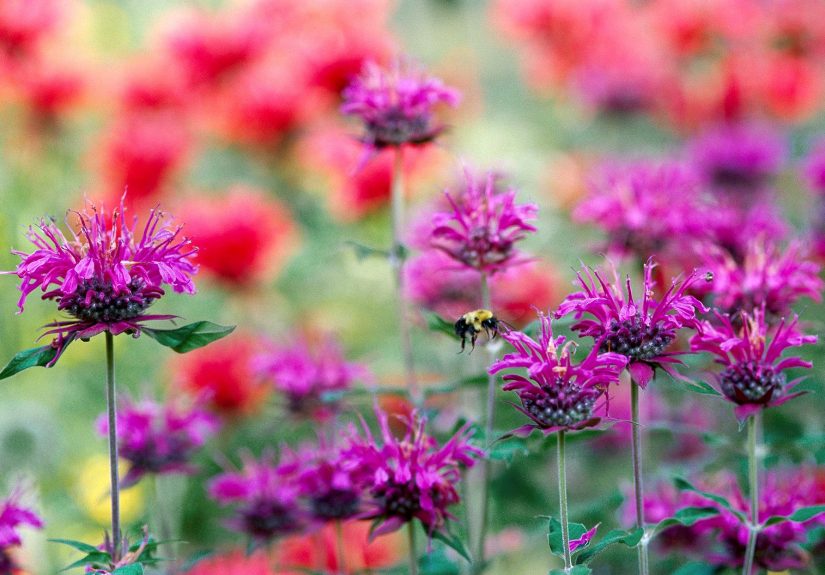
1. Bee Balm (Monarda)
Bee balm is the extrovert of the summer border. Its shaggy, firework-like blooms come in shades of red, pink, purple, and lavender, and they practically advertise themselves to bees, butterflies, and hummingbirds. If your garden needs energy, this plant arrives with jazz hands.
It performs best in sun to light shade with reasonably good air circulation. Native forms such as wild bergamot are especially valuable in pollinator gardens, and the fragrant foliage is a nice bonus for humans who enjoy brushing past plants on purpose. Use it in drifts or clusters where it can form a cheerful midsummer patch of chaos.
2. Butterfly Weed (Asclepias tuberosa)
If orange is your love language, butterfly weed is ready to commit. This bright, sun-loving milkweed produces glowing clusters in orange to yellow-orange shades and is famous for drawing butterflies. It is especially useful because it is not just a nectar source; it also belongs to the milkweed family that supports monarchs.
Butterfly weed prefers full sun and well-drained soil, even on the leaner, drier side. Once established, it tends to be tougher than it looks. Put it where you want a long-lasting pop of hot color and where you do not plan to disturb it often. It is not a diva, but it does like to settle in and stay put.
3. Swamp Milkweed (Asclepias incarnata)
For gardeners with moist soil, a rain garden, or that one spot that never gets the memo to dry out, swamp milkweed is a gem. Its pink to mauve flower clusters bring a softer color palette than butterfly weed, but pollinators still show up like the invitation said “open bar.”
Swamp milkweed shines in sunny spots with consistent moisture. It offers nectar for a range of pollinators and helps round out a garden that supports butterflies more completely. If you want a pollinator-friendly planting that also looks graceful and a little wild in the best way, this one deserves a spot.
4. Purple Coneflower (Echinacea purpurea)
Purple coneflower is what happens when reliability becomes attractive. With daisy-like purple-pink petals and raised centers loaded with pollinator interest, it earns its keep year after year. Bees, butterflies, and other beneficial insects visit the flowers, and the seedheads keep feeding birds later on.
It is easy to tuck into mixed borders, prairie-style beds, and cottage gardens. Give it sun and decent drainage, and it will usually meet you more than halfway. One important tip: for pollinator value, choose single forms instead of heavily doubled cultivars. The ruffled pom-pom types may look fancy, but pollinators often find them about as useful as a locked snack cabinet.
5. Blazing Star (Liatris spicata)
Blazing star brings a different silhouette to the party. Instead of broad clusters or daisy faces, it sends up upright purple spikes that add vertical punch and make a planting look suddenly intentional. Butterflies adore it, hummingbirds often check it out, and bees work it steadily through summer.
This is a great plant for adding structure to sunny beds. It pairs beautifully with coneflowers, grasses, and black-eyed Susans, especially if you want that naturalistic meadow look without actually committing to a meadow. The flowers also make lovely cut stems, which means your bouquet can be productive and dramatic.
6. Anise Hyssop (Agastache foeniculum)
Anise hyssop is the kind of plant that keeps going when some others start phoning it in. Its lavender-blue flower spikes bloom over a long period, and the fragrant foliage smells lightly sweet and herbal. Pollinators love the nectar, and the cool-toned flowers calm down hotter color schemes beautifully.
It works well in sunny gardens with decent drainage and blends nicely with prairie plants, herbs, and border perennials. If you want a plant that looks airy but pulls serious pollinator traffic, this one is a smart choice. It has an easygoing look, but under the hood it is a workhorse.
7. Garden Phlox (Phlox paniculata)
Garden phlox brings fragrance, tall summer color, and that classic “wow, the border is really doing something now” effect. Its flower heads come in white, pink, rose, lavender, and deeper magenta shades, and the nectar-rich tubular blooms appeal to butterflies and hummingbirds.
Use garden phlox where you can enjoy its scent and where mildew-resistant selections have enough air movement to stay healthy. It gives you that romantic cottage-garden vibe without demanding an English estate and a full-time groundskeeper. Some varieties also bloom for a generous stretch, which helps keep pollinator activity steady in midsummer.
8. Cardinal Flower (Lobelia cardinalis)
Few flowers are as arresting as cardinal flower in bloom. The saturated red spikes look almost theatrical, and hummingbirds are especially drawn to the long tubular blossoms. If you want a plant that makes your garden feel alive in fast-forward, this is an excellent candidate.
Cardinal flower likes moisture more than drought and appreciates a spot that does not bake relentlessly. It can be wonderful near ponds, rain gardens, or evenly moist beds. Use it as a vertical accent among softer foliage and watch it act like the headliner it clearly believes itself to be.
9. Joe-Pye Weed (Eutrochium)
Joe-Pye weed is one of the best late-summer nectar plants for pollinators if you have room for a taller perennial. Its mauve-pink flower domes attract bees, butterflies, skippers, and all sorts of nectar-seeking visitors. In bloom, it can feel like a pollinator convention with no parking control.
It prefers sun to light shade and often performs best with average to moist soil. Compact cultivars exist if you love the look but not the idea of a plant reaching eye level and beginning negotiations with your windows. Still, in the right space, the full-sized forms are glorious.
10. Sunflower (Helianthus annuus and relatives)
Sunflowers are cheerful, easy, and wildly generous. Their open faces are excellent landing zones for bees, and many types provide nectar and pollen during the growing season, then seed for birds later. That is what I call multitasking without the burnout seminar.
You can grow dwarf forms in tighter spaces or go big with branching and towering varieties for maximum impact. Yellow is the classic choice, but red and bicolor selections can add extra drama. Sunflowers also help pollinator gardens feel accessible to beginners because they are so easy to grow from seed and so quick to reward effort.
11. Zinnia (Single-Flowered Types)
Zinnias are the overachievers of annual color. They bloom hard, bloom long, and come in nearly every bright shade a seed packet can legally print. Butterflies are especially fond of them, and they are a simple way to plug gaps between perennials or brighten up vegetable beds.
For pollinators, single forms are the better choice because the centers remain open and useful. Double flowers may be lovely, but they often trade function for fluff. Zinnias also make excellent cut flowers, so you can support pollinators and still bring a bouquet inside without feeling like a floral criminal.
12. New England Aster (Symphyotrichum novae-angliae)
When summer starts looking tired and the garden enters that awkward late-season slump, New England aster steps in like a backup singer who steals the whole show. Its purple, violet, pink, or rosy flowers are rich late-season resources for bees and butterflies, including migrating monarchs.
This is one of the smartest plants to include if you want a pollinator garden that remains useful into fall. Pair it with goldenrod for a late-season combo that looks electric in the landscape. It may need a little space and occasional pinching to stay fuller, but the payoff is absolutely worth it.
13. Goldenrod (Solidago)
Goldenrod deserves a public apology from gardeners everywhere. It gets blamed for seasonal allergies when ragweed is usually the true culprit, yet goldenrod is one of the most valuable late-blooming nectar plants in the garden. Its golden plumes or sprays feed bees, butterflies, and other pollinators just when many other flowers are winding down.
There are clump-forming and more restrained kinds if you are worried about spread, so this is not a one-style-fits-all plant. Use it where you want late color, ecological value, and a bit of glow as the season changes. Combined with asters, it creates one of the most useful and beautiful fall pairings a pollinator garden can have.
How to Make These Nectar Plants Work Even Better
Want better pollinator results without buying half the nursery? Use these plants strategically. First, plant in groups instead of lonely singles. A block of one flower color is easier for pollinators to find and forage. Second, aim for bloom succession: some plants for late spring, plenty for summer, and strong finishers for late summer and fall. Third, mix flower shapes. Flat blooms, clusters, spikes, and tubes invite different pollinators to dine.
Also, resist the urge to over-tidy everything. Hollow stems, leaf litter, and a few less-than-pristine corners can support nesting and shelter. And be cautious with pesticides, especially around blooming plants. A garden can be beautiful and a little bit imperfect at the same time. In fact, that is often where the magic starts.
Real-World Gardening Experiences With Nectar Plants for Pollinators
One of the most surprising things about growing nectar plants for pollinators is how quickly a garden begins to feel different. Not just prettier, but busier, more animated, more like a place than a display. Gardeners often start with one practical goalmaybe attracting butterflies, helping bees, or making the yard feel less sterileand then realize they have accidentally created a daily show. A patch of coneflowers that looked nice on paper suddenly becomes a humming, blinking, fluttering social hub.
People also notice that color changes the mood of the garden in a very immediate way. The oranges of butterfly weed feel hot and sunny even on an ordinary afternoon. Purple spikes of liatris make a bed feel taller and more layered. Red cardinal flower looks almost too bright to be real at dusk. Then the visitors arrive and the colors start to feel functional, not just decorative. It is one thing to admire a flower. It is another to watch a bumble bee practically disappear into it like someone diving into a beanbag chair.
Another common experience is learning patience. Pollinator gardening is not always instant, especially if you are using perennials or native plants that need a little time to settle in. The first year can look modest. The second year starts making promises. By the third, suddenly your Joe-Pye weed is hosting butterflies like it sent engraved invitations. This can be deeply satisfying for gardeners who are used to quick, flashy annual results and want something that feels richer over time.
There is also a gentle mindset shift that happens. Gardeners who once deadheaded every spent bloom, cleared every stem in fall, and treated every chewed leaf like a moral failure often become more relaxed. A few nibbled leaves stop feeling like damage and start feeling like evidence that the garden is doing its job. You begin to notice who is visiting when. Early bees on sunny mornings. Swallowtails drifting through zinnias in the afternoon. Hummingbirds making furious little inspections at cardinal flower before vanishing like gossip.
Perhaps the best experience, though, is how these plantings change your relationship with ordinary time. A quick trip outside becomes ten minutes. Watering becomes birdwatching with extra steps. Coffee on the porch becomes a full pollinator census. Even people who claim they are “not really gardeners” tend to get hooked once the yard starts moving. And that is the quiet genius of nectar plants for pollinators: they do not just support wildlife. They make us pay attention, slow down, and enjoy the absurd good fortune of sharing a space with living things that clearly have very important flower-related business to attend to.
Conclusion
If you want a garden that works harder and looks brighter, nectar plants for pollinators are one of the best investments you can make. A thoughtful mix of bee balm, milkweeds, coneflowers, blazing star, asters, goldenrods, and a few easy annuals can support bees, butterflies, hummingbirds, and other helpful visitors from spring into fall. The result is not just a more colorful yard. It is a more alive one.
The best part is that you do not need perfection. You need good plants, the right place, and a willingness to let nature be a little lively. Plant boldly, plant in groups, keep something blooming, and let the pollinators handle the rave reviews.