Table of Contents >> Show >> Hide
- What Is Strength Training?
- 14 Science-Backed Benefits of Strength Training
- 1. Builds Stronger Muscles
- 2. Supports Healthy Bones
- 3. Improves Joint Support and Stability
- 4. Helps Manage Blood Sugar
- 5. Supports Heart Health
- 6. Boosts Metabolism
- 7. Improves Functional Fitness
- 8. Helps Protect Against Age-Related Muscle Loss
- 9. May Reduce Injury Risk
- 10. Supports Better Balance
- 11. Improves Mood and Mental Well-Being
- 12. Supports Brain Health
- 13. Improves Sleep Quality
- 14. May Support Longevity
- How Often Should You Do Strength Training?
- Beginner-Friendly Strength Training Tips
- Common Myths About Strength Training
- Real-Life Experiences With Strength Training
- Conclusion
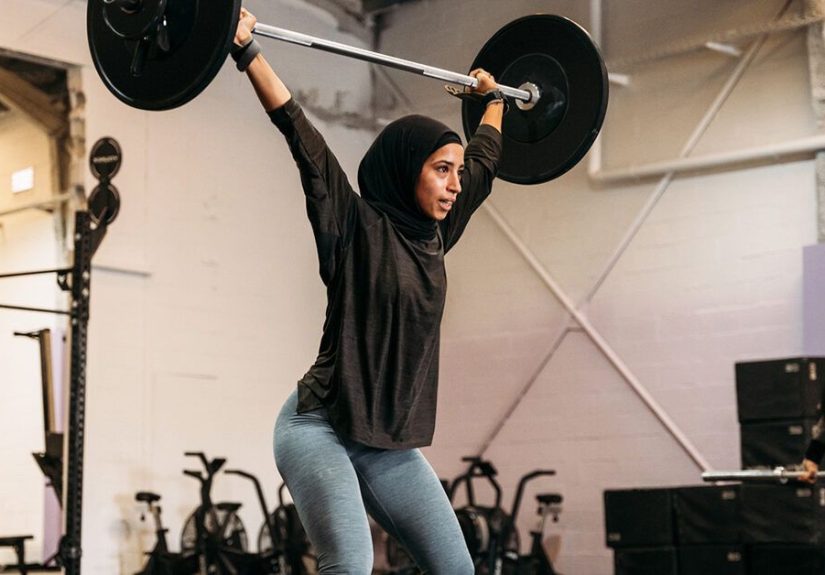
Strength training has a funny public image problem. For years, people imagined it as a mysterious world of chalk clouds, clanking plates, and someone named “Brick” yelling at a barbell. In reality, strength training is much more normaland much more usefulthan that. It includes lifting dumbbells, using resistance bands, doing squats, practicing push-ups, working with machines, carrying groceries, climbing stairs, or using your own body weight to challenge your muscles.
The science is clear: resistance training is not only for athletes, bodybuilders, or people who own suspiciously large tubs of protein powder. It is one of the most effective forms of exercise for building muscle, protecting bones, supporting heart health, improving blood sugar control, boosting mental well-being, and helping people stay independent as they age. The CDC recommends muscle-strengthening activities at least two days per week for adults, and major health organizations consistently include resistance exercise as part of a balanced fitness routine.
Below are 14 benefits of strength training, backed by science, explained in plain English with practical examples. No gym intimidation required. Your muscles do not care whether you train in a luxury fitness center or next to a laundry basket.
What Is Strength Training?
Strength training, also called resistance training or weight training, is any exercise that makes your muscles work against resistance. That resistance can come from dumbbells, barbells, kettlebells, machines, resistance bands, water, household objects, or your own body weight.
Common examples include squats, lunges, deadlifts, push-ups, rows, planks, step-ups, overhead presses, glute bridges, and band pull-aparts. The goal is not simply to “look strong.” The real goal is to teach your body to produce force safely and efficiently so daily life feels easier, joints feel more supported, and your long-term health gets a serious upgrade.
14 Science-Backed Benefits of Strength Training
1. Builds Stronger Muscles
The most obvious benefit of strength training is also one of the most important: it builds and maintains muscle strength. When you challenge your muscles with resistance, your body adapts by repairing and strengthening muscle fibers. Over time, movements that once felt difficult become easier.
This matters far beyond the gym. Stronger legs help you climb stairs. A stronger back helps you carry a backpack or groceries. Stronger arms make it easier to lift boxes, move furniture, or rescue a suitcase from the overhead bin without turning it into a public theater performance.
2. Supports Healthy Bones
Strength training does not only train muscles; it also stimulates bones. When muscles pull on bones during resistance exercises, the body receives a signal to maintain or build bone density. This is especially important because bone mass naturally declines with age, increasing the risk of osteoporosis and fractures.
Exercises such as squats, lunges, step-ups, presses, and rows can help load the skeleton in a safe, controlled way. For older adults, resistance training combined with balance work may be especially valuable because it supports both bone strength and fall prevention.
3. Improves Joint Support and Stability
Muscles act like shock absorbers and support systems for your joints. When the muscles around the knees, hips, shoulders, and spine are stronger, those joints often move with better control. That can reduce stress from everyday movements and may help lower injury risk.
For example, stronger glutes and hamstrings can support the knees during walking, stairs, and sports. Stronger upper-back muscles can improve shoulder positioning. A stronger core can help stabilize the spine. In other words, strength training is like giving your joints a more reliable staff instead of making them run the whole company alone.
4. Helps Manage Blood Sugar
Muscle is highly active tissue. During and after strength training, muscles use glucose for energy and become more responsive to insulin. This is one reason resistance training is often recommended as part of a healthy lifestyle for blood sugar management.
For people at risk of type 2 diabetes or those already managing blood sugar, resistance exercise can be a useful tool alongside nutrition, medication when prescribed, sleep, and medical guidance. Even simple full-body workouts two to three times per week can help the body use energy more efficiently.
5. Supports Heart Health
Cardio gets most of the fame for heart health, and it deserves a lot of applause. But strength training belongs on the same stage. Resistance exercise can help improve several risk factors connected with cardiovascular health, including blood pressure, body composition, insulin sensitivity, and cholesterol patterns.
Major organizations such as the American Heart Association and Johns Hopkins Medicine support combining aerobic exercise with resistance training for a well-rounded heart-healthy routine. Think of cardio and strength training as a buddy-cop movie: one improves endurance, the other builds the structure that keeps you moving well.
6. Boosts Metabolism
Strength training helps preserve and build lean muscle, and muscle tissue uses energy even when you are at rest. That does not mean lifting weights turns you into a calorie-burning dragon while sitting on the couch, but it does mean muscle plays an important role in metabolic health.
Resistance training can also create a temporary increase in energy use after workouts as the body repairs tissue and restores normal function. Over time, a stronger body often handles daily movement more efficiently, making it easier to stay active without feeling wiped out by ordinary tasks.
7. Improves Functional Fitness
Functional fitness means having the strength, balance, coordination, and mobility to do real-life activities comfortably. Strength training is excellent for this because many exercises mirror everyday movement patterns.
A squat resembles sitting down and standing up. A deadlift pattern resembles picking something up from the floor. A row resembles pulling open a heavy door. A farmer’s carry resembles carrying bags from the car while refusing to make a second trip because apparently we all enjoy testing destiny.
By training these patterns, you make ordinary life easier and safer.
8. Helps Protect Against Age-Related Muscle Loss
Adults naturally lose muscle mass and strength with age, a process often called sarcopenia. The good news is that strength training is one of the best tools for slowing that decline. Older adults can gain strength, improve function, and maintain independence through properly designed resistance exercise.
This benefit is not reserved for lifelong athletes. People can begin strength training later in life and still see meaningful improvements. The key is starting with safe, manageable exercises and progressing gradually.
9. May Reduce Injury Risk
A stronger body is often a more resilient body. Strength training can improve tendon strength, ligament support, muscular coordination, balance, and movement control. These adaptations may reduce the likelihood of certain injuries, especially when training is done with good technique and appropriate recovery.
For runners, strength training can support hips, knees, calves, and feet. For office workers, it can strengthen the upper back and core. For recreational athletes, it can improve control during quick changes of direction. For everyone else, it can make “I bent down wrong” a less frequent villain in the story.
10. Supports Better Balance
Balance is not just standing on one foot while pretending the floor is lava. It depends on strength, coordination, vision, inner-ear function, reaction time, and body awareness. Strength training, especially for the legs, hips, and core, can improve the physical foundation needed for balance.
Exercises such as split squats, step-ups, calf raises, carries, and controlled single-leg movements can help train stability. For older adults, combining strength work with balance exercises may help reduce fall risk and maintain confidence in daily movement.
11. Improves Mood and Mental Well-Being
Strength training can help support mental health. Research has linked resistance exercise with reductions in depressive symptoms and anxiety for many people. Exercise can influence mood through several pathways, including endorphins, improved sleep, better self-efficacy, reduced inflammation, and the simple satisfaction of doing something difficult and surviving it with dignity.
There is also a confidence effect. When you notice that you can lift more, move better, or complete a workout that once felt impossible, your brain gets a useful message: “I can adapt.” That message can carry into school, work, relationships, and daily stress.
12. Supports Brain Health
Resistance training is increasingly studied for its relationship with cognitive health, especially in older adults. Research reviews suggest that strength training may support memory, executive function, and overall cognition. Scientists are still studying the exact mechanisms, but possible explanations include improved blood flow, better metabolic health, reduced inflammation, and changes in growth factors that support brain function.
You do not need to solve calculus while doing lunges. Thankfully. But the act of learning movements, coordinating muscles, tracking progress, and challenging the body may give the brain valuable stimulation.
13. Improves Sleep Quality
Regular physical activity is linked with better sleep, and resistance training may be especially helpful for some people. Strength workouts can reduce stress, improve mood, support healthy fatigue, and help regulate the body’s daily rhythms.
Timing matters for some individuals. A hard workout right before bed may feel too energizing, while others sleep beautifully afterward. The best approach is to experiment with morning, afternoon, or early evening sessions and notice what helps you sleep more consistently.
14. May Support Longevity
Strength training is associated with a lower risk of premature death in large observational studies and systematic reviews. This does not mean dumbbells are magic immortality sticks. It means muscle-strengthening activity appears to be connected with better long-term health, especially when combined with regular aerobic activity.
The likely reason is that strength training touches many systems at once: muscles, bones, metabolism, blood sugar, cardiovascular health, balance, independence, and mental well-being. When those systems work better together, overall health tends to improve.
How Often Should You Do Strength Training?
For general health, many expert guidelines recommend strength training at least two days per week, targeting all major muscle groups: legs, hips, back, abdomen, chest, shoulders, and arms. Beginners can start with short, simple sessions and gradually build up.
A basic weekly routine might include two or three full-body workouts. Each workout could include a squat or lunge, a hip-hinge movement, a push, a pull, a core exercise, and a carry or balance movement. That may sound fancy, but it can be as simple as bodyweight squats, glute bridges, wall push-ups, resistance-band rows, planks, and carrying two bags evenly.
Progress does not require pain, punishment, or dramatic gym selfies. It requires consistency, good form, enough challenge, and enough recovery. Your muscles improve when training gives them a reason to adapt and rest gives them time to do it.
Beginner-Friendly Strength Training Tips
Start Lighter Than Your Ego Wants
The first few weeks are about learning technique. Choose resistance that feels challenging but controlled. If your form collapses like a folding chair at a barbecue, the weight is too heavy.
Train the Whole Body
A balanced routine should include upper body, lower body, and core exercises. Avoid training only the muscles you can see in the mirror. The back of your body is not decorative; it is important equipment.
Use Progressive Overload
Progressive overload means gradually making training more challenging. You can add weight, add reps, add sets, slow down the movement, improve range of motion, or reduce rest slightly. Small changes over time create big results.
Rest and Recovery Matter
Muscles need time to repair. Most people benefit from at least one rest day between hard sessions for the same muscle groups. Sleep, hydration, and balanced meals also help recovery.
Ask for Help When Needed
If you have a chronic condition, pain, past injury, or have not exercised in a long time, it is smart to check with a healthcare professional or certified trainer. Safe technique beats random enthusiasm every time.
Common Myths About Strength Training
Myth: Strength Training Is Only for Young People
False. Older adults may benefit enormously from resistance training because it supports muscle, bone, balance, and independence. The program simply needs to match the person’s current ability and health status.
Myth: You Need a Gym
False. A gym can be helpful, but it is not required. Bodyweight exercises, resistance bands, household items, and simple adjustable dumbbells can provide effective resistance.
Myth: Cardio and Strength Training Compete
False. They complement each other. Cardio supports endurance and heart-lung fitness, while strength training supports muscle, bone, joints, metabolism, and function. Together, they make a stronger health routine.
Myth: More Is Always Better
False. More exercise is not automatically better if recovery, technique, and consistency suffer. A sustainable plan you can repeat is more valuable than one heroic workout that leaves you walking like a confused penguin for four days.
Real-Life Experiences With Strength Training
One of the best things about strength training is that the benefits often show up in ordinary moments before they show up in dramatic ways. Most people do not wake up after two weeks looking like an action movie character. Instead, they notice that the laundry basket feels lighter, stairs feel less annoying, posture feels more natural, or their back complains less after a long day at a desk.
For beginners, the first experience is often surprise. A simple set of bodyweight squats can feel more challenging than expected. A resistance band row can reveal muscles that apparently moved out years ago without telling anyone. But after a few sessions, movements start to feel familiar. The body learns. Confidence grows. The workout that once felt like a mountain becomes a hill, then a speed bump.
Many people also experience a mental shift. Strength training provides clear feedback: last week you lifted five pounds, this week you lifted eight; last month you could do five push-ups against a wall, now you can do ten; once you avoided carrying heavy bags, now you can manage them without planning a negotiation with gravity. These small wins matter because they are measurable proof of progress.
Another common experience is improved body awareness. Strength training teaches you how your hips move, how your shoulders stabilize, how your core supports your spine, and how your feet connect to the floor. That awareness can carry into daily life. You may bend more carefully, sit with better posture, or pick up objects using your legs instead of asking your lower back to perform unpaid overtime.
People who train consistently often notice better energy, not because every workout feels easy, but because daily tasks become less draining. When your muscles are stronger, ordinary activities require a smaller percentage of your capacity. Carrying groceries, walking uphill, standing for longer periods, or helping move a table becomes less of a full-body emergency.
Strength training can also be surprisingly flexible. A busy parent might train with dumbbells in the living room for 25 minutes. A student might use resistance bands between study sessions. An office worker might do two full-body gym workouts per week. An older adult might focus on sit-to-stand practice, light rows, step-ups, and balance work. Different tools, same principle: challenge the muscles safely and repeat consistently.
The most valuable lesson from real-world strength training is that it rewards patience. Results do not require perfection. Missing one workout does not erase progress. Starting with light weights is not embarrassing. Modifying exercises is not cheating. The goal is to build a body that supports your life, not to impress strangers on the internet who argue about squat depth for recreational purposes.
Over time, strength training becomes less about the workout itself and more about what the workout gives back: independence, confidence, resilience, better movement, and a quieter relationship with everyday physical challenges. That is the kind of science-backed benefit you can feel when you stand up, carry something, climb stairs, or simply move through the day with more ease.
Conclusion
Strength training is one of the most practical, research-supported ways to improve overall health. It builds muscle, supports bones, improves balance, helps manage blood sugar, protects joints, supports heart health, improves mood, and may contribute to longer life. Better yet, it can be adapted to nearly every fitness level.
You do not need to become a powerlifter, buy expensive equipment, or understand every gym machine that looks like it was designed by a bored spaceship engineer. Start with the basics. Train major muscle groups twice a week. Use good form. Progress gradually. Rest well. Stay consistent.
In the long run, strength training is not just about lifting weights. It is about lifting your quality of lifeone controlled rep at a time.
Note: This article is for general educational purposes and is not a substitute for medical advice. People with health conditions, pain, injuries, pregnancy, or long periods of inactivity should speak with a qualified healthcare professional before beginning a new exercise program.