Table of Contents >> Show >> Hide
- Why Small-Space Storage Works Best When It Looks Intentional
- 18 Creative Storage Ideas for Small Spaces
- 1. Go Vertical With Floating Shelves
- 2. Use the Back of Every Door
- 3. Claim the Space Under the Bed
- 4. Pick Furniture That Secretly Stores Things
- 5. Add a Slim Rolling Cart to Narrow Gaps
- 6. Double Your Closet With Extra Rods and Shelf Risers
- 7. Switch to Slim, Matching Hangers
- 8. Turn Corners Into Hardworking Storage Zones
- 9. Install Pegboards or Wall Rails
- 10. Use Drawer Dividers for the Chaos Magnets
- 11. Add Turntables in Deep Cabinets and Pantries
- 12. Hide Clutter in Attractive Bins and Baskets
- 13. Build an Entryway Drop Zone, Even If You Barely Have an Entryway
- 14. Use Over-the-Toilet and Mirror Storage in the Bathroom
- 15. Create Storage Above Eye Level
- 16. Let Benches and Banquettes Hold More Than People
- 17. Label Everything You Want to Keep Organized
- 18. Rotate by Season and Frequency of Use
- How to Choose the Right Storage Ideas for Your Home
- Real-Life Experiences With Small-Space Organization
- Conclusion
Living in a small space can feel a little like playing home organization Tetris. One wrong move and suddenly the mail is living on the dining table, your charger has vanished into the couch abyss, and the hallway has become a part-time shoe museum. The good news? You do not need a bigger home to feel more organized. You need smarter storage.
The secret to getting organized in a compact apartment, condo, studio, or small house is not stuffing more things into every corner until the furniture starts looking emotionally overwhelmed. It is about making every inch work harder, choosing storage that does double duty, and setting up systems that are easy to maintain on a normal Tuesday when life is busy and nobody feels like color-coding socks.
Below are 18 creative storage ideas for small spaces that actually make a difference. They are practical, stylish, realistic, and flexible enough to work in bedrooms, kitchens, bathrooms, entryways, and multipurpose rooms. If your goal is to reduce clutter without making your home look like a supply closet, start here.
Why Small-Space Storage Works Best When It Looks Intentional
Before buying a single basket, bin, or shelf, it helps to understand one basic truth: small-space organization is less about hiding everything and more about assigning everything a home. That means using walls, doors, corners, narrow gaps, and furniture interiors instead of relying only on closets and cabinets.
In a compact home, visual clutter can make the whole place feel tighter. That is why the best storage ideas do two jobs at once: they improve function and create calm. A neat row of matching bins, a slim shelf above a doorway, or a bench with hidden compartments does more than hold stuff. It gives the room structure. And structure is what makes a small space feel bigger, lighter, and easier to live in.
18 Creative Storage Ideas for Small Spaces
1. Go Vertical With Floating Shelves
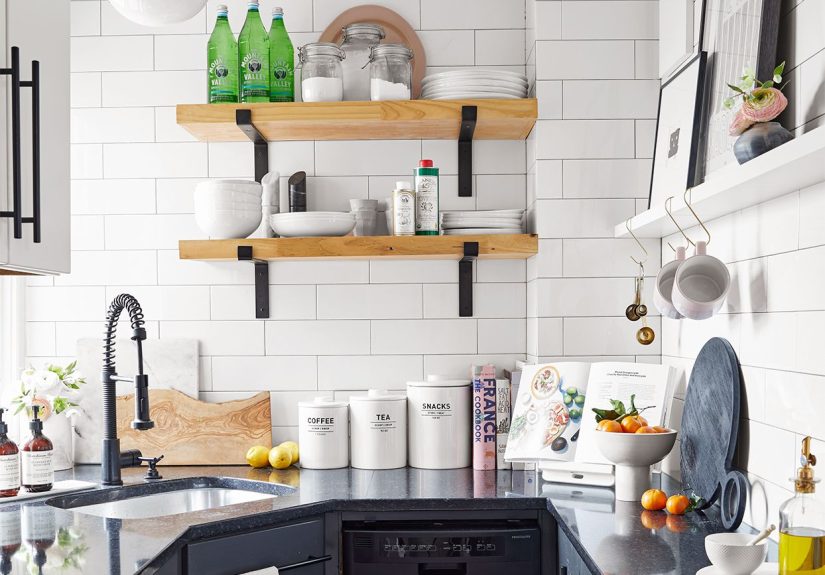
When floor space is limited, your walls become prime real estate. Floating shelves can hold books, dishes, office supplies, folded linens, or decorative baskets without eating up valuable square footage. Install them above desks, doorways, beds, or even in awkward corners. The higher shelves can store less-used items, while the lower ones handle daily essentials.
2. Use the Back of Every Door
Doors are underrated storage heroes. The back of a bedroom, bathroom, pantry, or closet door can hold organizers for shoes, cleaning products, toiletries, accessories, snacks, wrapping paper, or kids’ supplies. This is one of those changes that feels small at first, then suddenly you wonder why you ever let that space sit there doing nothing.
3. Claim the Space Under the Bed
Under-bed storage is perfect for off-season clothing, extra bedding, shoes, keepsakes, or backup household supplies. Use low-profile bins, wheeled drawers, or vacuum storage bags if clearance is tight. If you are shopping for a new bed, a frame with built-in drawers can eliminate the need for an extra dresser in a small bedroom.
4. Pick Furniture That Secretly Stores Things
In a small room, furniture should earn its keep. Storage ottomans, lift-top coffee tables, beds with drawers, benches with hidden compartments, and side tables with shelves let you tuck away clutter without adding more pieces. It is the home version of hiring one employee who somehow does five jobs and never complains.
5. Add a Slim Rolling Cart to Narrow Gaps
That tiny gap between the fridge and the wall? Not useless. The sliver next to the bathroom vanity? Also not useless. A narrow rolling cart can hold spices, canned goods, cleaning supplies, beauty products, or office tools in spaces that are too tight for standard furniture. Plus, wheels make everything feel smarter.
6. Double Your Closet With Extra Rods and Shelf Risers
Most closets waste vertical space. Add a second hanging rod for shirts and folded pants, shelf risers for sweaters or handbags, and hanging shelves for shoes or accessories. Even a basic closet becomes more functional when you stop treating it like one giant mystery cave and start dividing it into zones.
7. Switch to Slim, Matching Hangers
Bulky hangers eat up room fast. Slim hangers instantly create more hanging space and give the closet a cleaner look. Matching hangers also make everything feel more intentional, which sounds like a tiny detail until your closet goes from chaotic to calm in about ten minutes.
8. Turn Corners Into Hardworking Storage Zones
Corners are often awkward, but they do not have to be wasted. Try corner shelves, a triangular desk, a narrow corner cabinet, or a cozy reading nook with a storage basket underneath. In kitchens and bathrooms, corner shelves can hold everyday items without crowding the main work areas.
9. Install Pegboards or Wall Rails
Pegboards are not just for garages anymore. In a small kitchen, they can hold utensils, pans, and mugs. In an entryway, they can organize keys, bags, and hats. In a home office, they can manage tools, cords, and supplies. Wall rails with hooks and small containers also work beautifully when you want flexible, visible storage that can change as your needs change.
10. Use Drawer Dividers for the Chaos Magnets
Drawers tend to become junk archives unless they are divided. Use trays, bins, and adjustable organizers to separate categories such as utensils, makeup, stationery, socks, or tech accessories. This idea is not flashy, but it is wildly effective. A divided drawer saves time, reduces frustration, and prevents the classic “I know it is in here somewhere” spiral.
11. Add Turntables in Deep Cabinets and Pantries
Lazy Susans are excellent for cabinets where items disappear into the dark unknown. Use them for oils, sauces, skincare, cleaning supplies, medicine, or snacks. A spinning tray helps you see what you have and reach the back without unloading half the shelf first.
12. Hide Clutter in Attractive Bins and Baskets
Baskets are one of the easiest ways to make a small space look tidier fast. Use them under consoles, on open shelves, beside the sofa, or on top of cabinets. They are ideal for throws, toys, pet supplies, cords, or random household items that need containment without looking ugly.
13. Build an Entryway Drop Zone, Even If You Barely Have an Entryway
Small spaces get messy fast when everyday items land wherever gravity feels inspired. A tiny entry setup with hooks, a narrow shelf, a tray, and a shoe basket creates a landing zone for keys, mail, bags, and shoes. Even if your “entryway” is basically three feet of wall and optimism, it can still work.
14. Use Over-the-Toilet and Mirror Storage in the Bathroom
Bathrooms are often short on cabinets, so use the vertical space above the toilet for shelves or a cabinet. A mirrored medicine cabinet adds storage without taking up extra room. Inside drawers and under the sink, stackable bins and divided trays help keep toiletries from multiplying like rabbits.
15. Create Storage Above Eye Level
High shelves, cabinet tops, and the space above door frames are ideal for less-used items such as seasonal decor, travel gear, extra paper goods, or archives. The trick is to use labeled containers that look neat and are easy to pull down. If it is stored up high but still easy to identify, you get more room without creating visual noise.
16. Let Benches and Banquettes Hold More Than People
If you have a breakfast nook, window seat, or bench near the entry, choose one with built-in storage. These spaces are perfect for shoes, table linens, pet supplies, games, or bulk pantry items. Seating with hidden storage is especially helpful in homes where one room has to do several jobs.
17. Label Everything You Want to Keep Organized
Labels are not about perfection. They are about making a system obvious enough that everyone can follow it, including future you when you are tired, late, or both. Label pantry bins, closet baskets, bathroom containers, office drawers, and under-bed boxes. When the category is visible, the odds of items returning to the right place go way up.
18. Rotate by Season and Frequency of Use
One of the smartest storage ideas is not really a product at all. It is a habit. Keep everyday items in the easiest-to-reach spots and move seasonal or occasional-use items higher, lower, or farther back. Winter coats, holiday decor, extra guest bedding, beach gear, and specialty kitchen tools do not need front-row seating all year long.
How to Choose the Right Storage Ideas for Your Home
Not every idea belongs in every room, and that is exactly the point. The best storage solutions are the ones that match how you actually live. If your kitchen is short on cabinets, focus on rails, shelves, and cabinet turntables. If the bedroom is your problem area, start with under-bed storage, closet upgrades, and multifunctional furniture. If clutter collects near the front door, build a proper drop zone before buying anything for the bathroom.
It also helps to think in layers. First, declutter. Second, group similar items together. Third, decide what should be hidden, what can stay visible, and what needs easier access. Once you know that, choosing storage becomes much easier. You are not just buying containers. You are building a system.
And here is one more rule worth remembering: do not buy a dozen organizers for things you do not even want to keep. Storage is helpful, but it is not magic. It cannot solve clutter if the real issue is too much stuff with no clear purpose.
Real-Life Experiences With Small-Space Organization
One of the most eye-opening experiences people have when organizing a small space is realizing how often they were blaming the size of the home for a problem that was really about layout and habits. A bedroom that felt impossibly cramped can become surprisingly calm once the floor is cleared, the closet is divided properly, and under-bed storage takes over the job of a bulky extra cabinet. The square footage did not change. The strategy did.
Another common lesson is that small spaces punish vague systems. If a family has a basket labeled “miscellaneous,” it usually turns into a black hole by the end of the week. But if that same home has a tray for keys, a bin for chargers, a hook for bags, and a shelf for incoming mail, suddenly the clutter has fewer places to wander. Small homes work best when every item gets a specific destination instead of a general suggestion.
Many people also discover that hidden storage reduces stress more than they expected. A bench filled with shoes, a coffee table storing blankets, or bins on a closet shelf can make a room feel quieter almost instantly. It is not just about appearances. When visual clutter drops, daily routines get easier. You spend less time searching, less time shuffling piles, and less time promising yourself that you will “deal with it this weekend.”
There is also a practical emotional side to organizing a small home. People often feel guilty getting rid of items because they imagine they might need them someday. But the experience of living in a well-organized small space teaches a powerful rule: the cost of keeping too much is paid every single day. The oversized appliance you never use, the duplicate tote bags, the pile of mystery cords, and the decorative basket that is somehow storing other empty baskets all compete for limited room. Once those extras leave, the home starts supporting daily life instead of slowing it down.
Another real-world takeaway is that maintenance matters more than the makeover. A beautiful storage setup is great, but it only lasts if it is easy to reset. Homes stay organized when the system is simple enough to use in real time. Hooks beat hangers for everyday bags. Open bins beat lidded boxes for quick cleanup. A rolling cart wins when supplies need to move between rooms. The best solutions are not always the fanciest ones. They are the ones that survive ordinary life.
Perhaps the most encouraging experience of all is seeing how quickly small changes add up. A few labels, one narrow shelf, a set of slim hangers, and a proper entry basket can create momentum. Once one zone starts working, the next one becomes easier. That is why small-space organization can feel so satisfying. You are not chasing perfection. You are creating breathing room, one practical idea at a time.
Conclusion
The best storage ideas for small spaces are not about cramming more into less. They are about choosing smarter places for the things you truly use, building habits that reduce clutter, and making your home support your routines instead of fighting them. Whether you start with floating shelves, under-bed bins, a rolling cart, or a bench with hidden storage, the goal is the same: less chaos, more function, and a home that feels good to live in.
Small-space organization is not a one-time project. It is an ongoing process of editing, adjusting, and improving. But once your home has the right systems in place, staying organized becomes far easier. And that means you get more room not just for your belongings, but for your actual life.