Table of Contents >> Show >> Hide
- Why Baked-On Grease Clings to Glass So Stubbornly
- Method 1: Use a Baking Soda and Dish Soap Paste
- Method 2: Soak With Hot Water, Dish Soap, and Baking Soda
- Method 3: Finish With a Vinegar Steam-and-Wipe Treatment
- Mistakes to Avoid When Cleaning Glass Bakeware
- How to Keep Grease From Building Up Again
- When a Stain Is Just a Stain
- Which Method Should You Try First?
- Final Thoughts
- Kitchen Experiences: What Cleaning Baked-On Grease Off Glass Dishes Really Feels Like
- SEO Tags
Glass baking dishes are wonderful right up until they are not. One minute, your casserole dish is a sparkling kitchen overachiever. The next, it looks like it survived a lasagna riot. If you have ever stared at a glass dish coated with that stubborn brown, amber, or flat-out mysterious greasy film and thought, “Well, I guess this is its personality now,” good news: it is not.
Learning how to clean baked-on grease off glass dishes does not require a chemistry degree, a hazmat suit, or the upper-body strength of a professional rower. In most cases, you need the right method, a little patience, and the self-control not to attack the dish with steel wool like it insulted your family.
Below are three simple, effective ways to remove baked-on grease from glass bakeware using common household supplies. These methods are gentle enough for most glass dishes, practical enough for real kitchens, and powerful enough to rescue that casserole dish you were this close to hiding in the back of the cabinet forever.
Why Baked-On Grease Clings to Glass So Stubbornly
Baked-on grease is clingy in the worst possible way. When oil, butter, cheese, sauce, and food drippings are exposed to repeated high heat, they can leave behind a sticky residue that hardens over time. On clear glass, that residue is especially obvious. It shows up as cloudy patches, brown stains, or a slick, stubborn film that laughs in the face of a quick rinse.
Glass bakeware also tends to hang onto visible residue because its smooth surface makes every smear, streak, and scorch mark stand out. The dish may still be safe to use if it is not cracked or chipped, but it certainly does not look proud of itself.
Before You Start Cleaning
- Let the dish cool completely before washing it.
- Start with the gentlest method first, then move up only if needed.
- Use non-abrasive sponges, nylon scrubbers, microfiber cloths, or a plastic scraper.
- Avoid steel wool, metal scouring pads, and anything likely to scratch the glass.
- Test any stronger cleaner on a small area first if your dish has decorations or coatings.
Now, let us get that grease out of witness protection.
Method 1: Use a Baking Soda and Dish Soap Paste
If you want the gold-standard method for cleaning baked-on grease off glass dishes, this is the one. Baking soda is mildly abrasive, which means it helps lift residue without being as aggressive as harsher scrubbers. Dish soap helps loosen greasy buildup, especially if it is designed to cut oil on pots and pans.
What You Need
- 3 to 4 tablespoons baking soda
- 1 to 2 teaspoons grease-cutting dish soap
- Enough warm water to make a thick paste
- A soft sponge or nylon scrub pad
- A plastic scraper or silicone spatula, optional
How to Do It
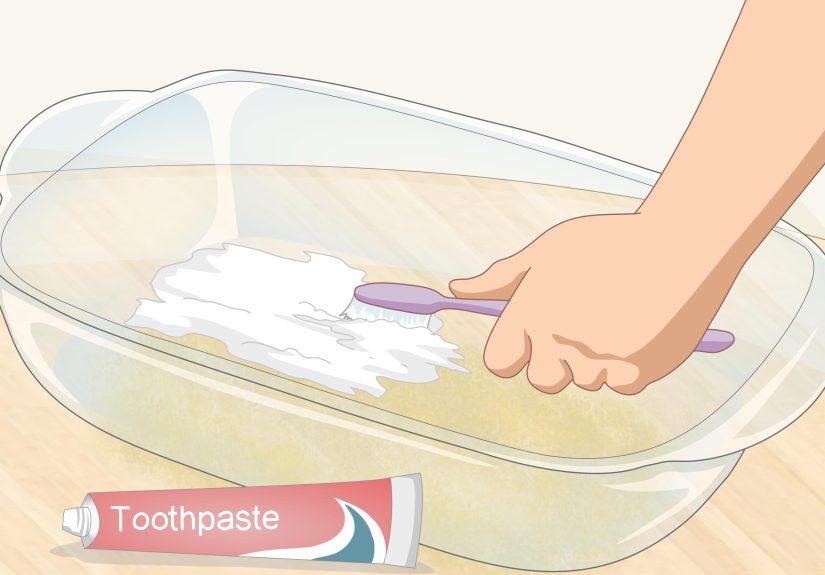
- Rinse the glass dish with warm water to loosen any loose crumbs or surface grease.
- In a small bowl, mix the baking soda, dish soap, and a little warm water until it forms a spreadable paste.
- Coat the greasy or stained areas generously, especially the bottom corners and sides where residue loves to camp out.
- Let the paste sit for 15 to 30 minutes. For heavier buildup, let it rest longer.
- Use a damp sponge or nylon scrubber to work the paste over the surface in small circles.
- If needed, use a plastic scraper to gently lift softened grease.
- Rinse thoroughly with warm water and wash again with dish soap.
- Dry with a clean towel or let air-dry.
Why This Method Works
This approach tackles the problem from two angles. The dish soap helps break down oily residue, while the baking soda gives you just enough scrubbing power to remove stuck-on grime without turning your dish into a frosted window. It is especially good for dishes with patchy brown buildup that has been there long enough to start paying rent.
Best For
This method is ideal for moderate to heavy baked-on grease, especially on casserole dishes, brownie pans, and glass roasting dishes that come out of the oven looking suspiciously caramelized in all the wrong places.
Method 2: Soak With Hot Water, Dish Soap, and Baking Soda
Some grease does not need a showdown. It needs a long, warm bath and time to rethink its choices. A soak is one of the easiest ways to clean a glass casserole dish when the grease is stubborn but not completely fossilized.
What You Need
- Hot water
- 1 to 2 teaspoons dish soap
- 1 to 2 tablespoons baking soda
- A soft sponge or nylon scrubber
- A plastic scraper, optional
How to Do It
- Place the glass dish in the sink or on a heat-safe surface.
- Fill it with hot, not boiling, water.
- Add dish soap and baking soda, then swirl gently to combine.
- Let the dish soak for at least 30 minutes. For heavier residue, soak it for an hour or even overnight.
- Drain the water and use a sponge or nylon scrubber to wipe away loosened grease.
- For stubborn spots, apply a little extra baking soda directly to the sponge and scrub gently.
- Rinse well and wash as usual.
Why This Method Works
Heat softens residue. Dish soap loosens oily buildup. Baking soda adds light scrubbing power. Together, they create a low-effort method that works surprisingly well, especially if you catch the grease before it becomes a permanent-looking amber souvenir.
This is also the friendliest method for people who hate scrubbing, which is to say, most people. If Method 1 is the active strategy, Method 2 is the “let time do some of the work while I scroll my phone” strategy.
Best For
This method is great for large glass baking dishes, everyday grease film, and pans with residue that is stuck but not deeply scorched. It is also perfect as a first attempt before moving to a thicker paste treatment.
Method 3: Finish With a Vinegar Steam-and-Wipe Treatment
White vinegar is not always the hero for thick grease all by itself, but it can be a fantastic finishing move. If your glass dish still has a cloudy greasy film or light brown haze after washing, a vinegar-based wipe or steam treatment can help cut through the leftover dullness and make the dish look cleaner and brighter.
What You Need
- Equal parts white vinegar and warm water
- A microfiber cloth or soft sponge
- A clean towel
- Optional: a warm wet towel for extra softening power
How to Do It
- Mix equal parts white vinegar and warm water.
- After washing the dish, apply the solution to any remaining greasy film or streaks.
- Let it sit for 5 to 10 minutes.
- Wipe with a microfiber cloth or soft sponge.
- For stubborn haze, lay a warm wet towel over the area for 10 minutes first, then wipe again.
- Rinse and dry thoroughly.
Why This Method Works
Vinegar helps with light greasy residue and mineral-looking dullness, especially after the heavier grime has already been removed. Think of it as the polish step rather than the demolition crew. If the dish still looks dingy after a regular wash, this method can restore some of that clear-glass shine.
Best For
Use this for light grease film, streaks, cloudy residue, or as a final pass after either of the first two cleaning methods.
Mistakes to Avoid When Cleaning Glass Bakeware
Cleaning glass dishes is simple, but there are a few mistakes that can turn a routine cleanup into a frustrating mess.
1. Scrubbing With Metal Tools
Steel wool and metal scouring pads may seem satisfying in the moment, but they can scratch glass or leave it looking cloudy over time. Use nylon pads, soft sponges, or plastic scrapers instead.
2. Jumping Straight to Harsh Chemicals
For most greasy glass dishes, you do not need to begin with aggressive oven cleaners or heavy-duty chemicals. Start with soap, baking soda, heat, and patience. Stronger products may be overkill for a problem that just needs time and a smarter method.
3. Expecting Vinegar to Do Everything Alone
Vinegar is useful, but it is not always the main solution for thick, baked-on grease. It works best as a support act, especially for shine and light residue, rather than as the only cleaner for heavy buildup.
4. Cleaning a Hot Dish Too Soon
Moving a very hot glass dish straight into water can stress the material and make cleanup harder. Let it cool first, then use warm water for soaking and washing.
How to Keep Grease From Building Up Again
Once you finally get your dish looking like glass instead of archaeological evidence, it makes sense to keep it that way.
- Wash glass dishes soon after they cool. The longer grease sits, the more it hardens.
- Use a soak immediately after baking rich foods like mac and cheese, lasagna, roasted meat, or casseroles.
- Line dishes with parchment or foil when appropriate for sticky or oily recipes.
- Avoid overheating very oily foods in glass whenever possible.
- Dry thoroughly after washing so residue does not settle into a cloudy-looking film.
A little maintenance goes a long way. It is much easier to remove yesterday’s grease than last month’s mystery crust.
When a Stain Is Just a Stain
Not every mark means the dish is ruined. Sometimes glass bakeware develops discoloration from oily, acidic, or deeply pigmented foods. If the dish is still smooth, intact, and free from chips or cracks, the stain may be cosmetic rather than structural. In other words, your casserole dish may look tired without actually being damaged.
That said, retire any glass dish that is cracked, chipped, or deeply scratched. No amount of cleaning is worth gambling with a compromised baking dish in a hot oven.
Which Method Should You Try First?
If you are standing in your kitchen right now, sponge in hand, here is the easiest way to decide:
- For greasy film and light stains: Start with the hot soak.
- For visible brown buildup and stuck-on residue: Go with the baking soda and dish soap paste.
- For cloudy finish or lingering streaks: Use the vinegar steam-and-wipe as the final step.
You can also combine them. In real life, many of the dirtiest dishes respond best to a soak first, a paste second, and a vinegar wipe at the end. It is the kitchen-cleaning version of a three-act redemption story.
Final Thoughts
Cleaning baked-on grease off glass dishes is one of those household jobs that feels much more dramatic than it really is. Yes, the grease looks permanent. Yes, the pan may resemble a cautionary tale. But in most cases, it comes down to softening the residue, using the right mild abrasive, and avoiding the urge to scrub like you are sanding a deck.
The three simplest methods are also the most practical: a baking soda and dish soap paste for serious grime, a hot soak for everyday buildup, and a vinegar wipe for the final clear-glass finish. Use the gentlest effective tools, give the cleaner time to work, and do not assume every brown mark means the dish is doomed.
Your glass bakeware can absolutely make a comeback. And if it still looks a little “well-loved” after all this? Congratulations. It means you cook. A lot. That is a much better story than having spotless dishes and no baked ziti.
Kitchen Experiences: What Cleaning Baked-On Grease Off Glass Dishes Really Feels Like
Anyone who cooks regularly knows this problem is not theoretical. It shows up after the foods people actually love to make: cheesy casseroles, roasted vegetables coated in olive oil, scalloped potatoes, baked pasta, cobblers, and anything involving butter that seemed like a great idea at the time. The dish comes out of the oven looking glorious, dinner is a success, and then later you notice the sides of the pan have developed a dark ring that looks less like residue and more like a long-term commitment.
One of the most common experiences is the “I thought I washed that already” moment. You clean the dish, dry it, hold it up under the kitchen light, and suddenly there it is: a greasy shadow on the bottom that was apparently invisible five minutes ago. Glass dishes are rude like that. They reveal everything. A pan that looks spotless on the counter can suddenly display every streak and smudge the second sunlight hits it from the window.
Another familiar experience is the after-party casserole pan. Maybe it is a lasagna dish after a family dinner, or a baked mac and cheese pan after a potluck. By the time everyone has eaten, talked, packed leftovers, and wandered off, the pan is sitting in the sink wearing a hardened coat of cheese, oil, and sauce like armor. At that point, most people make one of two choices: they either soak it right away like a kitchen genius, or they leave it until tomorrow and create a much more emotional problem for themselves.
There is also the false hope stage. This is when a quick swipe with a sponge removes the easy stuff and convinces you that the dish is almost clean. It is not. Once the water dries, the stubborn brown patches remain, smug as ever. That is usually when people start getting creative, and not always in a good way. They reach for the rough scrubber, the random cleaner under the sink, or the “I saw this on the internet at 1 a.m.” method. Sometimes that works. Sometimes it just turns a greasy dish into a greasy dish with regrets.
In real kitchens, the most reliable experience is also the least dramatic: soak first, scrub second, repeat only if needed. People who clean glass bakeware successfully usually are not using magic products. They are using time, warm water, baking soda, dish soap, and a bit of restraint. The grease softens. The residue loosens. The dish slowly starts looking like itself again.
And perhaps the most satisfying moment of all is the final rinse. The cloudy film is gone. The corners look clear. The bottom no longer has that weird amber tint. You dry the dish, hold it up, and for once the light does not expose a greasy surprise. It is an oddly specific victory, but a real one. A clean glass baking dish just feels like life is back under control, even if the rest of the kitchen still looks like a recipe exploded.