Table of Contents >> Show >> Hide
- Why Grooming a Longhair Dachshund Is Different
- 1. Brush and Detangle on a Consistent Schedule
- 2. Bathe, Dry, and Tidy the Coat Without Overdoing It
- 3. Keep Nails, Ears, Paws, and Teeth on Maintenance Mode
- Common Grooming Mistakes to Avoid
- When to See a Professional Groomer
- The Real-Life Side of Grooming a Longhair Dachshund: What Owners Learn Over Time
- Conclusion
- SEO Metadata
If you live with a longhair Dachshund, you already know one important truth: this dog did not come into your life to be ignored. A longhaired doxie is part comedian, part hall monitor, part velvet throw pillow with opinions. That gorgeous flowing coat is one of the breed’s biggest charms, but it also comes with a little maintenance. Not “cancel your weekend” maintenance, thankfully. More like “stay consistent so your dog doesn’t turn into a tiny mop with legs” maintenance.
The good news is that grooming a longhair Dachshund is absolutely manageable at home when you break it down into a few simple habits. You do not need a fancy salon, a ring light, or the energy of a competitive dog show handler. You just need the right tools, a little patience, and a plan that works with the unique shape and coat of this low-slung breed.
In this guide, you’ll learn the three best ways to groom a longhair Dachshund, how often to do each step, which trouble spots need extra attention, and how to keep your dog clean, comfortable, and gloriously fluffy without overgrooming. The goal is not perfection. The goal is a healthy coat, clean paws, happy ears, and a dog that doesn’t sprint away every time you pick up the brush.
Why Grooming a Longhair Dachshund Is Different
Dachshunds come in different coat types, and the longhaired variety has the highest grooming needs of the bunch. Their silky coat can be soft and beautiful, but it also grabs burrs, yard debris, dust, and tangles like it’s collecting souvenirs. The feathering around the ears, chest, legs, belly, and tail is especially likely to knot if it is ignored.
That matters for more than appearance. A neglected coat can trap dirt and moisture, create mats that tug at the skin, and make your dog uncomfortable when walking, lying down, or even turning around to investigate the kitchen. And because Dachshunds have that famously long, low body, their underside and chest can pick up grime faster than many other breeds. In other words, gravity is not always on Team Dachshund.
The smartest grooming routine is one that focuses on prevention. Small, regular sessions are usually easier than occasional full-blown rescue missions.
1. Brush and Detangle on a Consistent Schedule
If you only do one thing consistently for your longhair Dachshund, make it brushing. This is the foundation of good Dachshund coat care. Regular brushing removes loose hair, spreads natural oils, prevents tangles from turning into mats, and gives you a chance to check your dog’s skin for irritation, burrs, fleas, or mystery yard junk.
What tools work best?
For most longhaired Dachshunds, a simple tool kit is enough:
A slicker brush is excellent for gently lifting loose hair and teasing apart small tangles. A metal comb helps you check whether you actually finished the job or just staged a convincing performance. A soft bristle or pin brush can help smooth the coat and add shine. Keep a detangling spray on hand for stubborn knots, and have blunt-tip grooming scissors available only for trimming light feathering or tidying paws, not for hacking at serious mats.
How often should you brush?
Most longhair Dachshunds do best with brushing several times a week, and some need daily grooming if their coat is thick, fine, or especially feathery. Dogs that spend time outdoors, roll in leaves, or treat mud like a lifestyle choice may need more frequent touch-ups.
How to brush without making it a wrestling match
Start when your dog is calm. After a walk or a meal is often easier than when your doxie is in peak zoomie mode. Put your dog on a non-slip surface or on your lap if they are comfortable there. Begin with the easy areas first, like the back and sides, then work toward the feathered spots where tangles tend to hide.
Brush in sections instead of swiping wildly over the top like you are buffing a tiny sports car. Lift the outer coat and work gently through the hair underneath, especially behind the ears, under the front legs, along the chest, on the belly, and around the tail. After brushing, run the comb through the same areas. If the comb catches, there is still a tangle waiting to become tomorrow’s problem.
If you find a knot, hold the hair near the skin so you do not tug painfully, then work it apart little by little with your fingers, detangler, and brush. Patience wins here. Furious brushing does not. If a mat is tight to the skin, skip the home heroics and call a professional groomer or veterinarian. Cutting into a mat with scissors is one of the fastest ways to accidentally nick a dog’s skin.
Where mats usually show up first
Longhair Dachshunds are famous for hidden trouble spots. Check behind the ears, under the collar or harness, in the armpits, along the belly line, under the tail, and around the back of the legs. These are the places where friction, moisture, and movement team up to make tiny knots turn into felt.
Think of brushing as five minutes of prevention that saves you from forty-five minutes of regret.
2. Bathe, Dry, and Tidy the Coat Without Overdoing It
Bathing is the second major part of grooming a longhair Dachshund, but this is where many owners either overdo it or skip important prep. The trick is to bathe strategically, not constantly. A clean dog is wonderful. A dog that gets shampooed every time they touch a puddle is just on the fast track to dry skin and side-eye.
Brush before the bath. Always.
This is non-negotiable. If you bathe a dog with tangles or mats, water tightens them. What was mildly annoying before the bath can become a compact, soggy knot afterward. Brush first, then bathe.
How often should a longhair Dachshund be bathed?
There is no one perfect schedule, because coat texture, activity level, and skin condition all matter. In many homes, a bath every month or every couple of months works well, with spot-cleaning in between for muddy paws and low-rider bellies. If your dog has skin issues, allergies, or a vet-recommended shampoo, follow your veterinarian’s plan instead of guessing.
Bath-time basics
Use lukewarm water and a dog-safe shampoo. Human shampoo is not a cute shortcut. Wet the coat thoroughly, work the shampoo from neck to tail, and rinse very well. Leftover product can irritate the skin and make the coat look dull, which is not the glamorous result anyone was hoping for.
Be careful around the face, ears, and eyes. Do not pour water directly into the ears. A damp cloth is usually enough for the face. If your dog’s coat is on the silky side, a light dog conditioner or detangler can help keep the hair manageable after rinsing.
Drying matters more than people think
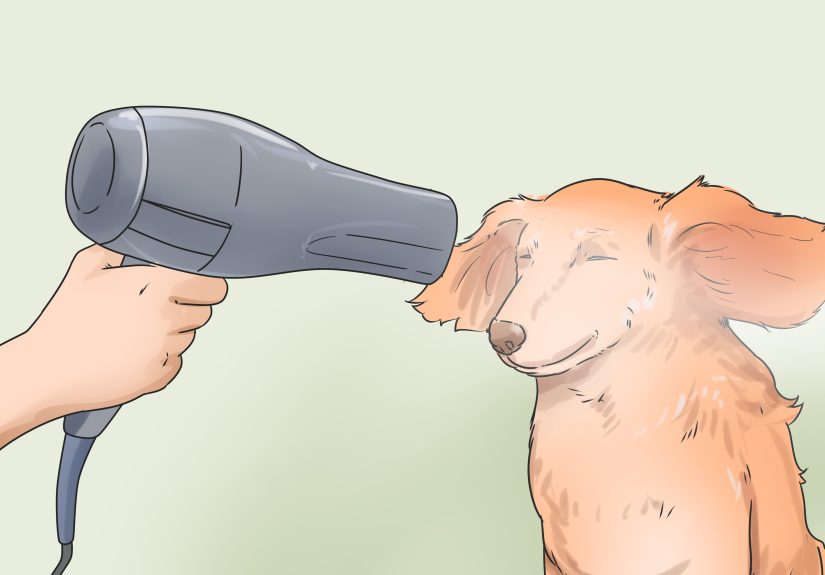
After the bath, towel dry thoroughly. Then continue drying until the coat is no longer damp, especially around the ears, chest, belly, and armpits. A long coat that stays damp can tangle faster and may irritate the skin. If you use a blow dryer, use a low or cool setting and keep it moving so your dog does not feel like a baked potato.
Once the coat is mostly dry, brush it again. This keeps feathering from drying in twists and helps the hair fall neatly.
Do longhair Dachshunds need haircuts?
Usually, they do not need a dramatic haircut. Most pet longhair Dachshunds only need light tidying. Trim excess hair around the paws for traction and cleanliness. Neaten the feathering if it drags, collects debris, or looks untidy. A light sanitary trim around the rear can also help keep things clean. The goal is a natural look, not turning your dog into a topiary experiment.
If you want a major trim, ask a professional groomer who understands breed-appropriate grooming. Too much cutting can change the coat’s appearance and leave it looking choppy rather than polished.
3. Keep Nails, Ears, Paws, and Teeth on Maintenance Mode
The coat gets all the attention, but the finishing details are what make a longhair Dachshund truly well groomed. Nail care, ear cleaning, paw checks, and dental care should all be part of your regular routine. This is the difference between a dog who merely looks cute and a dog who feels comfortable.
Nail trimming
Most dogs need nail trims about every three to four weeks, though some active dogs can go a little longer if pavement helps wear the nails down. With Dachshunds, overgrown nails are especially unhelpful because their body structure already puts unique demands on their feet and legs. Long nails can affect traction and comfort.
If you hear nails clicking on the floor, that is your soundtrack telling you it is time. Trim only the tip and avoid the quick. If your dog has dark nails or acts like the clipper is a medieval invention, ask your groomer or vet for help. A nail grinder can also work well for some dogs.
Ear care
Dachshunds have floppy ears, and floppy ears are adorable but not exactly known for superior ventilation. Check the ears weekly for redness, odor, wax buildup, or debris. Clean only the outer ear with a vet-approved ear cleaner or follow your veterinarian’s instructions. Do not go digging into the ear canal like you are searching for treasure. There is no treasure in there.
After baths, make sure the ears are dry. Moisture is not a great roommate for canine ears.
Paws and feathering
Because longhair Dachshunds are so close to the ground, their paws deserve attention. Check between the toes for debris, burrs, and tiny mats. Trim excess foot hair if it gets slippery on floors or tracks mud into the house like your dog is trying to redecorate with dirt. Also inspect paw pads for dryness or cracks, especially in hot or cold weather.
Teeth and overall hygiene
Dental care often gets shoved into the “I’ll do it tomorrow” category, but small dogs benefit from consistent tooth brushing. Use dog toothpaste and brush regularly. It is not technically coat grooming, but it is part of keeping your dog clean and healthy. A polished coat loses some of its magic when paired with dragon breath.
Common Grooming Mistakes to Avoid
The biggest mistake is waiting too long between brushing sessions. The second biggest is trying to fix severe matting with scissors. Other common problems include bathing before brushing, trimming too much coat out of frustration, forgetting the ears and nails, and making grooming feel like a punishment.
Your dog learns from every session. If grooming only happens when you are rushed, annoyed, and muttering under your breath, your longhair Dachshund will absolutely pick up on that. Keep sessions short, calm, and reward-based. A few treats and a cheerful voice go a long way toward convincing your dog that the brush is not their sworn enemy.
When to See a Professional Groomer
There is no shame in getting help. A professional groomer is a smart choice if your Dachshund has heavy matting, needs a neat foot trim or sanitary trim, hates nail clipping, or has a coat that is getting away from you. Some owners do all brushing at home and schedule occasional professional baths and trims. That is a great middle ground.
You should also contact your veterinarian if you notice skin redness, hotspots, strong ear odor, excessive scratching, hair loss, or pain during grooming. Grooming should reveal problems early, not cover them up.
The Real-Life Side of Grooming a Longhair Dachshund: What Owners Learn Over Time
On paper, grooming a longhair Dachshund sounds simple: brush the coat, bathe the dog, trim the nails, check the ears, and move on with your life. In real life, it often looks more like brushing one side while your dog dramatically sighs, pausing because they spotted a squirrel through the window, then negotiating a peace treaty over the right rear paw. That is part of the experience, and honestly, it is part of the charm.
Many owners discover that the first few grooming sessions are less about technical skill and more about relationship-building. A young Dachshund may tolerate the brush on the back but object strongly to anyone touching the feathering behind the ears. Another may happily accept a bath yet act personally betrayed by nail trims. Over time, you learn your dog’s preferences, their warning signs, and their bribe rate. Some work for treats. Some work for praise. Some require both and still file a complaint.
One common experience is realizing how quickly the coat changes with the seasons and routine. A dog who feels easy to manage in one month can suddenly develop tangles behind the ears after a few damp walks, or little mats on the belly after a week of wearing a harness more often. Owners often say the same thing after they finally get consistent with brushing: the coat becomes easier, softer, shinier, and far less dramatic to maintain. The work does not disappear, but it stops piling up.
Bathing teaches its own lessons. A freshly washed longhair Dachshund can look like a tiny supermodel for about twenty glorious minutes. Then the dog goes outside, trots under a bush, and returns with leaves in the tail feathering like they styled themselves for a woodland fashion shoot. That moment teaches a useful truth: grooming is maintenance, not a permanent state. The goal is a healthy, comfortable dog, not a museum exhibit.
Owners also tend to become surprisingly attached to the little rituals. The brush-out after a rainy walk. The towel burrito after a bath. The way a clean coat smells for one brief, magical evening before the dog finds something questionable in the yard. Grooming becomes one of the regular ways people connect with their Dachshund. You notice changes faster. You spot a skin irritation early. You catch a burr before it becomes a mat. You learn where your dog is ticklish, where they are patient, and where they would prefer you kindly never touch again.
Perhaps the biggest real-life lesson is that perfect grooming is overrated, but consistent grooming is priceless. A longhair Dachshund does not need salon-level styling every week. They need an owner who pays attention. A quick comb-through behind the ears, clean paws after a muddy walk, nails trimmed before they get too long, and ears checked before moisture becomes a problem. Those simple habits do more for your dog’s comfort than any fancy grooming package ever could.
And once you find your rhythm, grooming stops feeling like a chore. It becomes part maintenance, part health check, part bonding time, and part comedy routine starring one very opinionated, very adorable little dog.
Conclusion
The best way to groom a longhair Dachshund is to keep things simple and consistent. Brush often enough to prevent tangles, bathe thoughtfully instead of obsessively, and stay on top of the smaller maintenance tasks like nails, ears, paws, and teeth. That is the whole system. No drama, no impossible routine, no need to transform your bathroom into a luxury dog spa.
Done right, grooming protects your dog’s coat, skin, comfort, and mobility. It also helps you catch small issues before they become big ones. Most of all, it keeps your longhaired Dachshund looking like what they truly are: a delightfully extra little dog in a fabulous coat.