Table of Contents >> Show >> Hide
- What Makes a Snack “High Protein”?
- 30 High Protein Snacks That Are Healthy and Portable
- 1. Greek Yogurt With Berries
- 2. Cottage Cheese Cups
- 3. Hard-Boiled Eggs
- 4. Tuna Pouches With Whole-Grain Crackers
- 5. Salmon Pouches
- 6. Turkey Roll-Ups
- 7. Chicken Salad Lettuce Cups
- 8. String Cheese and Grapes
- 9. Beef or Turkey Jerky
- 10. Roasted Edamame
- 11. Steamed Edamame Pods
- 12. Hummus and Veggie Cups
- 13. Roasted Chickpeas
- 14. Peanut Butter Apple Slices
- 15. Banana With Almond Butter
- 16. Trail Mix With Nuts and Seeds
- 17. Pistachios
- 18. Almonds
- 19. Pumpkin Seeds
- 20. Protein Smoothie in a Travel Bottle
- 21. Kefir Drink
- 22. Protein Bar
- 23. Cheese and Whole-Grain Crackers
- 24. Peanut Butter Whole-Grain Wrap
- 25. Mini Egg Muffins
- 26. Chia Pudding With Greek Yogurt
- 27. Cottage Cheese Toast
- 28. Smoked Salmon Cucumber Bites
- 29. Black Bean Dip With Tortilla Chips
- 30. High Protein Overnight Oats
- Best High Protein Snacks by Situation
- How to Build a Better Portable Protein Snack
- Common Mistakes to Avoid
- 500-Word Experience Section: What Actually Works in Real Life
- Conclusion
Hunger has a dramatic sense of timing. It does not politely arrive when you are standing in a kitchen with a clean cutting board and a fridge full of options. No, it shows up during a commute, between meetings, after a workout, in a school pickup line, or right when your brain starts whispering, “A vending machine cookie could solve everything.” That is where high protein snacks become the tiny heroes of real life.
Protein helps make snacks more satisfying, especially when paired with fiber-rich carbs or healthy fats. A bag of plain chips may disappear faster than your phone battery at 2%, but a snack with Greek yogurt, tuna, eggs, edamame, nuts, cottage cheese, hummus, or turkey can help you stay full longer and avoid the classic “I accidentally ate lunch twice” situation.
This guide focuses on healthy and portable high protein snacks that are easy to pack, simple to prepare, and realistic for busy Americans. You will find grab-and-go options, no-cook snacks, meal-prep ideas, plant-based picks, kid-friendly choices, and a few “why didn’t I think of that?” combinations. Protein numbers are approximate because brands and serving sizes vary, but each idea is designed to bring a meaningful protein boost without turning snack time into a science fair.
What Makes a Snack “High Protein”?
For everyday snacking, a practical high protein snack usually provides about 8 to 20 grams of protein. Some larger mini-meal snacks may go higher, especially after exercise or during a long day away from home. The best choices also include nutrients beyond protein: fiber, calcium, iron, potassium, healthy fats, probiotics, or omega-3 fats.
A smart snack formula is simple:
- Protein for staying power
- Fiber-rich carbohydrates for steady energy
- Healthy fats for flavor and fullness
- Minimal added sugar so your snack does not behave like dessert wearing a gym shirt
Think Greek yogurt with berries, tuna with whole-grain crackers, apple slices with peanut butter, edamame with sea salt, or hummus with vegetables. These are portable, balanced, and much more useful than the emergency candy bar living in the bottom of your bag since last Halloween.
30 High Protein Snacks That Are Healthy and Portable
1. Greek Yogurt With Berries
Approximate protein: 15–20 grams per single-serve cup. Plain Greek yogurt is one of the easiest high protein snacks to pack. Add blueberries, strawberries, cinnamon, or a sprinkle of granola for crunch. Choose plain or low-sugar versions when possible, then sweeten naturally with fruit.
2. Cottage Cheese Cups
Approximate protein: 12–25 grams depending on serving size. Cottage cheese is creamy, filling, and surprisingly flexible. Pair it with pineapple, peaches, cherry tomatoes, cucumber, or cracked black pepper. Look for lower-sodium options if you are watching salt intake.
3. Hard-Boiled Eggs
Approximate protein: 6 grams per egg. Hard-boiled eggs are snack royalty: cheap, portable, and ready to eat. Pack two with fruit or whole-grain toast for a balanced mini-meal. Add everything bagel seasoning if your taste buds enjoy applause.
4. Tuna Pouches With Whole-Grain Crackers
Approximate protein: 15–20 grams per pouch. Tuna packets do not need a can opener, which makes them excellent for work, travel, or lunchboxes. Pair with whole-grain crackers, cucumber slices, or lettuce cups. Choose water-packed or olive-oil-packed varieties based on your nutrition goals.
5. Salmon Pouches
Approximate protein: 15–20 grams per pouch. Salmon packets bring protein plus omega-3 fats. They are excellent with crackers, avocado, or a squeeze of lemon. Keep a fork nearby unless you enjoy making snack time unnecessarily athletic.
6. Turkey Roll-Ups
Approximate protein: 10–18 grams. Roll turkey slices around cucumber strips, avocado, cheese, or hummus. This snack is quick, low in refined carbs, and easy to customize. Choose lower-sodium turkey when possible, since deli meats can be salty.
7. Chicken Salad Lettuce Cups
Approximate protein: 15–25 grams. Mix cooked chicken with Greek yogurt, mustard, celery, and a little lemon juice. Spoon into romaine leaves or whole-grain pita halves. It feels like lunch, but it behaves like a snack that came prepared.
8. String Cheese and Grapes
Approximate protein: 6–8 grams per cheese stick. String cheese is portion-controlled and wonderfully portable. Add grapes, cherry tomatoes, or whole-grain crackers for balance. It is also one of the few snacks that makes peeling your food socially acceptable.
9. Beef or Turkey Jerky
Approximate protein: 9–15 grams per ounce. Jerky is shelf-stable and convenient, especially for road trips. Look for options with lower sodium and minimal added sugar. Pair it with fruit or nuts so it feels more like a snack and less like you are camping in your car.
10. Roasted Edamame
Approximate protein: 10–14 grams per serving. Roasted edamame is crunchy, plant-based, and easy to keep in a desk drawer. It also contains fiber, making it more satisfying than many salty snacks. Try sea salt, chili lime, or wasabi flavors.
11. Steamed Edamame Pods
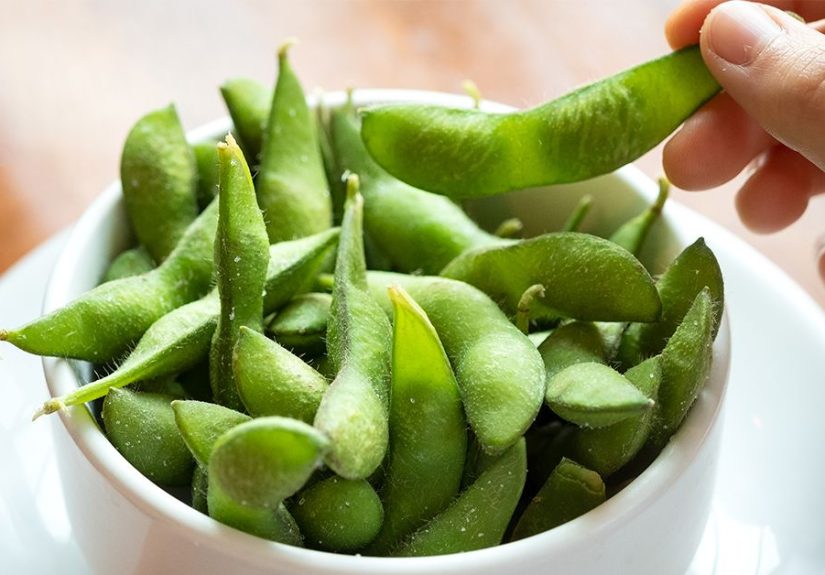
Approximate protein: 8–12 grams per cup in pods. Steam a batch, sprinkle with salt, and pack chilled. Edamame is a smart vegetarian snack that provides protein and fiber together, which is a very helpful duo when hunger gets dramatic.
12. Hummus and Veggie Cups
Approximate protein: 4–8 grams depending on portion. Hummus delivers plant protein from chickpeas, plus fiber and flavor. Pack it with carrots, bell peppers, cucumbers, snap peas, or whole-grain pita. For more protein, choose extra-bean hummus or pair with roasted chickpeas.
13. Roasted Chickpeas
Approximate protein: 6–10 grams per serving. Roasted chickpeas are crunchy, packable, and easy to season. Try smoked paprika, garlic, ranch-style herbs, or cinnamon. They are a great swap when you want chips but also want your snack to have a résumé.
14. Peanut Butter Apple Slices
Approximate protein: 7–9 grams with 2 tablespoons peanut butter. Apples bring fiber and crunch; peanut butter brings protein and healthy fats. Use single-serve nut butter packets for travel. Almond butter, cashew butter, or sunflower seed butter also work well.
15. Banana With Almond Butter
Approximate protein: 6–8 grams. A banana plus almond butter is portable, sweet, and satisfying. It is especially useful before a workout or during a busy morning. Add a sprinkle of chia seeds if you are eating it at home.
16. Trail Mix With Nuts and Seeds
Approximate protein: 6–10 grams per handful. Choose a mix built around almonds, peanuts, pistachios, pumpkin seeds, or sunflower seeds. Keep dried fruit and chocolate portions modest. Trail mix is nutritious, but it is also extremely easy to eat like popcorn during a movie chase scene.
17. Pistachios
Approximate protein: 6 grams per ounce. Pistachios are rich in plant protein, healthy fats, and crunch. In-shell pistachios slow down snacking, which can help with portion control. They also make you feel like a tiny squirrel with excellent life choices.
18. Almonds
Approximate protein: 6 grams per ounce. Almonds are shelf-stable and easy to keep in your bag. Pair them with fruit for fiber and natural sweetness. Choose lightly salted or unsalted varieties if sodium is a concern.
19. Pumpkin Seeds
Approximate protein: 8–9 grams per ounce. Pumpkin seeds, also called pepitas, are small but mighty. They add protein, magnesium, and crunch to snack packs. Mix with raisins or dried cranberries for a sweet-salty option.
20. Protein Smoothie in a Travel Bottle
Approximate protein: 15–30 grams depending on ingredients. Blend milk or soy milk, Greek yogurt, fruit, spinach, and protein powder if desired. Keep it cold in an insulated bottle. A smoothie is ideal when chewing feels like too much commitment.
21. Kefir Drink
Approximate protein: 8–12 grams per cup. Kefir is a fermented dairy drink that offers protein and probiotics. Choose plain or low-sugar varieties, then add fruit if needed. It is easy to drink on the go, but keep it refrigerated.
22. Protein Bar
Approximate protein: 10–20 grams. A protein bar can be useful when you truly have no time. Look for bars with a short ingredient list, at least a few grams of fiber, and moderate added sugar. The best bar is the one that tastes good enough to eat but not so good that you want three.
23. Cheese and Whole-Grain Crackers
Approximate protein: 8–12 grams. Pair cheddar, mozzarella, Swiss, or mini cheese rounds with whole-grain crackers. Add cherry tomatoes or apple slices for freshness. This snack works well for adults, kids, and anyone who secretly loves lunchbox food.
24. Peanut Butter Whole-Grain Wrap
Approximate protein: 10–14 grams. Spread peanut butter on a whole-grain tortilla, add banana slices, roll, and slice into pinwheels. Use soy nut butter or sunflower seed butter for school-safe versions when needed.
25. Mini Egg Muffins
Approximate protein: 6–12 grams depending on recipe. Whisk eggs with spinach, peppers, cottage cheese, or turkey, then bake in muffin tins. These are excellent for meal prep and taste good warm or cold. Store chilled and pack with an ice pack.
26. Chia Pudding With Greek Yogurt
Approximate protein: 12–20 grams. Mix chia seeds, Greek yogurt, milk, and berries in small jars. Chia seeds add fiber and texture, while yogurt boosts protein. The result is part snack, part breakfast, part “I planned ahead and deserve applause.”
27. Cottage Cheese Toast
Approximate protein: 12–18 grams. Spread cottage cheese on whole-grain toast and top with tomato, avocado, berries, or honey. For portability, pack toast and cottage cheese separately, then assemble when ready.
28. Smoked Salmon Cucumber Bites
Approximate protein: 10–15 grams. Top cucumber rounds with smoked salmon and a little Greek yogurt or cream cheese. This snack feels fancy, but it takes five minutes. It is best for office lunches or insulated lunch bags rather than long unrefrigerated travel.
29. Black Bean Dip With Tortilla Chips
Approximate protein: 7–10 grams. Blend black beans with lime juice, cumin, garlic, and a little olive oil. Pack with baked tortilla chips or vegetable sticks. Beans offer protein and fiber, which is why they remain one of the most underrated snack ingredients in America.
30. High Protein Overnight Oats
Approximate protein: 15–25 grams. Combine oats, Greek yogurt, milk, chia seeds, and nut butter in a jar. Refrigerate overnight and grab it in the morning. Add berries, cinnamon, or a few chopped nuts for texture.
Best High Protein Snacks by Situation
Best for Work
Greek yogurt, cottage cheese cups, tuna pouches, roasted edamame, jerky, almonds, protein bars, and cheese sticks are excellent work snacks. They are tidy, quick, and unlikely to make your keyboard smell like a seafood market if you choose wisely.
Best for Travel
For flights, road trips, and long errands, choose shelf-stable options: nuts, roasted chickpeas, jerky, protein bars, pumpkin seeds, trail mix, and nut butter packets. If you pack dairy, eggs, turkey, chicken, or fish, use an insulated bag with cold packs.
Best for Kids
String cheese, yogurt tubes, peanut butter wraps, hard-boiled eggs, hummus cups, mini egg muffins, cottage cheese with fruit, and trail mix without choking hazards are kid-friendly choices. For schools with nut restrictions, use sunflower seed butter or soy butter.
Best for Plant-Based Eaters
Edamame, roasted chickpeas, hummus, black bean dip, nuts, seeds, soy yogurt, tofu cubes, nut butter wraps, and protein smoothies made with soy milk or pea protein are strong plant-based options. Combining beans, whole grains, nuts, and seeds throughout the day helps build a balanced protein pattern.
How to Build a Better Portable Protein Snack
A good snack should solve hunger without creating a second problem. If it leaves you sticky, sleepy, or searching for more food 20 minutes later, it needs backup. Start with protein, then add fiber or healthy fat. For example, Greek yogurt alone is good; Greek yogurt with berries and walnuts is better. Turkey slices are fine; turkey wrapped around cucumber with avocado is more satisfying. Hummus is tasty; hummus with vegetables and roasted chickpeas is snack engineering.
Also think about temperature. Perishable foods such as yogurt, cottage cheese, eggs, tuna salad, chicken salad, turkey, cheese, and kefir need to stay cold. Use an insulated lunch bag and at least one cold source, especially if the snack will sit for more than a short window. Shelf-stable snacks like nuts, seeds, roasted edamame, jerky, tuna pouches, and protein bars are easier for long days.
Finally, read labels. Protein bars, jerky, flavored yogurts, and snack packs can vary wildly in added sugar, sodium, and ingredients. A snack can shout “high protein” on the front and whisper “basically candy” on the back. The Nutrition Facts label is your reality check.
Common Mistakes to Avoid
Choosing Protein Without Fiber
Protein helps with fullness, but fiber makes the snack even more satisfying. Pair eggs with fruit, cheese with whole-grain crackers, tuna with vegetables, or yogurt with berries.
Forgetting Portion Size
Nuts, seeds, nut butters, and trail mix are healthy but calorie-dense. Pre-portion them into small containers or snack bags so your “handful” does not become a full archaeological excavation of the pantry.
Relying Only on Bars
Protein bars are convenient, but whole-food snacks usually bring more variety. Rotate bars with yogurt, eggs, beans, fish, nuts, seeds, and dairy or plant-based alternatives.
Ignoring Sodium
Jerky, deli turkey, cottage cheese, smoked salmon, and packaged snacks can be high in sodium. Choose lower-sodium versions when available and balance them with fresh fruits and vegetables.
500-Word Experience Section: What Actually Works in Real Life
After trying many high protein snacks in normal busy routines, one lesson becomes obvious: the best snack is not always the one with the highest protein number. The best snack is the one you will actually pack, carry, and eat before hunger turns you into a less charming version of yourself.
Greek yogurt is excellent, but only if you have a spoon and a cold place to keep it. Tuna pouches are powerful, but maybe not ideal right before a client meeting unless you have mints and confidence. Almonds are convenient, but they can become boring if they are the only snack in your bag for three straight weeks. Variety matters because humans are not robots, and even robots would probably ask for chili-lime roasted chickpeas eventually.
The most reliable strategy is to create three snack zones: fridge snacks, bag snacks, and emergency snacks. Fridge snacks include boiled eggs, cottage cheese, Greek yogurt, mini egg muffins, turkey roll-ups, kefir, and chicken salad cups. These are great for workdays, school lunches, and post-workout hunger. Bag snacks include roasted edamame, nuts, seeds, jerky, protein bars, roasted chickpeas, and tuna packets. Emergency snacks live in your desk, glove compartment, gym bag, or backpack for days when life refuses to follow the calendar.
Another real-life trick is pairing. A single food can work, but a pair usually works better. Cottage cheese with fruit tastes brighter. Jerky with an apple feels more balanced. Hummus with vegetables gives crunch and freshness. Peanut butter with banana feels like comfort food but still brings staying power. Protein plus produce is a simple rule that rarely fails.
Meal prep also does not need to be dramatic. You do not need matching glass containers, a label maker, and a Sunday afternoon personality transplant. Start with one thing: boil six eggs, portion nuts into bags, wash grapes, make two jars of overnight oats, or buy single-serve Greek yogurt. Small preparation beats ambitious preparation that never happens.
For travel, shelf-stable protein is the winner. Roasted chickpeas, protein bars, pistachios, pumpkin seeds, and jerky can survive a long day. For office life, keep a drawer stash and a fridge stash. For kids, make snacks easy to open and familiar: cheese sticks, yogurt, hummus cups, peanut butter wraps, and egg muffins usually perform well. For workouts, choose something with both protein and carbohydrates, such as Greek yogurt with fruit, a smoothie, or overnight oats.
The biggest benefit of healthy high protein snacks is not just nutrition. It is decision relief. When a good snack is already packed, you do not have to negotiate with hunger in front of a vending machine. You simply eat, feel better, and continue your day like a person who has their life together, at least snack-wise. Honestly, some days that counts as a major victory.
Conclusion
Healthy portable high protein snacks make busy days easier, smarter, and a lot less snack-chaotic. Whether you prefer Greek yogurt, cottage cheese, eggs, tuna, edamame, nuts, hummus, jerky, smoothies, or overnight oats, the goal is the same: choose foods that provide satisfying protein along with fiber, healthy fats, and useful nutrients.
You do not need perfect snacks. You need practical ones. Keep shelf-stable options in your bag, cold snacks in an insulated lunch tote, and simple ingredients ready at home. With a little planning, snack time can support your energy, appetite, workouts, workday, travel schedule, and overall healthy eating pattern. That is a lot of responsibility for a cheese stick, but somehow it manages.