Table of Contents >> Show >> Hide
Some kitchens chase trends like they are sprinting for a limited-edition handbag. Traditional kitchens do not. They stroll in, look effortlessly polished, and somehow still feel welcoming enough for pancake batter disasters, late-night leftovers, and family debates over whether garlic counts as a vegetable. That is the magic of a traditional kitchen: it is elegant without being stiff, practical without feeling boring, and classic without turning into a museum exhibit.
If you love spaces that feel warm, layered, and deeply lived-in, traditional kitchen ideas are worth stealing shamelessly. The best versions balance beauty and usefulness with details that have been charming homeowners for generations: classic cabinetry, natural stone, wood tones, glass-front doors, handsome lighting, and just enough ornament to make the room feel special. In other words, the room looks like it has stories to tell, even if the only real story is that someone burned the toast again.
What Makes a Kitchen Feel Traditional?
A traditional kitchen usually leans on classic architecture, quality materials, and details that feel rooted in history. Think symmetry, paneled cabinets, refined moldings, warm neutrals, rich wood, and finishes that patina nicely instead of begging for a ring light. Traditional does not have to mean formal, dark, or fussy. In fact, the most timeless kitchens often mix polished elements with cozy touches, like a farmhouse table, a runner rug, or a favorite set of dishes on display.
The goal is not to recreate a specific decade down to the teaspoon. It is to build a kitchen that feels grounded, gracious, and lasting. Here are 32 traditional kitchen ideas that do exactly that.
32 Traditional Kitchen Ideas That Never Lose Their Charm
Cabinetry and Millwork That Set the Tone
- Choose Shaker cabinets for instant timelessness. Shaker-style doors are simple, balanced, and versatile. They work beautifully in white, cream, gray, navy, sage, and stained wood, which is why they have survived more trend cycles than most of us have survived group chats.
- Add crown molding to upper cabinets. Crown molding bridges the gap between cabinetry and ceiling, giving the room a finished, custom look. It is a small detail that whispers “well-designed” rather than shouting it from the chandelier.
- Use raised or recessed panel doors. Flat-front cabinets can feel sleek and modern, but paneled doors bring the depth and craftsmanship that traditional kitchens crave.
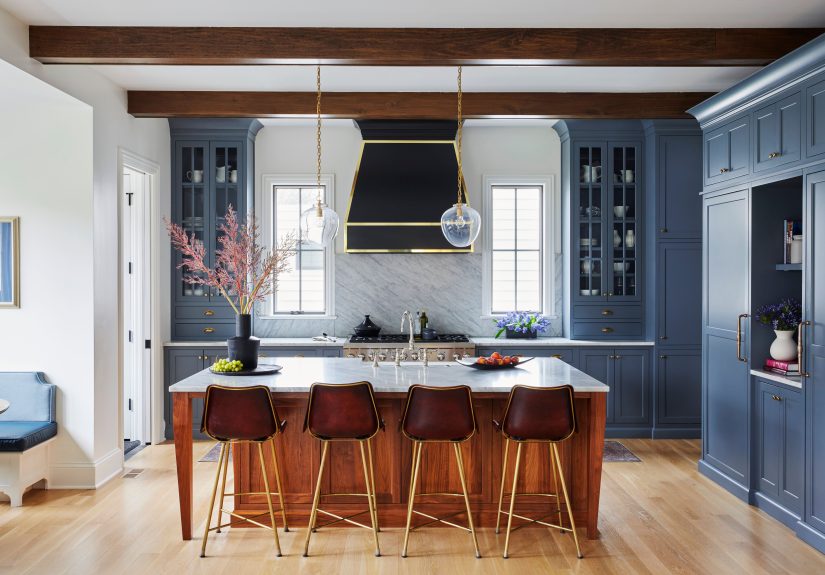
- Frame the range with symmetry. Matching cabinets, shelves, or glass-front uppers around the hood create a calm, formal focal point. Traditional style loves visual order, and the range wall is prime real estate for it.
- Mix glass-front cabinets with solid doors. Glass fronts lighten the room and provide a perfect place to show off white dishes, heirloom glassware, or that one platter you bought because it made you feel fancy.
- Include furniture-style details. Toe-kick arches, turned legs, corbels, and decorative brackets help built-in cabinetry feel less boxy and more collected over time.
- Paint cabinets in classic colors. White and cream never miss, but soft taupe, warm gray, muted green, and deep blue all work beautifully in a traditional kitchen.
- Consider a stained wood island. Painted perimeter cabinets paired with a walnut or oak island create warmth and the layered look that keeps a kitchen from feeling flat.
Materials and Surfaces With Staying Power
- Use natural stone countertops where you can. Marble, soapstone, and quartzite all bring depth and age gracefully. Even a small stretch of natural stone can make a kitchen feel richer and more rooted.
- Try butcher block in the right spots. A wood countertop on an island, baking station, or coffee nook softens harder surfaces and adds old-school charm.
- Install a classic subway tile backsplash. Subway tile earns its reputation honestly. It is clean, versatile, and just detailed enough to feel traditional without becoming dramatic.
- Take tile all the way up the wall. Extending backsplash tile higher than expected makes a kitchen feel custom and protects busy cooking zones at the same time.
- Bring in beadboard or tongue-and-groove paneling. These textures add cottage and farmhouse influence without overpowering the room. They are especially good on islands, ceilings, or breakfast nooks.
- Use hardwood floors whenever possible. Wood underfoot instantly warms a kitchen and helps it connect with older architectural styles. A traditional kitchen in hardwood feels settled, not temporary.
- Consider terracotta or brick-inspired flooring. These materials add age, color, and wonderful imperfection. They are especially effective if you want your kitchen to feel collected rather than newly unboxed.
- Choose materials with character, not just polish. Traditional kitchens look better when surfaces have variation, grain, veining, or texture. Perfectly sterile finishes tend to feel less inviting.
Layouts and Furnishings That Make the Room Feel Lived In
- Use a galley layout well. A galley kitchen can feel wonderfully traditional when lined with classic cabinetry, ceiling-height tile, and elegant hardware. Narrow does not mean boring.
- Swap a built-in island for a table-style island. A freestanding worktable or antique table can feel more authentic in an older home than a giant slab of cabinetry planted in the center.
- Add an apron-front sink. Farmhouse sinks are not just pretty. Their generous size and familiar shape make them one of the easiest ways to give a kitchen long-lasting charm.
- Build in a breakfast nook or banquette. Traditional kitchens are gathering spaces, not just cooking stations. A cozy seat by the window makes the room feel human immediately.
- Create an eat-in kitchen if space allows. Even a small round table can shift the kitchen from purely functional to deeply social.
- Use a hutch, plate rack, or unfitted cabinet. One freestanding storage piece makes the room feel less like a row of built-ins and more like a home that evolved over time.
- Display cookware or dishware thoughtfully. Copper pots, ironstone, cutting boards, and everyday ceramics can double as decor when the arrangement feels curated rather than chaotic.
- Make room for hidden organization. Timeless style does not mean rejecting smart storage. Pull-outs, dividers, deep drawers, and appliance garages keep the room practical without changing the classic exterior.
Lighting, Color, and Finishing Touches That Seal the Deal
- Use lantern-style or pendant lighting with shape. Traditional kitchens benefit from fixtures that have presence. Lanterns, schoolhouse lights, and classic pendants add detail where modern cylinders often feel too plain.
- Choose hardware with patina potential. Unlacquered brass, aged bronze, polished nickel, and classic porcelain knobs all feel right at home here.
- Mix metals carefully. Brass with black, nickel with bronze, or copper with iron can work beautifully when one finish leads and the others support.
- Add window treatments with softness. Roman shades, café curtains, or tailored drapery panels help a traditional kitchen feel dressed rather than bare.
- Use a runner rug for warmth. A striped or vintage-style runner adds softness, color, and comfort in hardworking zones like in front of the sink.
- Layer in antiques or vintage-inspired finds. A weathered stool, an old mirror, a breadboard collection, or a flea-market chandelier can instantly make a kitchen feel more storied.
- Try a showstopping range hood. A plaster, wood, or custom-paneled hood anchors the room and turns the cooking wall into an architectural feature.
- Let the room feel personal. Traditional kitchens last because they feel lived in. Family cookbooks, framed art, collected serving pieces, or a bowl of lemons on the counter are not clutter when they are part of the room’s rhythm.
How to Keep a Traditional Kitchen From Feeling Dated
The line between timeless and tired is thinner than grout, so it helps to know where to edit. A traditional kitchen should feel layered, not overloaded. Too many ornate details, overly dark finishes, or aggressively themed decor can make the room feel stuck in time instead of inspired by it.
Start with strong bones: classic cabinets, quality materials, balanced lighting, and a layout that actually works for real life. Then add charm in doses. One antique table, not twelve. One floral Roman shade, not an entire botanical uprising. One plate rack, not an all-out ceramic museum. Traditional kitchens look best when they honor the past without refusing to acknowledge electricity, storage needs, or the existence of coffee makers.
It also helps to balance old and new. A traditional kitchen can absolutely include a professional-grade range, deep drawers, discreet charging stations, and better task lighting. In fact, that contrast is part of what makes the room so satisfying. It looks established, but it behaves like a modern kitchen should.
Design Tips for a Traditional Kitchen That Ages Beautifully
Prioritize quality over novelty.
Traditional kitchens succeed when the finishes are durable and the details are meaningful. Natural materials, solid cabinetry, and classic hardware tend to improve with age, while trend-driven shortcuts often announce their expiration date early.
Think in layers, not matching sets.
A kitchen feels more authentic when everything is not perfectly identical. Painted cabinets, a stained island, mixed metals, a vintage table, and soft textiles can coexist beautifully when the palette is cohesive.
Respect the architecture of the house.
A traditional kitchen should feel like it belongs to the home. A 1920s bungalow, a Colonial revival, and a newer house built with classic detailing will each support different versions of traditional style.
Keep function at the center.
No matter how gorgeous the cabinets are, you will stop admiring them quickly if the trash pull-out is in the wrong place and the mixer has nowhere to live. Timeless design is not just about looks. It is about how gracefully the room supports daily life.
Living With a Traditional Kitchen: The Experience Matters Too
Here is the part that design photos do not always capture: a traditional kitchen does not just look good. It feels good to live in. That difference matters. A sleek kitchen may impress people for ten seconds. A traditional one earns affection over years.
In the morning, a traditional kitchen often feels softer than trend-heavy spaces. Light bounces off creamy cabinets, wood floors warm up quickly, and the room seems ready for real life before anyone has even found the coffee scoop. The details are what make it work emotionally. The brass hardware is pleasant to touch. The runner by the sink softens the floor under tired feet. The breakfast nook quietly invites someone to sit with a mug and pretend they are not already late.
At midday, the room proves why timeless design survives. Traditional kitchens are usually built around practical zones and common-sense storage. Platters fit where platters should fit. Drawers hold heavy pots without drama. Everyday dishes live close to the dishwasher instead of on a decorative shelf that requires a small ladder and a prayer. Even the beautiful features pull their weight. Glass-front cabinets make grabbing serving pieces easier. A big apron-front sink handles sheet pans like a champ. A table-style island can become a prep station, homework desk, cookie-cooling zone, and unofficial family help desk in a single afternoon.
Then there is the social side. Traditional kitchens tend to be friendlier because they are not trying so hard to look untouched. People will lean on the island. Kids will spread out spelling homework. Someone will set down groceries on the antique table. Someone else will hover near the stove “just to help,” which mostly means sampling cheese. The room can take it. A little patina, a little wear, a little evidence of living: that is not failure in a traditional kitchen. That is character earning its paycheck.
There is also comfort in the visual rhythm of the room. Symmetry calms the eye. Natural materials feel grounding. Soft cabinet colors and warm wood tones create a background that is restful instead of hyperactive. In a world where many interiors are designed to go viral for a month and then disappear, a traditional kitchen feels reassuringly uninterested in internet drama.
Over time, the experience only gets better. The unlacquered brass deepens. The butcher block tells stories in tiny marks. The terracotta floor looks even more convincing after years of footsteps. A traditional kitchen ages like a favorite cookbook: a little worn, extremely useful, and somehow more lovable because of the evidence of use.
That is why this style continues to endure. It is not just about moldings, marble, or pretty pendants. It is about building a room that supports rituals, welcomes people, and still looks right long after trend reports have moved on to some oddly specific shade of beige with a fancy name. A traditional kitchen stands the test of time because it was never trying to win a race. It was trying to become part of a life.
Conclusion
The best traditional kitchen ideas do not scream for attention. They invite you in, put the kettle on, and remind you that beauty and practicality are perfectly capable of sharing a room. Whether you borrow one idea or all 32, the smartest approach is to choose details that feel honest to your home, useful in daily life, and lovely enough to enjoy for years. That is how a kitchen stops being a project and starts becoming a classic.