Table of Contents >> Show >> Hide
- First, a Quick Reality Check: Flow Beats “Perfect”
- The 33 Layout Ideas
- 1) Start by drawing your “daily loop,” not your dream kitchen
- 2) Protect the work triangle (or “work polygon”) from foot traffic
- 3) Design for two cookseven if you live alone
- 4) Use the “landing zone” rule: every major appliance needs a parking spot
- 5) Make the prep zone generous and close to the sink
- 6) Put the trash/compost where the chopping happens
- 7) Choose a layout type that matches your room, not your mood board
- 8) In a one-wall kitchen, add a slim island or table to create a second “run”
- 9) In a galley, keep the corridor clearand commit to it
- 10) In an L-shape, place the sink on one leg and the cooktop on the other
- 11) In a U-shape, keep the “U” open enough to breathe
- 12) Try a peninsula when an island would choke the room
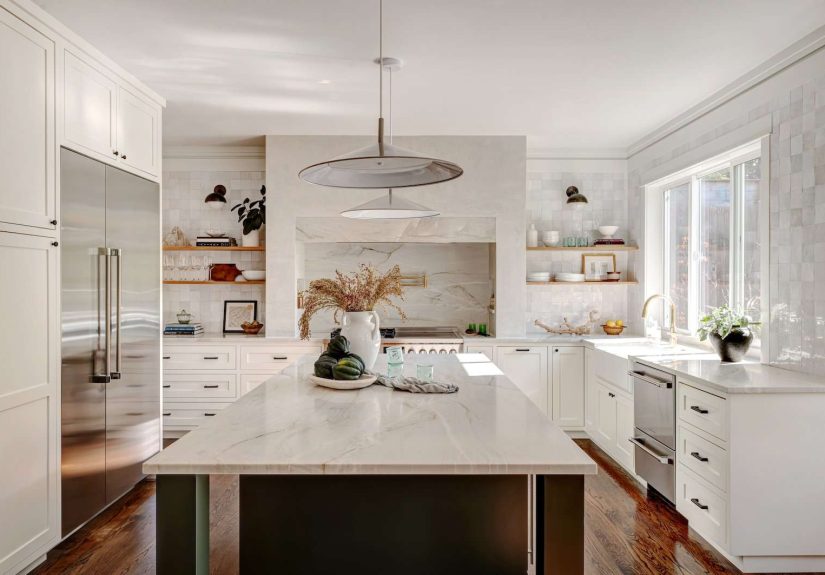
- 13) If you do an island, size it for movement first, storage second
- 14) Use the island as a “buffer zone” between work and hangout
- 15) Add a second sink only if it solves a specific problem
- 16) Create a beverage station that lives outside the cooking zone
- 17) Group storage by task (zones), not by “where it fits”
- 18) Keep your most-used tools within one step of the main prep spot
- 19) Make the dishwasher close to the sinkand plan the “open door” moment
- 20) Put everyday dishes in drawers or lower cabinets near the dishwasher
- 21) Use a “drop zone” near the kitchen entry
- 22) Make pantry placement about convenience, not drama
- 23) Consider an appliance garage to keep counters clear (and calm)
- 24) Hide the mess with a prep kitchen or “back kitchen” (when space allows)
- 25) Use a pass-through or serving zone for entertaining flow
- 26) Put the microwave where it matches its main job
- 27) Give the cooktop real “elbow room” on both sides
- 28) Place the fridge so it’s accessible without entering the cooking zone
- 29) Avoid putting a tall “wall” (like a fridge) between primary work centers
- 30) Use lighting to reinforce zones (yes, lighting affects flow)
- 31) Keep walkways predictableno surprise detours
- 32) Use corners strategically: storage systems beat dead space
- 33) Build in flexibility: a movable cart can outperform a permanent island
- Putting It All Together: A Simple “Flow Test”
- Conclusion: The Best Kitchen Layout Is the One That Feels Effortless
- Experiences That Prove Flow Matters ( of Real-Life Scenarios)
A kitchen can be gorgeous and still feel like you’re running an obstacle course with a hot pan. (Not idealunless your goal is to train for a cooking-themed triathlon.)
The good news: “function and flow” isn’t mysterious design magic. It’s mostly smart spacing, clear paths, and putting the right things near the right thingsso your kitchen
works with you instead of making you do laps.
This guide focuses on layout decisions that improve real-life cooking: fewer collisions, fewer steps, better landing spots, and zones that match how people actually live now
(multiple cooks, snack traffic, delivery bags, homework at the island… you know, the modern kitchen ecosystem).
First, a Quick Reality Check: Flow Beats “Perfect”
You’ll hear about the classic work triangle (sink–cooktop–fridge). It still mattersbut it’s not the whole story. Many kitchens today function better with “work zones”:
cooking, prep, cleaning, storage, and serving/gathering. Think of it like organizing your kitchen the way you organize your phone apps: by what you actually do, not by
what looks symmetrical in a showroom.
The big goal is to keep major traffic (kids, guests, pets with suspiciously empty stomachs) from cutting through work traffic
(you carrying knives, boiling water, or a turkey the size of a carry-on).
The 33 Layout Ideas
Below are 33 practical layout movessome big, some smallthat improve functionality and flow in kitchens of all shapes and sizes.
-
1) Start by drawing your “daily loop,” not your dream kitchen
Before you move walls or buy an island the size of Rhode Island, map your everyday routine: coffee → breakfast → lunch packing → dinner → cleanup.
Your best layout supports the loop you repeat, not the fantasy where you hand-make croissants every sunrise. -
2) Protect the work triangle (or “work polygon”) from foot traffic
Whether you’re using the classic triangle or modern zones, keep the main cooking paths free of through-traffic. If people must pass through,
route them along the perimeter so cooks aren’t playing human pinball. -
3) Design for two cookseven if you live alone
Future you will host. Or meal-prep. Or just need space for a friend to “help” (by eating cheese and offering opinions).
Plan for at least two people to pass without turning sideways like crab-walking luggage at the airport. -
4) Use the “landing zone” rule: every major appliance needs a parking spot
Give the fridge, oven, sink, and microwave nearby counter space where items can land immediately. No one enjoys balancing grocery bags on a cutting board
like it’s a circus trick. -
5) Make the prep zone generous and close to the sink
Your main prep surface should be continuous and convenient to water, trash/compost, and utensils. If you have to prep across the room from the sink,
you’ll do that dripping-wet-hands shuffle all day. -
6) Put the trash/compost where the chopping happens
The single most underrated “flow” upgrade: a pull-out trash/compost near the prep area. It cuts steps, mess, and that dramatic moment
when onion peels fall like confetti across the floor. -
7) Choose a layout type that matches your room, not your mood board
One-wall, galley, L-shape, U-shape, G-shape, peninsula, islandeach has a sweet spot. If your space is narrow, forcing a giant island can turn cooking into
a hallway negotiation. -
8) In a one-wall kitchen, add a slim island or table to create a second “run”
One-wall layouts can be efficient but short on surface area. A narrow island or worktable adds prep space and storage, and can separate cooking from living
without blocking movement. -
9) In a galley, keep the corridor clearand commit to it
Galley kitchens shine when the middle stays open. Avoid deep overhang seating that steals walkway space. Use wall storage, tall pantries, and
streamlined hardware so nothing snags you as you pass. -
10) In an L-shape, place the sink on one leg and the cooktop on the other
This setup naturally creates an efficient triangle and keeps the corner from becoming a dark, lonely void where spatulas go to retire.
Use the corner for a lazy Susan, pull-out system, or appliance storage. -
11) In a U-shape, keep the “U” open enough to breathe
U-shaped kitchens can be the most efficient for serious cookingif you maintain comfortable clearances and avoid trapping yourself.
Great for a dedicated cook who wants everything within reach. -
12) Try a peninsula when an island would choke the room
A peninsula offers island benefitsextra counter, seating, storagewhile keeping circulation simpler. It can also act as a natural divider between
cooking and social zones. -
13) If you do an island, size it for movement first, storage second
Islands are fantastic until they aren’t. Prioritize clear paths around it, and make sure appliance doors (dishwasher, oven, fridge) can open without
creating a kitchen traffic jam. -
14) Use the island as a “buffer zone” between work and hangout
Position seating on the side that faces away from cooking, so guests can chat without hovering in the splash zone.
Bonus: fewer people “helping” by leaning toward the sauté pan. -
15) Add a second sink only if it solves a specific problem
Prep sinks can be amazing for multi-cook kitchens, entertaining, or separating raw food prep from cleanup. But they also take cabinet space, plumbing,
and budget. Install one because you’ll use it dailynot because it looks fancy on a plan. -
16) Create a beverage station that lives outside the cooking zone
Coffee, tea, water bottles, smoothies: these create traffic. Move them away from the stove area so mornings don’t feel like rush hour.
A small counter + outlet + mini-fridge (optional) does the trick. -
17) Group storage by task (zones), not by “where it fits”
Put oils, spices, cutting boards, and knives near prep/cook. Put plates near the dishwasher. Put lunch containers near the fridge.
Your kitchen becomes intuitivelike muscle memory, but for spatulas. -
18) Keep your most-used tools within one step of the main prep spot
Think: chef’s knife, mixing bowls, measuring tools, salt, pepper, paper towels. If you reach across the kitchen 40 times per meal,
you’re not cookingyou’re doing cardio. -
19) Make the dishwasher close to the sinkand plan the “open door” moment
The dishwasher should be near the cleanup zone, but also placed so you can load/unload without blocking the entire kitchen.
Imagine it open. Now imagine someone trying to walk past. Fix that on paper, not in real life. -
20) Put everyday dishes in drawers or lower cabinets near the dishwasher
This is a flow cheat code: you unload faster, kids can reach their stuff, and you stop doing the overhead cabinet shuffle.
Deep drawers for plates can be surprisingly life-changing. -
21) Use a “drop zone” near the kitchen entry
If the garage entry dumps you into the kitchen, create a landing spot: counter, hooks, and a small section of cabinet.
That’s where grocery bags, keys, backpacks, and mail can pause before they take over your prep space. -
22) Make pantry placement about convenience, not drama
A walk-in pantry is great, but a well-placed pantry is better. The ideal pantry sits near the fridge and prep zone, so ingredients are within a few steps.
If it’s across the room, you’ll feel like you’re shopping for dinner in a different zip code. -
23) Consider an appliance garage to keep counters clear (and calm)
Toasters, blenders, air fryersuse them often but don’t want to stare at them. Appliance garages keep your counters clean while preserving access.
Your kitchen looks “effortless,” even when life is not. -
24) Hide the mess with a prep kitchen or “back kitchen” (when space allows)
If you entertain a lot or cook big meals, a secondary prep area can keep the main kitchen looking tidy while chaos happens offstage.
Think of it as the kitchen’s backstage crew. -
25) Use a pass-through or serving zone for entertaining flow
If guests gather, give them a place to hover that’s not the cooking lane: a serving counter, a sideboard, or a stretch of island designated for snacks.
This keeps social energy high and kitchen collisions low. -
26) Put the microwave where it matches its main job
If it’s mostly for kids’ snacks, position it low and away from the stove. If it’s for cooking support, keep it near prep.
The “best” microwave spot is the one that prevents daily congestion. -
27) Give the cooktop real “elbow room” on both sides
Cooking needs landing space for hot pans, utensils, and ingredients. Tight cooktops create clutterand clutter creates accidents.
Plan counter space like you plan personal space: generously, with boundaries. -
28) Place the fridge so it’s accessible without entering the cooking zone
The fridge is a high-traffic destination. If someone can grab a drink without cutting through the prep/cook area,
your kitchen instantly feels calmerespecially during parties or busy mornings. -
29) Avoid putting a tall “wall” (like a fridge) between primary work centers
Big obstacles can interrupt workflow and sightlines. When tall items must sit between zones, recess them thoughtfully
so they don’t feel like a boulder in the middle of a trail. -
30) Use lighting to reinforce zones (yes, lighting affects flow)
Task lighting over prep areas, a focused glow over the sink, and softer light over seating helps everyone intuitively understand
“where the work is” and “where the hangout is.” It’s subtle, but it’s powerful. -
31) Keep walkways predictableno surprise detours
People move through kitchens on autopilot. Avoid placing drawers, trash pull-outs, or appliance doors where they block the natural route.
If a path feels obvious, it will be used. Design accordingly. -
32) Use corners strategically: storage systems beat dead space
Corners can become black holes of awkward cookware. Pull-outs, swing-outs, lazy Susans, or dedicated appliance storage
prevent the “where did my blender go?” mystery. -
33) Build in flexibility: a movable cart can outperform a permanent island
Not every kitchen needs a fixed island. A quality cart adds prep space, storage, and can move for parties or big cooking days.
It’s the layout equivalent of wearing sneakers instead of dress shoes: still looks good, way more practical.
Putting It All Together: A Simple “Flow Test”
Here’s an easy way to sanity-check your layout (even before a remodel):
- Step 1: Stand at the fridge. Imagine unloading groceries. Where do items land?
- Step 2: Move to the sink. Imagine washing produce. Where does it drain and get chopped?
- Step 3: Move to the cooktop. Imagine cooking while someone else needs the fridge.
- Step 4: Imagine cleanup with the dishwasher open. Can anyone still pass through?
If any step requires awkward detours, pile-ups, or a three-point turn, you’ve found the exact spot where an upgrade will actually improve daily life.
Conclusion: The Best Kitchen Layout Is the One That Feels Effortless
Optimizing functionality and flow isn’t about chasing a single “perfect” layout. It’s about spacing that prevents bottlenecks, zones that match your habits,
and smart placement of high-traffic features (fridge, coffee, snacks) so the cook can cook in peace.
Pick a few ideas from this listespecially the ones that remove friction from your most common routinesand your kitchen will start feeling bigger, calmer,
and more enjoyable… even if you’re just making Tuesday-night tacos.
Experiences That Prove Flow Matters ( of Real-Life Scenarios)
Imagine a weekday morning. One person is making coffee, another is packing lunch, and a third is rummaging for a granola bar like it’s hidden treasure.
In a kitchen without clear zones, everyone naturally bunches up near the fridge and counter spacebecause that’s where the “stuff” is. The cook tries to
slice fruit next to a stack of backpacks, the coffee mug parade collides with the toaster, and somebody inevitably opens the fridge door right as the cook
turns around carrying a bowl. No one is angry, exactly… but the vibe is “mild chaos with a side of sighing.”
Now run the same morning with a simple beverage station outside the main cooking lane: coffee maker, mugs, tea, maybe a small drawer for sweeteners.
Suddenly the coffee traffic leaves the prep zone. Add a small drop zone near the kitchen entry (mail, keys, backpacks), and your chopping board stops
doubling as a desk. Nothing about the kitchen got larger; it just got smarter. The flow improves because the kitchen tells people where to go.
Or picture a weekend dinner where two people are cooking. One is sautéing, the other is assembling a salad. If the prep space is across the room from the
sink, the salad-maker keeps walking wet lettuce over open floordrip, drip, dripwhile the cook steps around puddles like it’s a stealth mission.
But if the main prep counter lives right next to the sink, salad becomes a clean, contained activity. Add trash/compost within arm’s reach and you eliminate
the repeated “walk peels to the bin” shuffle that quietly eats up time.
The biggest “aha” moments tend to happen during cleanup. A dishwasher that’s too far from the sink feels annoying every single dayuntil you host.
Then it becomes a bottleneck: the dishwasher door opens, and suddenly the entire kitchen becomes a one-lane bridge. You can fix that with placement, or by
shifting the path people use to pass through the room. Even small changeslike relocating everyday plates to drawers beside the dishwasherturn unloading
into a smooth, quick routine instead of a repeated overhead reach.
And then there’s the island fantasy. Many people want one because it feels like the heart of the kitchen (and because every renovation show makes it look
like a magical solution). But if your island steals the walkway, you’ll feel it constantly: bumping hips, squeezing past open doors, and hearing
“sorryexcuse mesorry” like a soundtrack. In those kitchens, a peninsula or movable cart often creates the same social-and-prep benefit without turning
the room into a maze. The “best” layout is the one that lets you cook, host, and live without thinking about the room at allbecause the room finally
stopped fighting you.