Table of Contents >> Show >> Hide
- What Is Angioedema, Exactly?
- Why Reducing Angioedema Swelling Starts With the Cause
- 1. Remove the Trigger as Fast as You Can
- 2. Use the Right Medication for the Right Kind of Swelling
- 3. Calm the Swollen Area and Avoid Things That Make It Worse
- 4. Create a Prevention Plan if the Swelling Keeps Coming Back
- When Angioedema Is an Emergency
- Common Mistakes People Make When Trying to Reduce Angioedema Swelling
- Final Thoughts
- Real-Life Experiences With Angioedema Swelling: What People Often Go Through
- SEO Tags
Angioedema is one of those medical words that sounds like a distant European city but actually means something much less charming: sudden swelling under the skin. It can puff up your lips, eyelids, hands, feet, face, or even your throat. Sometimes it shows up with hives. Sometimes it arrives solo, like an uninvited guest who somehow also rearranges the furniture.
If you are searching for ways to reduce angioedema swelling, the most important thing to know is this: the best fix depends on what is causing the swelling. Allergy-related angioedema is treated differently from hereditary angioedema or swelling caused by certain blood pressure medications, especially ACE inhibitors. That is why smart treatment starts with recognizing the pattern, not just fighting the puffiness.
In this guide, we will break down what angioedema is, what can make it flare, and the four most practical ways to reduce swelling safely. We will also cover when home care may help, when medication matters, and when it is definitely time to stop reading and get medical help now.
What Is Angioedema, Exactly?
Angioedema is swelling that happens deeper in the skin than a typical rash. Instead of looking like a red, itchy patch on the surface, it often affects the tissue underneath. That is why swollen lips, puffy eyelids, or a thick-feeling tongue can happen so fast.
There are a few common patterns:
Histamine-related angioedema
This is the type most often linked to allergies, hives, insect stings, foods, medications, or other immune triggers. It may itch, happen with welts, and respond to antihistamines.
Bradykinin-mediated angioedema
This type is different. It includes hereditary angioedema and swelling caused by ACE inhibitor medications such as lisinopril. It usually does not come with hives and often does not improve with typical allergy medicines.
Idiopathic or recurring angioedema
Sometimes swelling keeps happening and no obvious cause shows up right away. That can be frustrating, exhausting, and a little rude, frankly. In these cases, a clinician may look for patterns involving medications, infections, physical triggers, or immune-related causes.
Why Reducing Angioedema Swelling Starts With the Cause
If your lip swells because of shrimp, the solution is not the same as if it swells because of lisinopril. If your eyelids puff up with hives, antihistamines may help. If your swelling is hereditary angioedema, you may need specialized on-demand treatment instead. This is why “just take Benadryl” is not a universal answer. Sometimes it helps. Sometimes it mostly helps you nap while the real problem keeps going.
With that in mind, here are the four most practical ways to reduce angioedema swelling.
1. Remove the Trigger as Fast as You Can
The first step is often the simplest: stop giving the swelling fuel.
If you know what caused the reaction, removing that trigger can keep the swelling from getting worse. Common triggers include:
- Foods such as shellfish, nuts, eggs, or other known allergens
- Medications, including antibiotics, NSAIDs, and ACE inhibitors
- Insect stings or bites
- Heat, pressure, friction, or tight clothing in people with trigger-sensitive hives
- Alcohol, which can worsen some cases of swelling or hives
If you have allergy-related swelling, stop eating the suspected food immediately and avoid repeat exposure. If a new medication seems to be involved, call your healthcare provider promptly. If the swelling is severe, especially if it affects your face, tongue, or throat, seek urgent medical care instead of trying to troubleshoot it yourself.
Medication triggers deserve special attention. ACE inhibitors, a group of blood pressure medicines often ending in -pril, can cause angioedema even after someone has taken them for months or years without a problem. That delayed timing makes these reactions especially sneaky. If your clinician suspects an ACE inhibitor is behind the swelling, that medicine usually needs to be stopped and replaced with something safer for you.
Practical example: If someone notices lip swelling and hives 20 minutes after taking an antibiotic, the likely next steps are stopping that medication, getting medical advice right away, and avoiding the same drug again unless a physician proves it was not the cause.
2. Use the Right Medication for the Right Kind of Swelling
This is where accuracy matters most. Not all angioedema responds to the same treatment.
For histamine-related or allergy-related angioedema
If your swelling comes with hives, itching, or an obvious allergic trigger, antihistamines are usually the first-line treatment. Non-drowsy options are often preferred during the day because they can reduce symptoms without turning you into a sleepy houseplant.
In more severe cases, a clinician may also recommend a short course of corticosteroids. If the swelling is part of a serious allergic reaction or anaphylaxis, epinephrine is the emergency medication that matters most. That is especially true if swelling is paired with trouble breathing, wheezing, faintness, vomiting, or throat tightness.
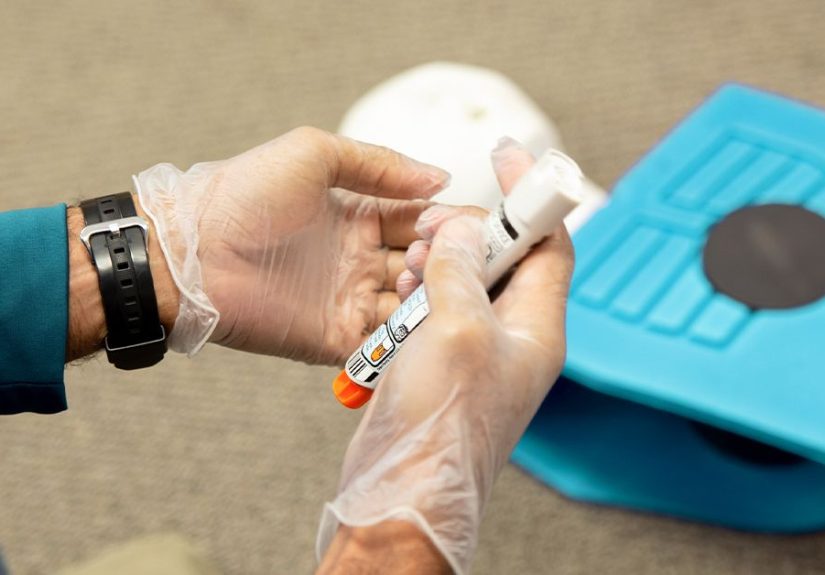
If you have been prescribed an epinephrine auto-injector, use it exactly as instructed and then get emergency care. An auto-injector is not a “maybe I will just wait and see” tool. It is a “use it and go” tool.
For hereditary angioedema or ACE inhibitor-related angioedema
This is the category where many people get tripped up. Standard allergy medicines may not do much here. Hereditary angioedema can require targeted treatment such as C1 inhibitor therapy or other specialized medications. For eligible patients, newer on-demand options are also available, including an oral treatment approved in the United States for acute hereditary angioedema attacks.
ACE inhibitor-related angioedema also tends to behave differently. The key move is removing the offending medication under medical supervision and making sure the airway stays safe.
Bottom line: If your swelling does not itch, shows up without hives, keeps recurring, involves belly pain, runs in the family, or does not improve with standard allergy treatment, it is time to talk with an allergist or immunologist about whether you are dealing with a non-histamine form of angioedema.
3. Calm the Swollen Area and Avoid Things That Make It Worse
Medication may do the heavy lifting, but supportive care can make a real difference in comfort while the swelling settles down.
Use cool compresses
A cool compress can help soothe discomfort and take the edge off swelling, especially around the lips, cheeks, eyes, or hands. Think cool, not ice-burn challenge. Wrap an ice pack or cold cloth in fabric and apply it gently for short stretches.
Take a cool shower if heat seems to worsen symptoms
Some people notice that warm environments, hot showers, or sweating make hives and swelling act more dramatic. A cooler shower may help settle things down.
Wear loose, non-irritating clothing
If pressure or friction tends to trigger symptoms, trade tight waistbands, scratchy fabrics, and anything that feels like it is trying to win a wrestling match with your skin.
Avoid known symptom amplifiers
Depending on your pattern, that may include NSAIDs such as ibuprofen, alcohol, heat, or pressure on the affected area. Some people with chronic hives and angioedema find that these do not cause the problem by themselves, but they can make a bad day worse.
Rest and hydrate
While water is not a magical anti-swelling potion, dehydration and physical stress can make recovery feel harder. Resting, sipping fluids, and keeping the body calm is a good supporting strategy while treatment takes effect.
Small but useful reminder: creams and ointments do not do much for deeper swelling. They may help surface itch from hives, but they are not great at reaching the deeper tissue where angioedema lives.
4. Create a Prevention Plan if the Swelling Keeps Coming Back
If you have had more than one episode, the goal is no longer just reducing today’s swelling. It is preventing tomorrow’s encore.
Track your patterns
Keep notes on:
- What you ate before symptoms started
- Any new medications or supplements
- Whether hives were present
- How long the swelling lasted
- Whether stress, heat, exercise, or pressure seemed involved
- Any stomach pain, vomiting, or family history of swelling episodes
That information can help your doctor tell the difference between allergy-related swelling, chronic spontaneous hives with angioedema, medication-induced angioedema, and hereditary angioedema.
See the right specialist
If swelling is recurrent, unexplained, or severe, an allergist or immunologist can help sort out the cause. This is especially important if your symptoms happen without hives or if your episodes involve your abdomen, throat, or a family history of similar attacks.
Carry emergency medication if you need it
People with a history of severe allergic reactions may need an epinephrine auto-injector and an emergency action plan. Knowing when and how to use it can be as important as having it.
Discuss long-term treatment if needed
For chronic histamine-related swelling, a clinician may recommend a daily non-drowsy antihistamine plan and, in tougher cases, treatments such as omalizumab. For hereditary angioedema, patients may need both on-demand rescue treatment and preventive therapy depending on how often attacks occur and how severe they are.
Example: A person with repeated swelling after dental work, plus episodes of severe stomach pain and a relative with similar symptoms, should be evaluated for hereditary angioedema rather than assuming every flare is a random allergy.
When Angioedema Is an Emergency
Some swelling is uncomfortable. Some swelling is dangerous. Learn the difference.
Get emergency help right away if you have:
- Swelling of the tongue, throat, or inside the mouth
- Trouble breathing, wheezing, or noisy breathing
- Difficulty swallowing or a tight feeling in the throat
- Fainting, severe dizziness, or sudden weakness
- Severe vomiting or diarrhea with swelling
- Rapidly worsening symptoms after a food, medication, or insect sting
Do not try to “sleep it off” if airway symptoms are involved. The throat is not an area where optimism should take the wheel.
Common Mistakes People Make When Trying to Reduce Angioedema Swelling
- Assuming all swelling is an allergy. Some cases are not histamine-driven at all.
- Relying only on topical creams. Angioedema usually sits too deep under the skin for that to be enough.
- Ignoring medication causes. Blood pressure medicine can be a hidden culprit.
- Waiting too long with throat symptoms. Airway swelling is never a casual situation.
- Skipping follow-up after repeat episodes. Recurrent swelling deserves an explanation.
Final Thoughts
The best ways to reduce angioedema swelling are not flashy, but they work: remove the trigger, use the right medication for the type of swelling, calm the irritated area, and build a prevention plan if episodes keep coming back. The real trick is knowing that angioedema is not one-size-fits-all. Histamine-related swelling often responds well to antihistamines and standard allergy care. Hereditary angioedema and ACE inhibitor-related angioedema are different stories and need different tools.
If your swelling is mild and clearly linked to a known, previously discussed trigger, supportive care may help while symptoms settle. But if swelling is severe, recurrent, mysterious, or anywhere near your throat, the smart move is medical evaluation. Puffy lips may be annoying. A swollen airway is a hard no.
Real-Life Experiences With Angioedema Swelling: What People Often Go Through
Angioedema is not just a textbook problem. It can be a real-life interruption machine. For some people, the first episode happens out of nowhere: they wake up, look in the mirror, and find that one eyelid has ballooned overnight. For others, it starts after lunch, after a new medicine, or after what seemed like a perfectly normal day. That unpredictability is one reason the condition feels so unsettling. When swelling changes your face in an hour, it is hard not to assume the worst.
One common experience is confusion. A person may think they have a dental issue because their lip is swelling, or believe they got bitten by something because one hand suddenly looks puffier than the other. If hives are present, the connection to an allergic reaction is easier to spot. But when there are no hives, people often spend time wondering whether it is stress, lack of sleep, sinus trouble, or something they ate three days ago. That uncertainty can make an already uncomfortable episode feel even more intense.
Another very real part of angioedema is the social side. Facial swelling is hard to hide. People cancel work meetings, skip school, avoid photos, or turn off their camera during calls because they do not want to explain why their upper lip suddenly looks like it lost a fight with a bee. Even when the swelling is not dangerous, it can still feel embarrassing and disruptive. Many people describe a strange combination of physical discomfort and self-consciousness, especially when the swelling affects the eyes or mouth.
For people with recurring episodes, frustration builds fast. They may keep a mental list of suspects: shrimp, ibuprofen, heat, stress, a skin-care product, a blood pressure pill, or that one meal they can never quite identify again. Some become extra cautious and start avoiding a lot of things “just in case,” which can shrink daily life more than anyone wants. That is why getting a real diagnosis matters. It is much easier to manage swelling when the enemy has a name.
People with hereditary angioedema often describe a different journey. Their attacks may not come with itching or hives, and they may deal with severe abdominal pain, swelling after dental procedures, or a family history that only makes sense in hindsight. Some spend years being told it is stress, food intolerance, or random bad luck before the pattern becomes clear. Once the diagnosis is made, many say the biggest relief is not just better treatment. It is finally understanding what has been happening to their body all along.
The encouraging part is that many people get much better control once they know their triggers and treatment plan. They learn what early swelling feels like, what medication helps, what situations deserve emergency care, and what habits reduce flare-ups. In other words, the experience often shifts from chaos to strategy. And that is a big upgrade.