Table of Contents >> Show >> Hide
- How to Choose Crown Molding That Actually Fits Your Space
- 40 Crown Molding Design Ideas to Try
- 1. Classic White Colonial Crown
- 2. Straight-Edge Craftsman Crown
- 3. Slim Crown for Low Ceilings
- 4. Oversized Crown in a Grand Foyer
- 5. Multi-Piece “Built-Up” Crown
- 6. Monochromatic Crown, Walls, and Ceiling
- 7. Two-Tone Crown with Contrasting Walls
- 8. Stained Wood Crown for Warmth
- 9. Crown That Matches the Wainscoting
- 10. Simple Flat-Stock Crown
- 11. Modern Stepped Crown
- 12. Cove-Only Crown for Subtle Shadow Lines
- 13. Ceiling Beams with Crown Transitions
- 14. Tray Ceiling Wrapped in Crown
- 15. Coffered Ceiling with Crown Details
- 16. Crown with Integrated LED Cove Lighting
- 17. Crown Around Kitchen Ceilings
- 18. Cabinets to the Ceiling, No Cabinet Crown
- 19. Bathroom Crown for Spa Vibes
- 20. Bold Black Crown for Drama
- 21. Crown in a Soft Accent Color
- 22. Detailed Dentil Crown
- 23. Picture-Rail and Crown Combo
- 24. Crown That Frames Built-In Bookcases
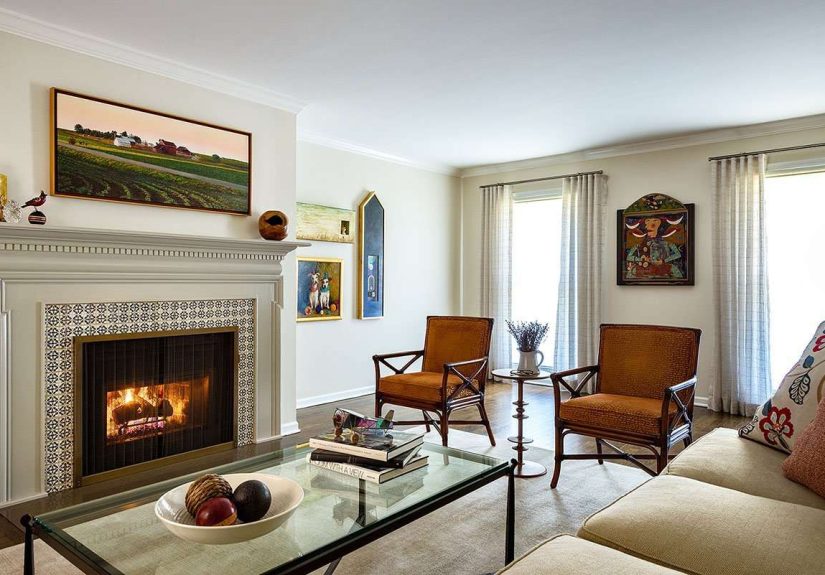
- 25. Fireplace Wall with Emphasized Crown
- 26. Crown as a Room Divider
- 27. Crown Highlighting Color-Blocked Walls
- 28. Hallway Crown for a Finished Look
- 29. Crown Around Windows and Door Headers
- 30. Shiplap or Beadboard with Crown
- 31. Modern Farmhouse Crown
- 32. Mid-Century Inspired Crown (or Lack of It)
- 33. Flexible Crown for Curved Walls
- 34. Foam Crown for Easy DIY
- 35. Crown That Hides Imperfections
- 36. Crown to Conceal Wiring
- 37. Crown in Kids’ Rooms with Playful Color
- 38. Painted Ceiling Band with Minimal Crown
- 39. Crown with Coordinating Baseboards
- 40. Minimal Crown for Ultra-Modern Spaces
- Real-Life Experiences and Tips with Crown Molding
Crown molding is one of those small details that quietly does the heavy lifting in a room.
It hides imperfect corners, makes ceilings seem taller, and instantly upgrades “basic builder grade”
into “did you hire a designer?” The best part: you can customize crown molding design ideas for
every style, from traditional to ultra-modern.
Whether you’re staring at a blank ceiling line or wondering how to make your existing trim feel
fresher, these 40 crown molding ideas will help you choose the right style, size, and color for
every room in your home.
How to Choose Crown Molding That Actually Fits Your Space
Before you fall in love with a photo on Pinterest, it helps to understand a few basics of crown molding:
style, scale, and color. Most crown falls into two big families: curvy colonial or traditional profiles
with lots of swoops, and straight-edged contemporary or Craftsman profiles with clean lines. Matching
the molding style to your home’s architecture keeps things looking intentional instead of random.
Think About Scale and Ceiling Height
Crown molding has to be in proportion to your room. In an average 8-foot room, a modest profile in the
3–5 inch range usually looks best, while 9–10 foot ceilings can handle a taller, more dramatic molding.
Very tall ceilings or grand foyers may use multi-piece crowns or full cornice-style treatments.
Oversizing the crown in a small room can make the ceilings feel lower instead of taller, so when in doubt,
go slightly smaller and simpler.
Match the “Family” of Your Trim
Your crown doesn’t have to be identical to your baseboards and casings, but it should feel like they all
came from the same family reunion. If your baseboards are sleek and square, a highly ornate Victorian crown
will feel out of place. If you have detailed, traditional baseboards, a super-minimal flat crown might look
unfinished. Aim for similar levels of detail, curves, and edges throughout the room for a cohesive look.
Don’t Be Afraid of Color
White crown molding is classic for a reason: it brightens the ceiling line and works with almost any paint
color. But you can also paint crown molding the same color as the walls for a softer, cocoon-like look,
or choose a contrasting color to frame the room with drama. Stained wood crown can warm up traditional and
rustic spaces. The trick is to tie the crown color to some other element in the room, like the doors,
wainscoting, or cabinetry.
40 Crown Molding Design Ideas to Try
1. Classic White Colonial Crown
A medium-sized, curved colonial profile painted crisp white is the definition of timeless.
It works beautifully in living rooms, dining rooms, and bedrooms with traditional furniture,
paneled doors, and hardwood floors. If you’re nervous about committing to a style, this one
almost never looks wrong.
2. Straight-Edge Craftsman Crown
Prefer clean lines and no frills? Try a straight-edged Craftsman or contemporary profile.
Instead of curves, it uses stepped or angled faces for a subtle shadow line. It’s perfect
for bungalows, modern farmhouses, and mid-century homes where less is more.
3. Slim Crown for Low Ceilings
If your ceilings are 8 feet or less, a delicate crown can still add polish without crowding
the room. Look for profiles under 4 inches with simple curves or a single cove. Painted the
same color as the ceiling, it visually lifts the height instead of chopping the wall in two.
4. Oversized Crown in a Grand Foyer
In rooms with 10-foot-plus ceilings, bigger can be better. An oversized crown, sometimes built
from two or three stacked pieces, frames the ceiling and balances tall windows, staircases,
and chandeliers. This is where a 7–9 inch or even taller entablature-style crown really shines.
5. Multi-Piece “Built-Up” Crown
You don’t have to buy one giant profile to get a dramatic look. Many pros build a custom crown
by layering two or three smaller moldings (like crown, cove, and a flat board). This approach
creates big impact and lets you tweak the proportions to suit your exact ceiling height.
6. Monochromatic Crown, Walls, and Ceiling
For a high-end, cocooning effect, paint the crown, walls, and ceiling the same color.
This works especially well with mid-tone and dark neutrals like greige, smoky blue, or
moody charcoal. The molding still adds depth because it catches the light differently,
but the overall look is sleek and seamless.
7. Two-Tone Crown with Contrasting Walls
Want to highlight the molding itself? Choose a crisp white or cream crown against richly
colored wallsthink deep navy, forest green, or warm terracotta. The contrast draws the
eye upward and creates a picture-frame effect around the room.
8. Stained Wood Crown for Warmth
Stained oak, walnut, or cherry crown molding is right at home in libraries, studies, and
traditional living rooms. Pair it with matching window and door casings for a custom built-in
look. In cabins or rustic spaces, stained crown can tie together beams, floors, and cabinetry.
9. Crown That Matches the Wainscoting
Tie the room together by repeating the same color or finish on your crown and wainscoting
or chair rail. With the walls a different color in between, the trim acts like top and bottom
“bookends,” giving the space a polished, designed feel.
10. Simple Flat-Stock Crown
You can create a charming, modern look using nothing more than flat boards. A horizontal
board a few inches below the ceiling, topped with a slightly projecting cap, creates a
“faux crown” that’s easy for DIYers and fits minimalist and Scandinavian-inspired interiors.
11. Modern Stepped Crown
A stepped profile with several clean horizontal planes feels architectural without being fussy.
It’s a great match for contemporary condos, lofts, and new builds where traditional scrollwork
would look out of place.
12. Cove-Only Crown for Subtle Shadow Lines
Instead of a detailed profile, try a simple cove molding at the wall–ceiling junction.
The gentle curve softens the corner, adding a soft shadow line that looks elegant but not
over-decorated.
13. Ceiling Beams with Crown Transitions
In rooms with decorative beams, crown molding can bridge the gaps between beams and walls.
It helps transition from the chunky wood to the flat ceiling while still showing off the
architecture.
14. Tray Ceiling Wrapped in Crown
Have a tray ceiling in your bedroom or dining room? Line the lower and upper edges with crown
molding. Paint the inner tray a slightly deeper color than the walls for a layered, luxurious look.
15. Coffered Ceiling with Crown Details
For a show-stopping ceiling, pair coffers with crown molding at the perimeter. You can also
add small crown details inside each coffer for extra depth and shadow play. This works especially
well in formal dining rooms and home offices.
16. Crown with Integrated LED Cove Lighting
Use crown to hide LED strip lighting and create a soft glow around the ceiling.
The molding projects slightly away from the wall so light can wash up or down,
giving your room a hotel-lobby vibe without visible fixtures.
17. Crown Around Kitchen Ceilings
In the kitchen, crown molding can unify cabinets, hood, and walls. If your cabinets don’t
reach the ceiling, a simple crown around the room’s perimeter helps everything feel finished
and built-in, especially when the trim color matches the cabinet color.
18. Cabinets to the Ceiling, No Cabinet Crown
For an updated, streamlined kitchen, skip the cabinet crown and run the cabinets straight up
to the ceiling. Then add crown around the room instead. You get a clean modern feel, but the
walls still feel finished and intentional.
19. Bathroom Crown for Spa Vibes
Moisture-resistant crown molding painted the same color as the ceiling instantly upgrades a
bathroom. It frames mirrors and showers, makes tile work feel intentional, and gives even a
basic bath a spa-like finishing touch.
20. Bold Black Crown for Drama
For a moody, boutique-hotel look, paint the crown molding black or a very deep charcoal.
Pair it with white or pale walls for sharp contrast or with deep-colored walls for a rich,
cocooning effect.
21. Crown in a Soft Accent Color
Instead of white, try painting the crown a soft accent color pulled from your rug or artwork:
dusty blue, sage green, or warm greige. It’s more playful than standard white but still subtle
enough to live with every day.
22. Detailed Dentil Crown
Dentil moldingthose little repeated “tooth” blocksadds classic architectural character,
especially in formal dining rooms and historic homes. Keep walls and furnishings simple so
the detail can shine without feeling busy.
23. Picture-Rail and Crown Combo
In older homes, a picture rail sits a few inches below the ceiling. Pair it with crown above
to create a layered traditional look and give yourself an easy way to hang art without
punching holes in plaster.
24. Crown That Frames Built-In Bookcases
Wrap crown across the top of built-in shelves and then continue it around the room.
This visually connects the built-ins to the architecture, creating a custom, high-end look
that feels like it was always part of the house.
25. Fireplace Wall with Emphasized Crown
On a fireplace wall, a slightly taller or more detailed crown can cap off the entire composition.
When the mantle, over-mantle, and crown all align, the fireplace becomes a strong focal point that
anchors the room.
26. Crown as a Room Divider
In open-concept spaces, use subtle changes in crown style or color to define zoneslike switching
to a slightly different profile or painting the crown a different color over the dining area
versus the living area.
27. Crown Highlighting Color-Blocked Walls
If you’re into color-blocked walls or half-painted walls, crown molding becomes the top “frame”
that keeps bold paint choices from looking chaotic. It visually contains the color and helps
things feel finished.
28. Hallway Crown for a Finished Look
A simple crown molding in a hallway instantly makes an otherwise plain pass-through feel like
part of the house’s design story. Keep the profile slim to avoid making narrow halls feel cramped.
29. Crown Around Windows and Door Headers
Use crown-like profiles to create decorative headers over windows and doorways, then tie them
into the room’s crown. This adds height and presence to openings without requiring full wall paneling.
30. Shiplap or Beadboard with Crown
If your walls feature shiplap or beadboard, a simple crown molding at the top acts as a clean
finishing line. It prevents the wall treatment from feeling abrupt and gives farmhouse or coastal
rooms a polished edge.
31. Modern Farmhouse Crown
Combine a slightly chunkier, straight-edged crown with warm whites, wood beams, and black hardware
for that modern farmhouse mix of cozy and clean. Keep the profile simple so it blends with
shaker-style cabinetry and doors.
32. Mid-Century Inspired Crown (or Lack of It)
Many mid-century homes skip crown altogether, relying on crisp drywall corners. If you want
just a hint of detail, choose an ultra-low, flat profile that reads more as a shadow line than
a traditional crown.
33. Flexible Crown for Curved Walls
If your home has turrets, bay windows, or curved walls, flexible crown molding can follow
those curves without gaps. It’s ideal for older homes where the architecture doesn’t always
cooperate with rigid materials.
34. Foam Crown for Easy DIY
Lightweight foam or polyurethane crown is a DIY favorite. It cuts easily with basic tools,
adheres with construction adhesive, and is perfect if you don’t want to wrestle heavy wood
pieces up a ladder.
35. Crown That Hides Imperfections
In older homes with wavy ceilings or slightly out-of-square corners, crown molding can hide
the sins. A slightly flexible material, carefully caulked and painted, makes everything look
straighter and more intentional than the underlying structure really is.
36. Crown to Conceal Wiring
If you’re adding speakers, smart-home gear, or extra lighting, you can tuck wiring behind
hollow crown molding. Access panels or removable sections make future upgrades less painful
than fishing wires through walls.
37. Crown in Kids’ Rooms with Playful Color
In kids’ bedrooms or playrooms, crown molding painted a fun colormint, sky blue, or coraladds
personality without committing to a full-wall mural. When tastes change, it’s much easier to repaint
trim than to redo themed wallpaper.
38. Painted Ceiling Band with Minimal Crown
For a modern twist, paint a “band” of color along the top of the wall and use a thin crown at the
transition. The color band draws the eye up, while the crown keeps the edge crisp and architectural.
39. Crown with Coordinating Baseboards
If you’re renovating, upgrade baseboards and crown together. Matching height, style, and thickness
from floor to ceiling creates a continuous visual rhythm that makes the whole house feel more expensive.
40. Minimal Crown for Ultra-Modern Spaces
Sometimes the best design idea is restraint. In ultra-modern interiors with large windows and bold
architecture, a very small, square-edged crownor none at allkeeps the focus on the lines of the
space, not the trim.
Real-Life Experiences and Tips with Crown Molding
Crown molding looks simple in magazines, but anyone who has actually installed it will tell you there
are some lessons you only learn the hard way. The good news: you can borrow those lessons and skip a
few headaches.
First, most homeowners underestimate the impact of proportion. It’s tempting to choose the prettiest
sample in the store and assume it’ll work everywhere. In reality, the same profile that looks perfect
in a large foyer can overwhelm a small bedroom. A smart approach is to mock up sections with painter’s
tape or cardboard cutouts at the ceiling line. Stand back, look at the room from different angles,
and ask yourself if the molding is enhancing the architecture or shouting over it.
Second, color decisions matter more than you think. People often default to “semi-gloss white” without
considering how that sheen will interact with their lighting. Bright, glossy white crown under strong
recessed lights can highlight every tiny wave and nail hole. A softer, satin finish (and sometimes a
slightly warmed-up white) can hide flaws and feel more sophisticated. If your walls are a deep color,
test a few whites or off-whites next to the wall color before you committhe wrong white can look
harsh or dingy.
DIYers also quickly discover that crown molding is less about brute strength and more about patience
and math. Those angled cuts? They’re really two angles at oncemiter and beveland inside and outside
corners behave differently. That’s why people swear by test pieces. Cut short scraps for each type of
corner and label them. Once you dial in the angles for your particular saw and room (because walls are
rarely perfect), you can repeat them confidently across the space. Coping inside cornerscarving one
piece to fit into the profile of anothertakes practice, but it often gives cleaner, tighter joints
than relying on two mitered ends.
Another common experience: realizing how much caulk and paint can fix. Even professional installers
lean on high-quality caulk to smooth hairline gaps between molding and wall or ceiling. The secret is
using just enough, then smoothing with a damp finger or tool so the bead disappears when painted.
Over-caulked moldings look blobby and can make crisp profiles appear mushy, so less is more.
Homeowners also tend to remember their first big style mismatch. Maybe they added fussy, ornate crown
in a simple 1960s ranch and then wondered why it felt off. The lesson: let your house tell you what it
wants. Look at original details (doors, windows, stairs, exterior trim) and pick crown molding that
feels like a sibling to those elements, not an entirely different family. When the style lines up, even
relatively inexpensive molding can look custom.
Finally, people notice that crown molding has a way of “finishing” a project emotionally as well as
visually. After weeks of construction dust, paint cans, and ladders, that last run of trim around the
ceiling suddenly makes the space feel complete. It’s the interior-design equivalent of putting on a
great pair of shoes with an outfit: technically optional, but once you see the difference, you won’t
want to skip it again.
Whether you’re planning a whole-house trim upgrade or just experimenting in one room, treating crown
molding as part architecture, part art, and part puzzle will help you enjoy both the process and the
result. With the right profile, scale, color, and a bit of patience, your ceilings might become your
favorite view in the house.