Table of Contents >> Show >> Hide
- Why the Right Oyster Knife Matters
- What Separates a Good Oyster Knife from a Bad Idea
- The 5 Favorites
- 1. R. Murphy/Ramelson New Haven Oyster Knife Best Overall Classic
- 2. OXO Good Grips Oyster Knife Best Value for Most Home Cooks
- 3. Victorinox Providence-Style Oyster Knife Best for Precision and Finesse
- 4. Messermeister 6.5-Inch Oyster Knife Best for Beginners Who Want Confidence
- 5. Williams Knife Co. Edisto V2 Best Splurge and Best Gift
- Honorable Mentions Worth Your Attention
- How to Choose the Right Oyster Knife for Your Style
- How to Shuck Oysters Without Turning Dinner Into a Safety Lecture
- Real-World Experience: What Oyster Knives Teach You After the First Dozen
- Final Thoughts
- SEO Tags
There are two kinds of people in the world: people who casually order a dozen oysters and look effortlessly sophisticated, and people who try opening oysters at home and suddenly understand why emergency rooms exist. The difference between those two groups is not bravery. It is usually the right oyster knife.
A good oyster knife is not a tiny sword. It is not a paring knife pretending to be helpful. And it is definitely not a butter knife you grabbed in a moment of misplaced confidence. The best oyster knives are short, sturdy, easy to grip, and designed to pry rather than slice. That matters because oyster shucking is less about brute force and more about leverage, control, and keeping all ten fingers on the payroll.
For this oyster knife roundup, the goal is simple: find five favorites that make sense for real people, real oysters, and real kitchens. Some are classic workhorses. Some are beginner-friendly. One is unapologetically fancy. Together, they cover the range from “I shuck a dozen twice a year” to “I now have opinions about oyster liquor and shell depth.”
Why the Right Oyster Knife Matters
Oyster knives look simple, but their differences are surprisingly important. A slightly sharper point can help you get into a stubborn hinge. A better handle can reduce hand fatigue after a few dozen oysters. A more balanced blade can mean the difference between a clean pop and a shell-splintered mess that looks like you opened dinner with a crowbar.
That is why so many experienced testers and oyster pros focus on the same things: blade shape, grip, safety, and how easily a knife gets into the hinge without mangling the meat. A great oyster knife should make you feel more precise, not more dramatic. Oyster night should end with lemon wedges and hot sauce, not bandages and regret.
What Separates a Good Oyster Knife from a Bad Idea
1. Blade Shape
Not all oyster knives are shaped the same, and that is a good thing. New Haven-style knives usually have a pointed, slightly upturned tip that helps with hinge entry and leverage. Providence-style knives tend to feel nimble and controlled. Boston-style knives are straighter and often preferred by people who want a more direct, no-nonsense motion.
The point is not that one style is universally best. The point is that oyster shape, shell thickness, and your own technique all matter. East Coast oysters, West Coast oysters, tiny Kumamotos, chunky cold-water shells, and large roast-ready oysters do not all behave like identical little clams in fancy jackets.
2. Handle Comfort
If the handle feels slippery, too small, or weirdly shaped, your oyster knife becomes a trust exercise. A good handle should feel secure when wet, because oyster shucking is not exactly a dry, tidy hobby. Soft grips, textured polypropylene, synthetic slip-resistant handles, and ergonomic contours all earn their keep here.
3. Stiffness and Strength
An oyster knife should be sturdy. This is a prying tool, not a chef’s knife. Flex can be useful in some kitchen tasks, but with oysters you usually want a thick, short blade that can stand up to pressure without feeling flimsy or twitchy.
4. Safety
Let us be honest: oysters are delicious little armored vaults. Even with a good knife, use a folded kitchen towel or a cut-resistant glove on your non-shucking hand. Keep the oyster stable, angle the tip carefully, and never shuck straight into your palm like you are auditioning for a cautionary tale. Also, because raw oysters can carry serious foodborne risks, some people should avoid eating them raw entirely. Cooked oysters are still delicious, and they are a lot less likely to ruin your week.
The 5 Favorites
1. R. Murphy/Ramelson New Haven Oyster Knife Best Overall Classic
If oyster knives had a hall of fame, this one would already have a plaque and a small velvet rope around it. The R. Murphy New Haven-style knife keeps showing up in serious testing for a reason: it nails the fundamentals. The upturned tip is excellent for getting into the hinge, the blade feels sturdy, and the overall design is wonderfully old-school without feeling old-fashioned.
What makes it special is the balance between control and leverage. It does not fight you. It gives you that satisfying feeling that the knife understands the assignment. For home cooks, that is huge. You do not need a gadget that looks like it belongs in a sci-fi toolbox. You need something that opens oysters cleanly and predictably.
This is the kind of knife that feels made for people who actually shuck oysters, not just people who pose with seafood on social media. A wooden-handled version has a particularly classic charm, while commercial-grade versions lean harder into rugged practicality. Either way, the New Haven pattern remains one of the smartest designs in the category.
Why it makes the list: It is the rare knife that feels equally appealing to purists, home cooks, and anyone who wants a proven design instead of a novelty.
2. OXO Good Grips Oyster Knife Best Value for Most Home Cooks
There is always one tool in a roundup that quietly says, “Hello, I am here to be sensible and useful.” That is the OXO Good Grips Oyster Knife. It does not try to be artisanal. It does not come with a dramatic origin story. It just shows up with a sturdy stainless-steel blade, a bent tip, and a handle designed for wet hands and repeat use.
That bent tip matters because it helps with hinge entry, especially for home cooks who are still figuring out the motion. The soft, non-slip handle is classic OXO: comfortable, confidence-boosting, and refreshingly unpretentious. In other words, it behaves like a kitchen tool built by people who understand that most of us want less hand strain and fewer opportunities to shout “ow.”
This is an easy recommendation for casual oyster fans, holiday hosts, and anyone who wants a dependable shucker without spending luxury-knife money. It is also one of the strongest picks for households where the oyster knife needs to be intuitive enough that a second person can use it without a 15-minute seminar.
Why it makes the list: Good grip, good price, good performance. Sometimes the obvious choice is obvious because it is correct.
3. Victorinox Providence-Style Oyster Knife Best for Precision and Finesse
Victorinox has a talent for making tools that feel like they were designed by extremely practical people who drink coffee from stainless mugs and never lose arguments with onions. Its Providence-style oyster knife is compact, grippy, and excellent when you want precise control.
The Providence profile is especially appealing if you like working smaller oysters or want a knife that feels agile rather than bulky. The handle is typically slip-resistant and secure, which is exactly what you want when shells are wet, hands are cold, and you are trying to preserve every drop of oyster liquor like it is coastal gold.
This knife is not flashy, but that is part of its charm. It is the seafood equivalent of a reliable rain jacket: not glamorous, wildly useful, and the sort of thing you are grateful to own once conditions get real. For people who care about finesse and shell-to-meat preservation, Victorinox brings a lot to the table.
Why it makes the list: It gives precise control without feeling delicate, which is exactly the sweet spot for careful shucking.
4. Messermeister 6.5-Inch Oyster Knife Best for Beginners Who Want Confidence
Beginners often think they need the smallest, simplest knife possible. Sometimes what they actually need is a design that improves grip and leverage. That is where the Messermeister 6.5-inch oyster knife stands out. It has a distinctive ergonomic design, a one-piece stainless build, and a handle shape that helps many users feel more stable during the twist-and-pop moment.
This knife has earned attention for being especially approachable for newer shuckers. It feels modern, purposeful, and very aware that oyster shucking can be intimidating when you are staring down your first stubborn shell. The thumb-oriented grip design gives you more control, which helps reduce that panicky “I am either doing this wrong or inventing a new wrist exercise” feeling.
It is not the cheapest knife in the drawer, but it is a strong case study in how smart ergonomics can matter just as much as blade shape. If you want a knife that feels like training wheels in the best possible way, this is a compelling choice.
Why it makes the list: It makes beginners feel steadier, safer, and less likely to swear at shellfish.
5. Williams Knife Co. Edisto V2 Best Splurge and Best Gift
Now we arrive at the knife for the person who says things like, “I appreciate craftsmanship,” and actually means it. The Williams Knife Co. Edisto V2 is the luxury pick in this roundup. It is beautifully made, thoughtfully designed, and the kind of oyster knife that turns a practical tool into a conversation piece.
But this is not just pretty hardware. The short blade, premium materials, and carefully engineered shape are meant for real shucking performance. It is designed to slide into the hinge cleanly and pry with confidence. The handle materials and overall fit-and-finish make it feel more refined than your typical raw-bar workhorse.
Is it more knife than the average occasional shucker needs? Absolutely. Is it a fantastic gift for an oyster obsessive, seafood host, or person who owns very nice coolers and calls them “gear”? Also absolutely. Some tools are about pure utility. Others are about utility plus pleasure. The Edisto V2 is firmly in the second camp.
Why it makes the list: It proves that an oyster knife can be both highly functional and genuinely beautiful.
Honorable Mentions Worth Your Attention
A few knives just missed the top five. Dexter-Russell’s New Haven pattern remains a tough, dependable workhorse with a slip-resistant handle that makes a lot of sense for frequent use. Mercer Culinary’s Boston-style knife is practical, affordable, and especially appealing for people who like a straighter blade profile. Toadfish deserves a nod too, particularly for shoppers who want a beginner-friendly bundle rather than just a knife tossed in a drawer next to mystery takeout chopsticks.
These are not consolation prizes. They are good tools. They just land slightly differently depending on whether you want classic leverage, a softer handle, a straighter blade, or a more complete starter setup.
How to Choose the Right Oyster Knife for Your Style
If you shuck only a few times a year
Go with comfort and value. The OXO is an easy pick because it is user-friendly and forgiving.
If you want the classic oyster-bar feel
Choose a New Haven-style knife like the R. Murphy or Dexter-Russell. These feel traditional for good reason.
If you care about precision
The Victorinox Providence-style knife is a strong match for cleaner, more controlled shucking.
If you are nervous about technique
Messermeister offers a confidence-building ergonomic design that many newer shuckers appreciate.
If you want the nicest thing in the room that is still useful
The Edisto V2 is your move. It is a serious tool with serious gift appeal.
How to Shuck Oysters Without Turning Dinner Into a Safety Lecture
- Use a folded kitchen towel or cut-resistant glove on your non-dominant hand.
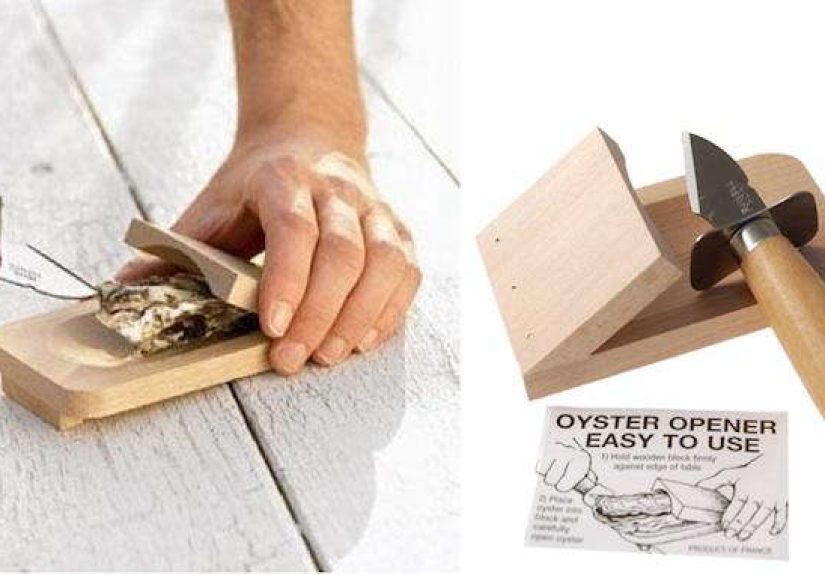
- Hold the oyster cup-side down so the deeper shell catches the liquor.
- Work the tip into the hinge with pressure and patience, not dramatic force.
- Twist to pop the shell open, then slide the blade under the top shell to sever the muscle.
- Run the knife beneath the oyster to release it cleanly.
- Brush away shell fragments and serve immediately over ice.
Also, buy oysters from reputable sources, keep them cold, and take raw shellfish seriously. They are not snacks to freestyle with. If your guests include anyone with certain health conditions or weakened immune systems, cooked oysters are the smarter play.
Real-World Experience: What Oyster Knives Teach You After the First Dozen
The first thing you learn when you actually spend time with oyster knives is that reviews on paper only tell part of the story. A knife can sound perfect online, but once you are standing at the counter with a towel, a tray of icy shells, and a very judgmental-looking lemon, the details become personal. The handle that felt “fine” in a product description suddenly feels too slick. The blade that looked strong in a photo suddenly feels clumsy on a tight hinge. And the knife you almost dismissed as boring becomes the one you keep reaching for because it just works.
That is why the best oyster knife often depends on the kind of evening you are having. If you are opening six oysters for a date-night appetizer, a refined knife like the Edisto V2 adds a little ceremony. It feels deliberate, almost ritualistic. If you are opening three dozen for friends who are already hovering near the platter with hot sauce, elegance becomes less important than comfort and efficiency. In those moments, the OXO or a dependable New Haven-style knife starts looking like a hero in sensible shoes.
Another thing you notice quickly is that oyster size changes everything. Small oysters reward finesse. Large, deeply cupped shells can demand more leverage and a slightly different angle. Some knives feel excellent with tiny oysters and merely decent with larger ones. Others are built like compact pry bars and make quick work of sturdier shells, but feel less delicate when you are trying to keep the oyster meat perfectly intact. There is no shame in adjusting your favorite depending on the shell in front of you. In fact, that is what smart shuckers do.
Grip fatigue is real too. It sounds minor until you are halfway through a pile of oysters and your hand starts sending passive-aggressive messages to your brain. Ergonomics matter more with every shell. A handle that supports your thumb, resists slipping, and reduces strain turns a chore into something almost meditative. A bad handle turns it into a forearm workout you never asked for.
Then there is the confidence factor, which may be the most underrated part of all. Some knives make you calmer. They help you slow down, place the tip carefully, twist with control, and preserve the oyster instead of attacking it like buried treasure. That feeling is worth a lot. It is the difference between “I hope this works” and “I know how this is going to open.”
In the end, the best oyster knife is not always the most expensive or the most famous. It is the one that fits your hand, suits your oysters, and makes you want to shuck another dozen instead of ordering takeout. That is the real test. If a knife makes the process smoother, safer, and a little more fun, it has done its job. Bonus points if it also makes you look like you know what you are doing.
Final Thoughts
A great oyster knife does not need to be flashy. It needs to be trustworthy. The best ones combine leverage, grip, and control in a way that helps you open oysters cleanly and confidently. For most people, the R. Murphy New Haven and OXO Good Grips are the strongest all-around choices. Victorinox is excellent for finesse, Messermeister is ideal for confidence-building ergonomics, and the Williams Edisto V2 is the standout splurge.
If you love oysters, investing in the right knife is one of those rare kitchen upgrades that pays off immediately. Better shucking means cleaner oysters, less frustration, and a much lower chance of accidentally turning your appetizer into a personal growth experience.