Table of Contents >> Show >> Hide
- Why a Thrift Store Sweater Works So Well for Winter Décor
- Before You Start: How to Choose the Right Sweater
- The Cutting Plan for One Sweater
- Item #1: A Cozy Sweater Pillow Cover
- Item #2: A Slim Sweater Draft Stopper
- Item #3: Candle and Vase Cozies
- Item #4: A Mini Sweater Wreath or Garland
- Item #5: Sweater Sachets or Soft Coasters
- How to Style All Five Items So They Look Cohesive
- Why This Kind of Decorating Is Worth It
- A Real-World Winter Crafting Experience: What It Feels Like to Make All 5 Items From One Sweater
- Conclusion
There are two kinds of people in winter: the ones who light a candle, fluff a pillow, and pretend they live in a snow-globe catalog, and the ones who look at an old thrift store sweater and think, “You, my fuzzy friend, are about to become home décor.” This article is for the second group. Or the first group, too, honestly. There is no reason you cannot be both cozy and slightly feral with a pair of fabric scissors.
If you love budget decorating, sustainable crafting, and the unmatched thrill of turning a $4 thrifted sweater into something that looks suspiciously expensive, you are in exactly the right place. The beauty of sweater upcycling is that it checks every winter box at once: soft texture, warm visual appeal, practical use, low cost, and enough handmade charm to make your home feel personal instead of copied from a showroom.
In this guide, we are making five winter home items from one thrift store sweater. Not five items from one shopping trip. Not five items from one overflowing craft room. One sweater. Uno sweatero. A single knit hero. With a smart cutting plan and a little creativity, that lone thrifted find can become pillows, warm wraps, accents, and little seasonal touches that make a room feel layered and inviting.
Why a Thrift Store Sweater Works So Well for Winter Décor
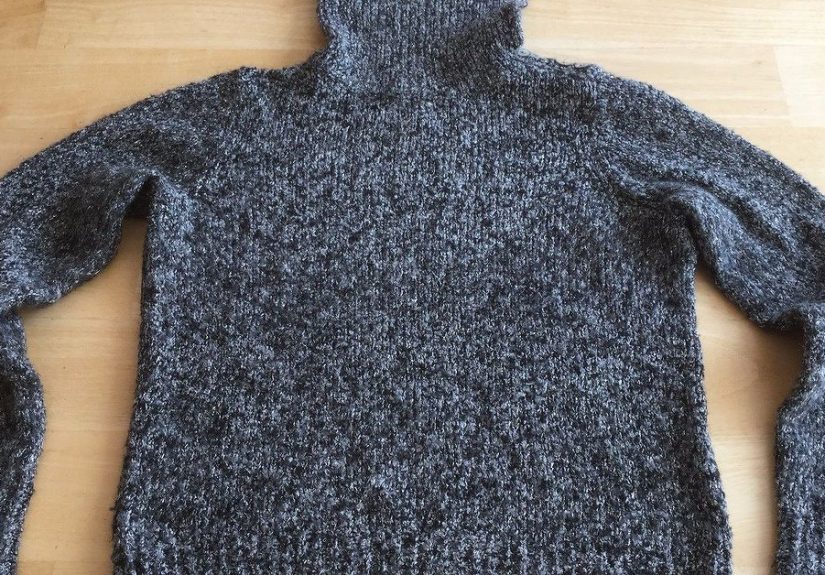
A thrifted sweater already brings the exact texture winter homes need: softness, dimension, and that “please hand me tea and a blanket” energy. Cable knits, ribbed hems, nubby wool, chunky cotton blends, and even oversized acrylic sweaters can all be repurposed into useful decorative pieces. In winter decorating, texture matters almost as much as color. You can have a neutral room, but once you add knit fabric, soft lighting, and a few handmade accents, it starts feeling warm instead of flat.
The other advantage is flexibility. The body of the sweater gives you larger panels for covers and wraps. The sleeves become narrow pieces perfect for elongated projects. The cuffs and hem already have finished edges, which is basically the crafting equivalent of finding money in an old coat pocket. If the sweater is 100% wool, you may even be able to felt it by washing and drying it so the knit becomes denser, sturdier, and easier to cut without excessive stretching.
Before You Start: How to Choose the Right Sweater
Look for size, texture, and condition
An oversized sweater gives you the most material, which is ideal if your goal is to squeeze out five projects instead of three and a shrug. Chunky texture also reads especially well in winter interiors. Look for cream, gray, oatmeal, forest green, burgundy, navy, camel, or classic winter white if you want a timeless look. Plaids and Fair Isle patterns can also be fun if your style leans cottage, cabin, or holiday cozy.
Check for stains, thinning fabric, and moth damage before you buy. Tiny holes are not always deal-breakers because small damaged sections can be cut around or used for smaller accents, but you do want the bulk of the fabric to be solid. Wash the sweater before cutting it, and if it is wool and you want a sturdier finish, try felting it first. Just remember: not every fiber behaves the same way, so always test your expectations before you commit to turning Grandma’s cardigan into a draft stopper.
The Cutting Plan for One Sweater
Here is the smartest way to divide one thrift store sweater so it becomes five winter home items:
- Front and back body panels: one small pillow cover
- Both sleeves: one slim draft stopper or table accent
- Cuffs and lower hem: candle or vase cozies
- Neckline and patterned scraps: mini wreath or garland shapes
- Leftover scraps: sachets or coasters
That is the secret: do not start cutting randomly like a raccoon with a craft blog. Assign every section a job first.
Item #1: A Cozy Sweater Pillow Cover
If you only make one thing from an old sweater, make a pillow cover. It is the fastest way to add winter texture to a sofa, bench, bed, or reading chair. Better still, it looks custom even when it is wonderfully simple.
How to make it
Use the front and back torso panels of the sweater for the pillow cover. A small insert, around 12×16 or 14×14 inches depending on sweater size, usually works best if you want to get five projects from one garment. Cut two panels slightly larger than the insert, place right sides together, sew around three sides and most of the fourth, then turn it right side out and insert the pillow. You can hand stitch the opening closed, add buttons, or create an envelope back if you are comfortable piecing the fabric.
Why it works in winter
Knit pillows instantly soften a room. They pair beautifully with flannel throws, velvet accents, wood furniture, and warm metallics. If your sweater has cable knit or a patterned front, even better. That texture becomes the star. Put it on an entry bench, in a bedroom nook, or on a living room chair and the room suddenly looks like it has a winter personality instead of just central heating.
Styling tip: Pair one sweater pillow with smoother materials like leather, linen, or cotton so the space feels layered rather than overly fuzzy. Your couch should whisper “cozy retreat,” not “escaped yarn store.”
Item #2: A Slim Sweater Draft Stopper
This is where the sleeves earn their keep. Two sweater sleeves can become a practical draft stopper for the base of a door or a chilly window ledge. It is useful, attractive, and deeply satisfying because it says, “Yes, I do decorate, but I also respect my heating bill.”
How to make it
Cut the sleeves open if needed and sew them together end to end to create one long tube. Or keep one sleeve intact for a shorter draft stopper if you are using it on a small window. Fill it with polyfill, fabric scraps, rice in sealed inner pouches, or even the tiniest leftover sweater bits. Sew the ends shut securely.
Why it works in winter
Winter decorating should never be only decorative. The best homes in cold weather feel beautiful because they also feel comfortable. A draft stopper adds visual softness and practical warmth at the same time. Place one at the bottom of a back door, in a mudroom, near a drafty hallway, or along a windowsill. Choose a sweater with ribbed sleeves and it will look intentionally designed, not improvised at 10 p.m. while muttering about cold ankles.
Item #3: Candle and Vase Cozies
Now we move to the cuffs and lower hem, which are tailor-made for quick, charming projects. Sweater candle cozies and vase wraps are tiny details, but winter homes thrive on tiny details. They are the little wink that says somebody here knows how to style a shelf.
How to make them
Cut the cuff from a sleeve or a band from the bottom hem. Slip it over a glass vase, jar, or candle holder. You can secure it with a few discreet stitches or a dab of fabric glue if needed. Keep the knit snug but not stretched to death. For vases, shorter wraps look tidy and modern. For candle holders, use fabric only around containers designed to hold battery-operated candles or safely away from open flame.
Where to use them
Style them on a mantel, shelf, side table, or bathroom tray. Add winter greenery, bare branches, eucalyptus, or faux stems for a seasonal look. On a coffee table, a sweater-wrapped vase beside a stack of books and a bowl of clementines looks effortlessly inviting. On a bedside table, a knit-covered jar with fairy lights feels soft and wintery without trying too hard.
Safety note: fabric and open flames are a terrible romance. Use battery-operated candles, or keep the knit wrap well below the heat source.
Item #4: A Mini Sweater Wreath or Garland
The neckline, patterned sections, and decorative scraps are perfect for a mini wreath or small winter garland. This is the piece that adds playful personality. It can lean rustic, Scandinavian, cottagecore, or classic holiday, depending on your color palette and shape choices.
How to make it
Cut strips from the remaining sweater fabric and wrap them around a small wreath form, embroidery hoop, or even a sturdy cardboard ring. Add twine, a velvet ribbon, dried orange slices, faux berries, pine sprigs, or wooden beads if you want more detail. If you prefer a garland, cut simple shapes from the felted or stabilized sweater fabric: stars, hearts, mittens, trees, or circles. Stitch or glue them to twine.
Why it works in winter
Winter decorating often looks best when it includes organic materials and soft texture. A sweater wreath combines both ideas beautifully. It feels handmade, approachable, and warm. Hang it on a pantry door, over a bed, in an entryway, or on a cabinet knob cluster. Tiny garlands also work well on a mantel, bookshelf, peg rail, or breakfast nook.
The best part? Even if it is not perfectly symmetrical, it still reads as charming. Winter crafts are very forgiving. People see knit texture and greenery and immediately think, “Aw, cozy.” Nobody is standing there with a ruler.
Item #5: Sweater Sachets or Soft Coasters
Do not waste the scraps. The tiniest remaining pieces can become lavender sachets, cedar sachets for drawers, or soft decorative coasters for mugs on side tables. These small accessories are the quiet overachievers of the whole project.
How to make them
Cut small squares, circles, or hearts from the leftover fabric. Sew two matching pieces together, leaving a small opening. Fill them with dried lavender, cedar shavings, or stuffing, then stitch closed. For coasters, use two layers for more thickness and topstitch around the edge. If your sweater felts well, it becomes even better for coaster-style pieces because the fabric is denser and less likely to unravel.
Where to use them
Sachets are lovely in dresser drawers, linen closets, guest rooms, and entry baskets full of scarves and gloves. Coasters belong anywhere winter beverages gather: coffee tables, nightstands, desks, and reading corners. These are small things, but they make a home feel thoughtful. Guests may not always notice them consciously, yet they contribute to that lovely overall impression that your home is calm, warm, and pulled together.
How to Style All Five Items So They Look Cohesive
The trick to making upcycled décor look elevated is repetition. If one sweater becomes five home items, they will already share color and texture, which helps tremendously. Spread them throughout the room rather than clustering everything in one spot. Put the pillow on a chair, the candle cozy on a shelf, the wreath near the entry, the draft stopper by the door, and the sachets in a basket or bedroom drawer. That gives your home a subtle thread of continuity instead of one concentrated “behold, I crafted” corner.
You can also build around the sweater’s color story. Cream and oatmeal pair well with wood, brass, greenery, and black accents. Gray looks chic with white ceramics and soft blue or charcoal. Red, forest green, and burgundy feel festive and traditional. A navy or camel sweater can lean more tailored and refined. However you style it, let the knit pieces support the room instead of fighting for attention.
Why This Kind of Decorating Is Worth It
There is something satisfying about winter decorating that does not require a giant store haul or a suspiciously expensive “artisan” pillow that is somehow both handmade and mass produced by the thousands. Upcycling a thrift store sweater makes your home feel more personal. It saves money, keeps textiles in use, and gives you décor with an actual story behind it.
It also shifts the mood of decorating from consumption to creativity. Instead of asking, “What should I buy?” you start asking, “What can I make from what I already have?” That mindset tends to produce rooms that feel warmer, more lived-in, and more memorable. And during winter, memorable beats flashy every time.
A Real-World Winter Crafting Experience: What It Feels Like to Make All 5 Items From One Sweater
In real life, a project like this feels less like a formal DIY tutorial and more like a cozy little winter event. You start with a thrifted sweater that looks mildly promising on the hanger and slightly absurd in your tote bag. Maybe it is too large, too dated, or aggressively cable-knit in a way that would never work on your body but looks fantastic on a pillow. That is the first lesson: thrift success is often about seeing material, not clothing.
Once you bring the sweater home, wash it, and spread it out on a table, the whole thing starts to click. The body panel suddenly looks like a pillow front. The sleeves are basically begging to become something long and practical. The cuffs seem custom-made for jars and vases. Even the scraps stop looking like leftovers and start looking like little opportunities. That is one of the most enjoyable parts of sweater upcycling: the project keeps rewarding you as you go. Every cut reveals another possibility.
The mood of the experience matters, too. This is the kind of winter craft that fits beautifully into a slow afternoon. Tea nearby. Good playlist on. Slight temptation to sit down every seven minutes and “test” the pillow for comfort. If you make the five items in one session, the process feels delightfully efficient. You are not creating random clutter. You are building a tiny collection. By the time you finish, it feels like the room has been restyled rather than merely decorated.
There is also a very specific joy in placing each finished item around the house. The pillow makes the chair look more inviting. The draft stopper quietly improves your day every time cold air does not slap your ankles. The little vase wrap or candle cozy makes a shelf feel intentional. The wreath or garland adds a cheerful handmade note. And the sachets or coasters are those bonus details that make you think, “Okay, that sweater really gave us everything it had.” It is practically the heroic lead in a holiday movie.
Most importantly, projects like this change the way you look at decorating. You start noticing texture more. You become less intimidated by making things yourself. You realize a polished winter home is not about perfection; it is about warmth, repetition, comfort, and details that feel personal. That is why this one-sweater challenge is so effective. It is affordable, creative, and surprisingly stylish. It teaches restraint, resourcefulness, and the art of making a home feel layered without filling it with stuff. And honestly, in a season built around comfort, that feels exactly right.
Conclusion
One thrift store sweater can absolutely become five winter home items if you cut with intention and style with restraint. A pillow cover brings softness, a draft stopper adds function, candle and vase cozies create texture, a wreath or garland adds personality, and scraps become useful finishing details. The result is a home that feels warmer, more original, and more thoughtful without requiring a big budget. In other words, your winter décor can be cozy, clever, and just a little smug about how little it cost.