Table of Contents >> Show >> Hide
- 1. Trade Heavy Drapes for Light-Filtering Window Treatments
- 2. Clean Your Windows Like Daylight Depends on It
- 3. Use Mirrors to Bounce Light Deeper Into the Room
- 4. Choose Light Paint Colors and the Right Finish
- 5. Rearrange Furniture So Your Windows Can Do Their Job
- 6. Trim What Is Blocking the Light Outside
- 7. Borrow Light With Glass Doors, Interior Windows, and Open Sightlines
- 8. Upgrade the Window, Not Just the Decor
- 9. Add Daylight From Above With Skylights or Sun Tunnels
- Final Thoughts: Natural Light Is a Design Strategy, Not Just a Lucky Feature
- Real-Life Experience: What Actually Happens When You Try These Ideas
Winter has a special talent for making perfectly decent rooms feel like caves with throw pillows. The sun shows up late, leaves early, and somehow manages to hide behind clouds right when you need a little cheer. The good news is that you do not need to knock down walls, buy a glass mansion, or start living exclusively in your kitchen because it has the “good window.” With a few smart design moves, you can make your home feel brighter, warmer, and much more alive during the darkest months of the year.
If you want more natural light in your home, the real secret is not always adding light. Often, it is about helping the daylight you already get travel farther, bounce better, and stop crashing into heavy curtains, dark paint, bulky furniture, or overgrown shrubs. From clever mirror placement to strategic paint choices and window upgrades that actually make sense in winter, these ideas can help any room feel less gloomy and more welcoming.
Here are nine genius ways to brighten your home naturally, even when winter is doing its dramatic, overcast thing.
1. Trade Heavy Drapes for Light-Filtering Window Treatments
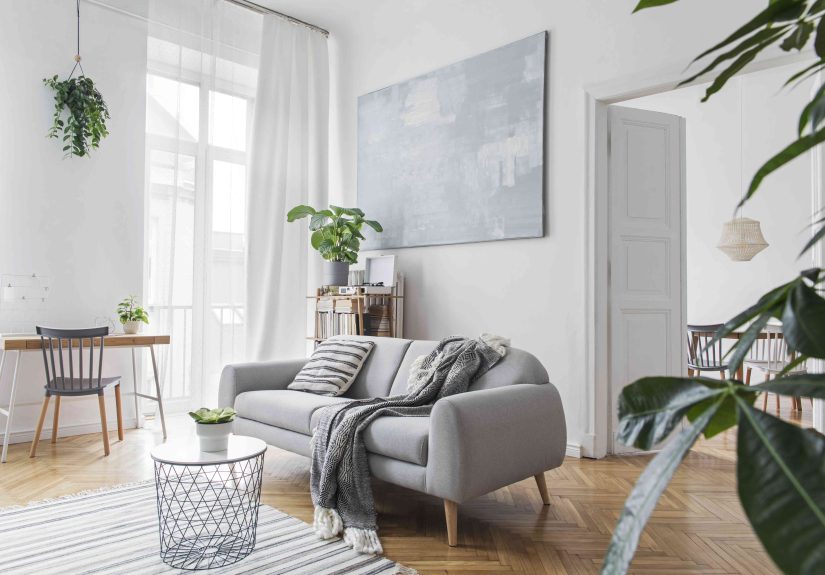
One of the fastest ways to get more natural light indoors is to stop strangling your windows with thick, dark curtains. Heavy drapes can make a room feel cozy at night, but during the day they often block precious winter sunlight that your home badly needs. Swap them for sheer curtains, light-filtering panels, or Roman shades in pale tones so daylight can pass through while privacy stays intact.
To make this trick work even harder, hang curtain rods wider and higher than the window frame. That lets the fabric stack mostly off the glass when open, so you expose as much window area as possible. In rooms facing neighbors or the street, top-down, bottom-up shades are a smart compromise because they let light enter from above while preserving privacy below.
Why it works
Winter daylight is limited, so every inch of visible glass matters. Window treatments that open fully and filter rather than smother light can instantly make a room feel taller, softer, and more open.
2. Clean Your Windows Like Daylight Depends on It
This is not the glamorous tip, but it may be the most satisfying. Dirty windows and dusty screens can dull incoming light more than people realize. If your home still feels dim after sunrise, do not immediately blame the weather. Blame the layer of pollen, city grime, fingerprints, dog nose art, and mysterious streaks that somehow appeared on the glass.
Wash the inside and outside of the windows, wipe down the sills, and clean the screens too. If you have storm windows, check whether they need attention as well. In many homes, this simple maintenance step makes the room look sharper almost immediately, as if someone quietly turned up the brightness setting on the whole house.
Pro move
Make window cleaning part of your winter reset. It is one of the cheapest ways to brighten a room, and unlike buying a new lamp, it improves the light you already get for free.
3. Use Mirrors to Bounce Light Deeper Into the Room
Mirrors are basically the overachievers of home design. They reflect natural light, visually expand the room, and make you feel like you have your life together, even if there is laundry on the chair. A large mirror placed opposite or adjacent to a window can bounce daylight farther into the room and brighten corners that usually sit in the shadows all winter.
You do not need a ballroom wall of antique mirrors to pull this off. One oversized floor mirror, a mirrored console, or even a thoughtful grouping of smaller mirrors can do the trick. Hallways, dining nooks, bedrooms, and living rooms all benefit from this move, especially if the darkest spot in the room sits just beyond the reach of the window.
Best placements
Place mirrors across from windows, at the end of narrow halls, or near light-colored walls that can help scatter reflected daylight around the room. Reflective accents like glass, polished metal, and glossy ceramics can help too.
4. Choose Light Paint Colors and the Right Finish
Dark paint can be dramatic, moody, and beautiful. It can also make a winter room feel like a stylish cave. If you want to maximize natural light, lighter wall colors are your best friend. Off-whites, warm whites, pale greiges, soft creams, light taupes, and muted warm neutrals tend to reflect more light instead of absorbing it.
But color is only half the story. Finish matters too. Eggshell, satin, and some semi-gloss applications reflect more light than flat paint, which can help brighten darker rooms. That does not mean every wall should shine like a freshly glazed donut. It means being strategic: use soft reflective finishes where they make sense, and consider slightly glossier trim, doors, or ceilings to help daylight move through the space.
Winter-friendly color tip
If a room faces north and feels cold or gray, go for light shades with warm undertones rather than icy white. The goal is brightness with comfort, not a room that looks like it was designed by a snowbank.
5. Rearrange Furniture So Your Windows Can Do Their Job
Sometimes the problem is not your window. It is the giant bookshelf, tall headboard, chunky sectional, or decorative jungle of objects camped out in front of it. If furniture interrupts the path of daylight, the whole room can feel darker than it really is. A quick layout rethink can make a big difference.
Move bulky furniture away from windows when possible. Keep the lower half of the opening visually clear. If you need seating nearby, choose lower-profile pieces that do not block the light. Glass-top tables, open-leg furniture, and lighter-toned pieces can also help the room feel less visually crowded.
Then do one more thing: edit the clutter. Streamlined shelves, simpler window ledges, and fewer objects around the brightest part of the room give daylight more room to travel. Light loves open space. Chaos, not so much.
6. Trim What Is Blocking the Light Outside
Your room may be dim because the problem is literally outside the house. Overgrown shrubs, tree branches, climbing plants, oversized window boxes, or even a neglected screen of bushes can block more daylight than you think. Winter is often the perfect time to evaluate what is cutting off your light supply because the sun is lower and every obstruction counts.
Stand inside during the brightest part of the day and look out each window. Are branches crossing the glass? Are hedges too high? Is there a vine staging a full takeover? Careful pruning can noticeably increase the amount of natural light coming in, especially in smaller rooms or lower-level spaces.
What to remember
The goal is not to strip your landscaping bare and turn your front yard into a botanical apology. It is to remove unnecessary obstructions so the winter sun can actually reach your windows.
7. Borrow Light With Glass Doors, Interior Windows, and Open Sightlines
Not every room can have a glorious bank of south-facing windows. But many rooms can borrow daylight from the brighter spaces nearby. If you have a dark hallway, small office, bathroom, laundry room, or entry, consider ways to share light rather than trapping it in one room like a private luxury.
Glass-paneled interior doors, French doors, transom windows, interior cutouts, or even wider open sightlines can help daylight move from one area to another. In older homes, replacing a solid door with a frosted or clear glass version can make a surprisingly big difference. In tighter spaces, even keeping doorways visually open and using lighter finishes nearby can help pull brightness deeper into the floor plan.
This idea is especially useful in winter because the rooms with the best exposure can help support the ones that get the short end of the seasonal sunlight stick.
8. Upgrade the Window, Not Just the Decor
Sometimes styling tricks are not enough. If your windows are small, dark-framed, old, or inefficient, a true window upgrade may be worth considering. More glass area can bring in more daylight. White or lighter interior window finishes can also make the opening feel brighter. Bay windows, larger picture windows, and certain casement styles can all help increase light and improve the room’s overall feel.
Winter also makes energy performance more important. Modern windows with low-emissivity coatings and efficient glazing can improve comfort by reflecting heat appropriately and reducing drafts, which means you are less likely to keep curtains shut all day just to feel warmer. In many homes, a better window is not only a lighting upgrade but also a comfort upgrade.
Smart perspective
If you are remodeling anyway, think about daylight and energy efficiency together. A brighter room that is still chilly and drafty is only half a victory.
9. Add Daylight From Above With Skylights or Sun Tunnels
When wall space is limited, the roof can become your secret weapon. Skylights and sun tunnels are among the most effective ways to bring natural light into areas that do not have enough window access. Hallways, bathrooms, stairwells, closets, laundry rooms, and interior kitchens are common candidates.
Top lighting can distribute daylight differently from vertical windows, often reaching farther into the room. In colder climates, properly selected and well-installed skylight systems can also contribute beneficial winter solar gain, while modern glazing and shade options help manage comfort. Sun tunnels are especially useful if a standard skylight is not practical. They are compact, surprisingly effective, and ideal for small or enclosed areas that usually rely on artificial lighting all day.
Yes, this is a bigger project than washing the windows. But for the right dark zone in your home, it can be the move that changes everything.
Final Thoughts: Natural Light Is a Design Strategy, Not Just a Lucky Feature
The brightest homes in winter are not always the ones with the biggest windows. They are the ones that use daylight wisely. That means helping light enter, bounce, travel, and stay useful through thoughtful choices in fabrics, finishes, furniture placement, landscaping, and architecture.
Start with the easiest fixes first: clean the glass, switch the curtains, add a mirror, and rethink your layout. Then move toward bigger upgrades like paint, window replacements, or skylights if your space still needs help. Often, a few small changes work together better than one dramatic renovation.
And honestly, that is the beauty of it. You do not need to wait for spring to love your home a little more. Sometimes all it takes is one cleaner window, one smarter paint color, and one mirror doing heroic work across from the sun.
Real-Life Experience: What Actually Happens When You Try These Ideas
In real homes, the experience of chasing more natural light is usually less dramatic than a television makeover and more rewarding than people expect. The first surprise is that the smallest changes often create the most immediate payoff. People tend to imagine that brighter rooms require expensive renovations, but in practice, the easiest wins usually come from removing what blocks the light rather than trying to manufacture more of it.
A common example is the living room with beautiful windows that somehow still feels dim. Once the thick drapes come down and the curtain rod is widened, the room often looks bigger before a single new item is purchased. Add a mirror across from that window, and suddenly the afternoon light reaches the back wall that used to feel permanently sleepy. It is not magic, but it does feel suspiciously close.
Another frequent experience happens in homes with north-facing rooms or long winters: people paint the space a brighter white and expect instant happiness, then realize the wrong white can feel chilly. That is where warm undertones matter. Creamy off-white, pale greige, or a soft warm neutral usually creates a gentler glow than a sharp blue-white. The room still feels bright, but it no longer feels like it might ask you to wear a lab coat.
Families also notice how much furniture placement affects mood. A sofa pushed in front of part of the window may not seem like a big deal until it is moved. Then the room feels less boxed in, and the daylight reaches farther across the floor. The same goes for tall bookshelves and overloaded built-ins. Once the visual clutter is reduced, the room feels more breathable, even on cloudy days.
One of the most underestimated changes is cleaning the windows and screens. It sounds boring because it is boring. But it works. Many homeowners are genuinely shocked by how much brighter the room feels once the layer of grime is gone. It is the home-design equivalent of cleaning your glasses and suddenly realizing the world has leaves.
For people in older homes, upgrading windows can be the turning point. The experience is not only about more light; it is also about comfort. Better glazing, less draft, and a cleaner view make it easier to keep shades open during winter because the room no longer feels cold near the glass. That creates a double benefit: more daylight and a space that feels better all day long.
Then there are the bigger transformations, like adding a skylight or sun tunnel. These tend to be most noticeable in rooms that were formerly dependent on artificial light from morning to night. Hallways, powder rooms, and laundry areas often go from forgettable to unexpectedly pleasant. It is hard to overstate how much natural light changes a small, enclosed space. Suddenly a room you used to rush through becomes one you actually enjoy using.
The overall experience is usually this: brighter homes feel cleaner, calmer, and more spacious, especially in winter. Morning routines feel less dreary. Work-from-home corners feel more energizing. Even small apartments can feel more cheerful once daylight is allowed to move properly. The lesson is simple. Natural light is not just about aesthetics. It changes how a home feels to live in every single day.