Table of Contents >> Show >> Hide
- 1. Do Not Go Looking for Trouble
- 2. Call 911 or Local Emergency Services Immediately
- 3. Create Distance from the Danger
- 4. Use “Run, Hide, Fight” as Emergency Survival Guidance
- 5. Communicate with Others Without Creating Panic
- 6. Make Yourself Identifiable to Responders
- 7. Build a Safety Plan Before Anything Happens
- 8. Improve Building Security Without Escalating Risk
- 9. Respect the Legal and Emotional Consequences
- What to Do If You Come Home and Suspect a Break-In
- What to Do in a Workplace or School Emergency
- Why Professionals Train for Building Searches
- Common Mistakes to Avoid
- Experience-Based Safety Lessons: What Real Emergencies Teach Us
- Conclusion
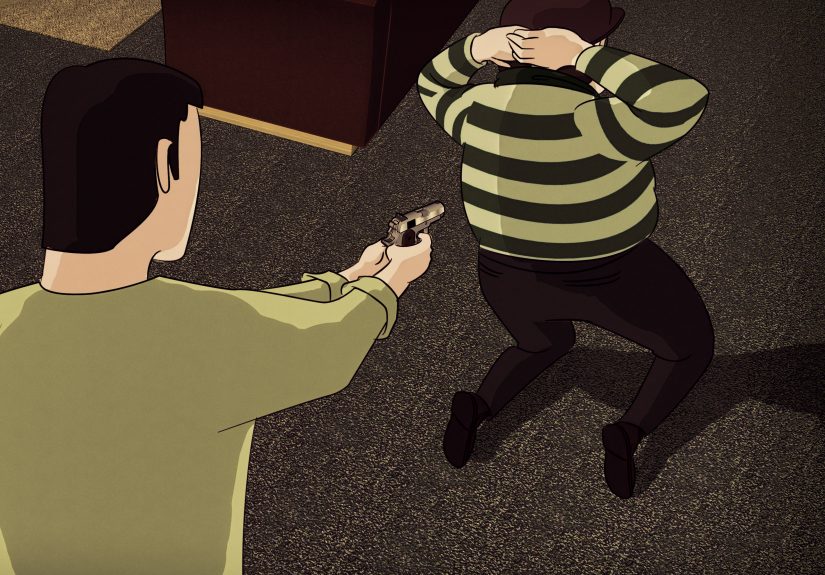
The phrase “clearing a building with a firearm” sounds like something lifted from an action movie where the hero has dramatic lighting, perfect timing, and absolutely no concern for legal paperwork. Real life is much less cinematic. Buildings are confusing. Adrenaline is loud. Shadows lie. Doors hide unknowns. And unlike movie scenes, there are no retakes when a frightened homeowner, employee, or bystander makes a dangerous mistake.
This guide takes a safer, more responsible approach. Instead of offering tactical instructions, it explains what ordinary people should do when they suspect a break-in, intruder, active threat, or unsafe situation inside a building. The smartest response is usually not to search room by room. It is to get to safety, call emergency services, communicate clearly, and let trained professionals handle the danger.
Below are nine practical, safety-focused steps that protect lives without turning your hallway into a bad audition for a crime drama.
1. Do Not Go Looking for Trouble
If you think someone dangerous may be inside a building, the first rule is simple: do not go searching for them. Moving through rooms increases the chance of surprise, mistaken identity, panic, or confrontation. It also makes it harder for responding officers to know who the threat is when they arrive.
A safer choice is to leave the area if you can do so without moving toward danger. If you are outside and notice signs of a break-in, avoid entering. Call emergency services from a safe location and wait for help. Your property can be replaced. You cannot.
2. Call 911 or Local Emergency Services Immediately
When there may be an intruder, violence, or an active threat, emergency services should be contacted as soon as it is safe to do so. Give the dispatcher clear information: your location, what you saw or heard, how many people may be inside, whether anyone is injured, and where you are waiting.
Stay on the line if instructed. Dispatchers may ask questions that feel repetitive, but those details help responders make safer decisions. Think of the dispatcher as the calm person with the map while your brain is busy doing emotional cartwheels.
3. Create Distance from the Danger
Distance is one of the most important safety tools. If you can safely leave, move away from the building or threat area. Go to a well-lit public place, a neighbor’s home, a nearby business, or another secure location.
Do not stand directly outside doors or windows. Do not block driveways or entrances that police, firefighters, or medical responders may need. Your goal is to be visible to help, not positioned in the middle of the problem.
4. Use “Run, Hide, Fight” as Emergency Survival Guidance
For active threat situations, public safety agencies commonly teach the “Run, Hide, Fight” framework. The order matters. First, leave if there is a safe path. If escape is not possible, hide, silence your phone, and stay out of sight. Fighting is described as a last resort when there is no safer option.
This is not a superhero checklist. It is survival guidance for chaotic emergencies. The best outcome is getting away before confrontation happens.
5. Communicate with Others Without Creating Panic
If family members, coworkers, classmates, or neighbors may be nearby, warn them if you can do so safely. Keep messages short and useful. For example: “Do not enter the building. Call 911. Meet at the sidewalk across the street.”
Avoid spreading guesses as facts. Saying “I heard glass break near the back door” is more helpful than “There are definitely three burglars with ninja training.” Clear information helps everyone make better decisions.
6. Make Yourself Identifiable to Responders
When law enforcement arrives, follow instructions. Keep your hands visible. Avoid sudden movements. Do not hold objects that could be mistaken for a weapon. Speak calmly and tell officers what you know.
This matters because responders may be entering a fast-moving situation with limited information. Making yourself easy to identify as a caller, witness, or victim helps reduce confusion.
7. Build a Safety Plan Before Anything Happens
The best emergency plan is the one made before everyone is scared. Families, roommates, schools, and workplaces should talk through basic safety steps in advance. Where are the exits? Where is the meeting point? Who calls emergency services? Where should children go? What should visitors know?
A simple plan can prevent dangerous improvisation. In a stressful moment, your brain may not produce a masterpiece. It may produce “stand in the kitchen holding a flashlight and whispering dramatically.” Planning helps you avoid that.
8. Improve Building Security Without Escalating Risk
Prevention is safer than confrontation. Good lighting, strong locks, working alarms, visible address numbers, trimmed landscaping, and security cameras can reduce risk and help responders find you faster.
For businesses, clear emergency procedures, staff training, visitor policies, and reliable communication systems are essential. For homes, make sure everyone knows how to lock doors, use alarms, and leave safely during an emergency.
9. Respect the Legal and Emotional Consequences
Searching a building during a suspected threat can carry serious legal, physical, and emotional consequences. Even well-intentioned people can misread a situation. A family member, maintenance worker, delivery person, neighbor, or confused stranger could be mistaken for a threat.
The safer principle is this: avoid confrontation when possible, protect people first, preserve evidence, and let trained professionals handle the search. Courage is not the same as charging into uncertainty. Sometimes courage looks like locking a door, getting everyone out, and making the call.
What to Do If You Come Home and Suspect a Break-In
Imagine you arrive home and notice a broken window, an open door, or something that feels wrong. The safest response is not to enter and investigate. Step away. Call emergency services. Wait somewhere safe. Tell responders what you noticed and whether anyone should be inside.
If you are already inside and hear something suspicious, leave if you can do so safely. If leaving is not possible, move to a secure room, call for help, stay quiet, and follow dispatcher instructions. The priority is life safety, not confirming whether the noise was a person, a pet, or the world’s most disrespectful raccoon.
What to Do in a Workplace or School Emergency
Workplaces and schools should have emergency action plans. Employees and students should know evacuation routes, lockdown procedures, communication systems, and meeting areas. During a crisis, follow official instructions from trained staff and emergency responders.
If you are responsible for safety planning, focus on prevention, reporting concerns early, access control, emergency drills that do not traumatize participants, and clear communication. A good safety culture is built long before sirens appear.
Why Professionals Train for Building Searches
Building searches are complex and risky. Professionals train for communication, identification, legal standards, medical response, coordination, and threat assessment. They also operate in teams with defined roles and accountability.
Ordinary people usually do not have that structure in an emergency. They have fear, limited information, poor visibility, and a rapidly beating heart trying to start a drum solo. That is why the safest advice is to avoid searching and contact trained responders.
Common Mistakes to Avoid
Entering a Building After Seeing Signs of Trouble
Do not enter just to “check things out.” If something looks wrong, assume it may be unsafe and call for help.
Trying to Be the First Responder
Emergency responders are trained to manage dangerous scenes. Your job is to stay safe, share information, and avoid creating more confusion.
Livestreaming or Posting During an Emergency
Social media can wait. Posting details during an active emergency may spread misinformation or reveal locations of people trying to stay safe.
Touching Evidence
If a crime may have happened, avoid touching doors, windows, objects, or surfaces unnecessarily. Preserve the scene for investigators.
Experience-Based Safety Lessons: What Real Emergencies Teach Us
People who have lived through frightening building-related emergencies often describe the same lesson: confusion arrives before clarity. A sound that seems obvious later may feel impossible to interpret in the moment. Was it a person? A dropped object? A door moving in the wind? A pet? A neighbor? Stress turns simple questions into mental puzzles with missing pieces.
One practical lesson is that a plan beats panic. Families who have already discussed where to go, who to call, and how to communicate are less likely to freeze. Workplaces that practice calm, realistic emergency procedures are better prepared than those with a dusty binder labeled “Safety Plan” hiding in a cabinet next to expired coffee filters.
Another lesson is that distance gives people options. When someone backs away from danger, they gain time to think, call for help, and protect others. When someone moves toward danger, options shrink quickly. That is especially true inside buildings, where walls block sight, sound travels strangely, and every doorway creates uncertainty.
Clear communication also matters. In emergencies, vague statements can create panic. “Something is wrong near the back entrance; leave through the front and call 911” is much more useful than “Everybody run!” Calm words do not magically fix the situation, but they help people make safer choices.
People also learn that emergency responders need accurate information, not dramatic narration. Useful details include location, descriptions, injuries, exits, and whether anyone may still be inside. Dispatchers and responders do not need movie dialogue. They need facts.
Finally, many people discover that prevention is underrated. Strong locks, working lights, alarm systems, emergency contacts, and practiced routines may sound boring until the day they matter. Safety is often built through ordinary habits: locking doors, reporting concerns, keeping exits clear, checking smoke alarms, and making sure everyone knows how to leave quickly.
The biggest experience-based takeaway is simple: do not let fear pressure you into risky action. A calm retreat, a locked door, a clear phone call, and patience for trained help can be far more protective than rushing into the unknown.
Conclusion
The safest way to respond to a possible threat inside a building is not to clear it yourself. Leave if you can. Hide if you must. Call emergency services. Communicate clearly. Help others get away from danger. Let trained professionals handle the search.
Real safety is not about looking fearless. It is about making choices that keep people alive. And if that sounds less exciting than an action movie, good. Emergencies do not need better choreography. They need fewer victims.