Table of Contents >> Show >> Hide
- What an Anti-Inflammatory Meal Plan Actually Looks Like
- How to Use This 7-Day Plan Without Losing Your Mind
- 7-Day Anti-Inflammatory Meal Plan (With Recipes)
- Recipes You’ll Use All Week
- 1) Blueberry-Chia Overnight Oats
- 2) Mediterranean Chickpea Salad (Meal-Prep Friendly)
- 3) Lemon-Dill Salmon + Roasted Vegetables
- 4) Red Lentil & Spinach Soup
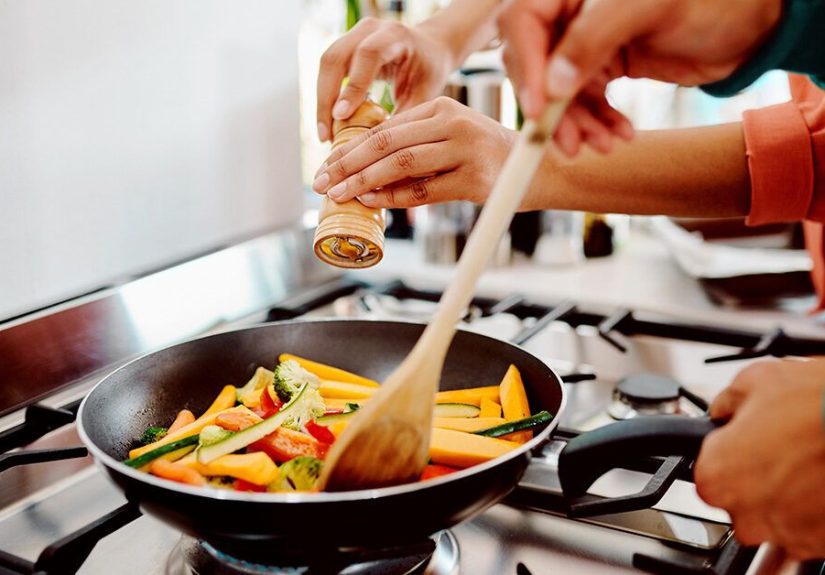
- 5) Ginger-Garlic Chicken Stir-Fry (or Tofu)
- 6) Turmeric Roasted Veggie & Quinoa Bowls
- 7) Tuna-White Bean Arugula Salad
- 8) Sheet-Pan Shrimp Fajita Bowls
- 9) Hearty Veggie Chili (Beans + Sweet Potato)
- Smart Substitutions (Because Real Life Happens)
- Grocery List for the Week
- of Real-World “Week One” Experiences (What Most People Notice)
- Conclusion
Inflammation gets a bad rapand honestly, it deserves some of it. Acute inflammation is your body’s helpful bouncer
(it shows up when you’re sick or healing). Chronic inflammation is the bouncer who never clocks out, eats your snacks, and
argues with everyone in the kitchen. The goal of an anti-inflammatory meal plan isn’t to “cure” anything with kale magic.
It’s to stack your plate with foods that support your body’s natural balance: fiber-rich plants, healthy fats, quality protein,
and flavor-forward herbs and spiceswhile cutting back on the usual troublemakers (ultra-processed foods, excess added sugar,
refined grains, and too much processed meat).
This 7-day plan leans Mediterranean-style (think olive oil, fish, beans, vegetables, fruit, whole grains, nuts, seeds),
because that pattern shows up again and again in reputable nutrition guidance as a practical, sustainable approach.
You’ll get simple recipes, smart leftovers, and enough variety to keep you from “accidentally” ordering fries for dinner
again.
Quick note: This is general nutrition information, not medical advice. If you’re managing a health condition,
take medications, are pregnant, or have a history of disordered eating, it’s worth checking in with a clinician or a
registered dietitian for personalization. Also: eat enough. Anti-inflammatory does not mean “tiny.”
What an Anti-Inflammatory Meal Plan Actually Looks Like
Focus on “More of This”
- Colorful plants: leafy greens, broccoli, peppers, tomatoes, berries, citrus, herbs
- Healthy fats: extra-virgin olive oil, avocado, nuts, seeds
- Omega-3-rich seafood: salmon, sardines, trout (or plant options like chia/flax + walnuts)
- Fiber-forward carbs: oats, quinoa, brown rice, farro, sweet potatoes, beans, lentils
- Flavor boosters: garlic, ginger, turmeric, cinnamon, black pepper, vinegar, lemon
- Gut-friendly foods: yogurt/kefir (if you tolerate dairy), sauerkraut/kimchi, miso
Limit “Less of This” (No Moral Panic Required)
- Ultra-processed snacks and meals you can eat with one hand while doomscrolling
- Sugary drinks and frequent desserts (save them for “worth it” moments)
- Refined grains as the default (white bread, pastries, many packaged crackers)
- Processed meats (bacon, sausage, deli meats) and frequent large portions of red meat
- Deep-fried foods as an everyday thing (as a sometimes thing? you’re human)
How to Use This 7-Day Plan Without Losing Your Mind
Two 20-minute prep moves that pay off all week
-
Make one “base” grain: Cook quinoa or brown rice (about 3 cups cooked). Store in the fridge for bowls, salads,
and quick sides. -
Roast a sheet pan of veggies: Broccoli + carrots + red onion (or whatever you’ve got). Olive oil, salt,
pepper, and roast until browned. Now you have instant color for any meal.
Portions: keep it flexible
If you want an easy visual: aim for half the plate non-starchy vegetables, a quarter protein,
and a quarter whole grains or starchy vegetables, with a drizzle of olive oil or a handful of nuts/seeds.
Hungry? Add more. Training hard? Add more carbs and protein. Not that hungry? Add more veggies and protein. Your body is not
a math problem.
7-Day Anti-Inflammatory Meal Plan (With Recipes)
| Day | Breakfast | Lunch | Dinner | Snack (optional) |
|---|---|---|---|---|
| Day 1 | Blueberry-Chia Overnight Oats | Mediterranean Chickpea Salad | Lemon-Dill Salmon + Roasted Veg | Apple + almond butter |
| Day 2 | Greek Yogurt Bowl (berries + walnuts) | Red Lentil & Spinach Soup | Ginger-Garlic Chicken Stir-Fry + Brown Rice | Carrots + hummus |
| Day 3 | Avocado Toast + Tomato + Egg | Leftover Lentil Soup + Side Salad | Turmeric Roasted Veggie & Quinoa Bowls | Dark chocolate (70%+) + strawberries |
| Day 4 | Cinnamon Oatmeal + Chopped Pecans | Tuna-White Bean Arugula Salad | Sheet-Pan Shrimp Fajita Bowls | Edamame with sea salt |
| Day 5 | Green Smoothie (spinach, berry, flax) | Leftover Shrimp Bowl or Salad Wrap | Hearty Veggie Chili (beans + sweet potato) | Orange + handful of pistachios |
| Day 6 | Veggie Omelet + Side Fruit | Chili Leftovers + Avocado | Herby Turkey (or tofu) Lettuce Wraps | Yogurt or kefir + cinnamon |
| Day 7 | Berry-Nut Breakfast Parfait | Quinoa “Tabbouleh-ish” Bowl | Garlic Olive Oil Pasta + Greens + Sardines (or chickpeas) | Popcorn (olive oil) + nutritional yeast |
Recipes You’ll Use All Week
1) Blueberry-Chia Overnight Oats
Why it fits: fiber + omega-3-friendly chia + berries.
- Ingredients (1 serving): 1/2 cup rolled oats, 1 tbsp chia seeds, 3/4 cup milk of choice, 1/2 cup blueberries,
1/2 tsp cinnamon, pinch of salt, optional: 1 tsp honey or maple syrup - Directions: Stir everything in a jar. Refrigerate overnight. In the morning, add a spoon of yogurt or a
drizzle of nut butter if you want it extra satisfying.
2) Mediterranean Chickpea Salad (Meal-Prep Friendly)
Why it fits: legumes + olive oil + crunchy vegetables = low effort, big payoff.
- Ingredients (2–3 servings): 2 cans chickpeas (rinsed), cucumber, cherry tomatoes, red onion, parsley,
feta (optional), olives (optional) - Dressing: 3 tbsp extra-virgin olive oil, 1–2 tbsp lemon juice, 1 tsp Dijon, 1 minced garlic clove,
salt, pepper - Directions: Chop, toss, dress. Tastes even better after it sits for 20 minutes. Eat it as a salad, stuff
it in a pita, or spoon over greens.
3) Lemon-Dill Salmon + Roasted Vegetables
Why it fits: omega-3s + simple seasoning + vegetables doing the heavy lifting.
- Ingredients (2 servings): 2 salmon fillets, lemon zest + juice, dill (fresh or dried), garlic, olive oil,
salt, pepper; plus any roastable veg (broccoli, carrots, Brussels sprouts) - Directions: Roast vegetables at 425°F with olive oil, salt, pepper (20–25 min). Add salmon for the last
12–15 minutes (depending on thickness). Finish with lemon juice and dill. Serve with quinoa or brown rice if desired.
4) Red Lentil & Spinach Soup
Why it fits: comforting, high-fiber, and perfect for leftovers.
- Ingredients (4 servings): 1 cup red lentils, 1 diced onion, 2 chopped carrots, 2 celery stalks, 3 cloves
garlic, 1 tsp turmeric, 1 tsp cumin, 4 cups broth, 2 cups spinach, 1 can diced tomatoes, olive oil, salt, pepper - Directions: Sauté onion/carrot/celery in olive oil (5–7 min). Add garlic + spices (30 seconds). Add lentils,
broth, tomatoes; simmer 15–20 minutes. Stir in spinach until wilted. Add lemon juice for brightness.
5) Ginger-Garlic Chicken Stir-Fry (or Tofu)
Why it fits: ginger + garlic + quick veggies; better than takeout in both time and “after” feeling.
- Ingredients (2–3 servings): sliced chicken breast (or extra-firm tofu), bell peppers, broccoli, snap peas,
grated ginger, minced garlic, olive or avocado oil - Sauce: 2 tbsp low-sodium soy sauce or tamari, 1 tbsp rice vinegar, 1 tsp honey, 1 tsp sesame oil (optional),
splash of water - Directions: Cook protein in a hot pan. Add veggies, ginger, garlic. Pour sauce, toss until glossy.
Serve over brown rice.
6) Turmeric Roasted Veggie & Quinoa Bowls
Why it fits: customizable bowls = the adult version of “choose your own adventure.”
- Ingredients: cooked quinoa, roasted veggies, greens, chickpeas or leftover chicken, avocado, pumpkin seeds
- Quick dressing: olive oil + lemon + pinch of turmeric + black pepper + salt
- Directions: Build a bowl. Dress it. Eat it. Feel smug in the best way.
7) Tuna-White Bean Arugula Salad
Why it fits: protein + fiber + peppery greens + olive oil dressing.
- Ingredients (2 servings): 1 can tuna, 1 can cannellini beans (rinsed), arugula or spinach, red onion,
lemon, olive oil, capers (optional) - Directions: Toss beans and tuna with lemon and olive oil. Fold into greens. Add cracked pepper. Done.
8) Sheet-Pan Shrimp Fajita Bowls
Why it fits: fast seafood + peppers/onions + minimal cleanup (the true wellness win).
- Ingredients (2–3 servings): shrimp, sliced bell peppers, sliced onion, olive oil, cumin, smoked paprika,
garlic powder, lime, salt, pepper - Directions: Roast peppers/onions at 425°F for 12 minutes. Add shrimp + spices for 6–8 minutes. Serve over
brown rice or greens with avocado and salsa.
9) Hearty Veggie Chili (Beans + Sweet Potato)
Why it fits: big-batch comfort that’s naturally anti-inflammatory-friendly.
- Ingredients (6 servings): 1 diced onion, 2 cloves garlic, 1 diced sweet potato, 2 cans beans (black + kidney),
1 can diced tomatoes, 1 tbsp chili powder, 1 tsp cumin, broth/water as needed, olive oil, salt - Directions: Sauté onion/garlic. Add spices, sweet potato, tomatoes, beans. Simmer until sweet potato is soft.
Top with avocado, cilantro, and a spoon of yogurt if you like.
Smart Substitutions (Because Real Life Happens)
- No fish? Use beans, lentils, tofu, or chicken. Add chia/flax and walnuts for plant omega-3s.
- Gluten-free? Choose oats labeled GF, quinoa, brown rice, corn tortillas, and GF pasta.
- Dairy-free? Use fortified plant yogurt, tahini dressings, avocado, and extra nuts/seeds for richness.
- Budget-friendly? Frozen berries/veg, canned beans, canned salmon/sardines, and big bags of oats go far.
Grocery List for the Week
Produce
Spinach or mixed greens, arugula, broccoli, bell peppers, onions, carrots, celery, tomatoes/cherry tomatoes, cucumber, lemons/limes,
garlic, ginger, sweet potatoes, berries (fresh or frozen), apples, oranges, avocado, parsley/cilantro
Proteins
Salmon (2–3 meals), shrimp (1–2 meals), tuna, chicken breast (or tofu/tempeh), eggs, Greek yogurt/kefir (optional),
canned beans (black, kidney, cannellini), lentils
Pantry & Grains
Rolled oats, chia seeds, flaxseed, quinoa or brown rice, olive oil, vinegar (rice or red wine), low-sodium soy sauce/tamari,
canned tomatoes, spices (turmeric, cumin, chili powder, cinnamon, smoked paprika), nuts (walnuts/almonds/pistachios), seeds
of Real-World “Week One” Experiences (What Most People Notice)
If you try an anti-inflammatory meal plan for a week, the first “experience” is usually not a dramatic movie montage where
you wake up glowing like a lightbulb and immediately forgive everyone who’s ever annoyed you. Week one is more subtleand,
honestly, more useful.
Many people notice their meals feel more filling even if the portions look similar. That’s the fiber-and-protein combo
doing its thing: beans, lentils, oats, vegetables, fish, yogurt, eggsfoods that take longer to digest and don’t disappear
like a sugary snack that vaporizes on impact. A common side effect is fewer random “Why am I hungry again?” moments at 3 p.m.
(You might still want a snack. You’re allowed. The goal is “steady,” not “perfect.”)
Another frequent week-one shift: people start tasting food differently. When you cut back on ultra-processed items and added
sugar, your palate can recalibrate. Fruit tastes sweeter. Roasted vegetables taste more like actual food and less like a
punishment. And suddenly you understand why so many Mediterranean-style recipes lean on olive oil, lemon, garlic, herbs,
and spicesbecause flavor isn’t optional; it’s what makes the plan livable.
The biggest challenge is usually logistics, not willpower. If you don’t have a plan, you’ll end up staring into
the fridge like it’s going to present a TED Talk titled “Tonight’s Dinner Idea.” This is where leftovers become your best
friend. Soup for lunch, roasted vegetables in a bowl, chickpea salad stuffed into a wrapthese are not boring repeats; they’re
time-saving upgrades. People who do best in week one typically pick 2–3 “anchor recipes” and remix them instead of trying to
cook a brand-new masterpiece daily.
Some folks notice digestion changesoften in a good waybecause fiber intake goes up. But if you’re not used to legumes,
lentils, and a pile of veggies, your gut may need a short adjustment period. The experience can be summed up as:
“Wow, I feel healthier… and also I should probably drink more water.” Hydration helps fiber do its job, and it can make a
difference in how comfortable you feel.
Finally, week one tends to highlight personal triggers. Maybe you learn that skipping breakfast makes you snacky later, or that
you do better with a more substantial lunch, or that you genuinely love sardines (surprising) or genuinely do not (also valid).
The best anti-inflammatory plan is the one you can repeat most daysnot because you’re forcing it, but because it fits your
schedule, your budget, and your taste buds. Think of this week as a test drive. Keep what works, adjust what doesn’t, and
remember: consistency beats intensity every time.
Conclusion
An anti-inflammatory meal plan doesn’t need to be complicated, expensive, or joyless. When you build meals around colorful plants,
healthy fats, and satisfying proteinthen use simple prep to keep it realisticyou get the benefits of a nutrient-dense eating pattern
without feeling like you’re living on “wellness vibes” alone. Start with this 7-day plan, remix the recipes you love, and let your
kitchen become the place where your body gets support instead of stress.