Table of Contents >> Show >> Hide
- Why Kitchen Cabinet Makeovers Are So Powerful
- 1. From Orange Oak to Soft White Elegance
- 2. From Flat Builder-Grade Cabinets to Custom-Looking Doors
- 3. From Dark and Closed-In to Two-Tone Fresh
- 4. From Worn Cabinet Boxes to Refaced Beauty
- 5. From Upper Cabinet Overload to Airy Open Shelving
- 6. From Dated Wood to Moody Modern Color
- 7. From Cluttered Cabinets to Smart Interior Storage
- 8. From Standard Doors to Glass-Front Charm
- 9. From Forgotten Details to Finished Cabinet Style
- How to Choose the Right Cabinet Makeover for Your Kitchen
- Cabinet Makeover Tips for a Better Before-and-After Result
- Common Kitchen Cabinet Makeover Mistakes to Avoid
- Real-Life Experience: What Kitchen Cabinet Makeovers Teach You
- Conclusion
A kitchen cabinet makeover is one of those rare home projects that can make your kitchen look brand-new without requiring you to sell a kidney, move out for three months, or learn how to pronounce “custom millwork” with a serious face. Cabinets take up a huge amount of visual space, so when they look tired, the whole kitchen can feel tired. But when they get a fresh color, new doors, updated hardware, better storage, or a smarter layout, suddenly the room has energy again.
The best part? A cabinet transformation does not always mean ripping everything out. Many impressive before-and-after kitchen cabinet makeovers come from painting, refacing, replacing door fronts, adding trim, installing open shelves, changing hardware, improving lighting, or rethinking how the cabinets function. In other words, you can often keep the bones and upgrade the personality.
Below are nine inspiring kitchen cabinet makeover ideas, each written with a clear “before” and “after” vision so you can imagine what might work in your own home. Whether your cabinets are builder-grade oak, dark and heavy, flat and forgettable, or simply suffering from a bad case of the 1990s, there is a makeover here with your name on it.
Why Kitchen Cabinet Makeovers Are So Powerful
Cabinets are the face of the kitchen. Countertops, appliances, lighting, and backsplashes matter, of course, but cabinets usually cover the most square footage. That is why even a modest cabinet refresh can change the entire mood of the room.
A good kitchen cabinet makeover can make a small kitchen feel brighter, a dark kitchen feel softer, a dated kitchen feel current, and a cluttered kitchen feel more functional. It can also increase everyday enjoyment. After all, if you open the same cabinet door seventeen times before lunch, it helps when that door no longer looks like it has been quietly judging your life choices since 1987.
Before choosing a makeover, ask three practical questions: Are the cabinet boxes structurally sound? Does the layout work? And what bothers you mostthe color, the door style, the storage, or the overall finish? If the boxes are solid and the layout functions well, painting or refacing may be enough. If the layout is awkward, replacement or partial redesign may make more sense.
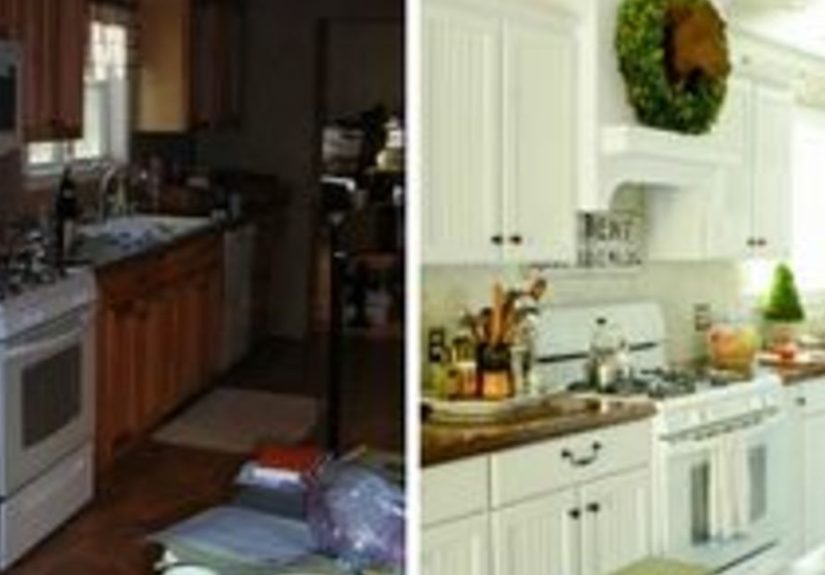
1. From Orange Oak to Soft White Elegance
Before: Heavy Oak Cabinets That Darkened the Room
Honey oak cabinets were everywhere for decades, and for good reason: they are durable, warm, and practical. But in many homes, orange-toned oak can make a kitchen feel darker and more dated than it really is. When paired with beige counters, yellow walls, or fluorescent lighting, the effect can be less “cozy farmhouse” and more “time capsule with a microwave.”
After: Bright Painted Cabinets With Clean Hardware
A soft white cabinet paint can completely reset the kitchen. The key is proper preparation: remove the doors and drawers, label everything, clean away grease, sand or scuff the surface, prime properly, then apply multiple thin coats of durable cabinet paint. New brushed nickel, matte black, or warm brass pulls can finish the transformation.
This makeover works especially well in smaller kitchens because white reflects light and visually expands the space. To keep it from feeling flat, pair white cabinets with a textured backsplash, wood accents, woven shades, or a slightly warmer wall color. The result feels fresh, timeless, and easy to decorate around.
2. From Flat Builder-Grade Cabinets to Custom-Looking Doors
Before: Plain Slab Doors With No Character
Builder-grade cabinets are often perfectly functional but visually underwhelming. Flat doors, basic hinges, and simple knobs can make the kitchen feel unfinished. The room may not be ugly, exactlyit is just wearing the design equivalent of a plain white T-shirt to a wedding.
After: Added Molding, New Paint, and Statement Pulls
Adding trim or molding to flat cabinet doors is a clever way to create a custom look on a smaller budget. Thin wood molding can be attached to form shaker-style frames or decorative panels. Once caulked, sanded, primed, and painted, the doors look far more expensive than they are.
For a polished result, use simple trim profiles and keep the proportions consistent on every door. A satin or semi-gloss finish helps cabinets stand up to splashes and cleaning. Add longer bar pulls or classic cup pulls, and suddenly those once-basic cabinets look intentional, tailored, and quietly impressive.
3. From Dark and Closed-In to Two-Tone Fresh
Before: One Heavy Color From Top to Bottom
Dark cabinets can be beautiful, but when upper and lower cabinets are both deep brown, black, or espresso, the kitchen may feel visually heavy. This is especially true in kitchens with limited natural light. The cabinets can seem to press inward, making the room feel smaller than it is.
After: Light Upper Cabinets and Rich Lower Cabinets
A two-tone cabinet makeover is a smart compromise. Paint the upper cabinets a light colorwhite, cream, pale greige, or soft sageand keep the lower cabinets deeper, such as navy, charcoal, forest green, or warm walnut. This creates balance: airy above, grounded below.
Two-tone cabinets also help hide everyday wear on lower doors and drawers, which usually take the most abuse from shoes, pets, pans, and the mysterious sticky spots no one in the house claims responsibility for. Add cohesive hardware across both colors to keep the look connected.
4. From Worn Cabinet Boxes to Refaced Beauty
Before: Good Layout, Bad Doors
Sometimes the kitchen layout works perfectly, but the cabinet doors are scratched, warped, outdated, or simply not your style. In this case, a full cabinet replacement may be unnecessary. If the cabinet boxes are solid, refacing can deliver a dramatic before-and-after result while preserving the existing footprint.
After: New Doors, Drawer Fronts, Veneer, and Hardware
Cabinet refacing typically keeps the existing boxes but replaces doors and drawer fronts. The visible frames are covered with matching veneer, laminate, or another finish. Add new hinges and hardware, and the cabinets can look completely new without changing the layout.
This makeover is ideal for homeowners who want a more durable, professional-looking transformation than paint alone can provide. Choose shaker doors for a classic update, slab fronts for a modern look, or glass-front doors for a lighter display area. Refacing is especially effective when paired with new counters, a backsplash, or under-cabinet lighting.
5. From Upper Cabinet Overload to Airy Open Shelving
Before: Wall-to-Wall Cabinets That Feel Heavy
Upper cabinets are useful, but too many of them can make a kitchen feel boxed in. This often happens in older kitchens where every inch of wall space was filled with storage, even if some cabinets are awkward, too high, or used mostly to hide holiday mugs and lonely plastic lids.
After: A Mix of Closed Storage and Open Shelves
Removing one or two upper cabinets and replacing them with open shelves can make the kitchen feel brighter and more relaxed. Open shelving works best when used strategically. Keep everyday dishes, simple glassware, cookbooks, small plants, or attractive serving pieces on display. Hide bulky cookware, food packaging, and cleaning supplies behind closed doors.
The most successful open-shelf makeovers are edited, not overcrowded. Think of the shelves as functional display space, not a museum exhibit for every mug you have owned since college. Wood shelves can add warmth, while painted shelves can blend into the wall for a lighter effect.
6. From Dated Wood to Moody Modern Color
Before: Safe Cabinets With No Drama
Neutral cabinets are dependable, but some kitchens need more personality. A kitchen with plain floors, simple counters, and minimal architectural detail may feel bland if the cabinets are also beige, brown, or builder white.
After: Deep Green, Navy, Charcoal, or Warm Espresso
A moody cabinet color can create instant depth. Deep green cabinets feel organic and sophisticated. Navy cabinets bring structure and polish. Charcoal feels modern without being harsh. Dark espresso or walnut-style finishes add warmth and richness.
The trick is to balance dark cabinets with good lighting and lighter surfaces. Use pale counters, reflective tile, warm metallic hardware, or under-cabinet lights to prevent the room from feeling cave-like. When done well, a dark cabinet makeover looks high-end and confident, like your kitchen finally found its good blazer.
7. From Cluttered Cabinets to Smart Interior Storage
Before: Cabinets That Look Fine but Function Poorly
Not every cabinet makeover is about what you see from the outside. Sometimes the doors look acceptable, but the inside is chaos. Pots are stacked like a dangerous game of cookware Jenga. Spices disappear into the back. Sheet pans live wherever they fit, which is usually nowhere convenient.
After: Pull-Outs, Dividers, Lazy Susans, and Better Zones
Interior upgrades can be life-changing. Add pull-out shelves to deep lower cabinets, vertical dividers for baking sheets, lazy Susans for corner cabinets, drawer organizers for utensils, and pull-out trash or recycling bins. These changes do not always photograph as dramatically as painted doors, but they improve the kitchen every single day.
For the best result, organize cabinets by task zones. Keep prep tools near the main counter, pans near the stove, dishes near the dishwasher, and coffee supplies near the coffee maker. A beautiful kitchen is nice; a beautiful kitchen that does not make you hunt for the measuring spoons is even better.
8. From Standard Doors to Glass-Front Charm
Before: Solid Doors Everywhere
Solid cabinet doors are practical, but a long wall of them can feel repetitive. If the kitchen lacks visual breaks, the cabinets may look heavy even if the color is light. This is where selective glass-front doors can make a big difference.
After: Glass Inserts for Lightness and Display
Replacing a few solid upper cabinet panels with glass inserts can create depth and charm. Clear glass works well if you keep the contents tidy. Reeded, frosted, or seeded glass offers a softer look and hides a little more visual clutter. Mesh or fabric inserts can also add texture for a vintage or designer-inspired effect.
Glass-front cabinets are perfect for everyday dishes, glassware, serving bowls, or collected pieces. They make the kitchen feel more open without sacrificing enclosed storage. For a finished look, paint the inside of the glass-front cabinets the same color as the exterior or use a subtle contrasting shade.
9. From Forgotten Details to Finished Cabinet Style
Before: Cabinets With Awkward Ends, Gaps, and Plain Toe Kicks
Many kitchens look unfinished not because the cabinets are terrible, but because the details are missing. Exposed cabinet sides, empty gaps above uppers, plain toe kicks, dated hinges, and poor lighting can make the room feel less polished.
After: End Panels, Crown Molding, Lighting, and Hardware
Small details can produce a surprisingly strong cabinet makeover. Add decorative end panels to visible cabinet sides. Install crown molding to bridge the gap between upper cabinets and the ceiling. Upgrade hinges if old ones are visible or squeaky. Add under-cabinet lighting to brighten counters and make the kitchen feel more expensive.
Hardware is another high-impact update. Swapping small dated knobs for sleek pulls, antique brass handles, matte black hardware, or polished nickel can shift the entire style. Measure carefully before buying hardware, especially if you are using existing holes. Nothing ruins a Saturday faster than discovering your new pulls are just slightly wrong.
How to Choose the Right Cabinet Makeover for Your Kitchen
The best cabinet makeover depends on your budget, timeline, skill level, and long-term goals. Painting is usually the most budget-friendly option, but it requires careful prep and patience. Refacing costs more but creates a more complete transformation when cabinet boxes are in good condition. Replacing doors can modernize the look without rebuilding the whole kitchen. Adding storage inserts improves function without changing the exterior.
If your cabinets are structurally damaged, moldy, badly warped, or poorly arranged, cosmetic updates may not be enough. In that case, replacement could be the better investment. But if the cabinet boxes are sturdy, a makeover can stretch your budget while still giving the kitchen a dramatic before-and-after moment.
Cabinet Makeover Tips for a Better Before-and-After Result
Prep Like You Mean It
Preparation is the difference between cabinets that look professionally done and cabinets that look like they were painted during a thunderstorm. Clean every surface thoroughly, remove grease, label doors and drawers, fill holes, sand properly, and use primer when needed. Rushing prep almost always shows later.
Test Colors in Your Actual Kitchen
Cabinet colors change depending on light, wall color, flooring, and countertops. A perfect warm white in the store may look yellow at home. A beautiful green online may look gray in your kitchen. Always test large samples before committing.
Do Not Ignore the Hardware
Hardware is small, but it has a big visual impact. Match hardware style to the cabinet design. Simple shaker doors look great with cup pulls, knobs, or slim bars. Flat modern fronts pair well with long pulls or edge pulls. Traditional doors often shine with classic knobs or antique-inspired handles.
Plan for Curing Time
Paint may feel dry quickly, but curing takes longer. During that time, the finish is more vulnerable to dents, chips, and fingerprints. Be gentle with newly painted cabinets, especially around handles and corners.
Common Kitchen Cabinet Makeover Mistakes to Avoid
One of the biggest mistakes is painting over dirty cabinets. Kitchen grease is sneaky; it clings to doors, especially near the stove. Paint will not bond well if grime is left behind. Another mistake is skipping primer on glossy, stained, or previously finished cabinets. Primer helps create a surface that paint can grip.
Choosing the wrong finish can also cause trouble. Flat paint may look elegant at first, but cabinets need a durable, washable surface. Satin, semi-gloss, or cabinet-specific enamel is usually a better choice. Finally, avoid changing too many elements at once without a plan. New paint, new hardware, new backsplash, new counters, and new lighting can look amazingbut only if the finishes work together.
Real-Life Experience: What Kitchen Cabinet Makeovers Teach You
After looking at countless kitchen cabinet makeovers, one lesson becomes very clear: the “after” photo is glamorous, but the middle part is where the character development happens. Cabinet projects often look simple in a quick video, but real life includes drying time, dust, misplaced screws, and at least one moment where you stare at a cabinet door and wonder whether you have made a terrible mistake.
The first experience many homeowners share is that painting cabinets takes longer than expected. Removing doors and drawer fronts is easy enough, but labeling them properly is essential. What seems obvious on day one becomes a puzzle on day four when every white door looks exactly like every other white door. A simple numbering system with painter’s tape can save hours of frustration.
Another common experience is learning how much lighting affects the final result. A color that appears creamy and soft in daylight may look dull under old bulbs. Before painting every cabinet, it helps to test the color in several spots and view it morning, afternoon, and evening. Cabinet colors are like houseplants: they behave differently depending on where they live.
Hardware also has a bigger impact than many people expect. Swapping small round knobs for longer pulls can make cabinets feel taller, cleaner, and more modern. But hardware placement matters. A crooked pull is tiny, yet somehow your eye will find it every time you enter the kitchen. Using a hardware template is one of those small investments that prevents big regret.
Storage upgrades are often the most satisfying part of a cabinet makeover. A freshly painted cabinet looks great, but a pull-out shelf that stops you from kneeling on the floor to find a mixing bowl feels like luxury. Many homeowners discover that the best kitchen improvement is not always the one guests notice first. Sometimes it is the quiet convenience of a drawer that finally holds everything properly.
Open shelving teaches another practical lesson: display space needs discipline. It looks beautiful when styled with matching dishes, wood boards, ceramics, and a few useful items. It looks less beautiful when it becomes a parking lot for cereal boxes and souvenir cups. If you love open shelves, plan what will live there before removing cabinets.
Refacing projects tend to teach homeowners the value of good cabinet boxes. If the structure is solid and the layout works, keeping the boxes can save waste and preserve the parts of the kitchen that already function well. New doors, veneer, hinges, and handles can create a surprisingly complete transformation.
Finally, cabinet makeovers remind us that kitchens do not need to be perfect to be wonderful. A small paint drip, a learning curve with sanding, or a delayed hardware order does not ruin the project. The real win is creating a kitchen that feels brighter, cleaner, more useful, and more personal. When you walk in the next morning, pour coffee, and think, “Wait, this is my kitchen?”that is the magic moment.
Conclusion
Kitchen cabinet makeovers prove that transformation does not always require demolition. From painting orange oak cabinets white to refacing worn doors, adding glass inserts, installing open shelves, upgrading hardware, or improving interior storage, there are many ways to create a stunning before-and-after result. The smartest approach is to match the makeover to your cabinets’ condition, your kitchen’s layout, and your lifestyle.
If your cabinets are solid, do not underestimate what color, trim, lighting, and hardware can do. If your doors are beyond saving but the boxes are sturdy, refacing may be the sweet spot. And if your kitchen looks fine but drives you slightly bananas every time you cook, interior organizers may be the makeover your daily routine deserves.
In the end, the best kitchen cabinet makeover is not just the prettiest one. It is the one that makes your kitchen easier to use, easier to love, and a little more fun to walk into every morning.