Table of Contents >> Show >> Hide
- What Healthy Eating Actually Means
- Why Healthy Eating Matters More Than Most People Realize
- The Building Blocks of a Healthy Plate
- What to Limit Without Turning Into the Food Police
- How to Read a Nutrition Label Without Needing a Magnifying Glass and a PhD
- Healthy Eating on a Budget
- Healthy Eating When You Are Busy
- Common Healthy Eating Mistakes
- How to Build a Healthy Eating Pattern That Lasts
- Experiences With Healthy Eating in Real Life
- Conclusion
Healthy eating has a branding problem. The phrase makes some people picture sad lettuce, joyless chicken, and a life sentence without dessert. In reality, healthy eating is much less “food prison” and much more “eat in a way that helps your body function without making dinner feel like homework.” A smart eating pattern is not about chasing perfection, detoxing after one slice of pizza, or pretending cookies never existed. It is about eating mostly nutrient-dense foods, building meals that satisfy hunger, and making choices you can repeat on a random Tuesday when life is busy and your fridge contains exactly one lemon, half a yogurt, and mysterious optimism.
At its core, healthy eating means choosing a variety of foods that support energy, growth, digestion, heart health, and long-term wellness. That usually looks like more vegetables and fruits, more whole grains, enough lean protein, healthier fats, and fewer foods loaded with sodium, saturated fat, and added sugar. In other words, your plate should not look like a nutrition textbook exploded on it. It should just look balanced, colorful, and practical.
What Healthy Eating Actually Means
A healthy diet is not a single rigid menu. It is a pattern. That distinction matters. You do not “ruin” healthy eating with one burger any more than you become a marathoner by wearing athletic socks. What counts most is what you do consistently.
In practical terms, healthy eating means:
- Eating a variety of vegetables and fruits
- Choosing whole grains more often than refined grains
- Including protein from seafood, poultry, beans, lentils, eggs, soy, nuts, seeds, and lean meats
- Using healthier fats such as oils, nuts, seeds, and avocado more often than butter-heavy or highly processed fats
- Choosing low-fat or fat-free dairy, or fortified alternatives when appropriate
- Limiting added sugars, excess sodium, and foods high in saturated fat
- Paying attention to portions without becoming weirdly dramatic about every bite
The best healthy eating plan is one you can maintain. It should fit your culture, your budget, your schedule, and your taste buds. If your plan depends on daily fresh salmon, imported berries, and the emotional stability of a meal-prep influencer, it may not survive real life.
Why Healthy Eating Matters More Than Most People Realize
Healthy eating is not just about body weight. It helps support heart health, blood pressure, blood sugar control, digestive health, bone health, immune function, and more stable energy. People who follow healthier eating patterns also tend to lower their risk of chronic conditions such as heart disease, type 2 diabetes, and obesity-related complications.
That does not mean food is magic. Kale is not a superhero in a cape. But food choices, repeated over time, can meaningfully shape how you feel now and how your body performs later. A breakfast that combines fiber, protein, and healthy fat, for example, is more likely to keep you full than a sugary pastry that disappears into your bloodstream like it owes somebody money.
The Building Blocks of a Healthy Plate
1. Vegetables and Fruits: The Overachievers
Vegetables and fruits bring vitamins, minerals, water, fiber, and plant compounds that support overall health. They are also one of the simplest ways to add volume to meals without adding a ton of calories. That means they can help with fullness and satisfaction.
If fresh produce is not always realistic, that is fine. Frozen, canned, and dried options can absolutely work. Just choose versions with little or no added sugar, salt, or heavy sauces when possible. Healthy eating does not require farmers market glamour. Frozen broccoli from aisle seven is still broccoli, and it is still doing its job.
2. Whole Grains: More Than Beige Carbs With a Better Reputation
Whole grains such as oats, brown rice, quinoa, whole-wheat bread, barley, and popcorn contain the bran and germ, which means they provide more fiber and nutrients than refined grains. Fiber helps with digestion, fullness, and steady energy. Swapping white bread, white rice, or sugary cereals for whole-grain options can make meals more satisfying and nutritionally stronger.
This does not mean every carb must wear a health halo. It means your everyday choices should lean toward grains that actually bring something to the table besides vibes.
3. Protein: The Quiet Workhorse
Protein helps build and repair tissues, supports muscles, and helps keep you satisfied after meals. Healthy eating includes a range of protein sources, not just one. Seafood, skinless poultry, beans, lentils, tofu, yogurt, eggs, nuts, and seeds all count. Lean red meat can fit too, just not as the star of every meal.
A good rule is to vary your protein. If every dinner is processed deli meat or a giant steak, your body may be sending polite complaints. Beans in chili, salmon with rice, Greek yogurt at breakfast, or hummus with vegetables are all solid examples of protein working smarter, not louder.
4. Healthy Fats: Not the Villain
Fat is not the enemy. Your body needs it. The goal is choosing better sources more often. Unsaturated fats from olive oil, nuts, seeds, and fish can support heart health. Foods high in saturated fat, such as fatty cuts of meat, full-fat dairy, and many packaged baked goods, are better kept in check rather than becoming daily roommates.
In other words, drizzle the olive oil. Maybe do not make frosting a food group.
5. Dairy or Fortified Alternatives: A Useful Supporting Cast
Milk, yogurt, and cheese can provide calcium, protein, and other nutrients. Lower-fat and unsweetened options are often more aligned with healthy eating goals. If you use plant-based alternatives, fortified versions can help fill nutritional gaps. The key is reading labels so your “healthy choice” is not secretly a vanilla milkshake in disguise.
What to Limit Without Turning Into the Food Police
Healthy eating is not only about what to add. It is also about what to dial back. Three big categories matter most: added sugars, sodium, and saturated fat.
Added Sugars
Added sugars show up in soda, sweet coffee drinks, candy, pastries, breakfast cereals, flavored yogurts, sauces, and foods that somehow market themselves as wholesome while containing dessert-level sweetness. A little added sugar can fit into a healthy pattern, but too much makes it harder to meet nutrient needs while staying within calorie goals.
Sodium
Too much sodium is common, especially from packaged foods, restaurant meals, deli meats, canned soups, sauces, and frozen convenience foods. The trouble is that sodium is sneaky. Chips get blamed, but sandwiches, pizza, and soup often do the real damage. Cooking more at home and reading labels can make a major difference.
Saturated Fat
Saturated fat tends to be higher in fatty meats, butter, cream, full-fat cheese, and many commercial baked goods. The idea is not to ban these foods forever. It is to avoid building your everyday eating pattern around them.
How to Read a Nutrition Label Without Needing a Magnifying Glass and a PhD
Food labels are one of the best tools in healthy eating, especially when marketing claims try to sweet-talk you. Start with serving size. A package may look like one serving, but the label may quietly disagree.
Then check:
- Added sugars: Lower is usually better for everyday foods
- Sodium: Compare similar products and choose lower-sodium options
- Saturated fat: Keep an eye on foods that add up quickly
- Fiber: Higher-fiber foods are often more filling and less processed
- Ingredients: Shorter and more recognizable does not guarantee health, but it often helps you spot heavily processed products
If two brands look similar, the label is where the plot twist happens. One tomato soup can be lunch. Another can be a sodium parade.
Healthy Eating on a Budget
One of the biggest myths in nutrition is that healthy eating is only for people who shop in expensive stores while holding reusable jars and emotional serenity. In real life, healthy eating can be budget-friendly.
Smart budget moves include buying beans, lentils, oats, eggs, tuna, brown rice, frozen vegetables, seasonal produce, plain yogurt, and store-brand basics. Planning meals around what you already have also reduces waste. A leftover chicken-and-vegetable bowl is not boring. It is efficient. And efficiency is sexy in adulthood.
Cooking larger batches helps too. A pot of chili, soup, or grain bowls can stretch across several meals. Healthy eating gets much easier when future you opens the fridge and discovers past you was surprisingly competent.
Healthy Eating When You Are Busy
You do not need gourmet meal prep. You need systems. Keep a few fast staples on hand: washed greens, frozen vegetables, canned beans, whole-grain bread, eggs, fruit, yogurt, nut butter, rotisserie chicken, oatmeal, and low-sodium soup. With those basics, you can make breakfast, lunch, or dinner without surrendering to random drive-thru chaos.
Here are simple meal formulas that work:
- Breakfast: Oatmeal + fruit + nuts
- Lunch: Whole-grain wrap + lean protein + vegetables + hummus
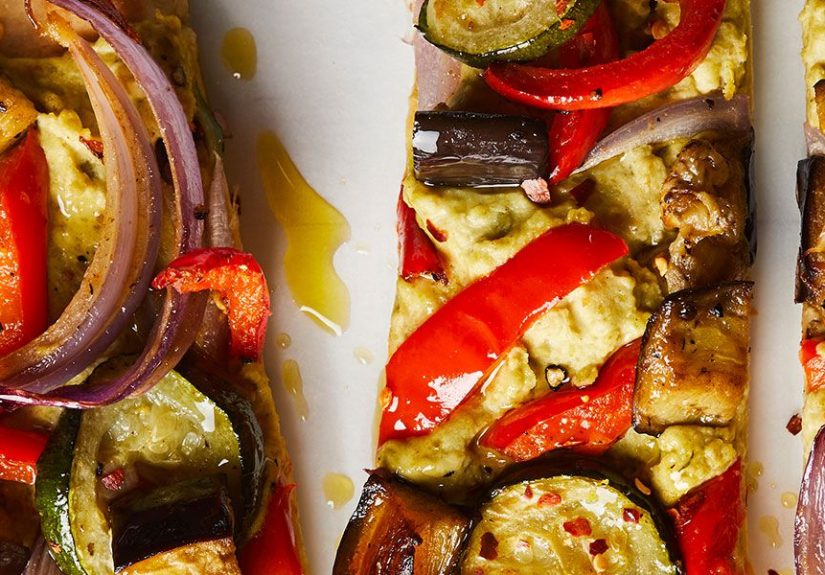
- Dinner: Salmon or beans + brown rice + roasted vegetables
- Snack: Apple + peanut butter or yogurt + berries
Restaurant meals can fit too. Look for grilled, baked, or broiled choices, add vegetables where possible, go lighter on creamy sauces, and watch portion sizes. You do not need to order the saddest thing on the menu. You just need to order like someone who wants to feel decent afterward.
Common Healthy Eating Mistakes
Trying to Change Everything Overnight
Radical overhauls often last until the first stressful workday. Small, repeatable changes win. Start with one or two habits, such as adding vegetables to dinner or replacing sugary drinks with water most days.
Confusing “Healthy” With “Low Calorie”
A food can be low in calories and still not be very nourishing. Healthy eating is about nutrient quality, not just eating as little as possible.
Drinking Your Sugar
Soda, sweet teas, energy drinks, and oversized coffee drinks can add a surprising amount of sugar without much fullness. Sometimes the easiest nutrition upgrade is in the cup, not on the plate.
Ignoring Satisfaction
Meals that are too tiny, too bland, or too restrictive often backfire. Healthy eating should include flavor, texture, and enough food to actually satisfy you.
How to Build a Healthy Eating Pattern That Lasts
The most effective approach is not glamorous. It is steady. Fill half your plate with vegetables and fruits when possible. Choose whole grains more often. Add protein to meals. Use healthy fats. Read labels. Cook when you can. Plan a little. Stay flexible.
That flexibility matters. Birthdays happen. Holidays happen. Fries happen. Healthy eating is not a purity contest. It is a pattern you return to, again and again, because it supports your life instead of controlling it.
Experiences With Healthy Eating in Real Life
One of the most common experiences people report when they start eating healthier is that they expect misery and get relief instead. Someone swaps a sugary breakfast for oatmeal with berries and nuts and suddenly is not scavenging for snacks by 10:30 a.m. Someone else starts adding vegetables to lunch and realizes the afternoon slump is less dramatic. The change is rarely cinematic. Nobody hears triumphant violins while unpacking baby carrots. But the cumulative effect is real: steadier energy, fewer cravings, and a general feeling that the body is no longer filing complaints.
Another common experience is learning that healthy eating has to become convenient before it becomes consistent. People often begin with high motivation and low strategy. They buy aspirational groceries, then get busy, then order takeout while spinach quietly ages in the crisper drawer like a green life lesson. Over time, the people who stick with healthy eating usually simplify. They keep frozen vegetables, eggs, yogurt, fruit, beans, and whole grains around. They repeat easy meals. They stop trying to become a different person and start feeding the person they actually are: busy, imperfect, and occasionally one inconvenience away from nachos.
Many people also notice that healthy eating improves their relationship with food when they stop labeling foods as “good” or “bad.” Instead of moralizing every bite, they start thinking in patterns. A person might enjoy pizza on Friday, then build a more balanced meal on Saturday without guilt, drama, or performative celery. That mental shift can be huge. It reduces all-or-nothing thinking and makes healthy eating feel normal rather than punishing. In real life, that is often the difference between a short-lived diet and a lasting habit.
There is also the family angle, which is both heartwarming and mildly chaotic. In many homes, healthier eating starts with one person making small upgrades: fruit on the counter, better lunch options, more home-cooked dinners, fewer sugary drinks in the fridge. At first, everyone may resist. Suddenly there are questions like, “Why is there quinoa here?” But habits spread. Kids get used to sliced fruit. Partners get into sheet-pan dinners. A household that once relied on takeout five nights a week may not become a perfect nutrition commercial, but it can become more balanced, more intentional, and a lot less dependent on whatever is fastest and saltiest.
Healthy eating also teaches patience. Results are not always instant, and they are not always about appearance. Sometimes the first changes people notice are better digestion, fewer energy crashes, improved blood pressure numbers, or simply feeling more in control around food. Those wins matter. They remind us that healthy eating is not a short-term aesthetic project. It is daily maintenance for a body that works hard, deserves support, and performs much better when it is fueled with care instead of chaos.
Conclusion
Healthy eating is not about chasing dietary perfection or giving every meal the emotional weight of a moral decision. It is about building a realistic pattern that gives your body what it needs most of the time: vegetables, fruits, whole grains, protein, healthy fats, and fewer ultra-processed extras that pile on sugar, sodium, and saturated fat. Start small, stay consistent, and make choices you can live with. That is the real secret. Not magic powders. Not food guilt. Just smart habits, repeated often enough to matter.