Table of Contents >> Show >> Hide
- What Is a Bunion?
- Why Do Bunions Happen?
- What Are Bunion Correctors?
- Do Bunion Correctors Actually Work?
- Can Bunion Correctors Realign Toe Joints?
- When Bunion Correctors May Help Most
- When Bunion Correctors Probably Will Not Be Enough
- How to Choose a Bunion Corrector
- The Shoe Factor: The Most Underrated Bunion Treatment
- Exercises and Stretches: Helpful, But Not Magical
- Do Bunion Correctors Prevent Bunions From Getting Worse?
- When Is Surgery Considered?
- Common Myths About Bunion Correctors
- Practical Tips for Using Bunion Correctors Safely
- Real-Life Experience Notes: What Bunion Correctors Feel Like in Daily Life
- Conclusion: So, Do Bunion Correctors Work?
- SEO Tags
Bunion correctors are everywhere: silicone toe separators, fabric splints, gel sleeves, night braces, bunion pads, arch-support inserts, and gadgets that look like tiny orthopedic hammocks for your big toe. They promise comfort, better alignment, and sometimes even a “natural” way to fix a bunion. That sounds wonderful, especially if your big toe has started drifting toward its neighbor like it is trying to make small talk at a crowded party.
But here is the practical question: Do bunion correctors work to treat pain and realign toe joints? The honest answer is yes, no, and “please read the fine print.” Bunion correctors can often help reduce pressure, rubbing, and mild discomfort while you wear them. They may help the toe sit in a better position temporarily. Some devices, especially toe separators combined with exercises or supportive footwear, may improve comfort and function for certain people. However, they generally do not permanently reverse the structural bone changes of a bunion. Once a bunion has formed, the underlying joint alignment usually cannot be truly corrected without surgery.
That does not make bunion correctors useless. It means they should be understood as comfort tools, not magic wands. Used wisely, they can be part of a solid bunion management plan. Used with unrealistic expectations, they can become another sad little item in the drawer next to abandoned fitness bands and mysterious charging cables.
What Is a Bunion?
A bunion, medically known as hallux valgus, is a deformity at the base of the big toe. The big toe leans toward the second toe, while the first metatarsal bone shifts outward. This creates the familiar bump on the inside of the foot. The bump is not simply “extra bone” sitting on the side of the foot like an unwanted souvenir. It is part of a larger alignment problem involving the joint, bones, tendons, ligaments, and the mechanics of walking.
Bunions can cause pain, swelling, redness, stiffness, calluses, and trouble finding shoes that fit comfortably. Some people have bunions that look dramatic but barely hurt. Others have a smaller bump that feels like it has declared war on every shoe in the closet. Symptoms vary because bunion pain depends on joint irritation, pressure from footwear, inflammation, activity level, and the person’s foot structure.
Why Do Bunions Happen?
Bunions usually develop slowly. Genetics often play a role, especially inherited foot structure and mechanics. If your family has a long line of feet that dislike narrow shoes, your big toe may simply be honoring tradition. Flat feet, loose ligaments, abnormal pressure during walking, arthritis, and certain inflammatory conditions can also contribute.
Footwear matters too. Tight, narrow, or high-heeled shoes do not usually create a bunion from nothing in a perfectly resistant foot, but they can worsen pressure and symptoms. Shoes that squeeze the toes together may encourage the big toe to drift further and make an existing bunion more painful. Think of bad shoes as the villain’s sidekick: maybe not the mastermind, but definitely not innocent.
What Are Bunion Correctors?
The term bunion corrector is broad and sometimes misleading. It can refer to several different products designed to reduce pressure, separate toes, cushion the bunion, or hold the big toe in a straighter position. Common types include:
Toe Spacers and Toe Separators
These are usually made of silicone, gel, foam, or rubber. They sit between the big toe and second toe to gently push them apart. Some are small wedges; others wrap around one or more toes. Toe spacers may reduce rubbing and help the big toe rest in a more comfortable position while worn.
Night Splints
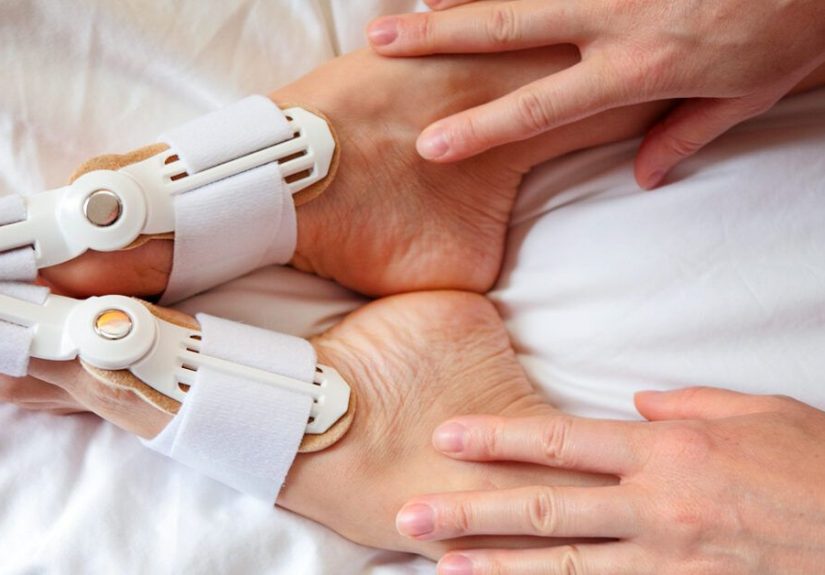
Night splints usually use a strap or hinge to pull the big toe outward while you sleep. They are not typically practical for walking because they can be bulky. Some people find them helpful for stretching soft tissues and reducing morning stiffness, while others remove them halfway through the night with the emotional intensity of someone escaping a medieval toe trap.
Bunion Pads and Sleeves
Bunion pads cushion the bony bump so it rubs less against the inside of the shoe. Gel sleeves often cover the big toe and bunion area. These do not realign the joint, but they may reduce friction and irritation.
Orthotic Inserts
Orthotics are shoe inserts designed to support the arch, redistribute pressure, and improve foot mechanics. They may be over-the-counter or custom-made. Orthotics do not erase a bunion, but they can help reduce stress on the forefoot, especially when flat feet or poor mechanics are contributing to symptoms.
Do Bunion Correctors Actually Work?
Bunion correctors can work for pain relief, but they are limited for permanent joint realignment. That distinction is the heart of the whole topic.
Many people feel better when a corrector reduces pressure between the big toe and second toe, cushions the bump, or prevents rubbing inside a shoe. For mild or moderate bunions, this can make walking, standing, and wearing shoes more tolerable. If pain is mainly caused by friction or crowding, a toe spacer or bunion pad may provide noticeable relief.
However, a bunion is a structural deformity. The bones have shifted, and the soft tissues around the joint have adapted to that position. A corrector can guide the toe while it is being worn, but once you remove the device, the toe often returns to its usual position. In other words, a bunion corrector may “correct” the position temporarily, not permanently.
Can Bunion Correctors Realign Toe Joints?
They can temporarily improve toe position, but they usually cannot permanently realign the joint. Some studies suggest certain orthoses, especially devices with toe separators, may reduce the hallux valgus angle slightly in mild or moderate cases when used consistently. Other research suggests combining toe separators with foot exercises may improve pain and function more than using a device alone.
Still, expectations should stay realistic. A severe bunion is not likely to be remodeled by a silicone spacer from the drugstore. The big toe joint is not a soft piece of clay waiting for a bedtime splint to sculpt it back into youth. True correction of the bone alignment generally requires a surgical procedure that repositions bones and restores the joint angle.
This is why many foot and ankle specialists describe bunion correctors as conservative management tools. They may help relieve symptoms, slow irritation, and improve comfort. They do not usually “cure” bunions.
When Bunion Correctors May Help Most
Bunion correctors tend to be most useful when symptoms are mild to moderate and the goal is comfort. They may be helpful if:
- Your bunion hurts mainly because it rubs against shoes.
- Your big toe and second toe rub together and create irritation.
- You have mild toe crowding and want better spacing during daily activities.
- You are trying to delay or avoid surgery because your symptoms are manageable.
- You need extra cushioning for walking, work, or exercise.
- Your doctor recommends a spacer, pad, or orthotic as part of conservative care.
For example, someone with a small bunion who works on their feet all day may find that a gel sleeve and wide-toe-box shoes make a huge difference. Another person may use a toe separator at home after work to reduce pressure and soreness. These are reasonable uses. The problem starts when a product claims it can permanently reverse a long-standing deformity in two weeks while you sleep. Feet, sadly, do not read marketing copy.
When Bunion Correctors Probably Will Not Be Enough
Bunion correctors may not provide enough relief if the bunion is severe, the joint is stiff, the toe overlaps another toe, or pain continues even in roomy shoes. They may also fall short if you have arthritis in the big toe joint, nerve symptoms, wounds, diabetes-related foot concerns, or difficulty walking normally.
You should consider seeing a podiatrist or orthopedic foot specialist if you have ongoing pain, swelling, worsening deformity, reduced toe movement, trouble finding shoes, skin breakdown, numbness, or symptoms that interfere with daily activities. People with diabetes, circulation problems, or immune system concerns should be especially careful with any device that creates pressure, friction, or skin irritation.
How to Choose a Bunion Corrector
The best bunion corrector is the one that matches your symptoms and fits comfortably. A device should not cause numbness, tingling, skin breakdown, sharp pain, or increased swelling. If it does, remove it. No toe separator deserves that level of loyalty.
For Shoe Rubbing
Choose a thin gel pad, sleeve, or moleskin-style cushion that protects the bump without making the shoe tighter. Remember, padding takes up space. If your shoe is already snug, adding a bulky pad can make pressure worse.
For Toe Crowding
A soft silicone toe spacer may help separate the big toe from the second toe. Start with short wear times and gradually increase if comfortable. Some spacers work better barefoot or in wide shoes.
For Foot Mechanics
If your arch collapses or your foot rolls inward, an orthotic insert may be more useful than a toe-only device. Proper support can reduce pressure through the forefoot and may make walking feel more stable.
For Night Discomfort
A night splint may feel good for some people, especially if the toe feels tight or achy. But if it disrupts sleep or causes pain, it is not doing you any favors. Sleep is not a bunion battlefield.
The Shoe Factor: The Most Underrated Bunion Treatment
Many people buy a bunion corrector before changing their shoes, but footwear is often the bigger deal. A roomy toe box, low heel, flexible upper, and supportive sole can reduce pressure dramatically. Shoes should let your toes spread naturally. They should not force the big toe inward or rub against the bunion bump.
Look for shoes with enough width across the forefoot, a stable heel counter, and cushioning that supports your walking style. Avoid narrow pointed toes and high heels when possible. If a shoe makes your bunion hurt in the store, it is not going to become a supportive life partner later. That is not a break-in period; that is a warning label.
Exercises and Stretches: Helpful, But Not Magical
Foot exercises may strengthen small muscles, improve flexibility, and support better movement patterns. They are not likely to reverse a major bunion, but they may help reduce discomfort and improve function. Common exercises include toe spreading, towel scrunches, marble pickups, calf stretches, and gentle big toe mobility work.
Exercises are often most useful when combined with proper shoes, toe spacers, and orthotics. Think of bunion care like a team sport. The spacer, shoe, insert, and exercise routine each play a role. Asking one tiny silicone wedge to do all the work is unfair, even by foot standards.
Do Bunion Correctors Prevent Bunions From Getting Worse?
They may help slow symptom progression in some people, especially when paired with better footwear and reduced pressure. But prevention is not guaranteed. Bunions can progress because of genetics, joint mechanics, age, activity, and soft tissue changes. A corrector may reduce crowding and irritation, but it cannot control every factor that influences bunion development.
If your bunion is getting worse quickly, becoming more painful, or changing the way you walk, professional evaluation is smart. X-rays can show the severity of the deformity and help determine whether conservative care is reasonable or whether surgery should be discussed.
When Is Surgery Considered?
Surgery is usually considered when bunion pain limits daily activities, makes normal shoes difficult to wear, or does not improve after nonsurgical treatments. It is not usually recommended just to make the foot look prettier. Bunion surgery can involve cutting and realigning bones, correcting soft tissues, removing the bony prominence, or fusing a joint depending on the type and severity of the deformity.
There are many surgical techniques, including chevron osteotomy, Lapidus procedure, and minimally invasive approaches. No single surgery is best for everyone. Recovery time, swelling, footwear restrictions, and activity limits vary. A good specialist will evaluate your foot structure, symptoms, X-rays, health history, and goals before recommending a plan.
Common Myths About Bunion Correctors
Myth 1: A Corrector Can Permanently Fix Any Bunion
Not usually. Correctors may improve comfort and temporary alignment, but they usually cannot permanently reposition bones.
Myth 2: Pain Relief Means the Bunion Is Gone
Pain relief is great, but it does not always mean the deformity has changed. You may simply have reduced pressure and inflammation.
Myth 3: The More Force, the Better
A device that pulls aggressively is not necessarily more effective. Too much pressure can irritate skin, nerves, and joints.
Myth 4: Surgery Is Always Inevitable
Not true. Many people manage bunions for years with shoes, padding, spacers, orthotics, and activity adjustments.
Practical Tips for Using Bunion Correctors Safely
Start slowly. Wear a new toe spacer or sleeve for a short period and check your skin afterward. Choose wide shoes that can accommodate the device. Keep devices clean, especially silicone products worn against the skin. Stop using anything that causes blisters, numbness, sharp pain, or discoloration.
If you are using an orthotic, give your body time to adjust. Wear it for a few hours at first rather than all day immediately. If discomfort continues, the insert may not match your foot mechanics. Custom orthotics may be helpful for some people, but not everyone needs them. A well-fitted over-the-counter insert may be enough for mild symptoms.
Real-Life Experience Notes: What Bunion Correctors Feel Like in Daily Life
For many people, the first experience with a bunion corrector is surprisingly ordinary. You expect a grand medical transformation, but what you actually notice is something simple: less rubbing. A soft gel sleeve can make the inside of a shoe feel less hostile. A toe spacer can stop the big toe and second toe from pressing together. The relief may not feel dramatic, but by the end of a long day, “my foot is not yelling at me” can feel like a luxury vacation.
The most successful users usually treat bunion correctors as part of a routine, not a miracle cure. For example, someone might wear wide sneakers to work, use a slim silicone spacer during the day, switch to sandals with arch support at home, and do five minutes of toe exercises in the evening. This kind of routine is not glamorous. No one is making action movies about sensible footwear. But it can make daily walking much easier.
Another common experience is trial and error. One toe separator may feel perfect for ten minutes and unbearable after two hours. A night splint may look impressive online but feel awkward in bed. A bunion pad may help in one pair of shoes and make another pair too tight. This does not mean all correctors are useless. It means feet are annoyingly individual. The right device depends on your bunion shape, toe spacing, shoe width, skin sensitivity, and activity level.
People who get the best results often pay attention to timing. A spacer may be comfortable while relaxing at home but annoying during fast walking. A gel sleeve may be great for errands but too warm for all-day wear. A night splint may help with mild stretching but should not be forced if it causes pain. Comfort devices should improve your life, not become a nightly negotiation with your toes.
It is also common to feel disappointed if the toe looks straighter while the device is on but returns to its previous angle afterward. That is normal. The device is guiding the toe temporarily. It is not rebuilding the joint. This is why realistic expectations matter. If your goal is “make shoes hurt less,” a bunion corrector may be a win. If your goal is “erase a bunion permanently without surgery,” you may be asking too much from a small piece of silicone.
A practical example: imagine a person with a mild bunion who loves walking but feels burning pressure near the big toe after two miles. They switch to wide-toe-box walking shoes, add a cushioned bunion sleeve, and use a toe spacer at home. The bunion still exists, but their walking distance improves because friction and pressure are lower. That is a successful outcome, even without permanent realignment.
Now imagine someone with a severe bunion, overlapping toes, and pain even in roomy shoes. A corrector may provide mild cushioning, but it probably will not solve the problem. That person may need professional evaluation, imaging, and a discussion about more advanced treatment. The experience differs because the deformity differs.
The bottom line from everyday use is simple: bunion correctors are best judged by comfort, not by dramatic before-and-after photos. If a device helps you walk, stand, or wear shoes with less pain, it may be worth using. If it hurts, slips around, causes skin problems, or promises impossible results, your feet are allowed to unsubscribe.
Conclusion: So, Do Bunion Correctors Work?
Bunion correctors can work for pain relief, cushioning, pressure reduction, and temporary toe positioning. They may be especially useful for mild to moderate bunions when combined with wide-toe-box shoes, orthotic support, padding, and foot exercises. They can make daily life more comfortable and may help some people delay or avoid more aggressive treatment.
However, bunion correctors usually do not permanently realign toe joints or reverse the structural deformity. A bunion involves bone alignment, joint mechanics, and soft tissue changes. Once those changes are established, lasting correction generally requires surgery. That does not mean every bunion needs surgery. Many do not. The best approach depends on pain level, activity limits, shoe problems, deformity severity, and personal goals.
If your bunion is mild, a corrector may be a useful tool. If your pain is persistent, your toe is stiff, your shoes no longer fit, or walking has become difficult, it is time to see a foot specialist. Your big toe may not need a miracle product. It may simply need a smarter plan.