Table of Contents >> Show >> Hide
- Why we eat when we’re bored
- How to tell if it’s boredom or real hunger
- 16 practical tips to stop eating when bored
- 1. Pause for 5 minutes before you reach for food
- 2. Check your hunger with a simple body scan
- 3. Make a “boredom menu” of non-food activities
- 4. Eat on a regular schedule (don’t “save up” calories)
- 5. Build balanced, satisfying meals
- 6. Practice mindful eating (especially for snacks)
- 7. Portion snacks instead of eating from the package
- 8. Keep tempting foods out of sight (not banned, just less visible)
- 9. Drink water or a non-sugary drink first
- 10. Make your environment less snack-centered
- 11. Find “hands-busy” hobbies
- 12. Create a flexible “kitchen curfew”
- 13. Work on stress and emotional coping skills
- 14. Ditch the “all-or-nothing” mindset
- 15. Practice intuitive eating and self-compassion
- 16. Get professional help if eating feels out of control
- Putting it all together
- Real-life experiences: what it looks like to change boredom eating (extra insights)
- SEO summary and metadata
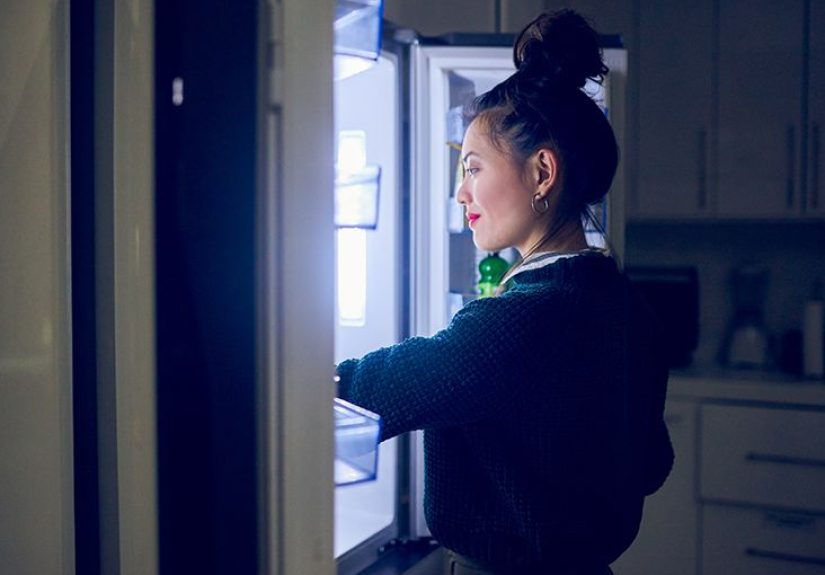
You open the fridge, stare at the shelves, and think, “I’m not hungry…but maybe I <emcould eat.”
If this sounds familiar, welcome to the club of boredom eating. The good news? You’re not broken,
weak, or destined to spend your life snacking your way through every slow afternoon. Boredom eating
is a super common habitand like any habit, it can be changed with the right tools, mindset, and a bit
of humor.
In this guide, we’ll break down why you eat when you’re bored, how to tell real hunger from “I’m just
not doing anything” hunger, and 16 practical tips to help you stop eating when bored without falling
into diet drama or guilt spirals.
Why we eat when we’re bored
Boredom eating is a type of emotional or mindless eating. You’re not eating because your stomach is
asking for fuel; you’re eating because your brain wants stimulation, comfort, or a quick hit of “this
feels nice.” Food is fast, convenient, and socially acceptable, so it becomes an easy way to fill
empty time or soothe uncomfortable feelings like restlessness, loneliness, or mild stress.
When you’re bored, your brain is basically saying, “I need something interesting.” Highly palatable
foodschips, cookies, candy, that tub of ice cream with your name on itlight up your reward centers.
Over time, your brain learns: bored = snack. The habit becomes automatic: you sit on the
couch, open Netflix, and your feet walk to the pantry before you’ve even decided to go.
The goal isn’t to never snack again. The goal is to make eating a response to physical hunger,
not just boredom, and to have other ways to handle those “I’m restless and don’t know what to do” moments.
How to tell if it’s boredom or real hunger
Before we jump into the 16 tips, here’s a quick check-in question you can ask yourself:
“If I had a simple, no-frills meal (like grilled chicken and veggies or a peanut butter sandwich), would I still want to eat?”
- If the answer is yes, you’re probably physically hungry and should eat a balanced meal or snack.
- If the answer is no and you only want something specific like chips, candy, or dessert, you’re more likely bored, stressed, or craving comfort.
You can also use a “hunger scale” from 0 to 10, where 0 is “starving, dizzy, shaky” and 10 is “so stuffed
I need stretchy pants.” Aim to start eating around 3–4 (gently hungry) and stop around 6–7 (comfortably full),
not 0 or 10.
16 practical tips to stop eating when bored
1. Pause for 5 minutes before you reach for food
When the urge to snack hits, don’t say “no” right awaysay “not yet.” Set a timer for five minutes and do
something else: get up, stretch, check in with how your body feels. This tiny pause breaks the automatic cycle
and gives you a chance to figure out whether you’re actually hungry or just looking for something to do.
2. Check your hunger with a simple body scan
Take a moment to notice what’s going on in your body:
- Is your stomach growling, empty, or gently uncomfortable?
- Are you lightheaded, low-energy, or having trouble focusing?
- Or do you feel physically fine but mentally restless?
If your body feels okay but your mind feels “itchy,” it’s more likely boredom than hunger.
3. Make a “boredom menu” of non-food activities
One big reason we snack when bored: we don’t have a backup plan. Create a short list of things you can do
in 10–20 minutes that don’t involve food. For example:
- Take a quick walk or stretch.
- Text or call a friend.
- Play with your pet.
- Do a mini declutter (one drawer, one shelf).
- Read a few pages of a book or listen to a podcast.
Put this list somewhere visibleon the fridge, on your desk, or in your notes appso your brain has options
other than “open pantry.”
4. Eat on a regular schedule (don’t “save up” calories)
Skipping meals or going too long without food makes you more vulnerable to overeating when boredom hits.
When you’re already hungry, that “I’m bored” snack turns into a full-on mini feast. Aim for regular meals
with protein, fiber, and healthy fats, plus planned snacks if you need them, so your body isn’t desperate
for energy by mid-afternoon.
5. Build balanced, satisfying meals
Boredom eating sometimes shows up because your earlier meals didn’t truly satisfy you. A balanced meal usually
includes:
- Protein (chicken, eggs, beans, Greek yogurt, tofu)
- Fiber-rich carbs (whole grains, fruit, veggies, beans)
- Healthy fats (nuts, seeds, avocado, olive oil)
When your blood sugar is more stable and your stomach is genuinely full, you’re less driven to wander into
the kitchen just because you’re bored.
6. Practice mindful eating (especially for snacks)
Mindless eating loves screens: TV, laptops, phones, gaming, scrolling. If you’re going to snack, at least
give it your full attention:
- Put the food on a plate or in a bowl, not straight out of the bag.
- Sit down at a table instead of eating while standing or walking.
- Take smaller bites, chew slowly, and actually taste your food.
This doesn’t just sound niceit helps your brain register satisfaction so you don’t feel like you need more
five minutes later.
7. Portion snacks instead of eating from the package
Eating directly from large bags, boxes, or tubs is an invitation to overeat when bored. Your hand keeps
dipping in long after your stomach is done. Instead, portion out a serving, close the package, and put it
away before you start eating. It’s a simple environmental trick that makes it easier to stop.
8. Keep tempting foods out of sight (not banned, just less visible)
You don’t have to ban your favorite treats, but placement matters. Put sweets and chips on a high shelf or
in opaque containers, and keep fruit, yogurt, chopped veggies, or nuts at eye level. When you open the fridge
or pantry, what you see first shapes what you reach for.
9. Drink water or a non-sugary drink first
Sometimes “I want a snack” is actually “I’m a little dehydrated and bored.” Before you grab food, drink a
glass of water, herbal tea, or sparkling water. If you still feel like eating after a few minutes and you
identify real hunger, go ahead and have a proper snack.
10. Make your environment less snack-centered
If snacks are always within arm’s reachnext to your computer, on the coffee table, in your carthey will
get eaten, especially when you’re bored. Try:
- Keeping food in the kitchen only, not in your workspace or bedroom.
- Removing candy bowls from your desk or coffee table.
- Storing snacks in closed cabinets instead of on the counter.
You’re not weak if you eat what’s in front of you. You’re human. So set up your space to support the habits you want.
11. Find “hands-busy” hobbies
Boredom plus idle hands equals, “Hmm, what’s in the pantry?” Choose activities that keep your hands busy so
snacking is less convenient:
- Knitting, drawing, painting, or coloring.
- Puzzles, Lego, or model building.
- Gaming with a controller (harder to snack and play at the same time).
When your hands (and brain) are occupied, food is less likely to be the first option.
12. Create a flexible “kitchen curfew”
Late-night boredom is prime snacking time. Consider a gentle boundary like “no food after 9 p.m. unless
I’m truly hungry.” You can signal this by brushing your teeth, cleaning the kitchen, or making a nighttime
tea. The point isn’t rigid rulesit’s giving your brain a clear signal that the eating part of the day is done.
13. Work on stress and emotional coping skills
Boredom often blends with stress, loneliness, or low mood. If you’re constantly using snacks to cope, food
becomes your main emotional tool. Instead, experiment with:
- Short walks or gentle exercise to release tension.
- Breathing exercises or brief meditations.
- Journaling what you’re feeling instead of eating it.
- Talking to a friend, family member, or therapist.
You don’t have to give up comfortjust expand your toolkit so food isn’t doing all the emotional heavy lifting.
14. Ditch the “all-or-nothing” mindset
One of the fastest ways to binge when bored is to decide, “No snacks ever again.” Overly strict rules
make food feel forbidden, which makes you want it more. Then if you “mess up,” you think, “Well, I already blew it,
might as well keep going.” Instead, aim for flexible balance: treats are allowed, just not your only hobby.
15. Practice intuitive eating and self-compassion
Instead of judging yourself for boredom eating, get curious. Ask:
- “What am I really needing right now? Rest? Connection? Stimulation?”
- “If food wasn’t an option, what would I do?”
Intuitive eating encourages you to honor hunger, respect fullness, and let go of guilt around food. Boredom eating
becomes something to explore and gently redirect, not a moral failure.
16. Get professional help if eating feels out of control
If you regularly eat large amounts of food when you’re not hungry, feel ashamed after eating, hide your eating, or
feel like you can’t stop once you start, it may be more than boredom eating. Talk with a healthcare provider,
therapist, or registered dietitian who specializes in emotional or disordered eating. Getting help is a sign of
strength, not weakness.
Putting it all together
Stopping boredom eating isn’t about perfection. You’ll still have days when you snack just because the afternoon
drags or your show gets intense. The win is noticing what’s happening, pausing, and choosing a little more
intentionally each time.
Start small: pick one or two tips from this list that feel realistic for you this week. Maybe it’s the five-minute
pause, a hunger check, and a short “boredom menu” on your fridge. As those become habits, layer in more toolsbalanced
meals, mindful snacking, better routines, and non-food ways to cope with stress and emotion.
Over time, you’ll build a life where food is enjoyable and satisfying, but not your default response to every quiet
moment. Boredom will still happenlife is lifebut your response will be more “I’ll go for a walk or text a friend”
and less “Where did that entire bag of chips go?”
Real-life experiences: what it looks like to change boredom eating (extra insights)
Let’s make this practical with some real-world style experiencesbecause change rarely looks like a perfect Instagram
before-and-after. It’s usually messy, awkward, and full of small wins that don’t feel like much at first.
Imagine someone who gets home from work, drops their bag, and heads straight for the kitchen. It’s not that they’re
starving; they just feel drained and “blah.” Their routine is: snack, scroll, repeat. Once they start paying attention,
they notice they aren’t actually hungry most of the timethey’re tired and mentally fried. The first experiment? A
five-minute pause and a big glass of water before opening the pantry. At first, they still end up snacking afterward.
But they start to notice the pattern, and that awareness alone is progress.
Over a few weeks, they add a “transition ritual” when they get home: change clothes, put on music, and take a quick
walk around the block or stretch for five minutes. Does it magically erase all snacking? No. But suddenly, they’re not
hitting the pantry every single day. Some days, the walk is enough to reset their brain. Other days, they still
want a snack, but now they portion it into a small bowl and actually taste it instead of inhaling it in front of the fridge.
Another example: someone who always snacks at night while watching TV. It’s their “reward” after a long day, and the
habit feels almost sacred. Telling them “just stop snacking at night” would be like saying “just stop breathing.”
So instead of going cold turkey, they try three changes:
- They eat a more satisfying dinner with enough protein and fiber.
- They swap the bottomless chip bag for a pre-portioned snack on a plate.
- They pick up a “hands-busy” activity during the showlike a puzzle, crochet, or even doing their nails.
The first week, they still snack almost every night, but the portions are smaller. By week three, there are a few
nights where they realize they’re not actually hungry and skip the snack without feeling deprived. That shiftfrom
automatic to intentionalis huge.
People who successfully cut back on boredom eating almost always say the same things:
- It wasn’t about willpower; it was about changing routines and environments.
- They learned to ask, “What am I really needing right now?”
- They felt better when they stopped beating themselves up over every snack.
One person might realize they snack at work because they hate a particular task, not because they’re hungry.
Once they start tackling that task in short bursts and rewarding themselves with a break that isn’t food,
the constant grazing slows down. Another might realize loneliness in the evenings is their biggest trigger. When
they start scheduling regular calls with friends or joining an online hobby group, their late-night pantry trips
become less frequent.
None of these people became perfectly “clean eaters” (and honestly, that’s not the goal). They still enjoy chips,
cookies, or ice cream sometimesbut those treats move from “default response to boredom” to “something I choose on
purpose and actually enjoy.”
That’s what success looks like with boredom eating: more intention, less autopilot. Fewer guilt hangovers, more
alignment with what you actually want for your health and energy. If you’re patient with yourself and treat this as
a long-term habit upgrade instead of a 7-day challenge, you’ll be surprised how much can change.
SEO summary and metadata
meta_title: How to Stop Eating When Bored (16 Tips)
meta_description: Learn 16 realistic, expert-backed tips to stop eating when bored, break mindless snacking habits, and build a healthier relationship with food.
sapo:
Boredom and snacking seem like a package deal: you sit, you scroll, you wander into the kitchen “just to look” and
suddenly there are crumbs on your shirt and you’re not even sure what you ate. If you’re tired of finishing a bag of
chips during every slow afternoon or late-night Netflix session, this guide is for you. You’ll learn how to tell the
difference between real hunger and “I’m just bored,” why your brain keeps asking for snacks when you’re not hungry, and
16 practical, realistic tips to stop eating when boredwithout crash diets, food guilt, or all-or-nothing rules. From
building more satisfying meals and practicing mindful eating to creating a “boredom menu” of non-food activities and
reshaping your environment, you’ll get step-by-step strategies you can start using today to feel more in control around
food and more in tune with what your body actually needs.
keywords: how to stop eating when bored, boredom eating, mindless snacking, emotional eating, mindful eating tips, stop overeating, intuitive eating strategies