Table of Contents >> Show >> Hide
- Who Was Chung Ling Soo, Really?
- How This Ranking Works (So You Can Yell at It Fairly)
- The Rankings: Top 10 Chung Ling Soo “What Matters Most” Moments
- #10 The Name Itself: A Brand Built to Travel
- #9 The Silent Performance Style (A.K.A. The Original “No Comment” Strategy)
- #8 Poster-First Visual Storytelling
- #7 The Rivalry Energy: When “Original” Becomes a Battlefield
- #6 The Bullet Catch as Peak Spectacle (And Peak Risk)
- #5 The “Double Illusion”: Fooling the Audience and Fooling the World
- #4 The Audience Complicity Factor
- #3 A Case Study in Orientalism on Stage
- #2 The Tragic Ending That Turned into a Myth Engine
- #1 The Legacy Debate: Genius Showman or Cautionary Tale (Answer: Yes)
- Opinions That People Keep Fighting About (And Why They’re Not Going Away)
- What Modern Creators Can Learn (Without Repeating the Worst Parts)
- Quick FAQ
- Conclusion: The Strange Power of a Persona That Outlived the Person
- Experiences Related to Chung Ling Soo Rankings And Opinions (An Extra )
Chung Ling Soo is one of those names that sounds like it arrived onstage wearing a cape. And in a way, it didbecause “Chung Ling Soo” wasn’t just a magician. It was a marketing spell, a carefully built persona, and (depending on who you ask) either a masterclass in theatrical commitment or a cautionary tale about performance, imitation, and cultural masquerade.
This article is a deep, opinionated ranking of what matters most about Chung Ling Soo: the artistry, the influence, the myths, the uncomfortable parts, and why people still bring him up whenever the words “bullet catch” and “bad idea” end up in the same sentence.
Who Was Chung Ling Soo, Really?
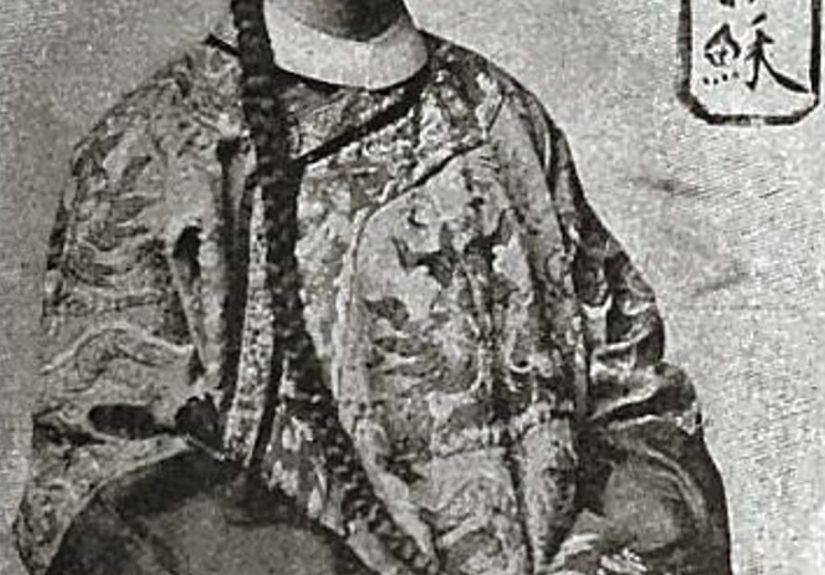
Behind the ornate robes and the “mysterious” stage presence was William Ellsworth Robinson, an American magician who built a blockbuster career by presenting himself as a Chinese conjurerboth onstage and off. In the early 1900s, Western audiences were hungry for “exotic” entertainment, and stage magic gladly served it on a silver platter with extra incense and a side of orientalist fantasy.
Robinson leaned into silence and pantomime, avoiding English in public and often using an interpreter as part of the act. That choice wasn’t just a gimmickit was a strategic lock on the “mystery” factor. If you never talk, you never slip. And if you never slip, you can keep the illusion going long enough for the posters to do the talking.
His story ends in tragedy: during a performance of a dangerous bullet-catching illusion, something went wrong, and he was fatally injured. The moment became legend partly because the persona finally cracked in public. The audience didn’t just witness a failed trickthey witnessed the collapse of a carefully maintained identity.
How This Ranking Works (So You Can Yell at It Fairly)
Rankings are basically opinions wearing a tie. Here’s the tie:
- Impact: Did it change magic, touring entertainment, or audience expectations?
- Craft: Was it strong theater and strong technique (not just hype)?
- Influence: Do magicians, historians, or pop culture still reference it?
- Complexity: Does it spark meaningful debate (even uncomfortable debate)?
- Longevity: Does it still feel relevanteither as inspiration or warning?
And yes: part of “relevance” here includes confronting the racism and cultural appropriation embedded in the persona. If that feels “too modern,” remember: history is always modern to the people who live with its consequences.
The Rankings: Top 10 Chung Ling Soo “What Matters Most” Moments
#10 The Name Itself: A Brand Built to Travel
“Chung Ling Soo” is a stage name engineered for poster space. It’s rhythmic, memorable, and designed to signal “mystery” to Western audiences of the time. As branding, it’s brutally effective. As identity, it’s deeply problematicbecause the branding worked by selling an ethnic masquerade as authenticity.
My take: As a marketing case study, it’s fascinating. As a cultural artifact, it’s a reminder of how easily entertainment can turn real people into costumes.
#9 The Silent Performance Style (A.K.A. The Original “No Comment” Strategy)
Silence was not an accident; it was a technique. Pantomime forces the audience to do a little extra imagining, and imagining is where magic really lives. It also kept Robinson from being “caught” as an American performer through voice, accent, or casual conversation.
My take: The stagecraft is smart. The reason behind it is where the moral knots tighten.
#8 Poster-First Visual Storytelling
In the Golden Age of stage magic, posters weren’t decorationthey were the algorithm. Big images, bold promises, and a sense of “you have to see this.” Chung Ling Soo’s look was designed for that era: striking silhouette, “foreign” costume cues, and a vibe that said, “I know secrets you don’t.”
My take: If you want to understand early 20th-century entertainment marketing, follow the poster ink.
#7 The Rivalry Energy: When “Original” Becomes a Battlefield
Robinson modeled his persona after Ching Ling Foo, a real Chinese magician whose success helped spark Western fascination with “Chinese” magic acts. Their overlap created one of the era’s most talked-about tensions: who is the “real” original, and why did the public reward the imitation so heavily?
My take: The uncomfortable truth is that “authenticity” often loses to familiarity, timing, and marketing. That’s not just a magic lessonit’s a media lesson.
#6 The Bullet Catch as Peak Spectacle (And Peak Risk)
The bullet catch is one of the most infamous feats in magic historybecause the premise is so simple it feels impossible: a projectile “caught” as proof of superhuman control. Chung Ling Soo performed a version famously titled “Condemned to Death by the Boxers” (sometimes associated in retellings with the Boxer Rebellion theme). It became the centerpiece of his legend because it ended his life.
My take: This is where awe and recklessness shake hands. The bullet catch is dramatic theater, but it’s also a reminder that “danger” is not the same thing as “art.” Modern performers who reference it usually do so with heavy safeguardsand often with a wink that says, “Yes, we know the history.”
#5 The “Double Illusion”: Fooling the Audience and Fooling the World
Most magicians sell one illusion at a time: a vanish, a transformation, a prediction. Chung Ling Soo sold two illusions at once: the trick onstage and the identity behind it. In a bizarre way, the persona became his longest-running effect.
My take: From a storytelling perspective, it’s potent. From an ethical perspective, it’s the kind of “potent” you don’t want to replicate.
#4 The Audience Complicity Factor
Here’s a spicy idea that keeps popping up in writing about Robinson: audiences may have suspected the truth and simply didn’t care. The show delivered what they wantedmystery, spectacle, “exotic” flavorand the market rewarded that delivery.
My take: This is the part that makes people squirm, because it shifts the story from “a single con man” to “a whole culture that applauded the con.”
#3 A Case Study in Orientalism on Stage
If you want a single historical example of how Western entertainment packaged “the East” as fantasy, Chung Ling Soo is a flashing neon sign. His act sits in a larger trend of performers adopting caricatured “Eastern” personas to boost appeal. Some of this trend was marketed as admiration; much of it leaned on stereotypes. Either way, it treated culture as a prop closet.
My take: This matters because it forces a question modern entertainment still struggles with: where’s the line between inspiration and exploitation?
#2 The Tragic Ending That Turned into a Myth Engine
Tragedy creates stories that survive longer than applause. After the fatal accident, the narrative exploded: sensational headlines, whispered theories, and public shocknot only about the death, but about who he “really” was. The event became one of magic history’s most retold moments.
My take: The ending is unforgettable, but it shouldn’t be romanticized. It’s not “the perfect finale.” It’s a reminder that entertainment has limits, and bodies are not stage properties.
#1 The Legacy Debate: Genius Showman or Cautionary Tale (Answer: Yes)
If you rank Chung Ling Soo as “important,” you’re not automatically praising him. You’re acknowledging his role as a turning point: in branding, in theatrical illusion, in the economics of touring entertainment, and in the ethical discussion of representation. He’s a magnet for argument because both sides have real points.
My take: He was skilled, strategic, and historically significant. He was also a beneficiary ofand contributor toharmful cultural narratives. If your only opinion is “legend” or “villain,” you’re missing why the story still matters.
Opinions That People Keep Fighting About (And Why They’re Not Going Away)
Opinion 1: “He was basically a copycat.”
There’s truth here. Robinson drew heavily from the style and premise associated with Ching Ling Foo and the broader “Chinese conjurer” craze. In modern terms, you could call it aggressive borrowing. In his era, it played more like competitive show businessexcept identity was part of what got borrowed, which changes the moral math.
Opinion 2: “But he was still a great magician.”
Also true. Even copying requires execution, and stage magic is unforgiving. Timing, misdirection, blocking, and audience management are skills, not accessories. Whatever you think of the persona, the act succeeded because it worked as theater.
Opinion 3: “The audience was fooled.”
Sometimes. But the deeper question is whether they were fooled or simply entertained. Some writing about him suggests that even when doubts existed, people happily chose the fantasy. That’s a surprisingly modern idea: audiences often know something is manufacturedand still binge it anyway.
What Modern Creators Can Learn (Without Repeating the Worst Parts)
1) Commit to clarity
Chung Ling Soo’s presentation was visually legible. Even without dialogue, audiences could follow the action. In a world of distracted attention spans, clarity is a superpower.
2) Mystery is a design choice
He protected the aura by limiting what could “break character.” Today, performers do this with social media strategy, scripted crowd work, and controlled behind-the-scenes access. Mystery isn’t old-fashionedit’s curated.
3) Representation isn’t a costume
This is the modern line in the sand. Cultural aesthetics can inspire art, but when you “become” a culture that isn’t yours for profitespecially through stereotypesyou’re not just telling a story. You’re reinforcing a power imbalance.
4) Don’t confuse danger with depth
Risk can intensify drama, but it also raises stakes in the worst way. The legacy of the bullet catch is a flashing sign that says: theater should not require tragedy as proof.
Quick FAQ
Was Chung Ling Soo actually Chinese?
No. The performer was William Ellsworth Robinson, an American magician presenting a Chinese persona.
Why did he avoid speaking English publicly?
Silence protected the persona and boosted the “mystery” branding. It also reduced the chance of breaking character.
Why do people still talk about him?
Because he sits at the intersection of showmanship, identity performance, cultural appropriation, and one of magic’s most infamous tragedies. He’s a history lesson that refuses to stay in the past.
Conclusion: The Strange Power of a Persona That Outlived the Person
Chung Ling Soo is remembered not just for tricks, but for the idea of Chung Ling Sooan idea built from spectacle, silence, and a public hunger for “mystery” that was often coded as “foreign.” Ranking him forces you to hold two realities at once: the craft was real, and the masquerade was harmful.
In the end, the most lasting “illusion” may not be a vanish or a transformation. It may be the way entertainment can convince an audience to accept a storyabout a trick, about a person, about a culturebecause it’s convenient, thrilling, and printed in bold letters on a beautiful poster.
Experiences Related to Chung Ling Soo Rankings And Opinions (An Extra )
If you’ve ever fallen down a rabbit hole of magic history, you know the experience starts the same way every time: you look up one name… and suddenly it’s three hours later and you’re convinced you need a velvet cape “for research.” Chung Ling Soo is exactly that kind of rabbit hole, because his story isn’t just about magic tricksit’s about how people want to be entertained, and what they’re willing to believe when the show is good enough.
One of the most interesting “experiences” readers report when learning about him is the emotional whiplash. You begin with awe: a famous performer, a “man of mystery,” packed houses, dramatic illusions. Then you hit the uncomfortable layer: the persona was built on an ethnic masquerade. That pivot can feel like finding out your favorite childhood snack was secretly made of lies and glitter. (Okay, not literally. But emotionally? Close.) And that reaction is worth sitting with, because it teaches a bigger skill than trivia: it teaches you how to hold art and ethics in the same frame without pretending only one matters.
Another experience you can trywithout owning a theater or a time machineis to watch modern magic with “Soo goggles” on. Pay attention to what makes an act feel mysterious. Is it silence? Costume? Lighting? A strict character voice? Many contemporary performers still use the same psychological levers: they control what information you get, when you get it, and how confidently you feel you understand what’s happening. Even if you never learn a single method, you’ll start recognizing the architecture of deception: misdirection, pacing, and audience management.
There’s also a surprisingly practical experience in reading about him: you start noticing how fame gets manufactured. Early 1900s posters were the social media of their day. They promised wonders. They sold identities. They made performers larger than life. If you’ve ever watched modern celebrity branding and thought, “Wow, this is carefully engineered,” you’ll feel a strange sense of déjà vu learning about Chung Ling Soo. The platforms change. The human appetite for spectacle does not.
Finally, discussing Chung Ling Soo with other people is an experience all by itselfbecause you’ll quickly discover which conversations are really about magic and which are about culture. Some people focus on craft (“He was a brilliant showman”). Others focus on harm (“The persona relied on racism”). The most productive conversations do both: they acknowledge the skill, name the problem, and ask what modern creators should do differently. If a historical figure can teach you how to think more carefully about entertainment, representation, and the stories we reward, that’s a lesson that lasts longer than any single trick.