Table of Contents >> Show >> Hide
- PNH in Plain English: What’s Actually Going On?
- Complication #1: Blood Clots (Thrombosis) The Big One
- Complication #2: Hemolytic Anemia (and the “Why Am I So Tired?” Problem)
- Complication #3: Bone Marrow Failure, Low Blood Counts, and Overlap Conditions
- Complication #4: Kidney Problems (Acute Injury and Chronic Kidney Disease)
- Complication #5: Pulmonary Hypertension and Heart-Lung Strain
- Complication #6: Smooth Muscle Symptoms (Dysphagia, Abdominal Pain, and More)
- Complication #7: Pregnancy Risks in PNH
- Complication #8: Treatment-Related Risks (Yes, Even the Heroes Have Side Quests)
- How Complications Are Monitored (Because PNH Likes to Be Sneaky)
- Common Experiences Living With PNH (A 500-Word, Real-World Add-On)
- Conclusion
Paroxysmal nocturnal hemoglobinuria (PNH) is one of those conditions with a dramatic name that sounds like a Victorian novel and a biology problem had a baby. But the reality is very modern: PNH is a rare, acquired blood disorder where the immune system’s “complement” pathway (think: the body’s built-in security system) starts treating your own red blood cells like suspicious strangers in a hoodie.
The good news: today’s treatments can dramatically reduce the most dangerous complications. The not-so-fun news: untreated (or undertreated) PNH can affect multiple organs, raise the risk of blood clots, and cause symptoms that range from “annoying fatigue” to “please don’t ignore that abdominal pain.” This article walks through the most important possible complicationswhat causes them, what they can feel like, and how clinicians typically manage risk.
Quick note: This is educational content, not medical advice. If you have PNH (or suspect you do), a hematologist should be your MVP.
PNH in Plain English: What’s Actually Going On?
PNH starts in the bone marrow, where blood cells are made. A mutation in a blood-forming stem cell leads to red blood cells (and sometimes white blood cells and platelets) missing certain protective proteins on their surface. Those missing proteins usually act like “Do Not Attack” badges. Without them, the complement system can puncture red blood cells, causing hemolysis (destruction of red blood cells).
That red-cell breakdown can happen inside blood vessels (intravascular hemolysis), and it can also occur in ways that are a bit more complicated when the immune system tags cells for cleanup elsewhere (extravascular hemolysis). Either way, hemolysis is the engine behind many PNH complications.
Why complications happen
- Hemolysis releases hemoglobin into the bloodstream, which can stress kidneys and disrupt normal blood vessel signaling.
- Platelets may be activated, and blood chemistry shifts toward a “clot-friendly” state.
- Bone marrow can struggle, especially when PNH overlaps with aplastic anemia or other marrow-failure conditions.
Complication #1: Blood Clots (Thrombosis) The Big One
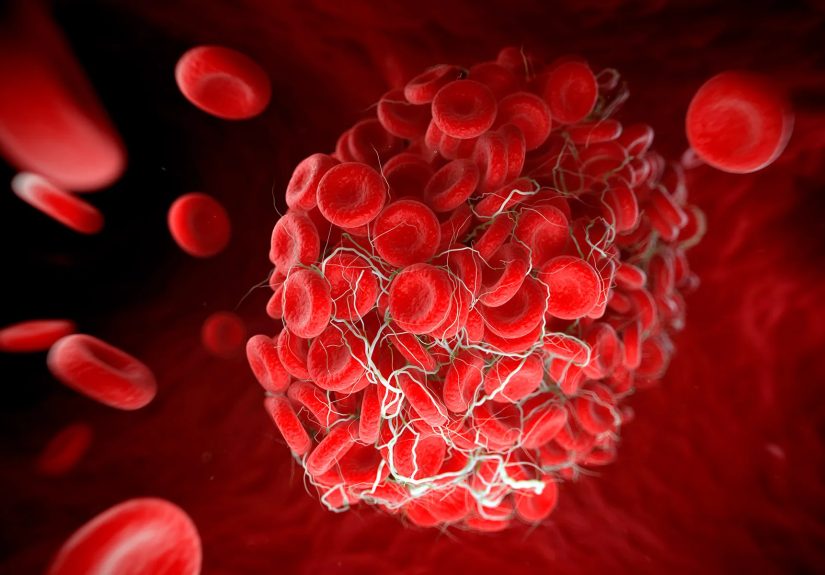
If PNH complications had a “most feared” award, thrombosis would win itno contest. Blood clots are a leading cause of serious illness and death in PNH. What makes PNH-related clots especially tricky is where they can occur: not only in typical locations (like legs) but also in unusual sites, including abdominal veins (such as hepatic or portal veins) and veins in the brain.
Why PNH raises clot risk
The short version: hemolysis and complement activation can trigger a cascade that nudges the body toward clotting. Platelets can become more reactive, blood vessel lining can get irritated, and the normal balance between “clot” and “don’t clot” gets wobbly.
Clot warning signs that deserve urgent attention
- Sudden shortness of breath, chest pain, or coughing up blood (possible pulmonary embolism)
- One-sided leg swelling or pain (possible deep vein thrombosis)
- Severe abdominal pain, swelling, or persistent nausea (possible abdominal vein clot)
- New severe headache, vision changes, confusion, weakness, or seizures (possible cerebral venous clot or stroke)
How clinicians lower clot risk
Management is individualized, but modern PNH therapies that target the complement pathway have changed the game by reducing hemolysis and, in many patients, substantially lowering thrombotic risk. In higher-risk situationslike prior clot history, pregnancy, or specific lab/clinical featuresclinicians may also consider anticoagulation (blood thinners), balancing benefits against bleeding risk (especially if platelets are low).
Example scenario: A person with PNH develops sudden, intense right-upper-quadrant abdominal pain and swelling. Because PNH clots can form in hepatic veins, the evaluation may include imaging for abdominal thrombosisnot just a “maybe it’s food poisoning” shrug.
Complication #2: Hemolytic Anemia (and the “Why Am I So Tired?” Problem)
Many people with PNH live with chronic anemiasometimes mild, sometimes severe. When red blood cells are destroyed faster than the bone marrow can replace them, hemoglobin levels drop. The result can be fatigue, weakness, shortness of breath with exertion, dizziness, and paleness. It’s not lazy. It’s physics: fewer oxygen-carrying cells means less oxygen delivery.
Knock-on issues from chronic hemolysis
- Dark urine (from hemoglobin in the urine), often more noticeable in the morning
- Iron deficiency (especially when hemoglobin is lost in urine over time)
- Need for transfusions in some cases, depending on disease severity and response to therapy
A key point: not all anemia in PNH is purely from hemolysis. If bone marrow function is reduced (see next section), anemia can be driven by low production too. That distinction matters because different problems require different solutions.
Complication #3: Bone Marrow Failure, Low Blood Counts, and Overlap Conditions
PNH doesn’t always travel alone. It can overlap with bone marrow failure syndromes such as aplastic anemia, and it can be seen in the broader landscape of marrow disorders where blood-cell production becomes impaired. When marrow function is affected, patients can develop:
- Low red cells (anemia): fatigue, shortness of breath, reduced exercise tolerance
- Low white cells (leukopenia): higher infection risk
- Low platelets (thrombocytopenia): bruising, bleeding gums, nosebleeds, heavy periods
Why this overlap matters for complications
Lower platelets can complicate decisions about blood thinners. Lower white blood cells can make infections more dangerous. And marrow failure can cause symptoms even when complement-driven hemolysis is well controlledmeaning someone can still feel unwell despite “good numbers” on the hemolysis side.
In select cases (and depending on patient factors), stem cell transplant can be curative for PNH, but it comes with meaningful risks. For many patients, complement-targeted therapies plus supportive care offer strong disease control without transplant-level risk.
Complication #4: Kidney Problems (Acute Injury and Chronic Kidney Disease)
The kidneys are basically the body’s elite filtration team. Unfortunately, they can get stuck cleaning up the debris of hemolysis. When hemoglobin is released into circulation and filtered, it can contribute to kidney stress and, over time, chronic kidney disease (CKD) in some patients.
What kidney involvement can look like
- Changes in kidney function labs
- Swelling in legs or around eyes (in some cases)
- High blood pressure
- Fatigue that overlaps with (and worsens) anemia fatigue
Because symptoms can be subtle, clinicians often monitor kidney function routinely in PNHespecially when hemolysis has been active or prolonged.
Complication #5: Pulmonary Hypertension and Heart-Lung Strain
PNH can affect the heart-lung circuit. Chronic hemolysis and its downstream effects can contribute to elevated pressures in the pulmonary arteries (pulmonary hypertension) in some patients, which may cause shortness of breath, exercise intolerance, chest discomfort, or fainting episodes.
Not every patient with PNH will develop pulmonary hypertension, but it’s an important “systems-level” complication because it can worsen quality of life and complicate other health issues.
Complication #6: Smooth Muscle Symptoms (Dysphagia, Abdominal Pain, and More)
One of the stranger-but-real aspects of PNH is smooth muscle dystoniasymptoms tied to blood vessel signaling changes that can happen during hemolysis. People may experience:
- Dysphagia (difficulty swallowing) or esophageal spasm
- Abdominal pain not explained by the usual suspects
- Erectile dysfunction in some patients
These symptoms can be intermittent and confusing, which is why patients often say it took time before everything “connected” to PNH. The key is recognizing that PNH is not only an anemia problemit can be a whole-body problem.
Complication #7: Pregnancy Risks in PNH
Pregnancy is a high-stakes situation for PNH because clot risk naturally rises during pregnancyand PNH adds another layer. Historically, pregnant patients with PNH have had increased risks of serious thromboembolism and complications related to anemia and hemolysis.
How PNH pregnancy care is typically approached
- Close hematology + high-risk OB collaboration (this is not a DIY trimester)
- Monitoring for hemolysis and anemia more frequently than in routine pregnancies
- Thoughtful clot prevention strategies, often involving anticoagulation when appropriate
- Complement inhibition may be considered to control hemolysis and reduce complications, depending on individual risk
The big message: pregnancy is possible for some patients with PNH, but it should be managed as high risk with a plan that’s built specifically for the patient.
Complication #8: Treatment-Related Risks (Yes, Even the Heroes Have Side Quests)
Modern PNH therapies are often life-changing. But because many of them work by blocking complementpart of the immune defensethey can raise infection risks, especially meningococcal disease. Public health guidance emphasizes that people receiving complement inhibitors have a dramatically higher risk of meningococcal infection (estimated to be up to ~2,000 times higher than the general population).
What risk-reduction can include
- Vaccination against meningococcal strains (timed per clinical guidance)
- Education on early symptoms (fever, headache, stiff neck, rash, confusionseek urgent care)
- Sometimes antibiotics for additional protection (depending on clinician judgment and patient situation)
A quick tour of today’s treatment landscape
PNH treatments have expanded beyond the classic IV anti-C5 antibodies. Depending on the clinical scenario, patients and clinicians may discuss options such as:
- C5 inhibitors (e.g., eculizumab and ravulizumab) to reduce complement-driven intravascular hemolysis
- Other anti-C5 approaches, including newer agents with different dosing/administration profiles
- Proximal complement inhibitors (e.g., C3 or alternative pathway targets) that may help with ongoing anemia in some patients
- Add-on therapies for persistent extravascular hemolysis in select patients
- Supportive care: transfusions, folate, iron management when appropriate, and monitoring for organ complications
- Stem cell transplant in carefully selected cases when benefits outweigh risks
The “best” option depends on the pattern of disease (hemolysis-dominant vs marrow-failure dominant), symptoms, history of thrombosis, pregnancy plans, and how the body responds to therapy over time.
How Complications Are Monitored (Because PNH Likes to Be Sneaky)
Many complications are easier to prevent than to rescue. Monitoring commonly includes regular assessment of:
- Hemoglobin and reticulocyte count (anemia and marrow response)
- Markers of hemolysis (such as LDH, bilirubin, haptoglobinyour clinician chooses what’s useful)
- Kidney function (creatinine, urinalysis, and related measures)
- Symptoms and quality of life (fatigue, pain, exercise tolerancebecause labs don’t live in your body; you do)
- Clot risk review (history, new symptoms, pregnancy status, platelet count)
If you take one thing from this section, let it be this: in PNH, “I feel different” is clinically meaningful data. Report changes earlyespecially symptoms that could suggest thrombosis or infection.
Common Experiences Living With PNH (A 500-Word, Real-World Add-On)
People living with PNH often describe a strange mismatch between how they look and how they feel. On the outside: normal clothes, normal smile, normal “Sure, I can do that.” On the inside: a phone battery that drops from 80% to 12% after folding laundry. Fatigue in PNH isn’t always the sleepy kind. It’s the heavy, full-body kindthe kind that makes small tasks feel like you’re dragging a couch up a hill, except the couch is your own bloodstream being rude.
Many patients talk about the “mystery phase” before diagnosis. They might notice dark urine some mornings, chalk it up to dehydration, and move on. They might get winded walking up stairs and blame being “out of shape,” even if nothing else changed. Some experience episodes of abdominal pain or trouble swallowing that seem unrelateduntil a hematologist explains that PNH can behave like a whole-body condition, not just an anemia problem.
Then there’s the mental math of risk. People learn that PNH can raise the chance of dangerous blood clots, and suddenly every ache has a new question attached: “Is this just sore muscles… or is this a situation?” That constant vigilance can be exhausting. It’s also why a clear monitoring plan (what to watch for, when to call, what counts as urgent) can be deeply calminglike having a map in a city you didn’t ask to visit.
Treatment can feel like getting your life handed backsometimes quickly, sometimes gradually. Patients often report that controlling hemolysis improves day-to-day function: fewer “crash days,” better ability to work, and more predictable energy. But treatment can bring its own routines: scheduling infusions or managing oral meds, arranging lab checks, and staying on top of vaccinations because complement inhibition changes infection risk. It’s not glamorous, but it’s powerfullike changing the rules of a game that used to cheat.
People also describe the social side: explaining a rare disease to friends and family who hear “anemia” and think “take a nap and eat spinach.” (If spinach could prevent thrombosis, grocery stores would be guarded like Fort Knox.) What often helps is a simple script: “PNH is a rare blood disorder that can cause anemia and serious complications like blood clots; I’m treated by a specialist and need regular monitoring.” Clear, calm, and accurateno medical dissertation required.
Finally, many patients emphasize community: connecting with rare-disease groups, finding clinicians who know PNH, and learning the vocabulary of their own labs. PNH can be complicated, but patients are not powerless. With modern therapies, proactive monitoring, and a care team that takes symptoms seriously, many people build a stable, meaningful lifeone well-planned step at a time.