Table of Contents >> Show >> Hide
- What Is a Stainless Steel Compost Bucket?
- Why Choose Stainless Steel Over Plastic?
- What Can You Put in a Stainless Steel Compost Bucket?
- Features to Look for in the Best Stainless Steel Compost Bucket
- How to Use a Stainless Steel Compost Bucket Without Odor Trouble
- How a Stainless Steel Compost Bucket Fits Into Different Composting Setups
- Common Mistakes People Make
- Is a Stainless Steel Compost Bucket Worth It?
- Cleaning and Maintenance Tips
- Real-Life Experiences With a Stainless Steel Compost Bucket
- Final Thoughts
If your kitchen trash can had a sworn enemy, it would be the humble banana peel. Coffee grounds are a close second. Eggshells are somewhere nearby, acting innocent. That is exactly why a stainless steel compost bucket has become a small but mighty hero in modern kitchens. It gives food scraps a proper place to wait before they head to an outdoor compost pile, a municipal compost drop-off, or a countertop composting system.
At first glance, it may look like a stylish little pail pretending to be part of your décor. In real life, it does something much more useful: it helps you manage food waste cleanly, neatly, and with far less drama than tossing every wilted lettuce leaf into the trash. A good compost bucket keeps odors under control, makes cleanup easier, and turns the daily habit of peeling, chopping, and cooking into something more sustainable.
This guide covers what a stainless steel compost bucket is, why people choose one over plastic, what features matter most, how to use it without creating a tiny swamp on your counter, and how to keep it looking polished instead of “mysteriously sticky.” If you have ever wondered whether a stainless steel compost bucket is worth it, the answer is often yes, especially if you want an easy way to collect scraps without turning your kitchen into a science experiment.
What Is a Stainless Steel Compost Bucket?
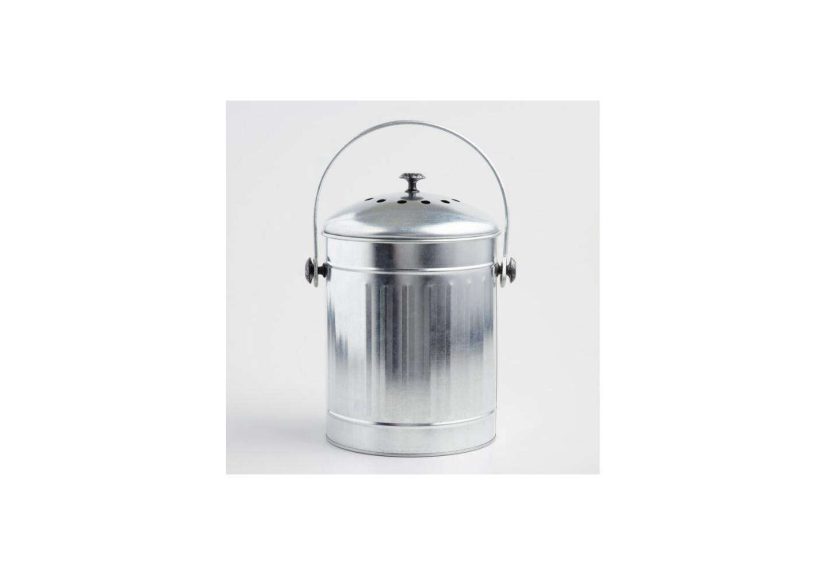
A stainless steel compost bucket is a small container designed to hold kitchen scraps temporarily before those scraps are transferred to a larger compost setup. Think of it as a waiting room for carrot tops, apple cores, tea bags, coffee grounds, and the occasional onion skin that somehow sticks to everything it touches.
Most models are made for kitchen countertops, though some are compact enough to tuck under the sink. They usually come with a lid, and many include a charcoal filter to help reduce odors. The bucket itself does not do the composting. Its job is simple but important: collect food scraps conveniently so composting becomes a realistic habit instead of an ambitious idea that lasts exactly three days.
Why Choose Stainless Steel Over Plastic?
It Looks Better in a Real Kitchen
Let’s be honest. One reason people love a stainless steel compost bucket is that it does not scream, “I contain old broccoli.” Stainless steel has a clean, modern look that blends with common kitchen finishes like steel appliances, white cabinets, butcher-block counters, and farmhouse sinks. When something sits out every day, appearance matters.
It Handles Odors and Stains Better
Food scraps are moist, acidic, and sometimes fragrant in all the wrong ways. Stainless steel tends to resist absorbing odors and staining better than many plastic containers. That matters when you are collecting tomato scraps, citrus peels, and coffee grounds on repeat. A bucket that rinses clean and does not hold onto yesterday’s garlic scent is a beautiful thing.
It Is Durable Enough for Daily Use
A compost bucket is one of those tools you use constantly but barely notice until it fails. Stainless steel is popular because it is sturdy, long-lasting, and well suited for repeated washing. If you want one bucket that can survive years of kitchen duty, stainless steel is often the practical choice.
It Feels More Hygienic
Because the surface is smooth and easy to wash, many people simply feel better using stainless steel for food-adjacent waste collection. That feeling matters more than marketers admit. If a compost bucket feels cleaner, you are more likely to keep using it, and the best compost system is the one you actually stick with.
What Can You Put in a Stainless Steel Compost Bucket?
The short answer is: mostly everyday plant-based kitchen scraps. Common examples include:
- Fruit and vegetable peels
- Apple cores
- Coffee grounds and paper filters
- Tea bags, depending on the materials
- Eggshells
- Wilted herbs and flowers
- Small amounts of shredded paper or napkins if your compost system allows them
If you compost at home in a backyard system, it is usually smart to avoid adding meat, fish, dairy, bones, greasy leftovers, and pet waste to your bucket unless your specific composting method is designed for them. Those materials can create stronger odors and may attract pests or complicate composting.
In other words, a stainless steel compost bucket works best when it collects the everyday “green” kitchen scraps that pile up fast: the cucumber ends, the sad spinach, the coffee grounds, the eggshells, and the mystery cilantro stems nobody asked for.
Features to Look for in the Best Stainless Steel Compost Bucket
1. A Well-Fitting Lid
A lid is the difference between “tidy compost station” and “why is there a fruit fly conference in my kitchen?” A good lid helps contain smells and keeps the bucket looking neat. Some lids sit loosely for quick access, while others fit more snugly for better odor control.
2. Charcoal Filter Compatibility
Many stainless steel compost buckets include charcoal filters in the lid. These help absorb odors so your countertop does not smell like a salad bar after closing time. If odor control is a top priority, look for a model with replaceable filters and check how easy they are to swap out.
3. Comfortable Handle
You will carry this bucket often, especially if you empty it daily or every couple of days. A sturdy handle makes a surprising difference. Nobody wants to perform a balancing act with dripping melon rinds on the way to the backyard.
4. The Right Size
Capacity should match your cooking habits. A small household that cooks lightly may be fine with a compact bucket. A family that meal-preps, juices, or cooks from scratch every day will probably want a larger size. Bigger is not always better, though. A massive bucket that encourages scraps to sit too long can become a smellier situation.
5. Easy-to-Clean Interior
The best compost bucket is one you can rinse quickly with soap and water. Look for a smooth interior with minimal seams and awkward corners. Compost is earthy and wholesome in the garden. On your countertop, it should remain organized and washable.
How to Use a Stainless Steel Compost Bucket Without Odor Trouble
The secret is not magic. It is routine.
Empty It Regularly
The biggest mistake people make is treating the bucket like long-term storage. It is not a tiny landfill. Empty it often. In many homes, once a day or every couple of days works well, especially in warm weather.
Keep Wet Scraps in Check
Very wet scraps can speed up odor and mess. If your bucket starts feeling swampy, balance those scraps with a bit of dry material such as shredded paper, a paper towel, or a little brown compost material if your system allows it.
Chop Large Scraps When It Makes Sense
You do not need to dice every broccoli stem like you are on a cooking show, but smaller pieces can be easier to manage and may break down faster once transferred to your compost setup.
Use the Fridge or Freezer for Backup
If you cannot empty your bucket right away, storing especially smelly scraps in the fridge or freezer can help. This is useful for hot climates, busy weeks, and anyone who has learned the hard way that melon rinds become aggressive remarkably fast.
Wash the Bucket Often
Rinse the bucket with warm water and dish soap regularly. A quick wash prevents buildup, helps reduce odors, and keeps the bucket from becoming grimy. If the lid has a filter, follow the manufacturer’s cleaning and replacement instructions.
How a Stainless Steel Compost Bucket Fits Into Different Composting Setups
Backyard Compost Pile or Bin
This is the classic arrangement. You collect scraps indoors, then empty them into an outdoor bin or pile where they get mixed with leaves, straw, cardboard, or other brown materials. The stainless steel bucket makes the kitchen part of the process much easier.
Municipal Compost Collection
If your city or neighborhood offers compost pickup or a drop-off program, the bucket serves as your indoor collection station. It keeps scraps contained until collection day and helps separate compostables from regular trash.
Worm Composting
For vermicomposting, the bucket stores scraps until you feed the worm bin. Just remember that worms prefer appropriate foods in moderation. A countertop bucket helps you gather the right materials before adding them in manageable amounts.
Bokashi or Other Specialized Systems
Some people use a stainless steel compost bucket as a staging area before moving scraps into a bokashi system or another indoor method. It keeps prep simple and prevents the main composting setup from becoming cluttered.
Common Mistakes People Make
- Letting scraps sit too long: Even a great bucket cannot defeat the laws of decomposition forever.
- Ignoring the filter: If your lid uses charcoal filters, replace them as needed.
- Overfilling the bucket: A heaping tower of onion skins is not an achievement.
- Adding the wrong materials: Greasy foods, dairy, and meat can create problems in many home compost systems.
- Skipping regular washing: A quick clean saves a lot of regret later.
Is a Stainless Steel Compost Bucket Worth It?
For many households, absolutely. It makes composting easier, more attractive, and more practical in the space where food waste actually happens: the kitchen. The bucket does not need electricity, apps, or a confusing instruction manual written like a spaceship checklist. It simply gives you a dedicated place for scraps, which makes sustainable habits feel normal.
It is especially useful for people who cook often, want to reduce food waste, dislike kitchen odors, or need a neat countertop solution. If you have been compost-curious but not compost-committed, a stainless steel compost bucket can be the small tool that nudges you into a real routine.
Cleaning and Maintenance Tips
To keep your stainless steel compost bucket in top shape:
- Wash it with warm water and mild dish soap.
- Dry it thoroughly to keep it looking polished.
- Replace charcoal filters on schedule if your model uses them.
- Do not let liquid collect at the bottom for long periods.
- Clean the lid and handle too, because those areas love collecting invisible kitchen grime.
If odors linger, a deeper clean with baking soda paste or a vinegar rinse may help, depending on the manufacturer’s care guidance. The goal is simple: keep the bucket easy to use, and it will remain part of your routine instead of becoming another abandoned “good intention” item under the sink.
Real-Life Experiences With a Stainless Steel Compost Bucket
One of the most common experiences people describe after switching to a stainless steel compost bucket is that composting suddenly feels less messy and more realistic. Before using one, food scraps often end up in random bowls, plastic bags, or directly in the trash, where they create odor fast and make the kitchen feel less clean. A dedicated bucket changes that rhythm. There is a clear home for scraps, which means fewer drips, fewer last-minute decisions, and less guilt about wasting food.
Many home cooks also notice that a stainless steel bucket quietly improves their daily workflow. While chopping vegetables, they can drop peels and ends straight into the container instead of making repeated trips to the trash can. It sounds small, but in a busy kitchen, small conveniences matter. Over time, the bucket becomes one of those tools that blends into the background in the best way possible, like a cutting board or a colander you reach for without thinking.
Another frequently reported experience is surprise at how well odor can be managed when the bucket is emptied regularly. New users often expect compost collection to smell awful. Then they discover that with a lid, a filter, and a basic habit of emptying the bucket every day or two, the system is far less dramatic than expected. The bigger problem is usually not the bucket itself. It is forgetting about a pile of wet scraps during a heat wave and then acting shocked when science does what science does.
People who choose stainless steel also tend to appreciate the cleaning experience. Instead of dealing with stained plastic or containers that seem to hold onto smells forever, they can rinse the bucket, wash it with soap, dry it, and move on. That matters psychologically. When a compost tool feels easy to clean, it feels easier to live with. And when it feels easier to live with, the habit sticks.
There is also a design factor that shows up in real kitchens. Stainless steel compost buckets often earn a permanent place on the counter because they look intentional rather than temporary. Guests may not even realize what the bucket is at first, which is probably better than having them instantly identify it as “the peel vault.” For people who care about kitchen aesthetics, that blend of function and style is a huge advantage.
Families and frequent cooks often say the biggest benefit is how the bucket supports consistency. Instead of debating every eggshell or coffee filter, everyone in the household learns where scraps go. That makes composting easier to teach to kids, roommates, or partners who may not be deeply passionate about carbon-to-nitrogen ratios. The bucket turns a sustainability goal into a simple kitchen habit. Open lid, drop scraps, move on with your life.
In smaller apartments, users often mention that the bucket helps them feel more in control of limited space. Even if they do not have a backyard pile, they can store scraps neatly for a municipal compost program, community garden drop-off, or indoor composting method. In that way, the stainless steel compost bucket becomes more than a container. It becomes the bridge between everyday cooking and a lower-waste lifestyle that actually fits real life.
Final Thoughts
A stainless steel compost bucket is one of those deceptively simple kitchen upgrades that can make a lasting difference. It helps manage food scraps cleanly, supports composting habits, reduces trash-bin funk, and looks good while doing it. Not bad for a metal bucket with a lid.
If you want a composting setup that feels practical instead of precious, this is a smart place to start. Choose a size that matches your kitchen habits, keep it clean, empty it often, and let it do its quiet, unglamorous work. Your trash can will be less crowded, your compost routine will be easier, and your countertop will gain one very hardworking sidekick.