Table of Contents >> Show >> Hide
- What Are Classic Adirondack Westport Chairs?
- The History Behind the Westport Chair
- Why the Design Still Works
- Best Materials for Classic Adirondack Westport Chairs
- Classic Westport Chair vs. Modern Adirondack Chair
- Where Classic Adirondack Westport Chairs Look Best
- How to Choose the Right Chair
- Maintenance Tips for Long-Lasting Beauty
- Decorating Ideas for Adirondack Westport Chairs
- DIY or Buy: Which Is Better?
- Common Mistakes to Avoid
- Experiences With Classic Adirondack Westport Chairs
- Conclusion
Few pieces of outdoor furniture look as relaxed as a classic Adirondack Westport chair. It is the chair equivalent of a deep breath, a lake breeze, and a glass of lemonade that somehow tastes better because you are not checking your email. With its reclined back, broad arms, low seat, and sturdy wooden personality, the Westport chair helped shape what Americans now recognize as the Adirondack chair.
Today, classic Adirondack Westport chairs appear on porches, patios, cabins, lawns, decks, fire pit circles, lake houses, and even city balconies that are doing their best to feel rustic. Their appeal is simple: they look good, sit comfortably, and suggest that the owner knows how to enjoy five quiet minutes without turning relaxation into a productivity challenge.
What Are Classic Adirondack Westport Chairs?
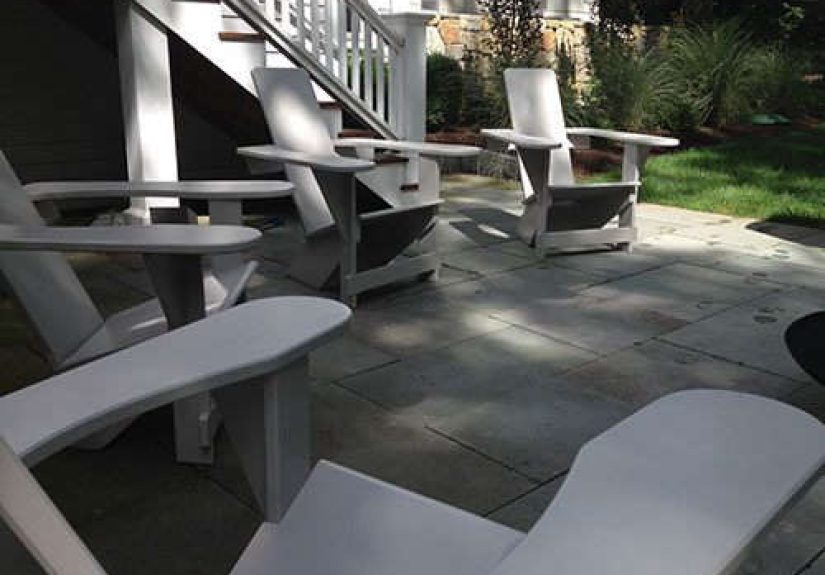
Classic Adirondack Westport chairs are outdoor lounge chairs inspired by the original Westport chair developed in Westport, New York, in the early 1900s. The design is closely tied to the Adirondack Mountains and to the broader American tradition of rustic outdoor living. Early versions were made from wide wooden planks, with a slanted seat and a reclined back that made the chair stable and comfortable on uneven ground.
The modern Adirondack chair is often a little lighter, more curved, and more decorative than the original Westport plank chair, but the family resemblance is obvious. Both styles share the same relaxed DNA: wide arms, deep seating, angled posture, and a low-slung frame built for outdoor lounging rather than formal sitting.
The History Behind the Westport Chair
The story begins with Thomas Lee, who wanted a comfortable outdoor chair for his family’s summer home near Lake Champlain. Ordinary furniture did not work especially well on the sloped, rugged terrain of the Adirondacks, so Lee experimented with a design that would sit firmly on uneven ground while allowing the body to rest naturally.
Local carpenter Harry C. Bunnell later patented a version of the design known as the Westport chair. The patent described a chair suitable for porches, lawns, and camps, which explains why the design spread so easily. It was practical, rugged, and comfortable. In other words, it was built for people who wanted to sit outside without looking like they were attending a board meeting in the wilderness.
Why the Design Still Works
The Reclined Back
The slanted back is the secret sauce. Unlike a dining chair that keeps your spine on its best behavior, a Westport chair encourages the body to lean back. This posture opens the chest, relaxes the shoulders, and makes it easier to enjoy a sunset, a conversation, or a perfectly unnecessary second cup of coffee.
The Sloped Seat
The seat dips slightly toward the back, creating a cradle-like feeling. This is one reason the chair feels secure even without cushions. The shape helps keep the sitter in place while reducing the stiff, upright pressure common in conventional chairs.
The Wide Armrests
The wide arms are iconic because they are useful. They can hold a drink, a book, sunglasses, a small plate, or the remote control you promised not to bring outside. In small outdoor spaces, these arms can even replace a side table.
The Strong Outdoor Frame
Classic Westport chairs were designed for real outdoor use. Thick boards, simple joinery, and a stable footprint made them well suited to camps, porches, and lawns. Modern versions may use wood, HDPE poly lumber, resin, or metal, but the goal remains the same: dependable comfort outdoors.
Best Materials for Classic Adirondack Westport Chairs
Cedar
Cedar is a favorite for outdoor furniture because it is naturally resistant to moisture, insects, and decay. It is lightweight compared with many hardwoods and develops a handsome silvery patina if left unfinished. For homeowners who love the natural cabin look, cedar is a strong choice.
Teak
Teak is more expensive, but it is also one of the most durable outdoor woods. Its natural oils help resist weather damage, and it ages beautifully. A teak Adirondack Westport chair can look refined without losing that relaxed “come sit down” charm.
Pine
Pine is budget-friendly and easy to work with, making it popular for DIY Adirondack chair projects. However, it needs proper sealing, painting, or staining to stand up to the elements. Pine is a good option if you enjoy weekend projects and do not mind giving your furniture a little seasonal attention.
Acacia and Eucalyptus
Acacia and eucalyptus are common in modern outdoor furniture. They offer attractive grain patterns and decent durability when maintained properly. These woods often appear in stylish patio sets that balance price, appearance, and performance.
Poly Lumber and Recycled Plastic
Poly lumber, often made from recycled high-density plastic, has become a major player in the Adirondack chair world. It resists rot, splintering, cracking, and many weather-related problems. It also requires very little maintenance beyond basic cleaning. The tradeoff is that it does not have the exact warmth of real wood, though high-quality versions can look surprisingly handsome.
Classic Westport Chair vs. Modern Adirondack Chair
The classic Westport chair is typically more plank-like, rustic, and straightforward. It often has broad flat boards and a heavier visual profile. The modern Adirondack chair usually has a fan-shaped back made of vertical slats, a slightly more sculpted seat, and more style variations.
If you want historic character, choose a Westport-inspired design. If you want a familiar backyard classic with more color, folding options, cup holders, or curved ergonomic features, a modern Adirondack chair may be the better fit. Either way, you are still buying into the same tradition of outdoor comfort.
Where Classic Adirondack Westport Chairs Look Best
Front Porches
A pair of classic Adirondack Westport chairs on a front porch instantly says, “Yes, people live here, and they probably wave at neighbors.” White, black, forest green, and natural wood finishes work especially well with traditional homes.
Backyard Fire Pits
The low, reclined shape makes these chairs perfect around fire pits. They are relaxed enough for marshmallow roasting but sturdy enough that you will not feel like you are sinking into camping gear from 1997.
Lake Houses and Cabins
This is their natural habitat. Place several chairs facing the water, and suddenly the view looks more expensive. Natural cedar, weathered gray, and deep green finishes fit beautifully with lakeside landscapes.
Garden Corners
A single Westport chair tucked under a tree or beside a flower bed can create a quiet reading spot. Add a small table, and you have a mini retreat without needing to explain to anyone why you are “busy” for the next hour.
How to Choose the Right Chair
Check the Seat Height
Traditional Adirondack Westport chairs sit low. That is part of their charm, but it may not suit everyone. Taller users or people with knee issues may prefer a higher seat or a “counter-height” Adirondack design.
Look at the Back Angle
A deeper recline is wonderful for lounging but less convenient for eating or conversation around a table. For general patio use, choose a moderate recline. For lakeside napping, go all in.
Consider Folding Features
Folding Adirondack chairs are practical for smaller patios, seasonal storage, and anyone who does not want to perform advanced furniture gymnastics every fall.
Match the Material to Your Climate
Wood is beautiful but needs care. Poly lumber is easier in rainy, snowy, or coastal climates. If your chair will live outdoors year-round, prioritize weather resistance over bargain pricing.
Maintenance Tips for Long-Lasting Beauty
Wooden Adirondack Westport chairs should be cleaned regularly with mild soap and water. Avoid harsh pressure washing, which can damage the surface. If the wood is painted or stained, inspect it each season for peeling, fading, or exposed areas.
Cedar and teak can be left to weather naturally, but applying a proper outdoor finish helps preserve color. Painted pine needs the most attention because moisture can enter through scratches and joints. Poly lumber requires the least work. A quick wash with soapy water usually brings it back to patio-party condition.
Decorating Ideas for Adirondack Westport Chairs
Classic Adirondack Westport chairs are easy to style because their shape already carries visual interest. For a timeless look, use natural wood with neutral outdoor cushions. For a coastal style, choose white, navy, or weathered gray. For a playful backyard, use red, yellow, turquoise, or deep green.
Accessories should be simple. A small outdoor side table, a striped cushion, a wool throw for chilly evenings, and a lantern can create a polished setting without overdoing it. Remember, this chair was not born to be fussy. It was born to sit outside and make doing nothing look respectable.
DIY or Buy: Which Is Better?
Building a classic Adirondack Westport chair can be rewarding if you have basic woodworking skills, tools, and patience. DIY plans often use cedar or pine, and the design is simple enough for confident beginners. The advantage is customization: you can choose dimensions, finish, and small comfort upgrades.
Buying is better if you want consistent quality, weather-tested hardware, and less measuring. Factory-made chairs often include smoother curves, ergonomic shaping, folding mechanisms, and durable finishes. For most homeowners, buying one or two high-quality chairs is the easiest path. For hobby woodworkers, building one can become a satisfying weekend projectassuming the weekend does not mysteriously turn into three weekends and one emergency trip to the hardware store.
Common Mistakes to Avoid
Do not buy only by looks. A chair can be gorgeous and still feel like a wooden trap. Sit in it if possible, or review the seat height, width, recline angle, and weight capacity before purchasing.
Do not ignore hardware. Stainless steel or corrosion-resistant fasteners matter outdoors. Cheap screws can rust, stain the wood, and weaken the structure over time.
Do not forget storage. Even weather-resistant chairs last longer when protected from extreme conditions. If you cannot store them indoors, use breathable outdoor covers.
Experiences With Classic Adirondack Westport Chairs
The first thing people usually notice about a classic Adirondack Westport chair is not the history. It is the feeling of sitting down and suddenly understanding why the chair has survived for more than a century. The angle tells your shoulders to relax before your brain has finished arguing about errands. The arms are wide enough for a coffee mug in the morning and a cold drink in the evening. The chair does not ask much from you. It simply says, “Sit. Look around. Stop pretending the laundry is urgent.”
One of the best experiences is using these chairs around a fire pit. Unlike upright patio dining chairs, Westport-style chairs place you in a naturally relaxed position. People tend to talk longer, laugh more easily, and stay outside after the fire has settled into glowing embers. There is something about the low seat and wide arms that makes snacks, stories, and quiet moments feel better organized, even when the marshmallows are clearly not.
Another memorable experience comes from placing a pair of classic Adirondack Westport chairs in a garden or under a shade tree. The chair becomes a destination. You may walk past it ten times a day, but eventually it wins. You sit down for “just a minute,” and that minute becomes twenty. Birds appear. Leaves move. The neighbor’s dog makes an important announcement. Suddenly, your backyard feels less like property and more like a place.
At lake houses and cabins, these chairs feel almost required by law, or at least by good taste. Set them facing the water and they transform the shoreline into a living room without walls. In the morning, they are perfect for coffee and misty views. In the afternoon, they handle wet towels, sandy feet, and conversations about whether anyone remembered sunscreen. At night, they become front-row seats for stars.
Even in small spaces, the experience works. A balcony with one Adirondack Westport chair can feel like a tiny retreat. Add a compact side table and a potted plant, and the space becomes useful rather than decorative. The chair’s strong silhouette creates instant atmosphere, which is helpful when your “outdoor oasis” is technically six feet wide and overlooking a parking lot.
The real charm is that these chairs age with their surroundings. A cedar chair that turns silver, a painted chair with a few honest scratches, or a poly lumber chair that survives several seasons of weather all become part of the outdoor routine. Classic Adirondack Westport chairs are not just furniture. They are where summer evenings slow down, where fall mornings feel crisp, and where doing nothing finally gets the comfortable seating it deserves.
Conclusion
Classic Adirondack Westport chairs remain popular because they solve a simple problem beautifully: people want to sit comfortably outdoors. Their history connects them to Westport, New York, and the Adirondack tradition, while their design continues to fit modern patios, porches, gardens, cabins, and lakefront homes.
Whether made from cedar, teak, pine, acacia, or low-maintenance poly lumber, the right chair brings lasting comfort and unmistakable style. Choose good materials, pay attention to dimensions, maintain the finish, and place the chair where life naturally slows down. The result is more than outdoor seating. It is an invitation to relax, breathe, and enjoy the view.
Note: This article is original, written in standard American English, and based on real historical, design, material, and outdoor furniture maintenance information.