Table of Contents >> Show >> Hide
- What is high fructose corn syrup, exactly?
- Why all the concern about HFCS and added sugar?
- High fructose corn syrup foods to avoid (or heavily limit)
- 1. Sodas and sweetened soft drinks
- 2. Fruit drinks, “juice cocktails,” and energy drinks
- 3. Breakfast cereals and granola bars
- 4. Packaged breads, rolls, and crackers
- 5. Flavored yogurt and sweetened dairy products
- 6. Sauces, condiments, and salad dressings
- 7. Desserts, baked goods, and frozen treats
- HFCS vs. regular sugar: is one worse than the other?
- How to spot high fructose corn syrup on food labels
- Smart strategies to cut back without feeling deprived
- Who should be especially careful with HFCS foods?
- Real-world experiences: what happens when you cut back on HFCS?
- The bottom line
If you’ve ever picked up a “regular” grocery item and wondered why it tastes like dessert,
you’ve probably met high fructose corn syrup (HFCS). It shows up in everything from soda
to sandwich bread and even “healthy” granola bars. The problem? Our taste buds love it,
but our bodies are a lot less enthusiastic.
In this guide, we’ll break down what high fructose corn syrup actually is, which HFCS foods
are worth avoiding (or seriously limiting), and why cutting back on added sugar in general
can do your waistline, liver, and heart a huge favor. Think of this as your friendly,
no-guilt, HFCS reality check.
What is high fructose corn syrup, exactly?
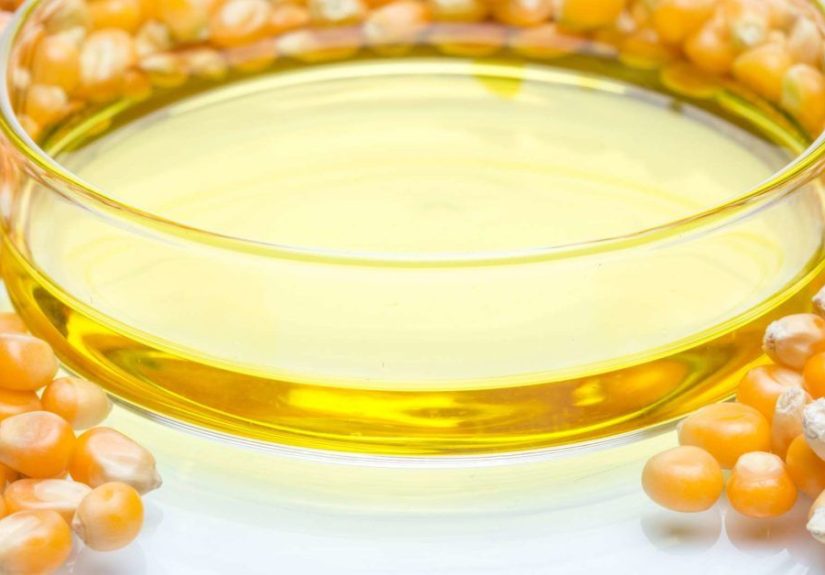
High fructose corn syrup is a sweetener made from corn. Manufacturers process corn starch
into glucose (a simple sugar), then use enzymes to convert some of that glucose into
fructose. The result is a sweet liquid that’s cheap, easy to blend into foods and drinks,
and very shelf-stablebasically a food manufacturer’s dream.
Two main types of HFCS show up in food:
- HFCS-42: About 42% fructose, often used in baked goods and some processed foods.
- HFCS-55: About 55% fructose, used mostly in soft drinks and sweetened beverages.
Calorie-wise, HFCS is similar to regular table sugar (sucrose), and both are made of
glucose and fructose. The bigger issue isn’t that HFCS is a magical villain all by itself;
it’s that it’s everywhere, especially in ultra-processed, high-calorie, low-nutrient foods.
It quietly pushes your daily added sugar intake way over healthy limits.
Why all the concern about HFCS and added sugar?
Experts now focus less on arguing whether HFCS is exactly “worse” than sugar and more on a
bigger question: just how much added sugar are we eating? For most Americans, the answer is
“a lot”far above what major health organizations recommend.
The American Heart Association suggests keeping added sugars to about 6 teaspoons (around
25 grams) per day for most women and 9 teaspoons (around 36 grams) for most men. The U.S.
Dietary Guidelines recommend limiting added sugars to less than 10% of your total daily
calories. For a 2,000-calorie diet, that’s about 200 calories, or roughly 50 grams of added
sugar per day.
High fructose corn syrup is a big contributor to that total, especially when it comes from
sugary drinks and highly processed snacks. Here’s why a steady stream of HFCS-heavy foods
is a problem for your body.
1. Fructose overload is hard on your liver
Your cells can use glucose directly for energy. Fructose, on the other hand, is mostly
processed in your liver. When you eat small amounts of fructose from fruit, that’s fine
you’re getting fiber, vitamins, and antioxidants along with it. But when you drink or eat
large amounts of added fructose (like in HFCS-sweetened beverages and snacks), your liver
can get overwhelmed.
Excess fructose can be turned into fat in the liver, contributing to metabolic dysfunction–
associated steatotic liver disease (formerly nonalcoholic fatty liver disease). Over time,
this liver fat is associated with insulin resistance, inflammation, and a higher risk of
more serious liver issues.
2. HFCS adds “stealth calories” that drive weight gain
It’s very easy to drink hundreds of calories of HFCS without feeling full. Sweetened
beverages like soda, fruit drinks, and energy drinks don’t provide fiber or much nutrition,
and your brain doesn’t register liquid calories the same way it registers a solid meal.
Over time, these extra calories can contribute to weight gain and obesity, especially when
they stack on top of a sedentary lifestyle and other ultra-processed foods. Fructose may
also influence appetite hormones, making it easier to overeat and harder to feel satisfied.
3. Triglycerides, cholesterol, and heart health
Diets high in added sugars, particularly those rich in HFCS-sweetened drinks, have been
linked to increased triglycerides (blood fats), higher levels of certain lipoproteins, and
changes in cholesterol that may raise the risk of heart disease. Researchers have also
found that fructose can raise uric acid levels, which is connected to both heart problems
and gout.
4. Blood sugar, insulin resistance, and diabetes risk
While fructose itself doesn’t cause an immediate spike in blood glucose the way pure
glucose does, a high-fructose intake can still worsen insulin resistance over time. When
your body becomes less responsive to insulin, your pancreas has to work harder, and blood
sugar levels can creep up. This pattern is linked to a higher risk of type 2 diabetes and
metabolic syndrome when combined with excess calories and low physical activity.
5. Inflammation and other long-term health concerns
Diets packed with added sugars are associated with chronic low-grade inflammationa
background “smoldering” immune response that’s connected to heart disease, some cancers,
and other chronic conditions. While HFCS isn’t the only culprit, it plays a starring role
because it’s such a big part of many sugary drinks and ultra-processed foods.
High fructose corn syrup foods to avoid (or heavily limit)
You don’t need a PhD or a spreadsheet to start cutting back on HFCS. The biggest wins come
from a few high-impact categories that many people eat or drink every day.
1. Sodas and sweetened soft drinks
Regular soda is one of the largest sources of HFCS in the American diet. A single 12-ounce
can can easily contain 8–10 teaspoons of sugar or moreoften your entire daily recommended
limit in one shot. Many fountain drinks are even larger, turning one beverage into an added
sugar bomb.
Better options: water (still or sparkling), unsweetened tea, coffee with
minimal sugar, or flavored seltzer. If you’re used to multiple sodas a day, try cutting
back one at a time instead of quitting cold turkey.
2. Fruit drinks, “juice cocktails,” and energy drinks
Here’s where marketing gets sneaky. Drinks labeled as “fruit punch,” “juice cocktail,” or
“fruit-flavored beverage” often contain very little actual fruit and a lot of HFCS. Some
sports and energy drinks are also loaded with added sugars.
Better options: 100% fruit juice in small portions, water infused with
slices of citrus or berries, or no-sugar-added electrolyte drinks if you truly need
hydration support (for example, after heavy exercise or illness).
3. Breakfast cereals and granola bars
Many boxed cereals and granola bars are basically dessert in disguise. HFCS and other
sweeteners show up early in the ingredient list, especially in colorful kids’ cereals and
“crunchy” bars with chocolate chips or yogurt coatings.
Better options: cereals with minimal added sugar (aim for 5 grams or less
per serving), plain oats you sweeten lightly yourself, or bars that use nuts, seeds, and a
small amount of natural sweetener instead of HFCS.
4. Packaged breads, rolls, and crackers
It’s surprising how often HFCS appears in products that don’t even taste sweet. Many
commercial breads, burger buns, hot dog rolls, and crackers use HFCS to improve texture,
color, and shelf life.
Better options: breads with short ingredient lists, 100% whole grain
options, or bakery loaves without added sweeteners. If HFCS or “corn syrup” shows up near
the top of the ingredient list, it’s a sign to keep moving.
5. Flavored yogurt and sweetened dairy products
Yogurt can be a nutrient-rich fooduntil it’s loaded with HFCS and sugary “fruit” on the
bottom. Some flavored yogurts have as much sugar as ice cream. Chocolate milk and some
drinkable yogurts can also be packed with HFCS.
Better options: plain yogurt (Greek or regular) with your own fruit and a
drizzle of honey or maple syrup if you need a touch of sweetness. Look for unsweetened or
“no sugar added” versions whenever possible.
6. Sauces, condiments, and salad dressings
Ketchup, barbecue sauce, “special” burger sauces, and many bottled salad dressings often
rely on HFCS. That’s how a simple squeeze or drizzle can quietly add several grams of
sugar to an otherwise healthy meal.
Better options: condiments labeled “no added sugar” or “unsweetened,”
vinaigrettes made with olive oil and vinegar, or homemade dressings using mustard, lemon
juice, herbs, and a small amount of natural sweetener if needed.
7. Desserts, baked goods, and frozen treats
Cookies, snack cakes, packaged pies, ice cream novelties, and frozen desserts frequently
contain HFCS along with other added sugars. These foods are typically high in calories and
low in nutrients, so it’s smart to treat them as occasional treats rather than daily
staples.
Better options: smaller portions, homemade treats where you control the
sugar, or naturally sweet options like fruit with yogurt, dark chocolate, or frozen banana
“nice” cream.
HFCS vs. regular sugar: is one worse than the other?
Nutritionally, HFCS and table sugar are more alike than different. Both deliver similar
calories and a mix of fructose and glucose. Most experts now emphasize that the real
problem is total added sugar from all sourcesHFCS, cane sugar, honey, agave,
brown sugar, and more.
That means it’s not enough to just swap HFCS for cane sugar and call it a day. A “no HFCS”
cookie that still has a lot of added sugar can still push your daily intake into the
unhealthy zone. The goal is to gradually reduce the amount of added sugar overall, whether
it comes from HFCS or anything else.
How to spot high fructose corn syrup on food labels
HFCS doesn’t always appear under a big, flashing “Warning!” sign. It hides in the
ingredient list and sometimes under slightly different names. When you read labels, keep
an eye out for:
- High fructose corn syrup
- HFCS-42, HFCS-55, or “corn syrup” (especially early in the ingredient list)
- Other added sugars like sucrose, cane sugar, dextrose, maltose, fruit juice concentrate, or molasses
On the Nutrition Facts label, look at the line for “Added Sugars”.
This tells you how many grams of sugar have been added on top of any natural sugars in the
food. A helpful rule of thumb: 4 grams of sugar equals about 1 teaspoon.
Smart strategies to cut back without feeling deprived
Going “zero sugar” overnight is usually a recipe for cravings and frustration. Instead,
think in terms of small, sustainable changes that reduce HFCS and other added sugars over
time.
- Start with drinks. Replace one sugary drink a day with water, sparkling water, or unsweetened tea.
- Upgrade your breakfast. Swap sugary cereals for oats or low-sugar cereal plus fruit.
- Check your condiments. Choose ketchup, dressings, and sauces labeled “no added sugar” when you can.
- Use the “half-as-sweet” rule. If you usually add two spoonfuls of sugar to coffee, try one and a half, then one.
- Cook at home a bit more. Homemade meals tend to rely less on hidden sugars than fast food and heavily processed snacks.
- Prioritize whole foods. Fruits, vegetables, beans, nuts, lean proteins, and whole grains naturally nudge sugary, HFCS-heavy foods off your plate.
Who should be especially careful with HFCS foods?
Cutting back on HFCS and added sugars is a good idea for almost everyone, but it’s
particularly important if you:
- Have prediabetes or type 2 diabetes
- Have metabolic syndrome or insulin resistance
- Are dealing with fatty liver disease or elevated liver enzymes
- Have high triglycerides or other heart disease risk factors
- Struggle with gout or high uric acid levels
If that’s you, talk with your healthcare provider or a registered dietitian about a
realistic plan to lower your added sugar intake and make label-reading less overwhelming.
Real-world experiences: what happens when you cut back on HFCS?
Research is important, but sometimes the most convincing evidence is what you feel in your
own body. Here are some common experiences people report when they start dialing down
high fructose corn syrup foods and other added sugars.
“I didn’t realize how much soda was running the show.”
Many people start with beverages because it’s the easiest place to make a big impact.
Imagine someone who drinks two or three large regular sodas every day. That can easily add
up to 300–500 extra calories and a huge dose of HFCS. When they switch to water, sparkling
water, or unsweetened tea, a few things often happen:
- They feel less “up and down” in the afternoonno more sugar crash after lunch.
- They may lose a few pounds over several weeks just from that one change.
- Their taste buds reset, and suddenly some foods start to taste overly sweet.
At first, the missing fizz and sweetness can feel like a loss. But after a few weeks,
many people find that regular soda tastes almost syrupy and heavy, and they prefer lighter
options.
The “cereal and granola bar” breakfast makeover
Another common story: the person who starts the morning with a big bowl of sweet cereal,
a flavored yogurt, and a granola bar “for the road.” On paper, that sounds like a
respectable breakfast. In reality, it can deliver more than a full day’s worth of added
sugar, much of it from HFCS and other sweeteners.
When that same person switches to oats with fruit and nuts, plus plain yogurt and maybe a
hard-boiled egg, a few things usually change:
- They stay full longer and snack less mid-morning.
- Their energy feels smoother instead of spiking and crashing.
- They often notice fewer cravings for sugary snacks later in the day.
The new breakfast might not trigger the same “sugar rush” thrill at first, but it supports
more stable energy and better appetite control over time.
Parents and the “sneaky sugar” problem
Parents often discover HFCS the hard wayafter a trip to the dentist, a pediatrician visit,
or a week of dealing with a very wired, very cranky kid. Juice boxes, flavored yogurts,
fruit snacks, and kid-friendly cereals are common sources of HFCS and other added sugars.
When parents start reading labels more carefully, they often:
- Swap juice drinks for water and whole fruit.
- Choose cereals with single-digit grams of sugar per serving.
- Offer yogurt with real fruit instead of “cookie crumble” toppings.
The results? Fewer dramatic sugar highs and lows, better dental checkups, and kids who
gradually get used to foods that aren’t super sweet all the time. It doesn’t turn them
into perfect eaters (if only!), but it can make family meals a lot less chaotic.
“I didn’t miss HFCS as much as I thought.”
One of the most encouraging experiences people share is that after a few weeks of choosing
fewer HFCS-heavy foods, their cravings often change. Foods that used to taste “just right”
may start to taste overly sweet. A smaller dessert or a piece of fruit might feel
satisfying instead of disappointing.
This doesn’t mean you’ll never want cake, cookies, or a favorite soda again. It just means
that HFCS and other sugary foods move from “everyday default” to “once in a while,” which
is exactly where most health experts would like to see them.
The bottom line
High fructose corn syrup isn’t the only form of added sugar in the modern diet, but it’s a
major oneand it often rides along in foods and drinks you might not realize are sweetened
at all. The good news: you don’t have to track every gram perfectly or eliminate every
cookie forever.
If you focus on cutting back HFCS-heavy sodas, sugary drinks, dessert-like breakfast
foods, and heavily processed snacks, while eating more whole foods and drinking more
water, you’ll dramatically reduce your added sugar intake almost automatically. Your liver,
heart, and energy levels are likely to thank you.